March 13, 2026
Golden Monkey Tracking in Rwanda While the mountain gorillas often steal the spotlight in the […]


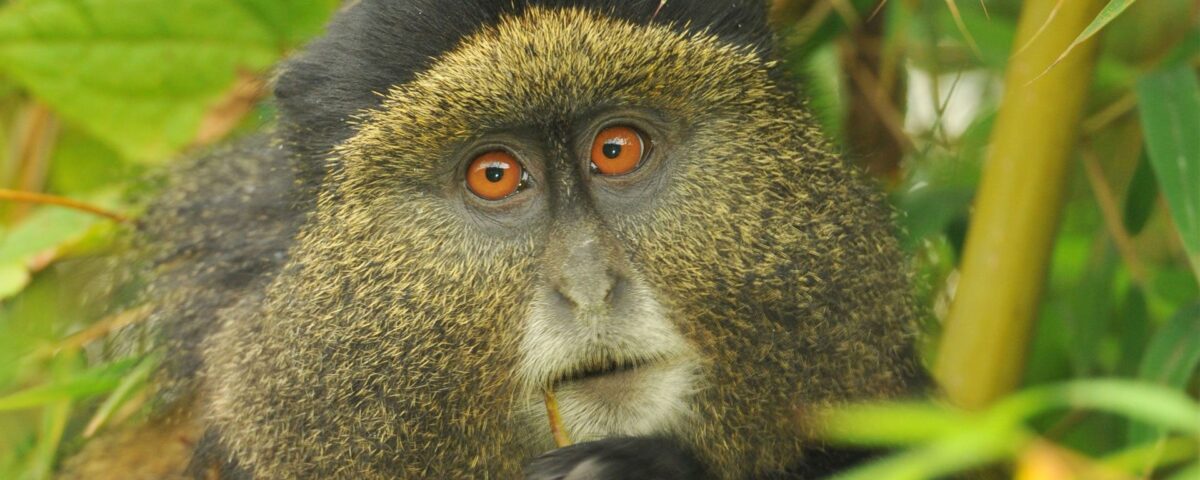
While the mountain gorillas often steal the spotlight in the “Land of a Thousand Hills,” a vibrant and playful treasure hides within the same misty bamboo forests. The golden monkey (Cercopithecus kandti), an endangered primate endemic to the Virunga Massif, offers one of the most energetic and visually stunning wildlife encounters in Africa. For travelers seeking a well-rounded adventure in 2026, golden monkey tracking in Rwanda serves as the perfect complement to a gorilla trek or a standalone highlight for primate lovers.
These monkeys do not just sit in the shadows; they bring the forest to life with their striking orange-gold coats and boundless energy. This expansive guide explores everything you need to know about discovering this hidden gem in the heart of the Volcanoes National Park, providing a deep dive into biology, logistics, photography, and the conservation ethics that make this journey so significant.
Golden monkey tracking in Rwanda
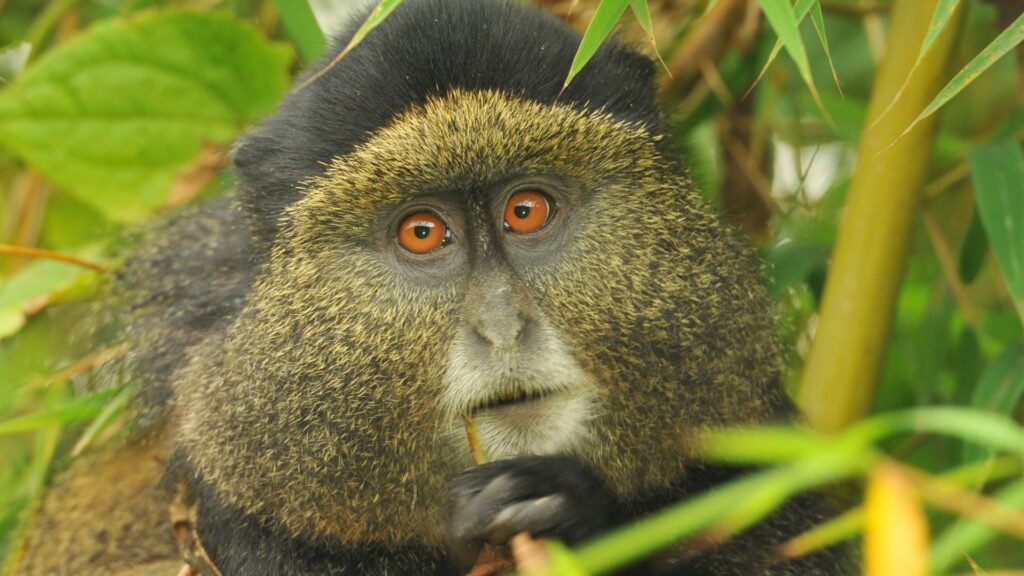
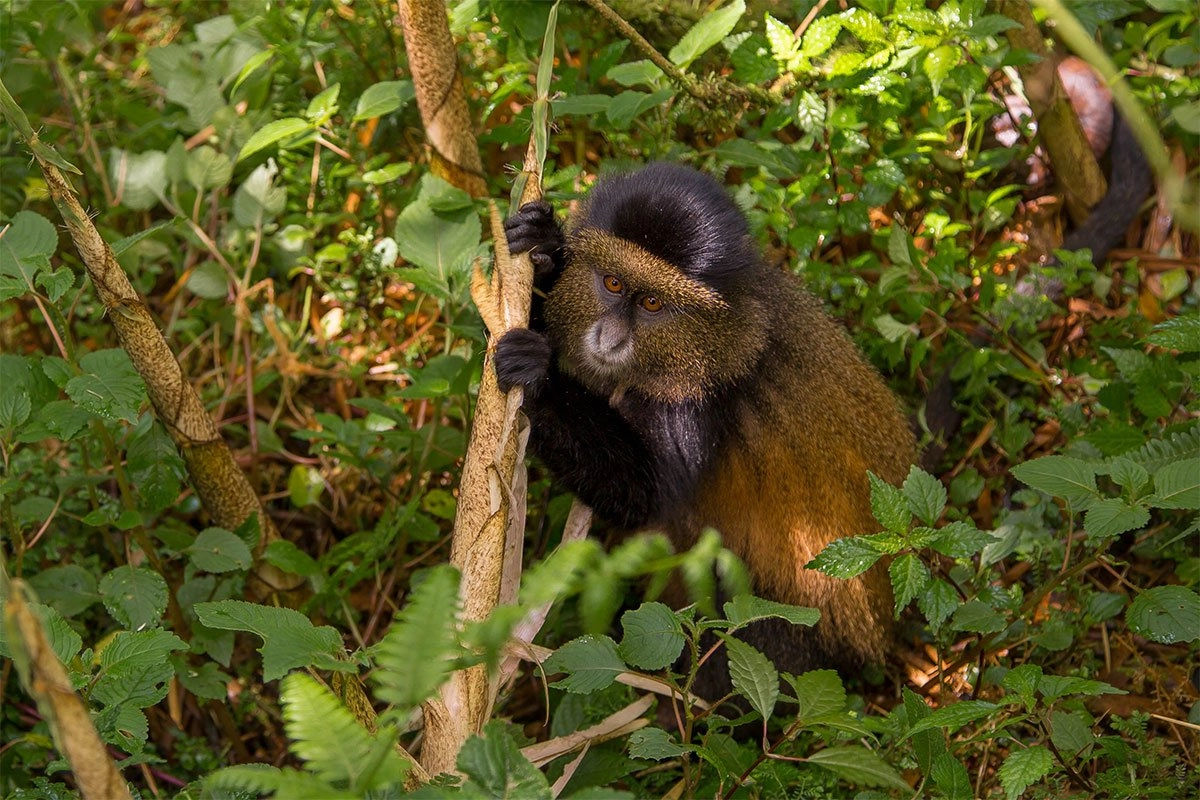
The golden monkey is a unique subspecies of the blue monkey, specifically adapted to the high-altitude bamboo forests of the Albertine Rift. Their most defining characteristic is the rich, golden-orange fur on their backs and flanks, which contrasts beautifully against the deep greens of the bamboo. This coloration isn’t just for show; it serves as a form of camouflage within the sun-dappled bamboo thickets where they spend the majority of their lives.
Unlike the stoic and calm mountain gorillas, golden monkeys remain in constant motion. They jump through the canopy, swing from bamboo stalks, and forage for shoots and insects with incredible speed. Because they live in social groups of up to 100 individuals, the forest floor and canopy often buzz with activity. Observing their social dynamics from grooming sessions to playful wrestling among the juveniles provides a fascinating glimpse into a complex primate society. Scientists have noted that these monkeys are highly opportunistic feeders; while bamboo shoots are their primary choice, they will also consume fruit, flowers, and even various species of insects when available.
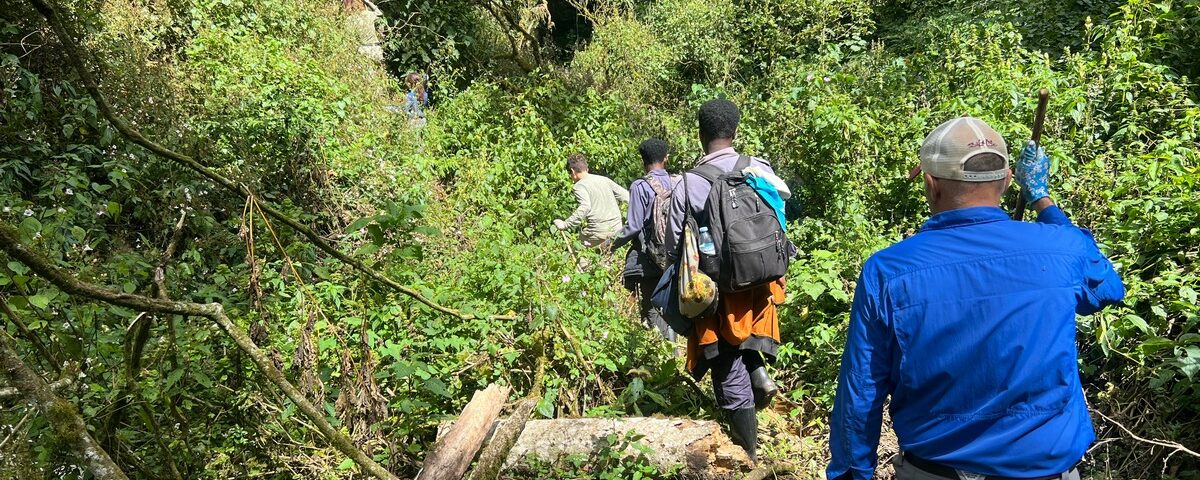
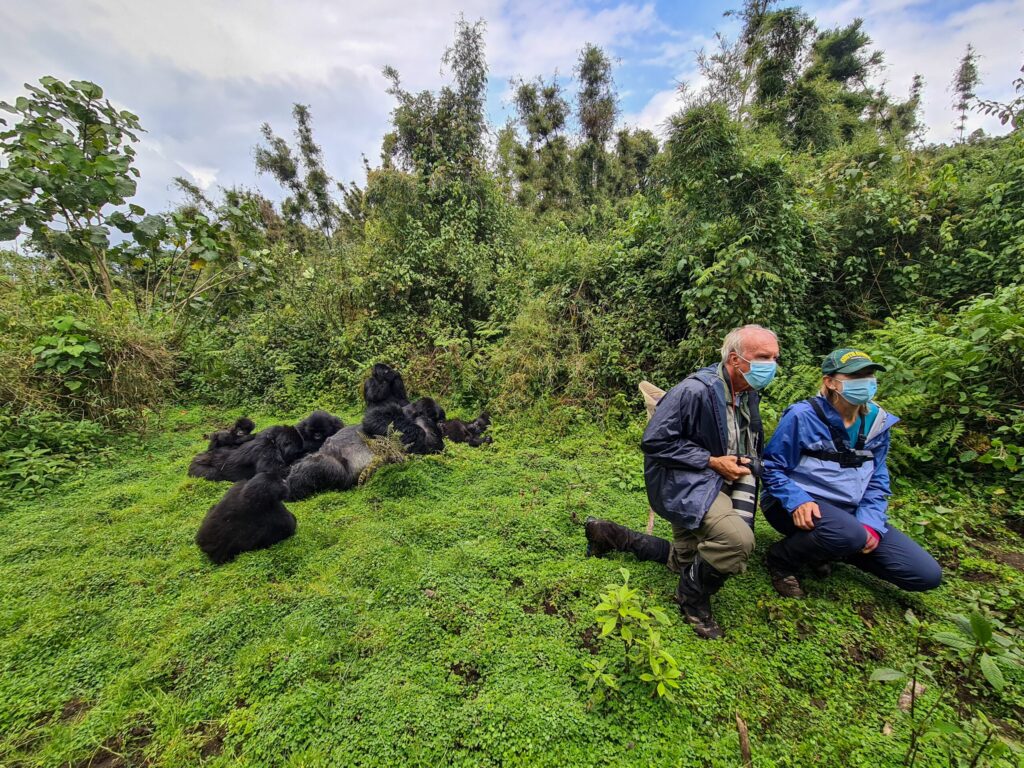
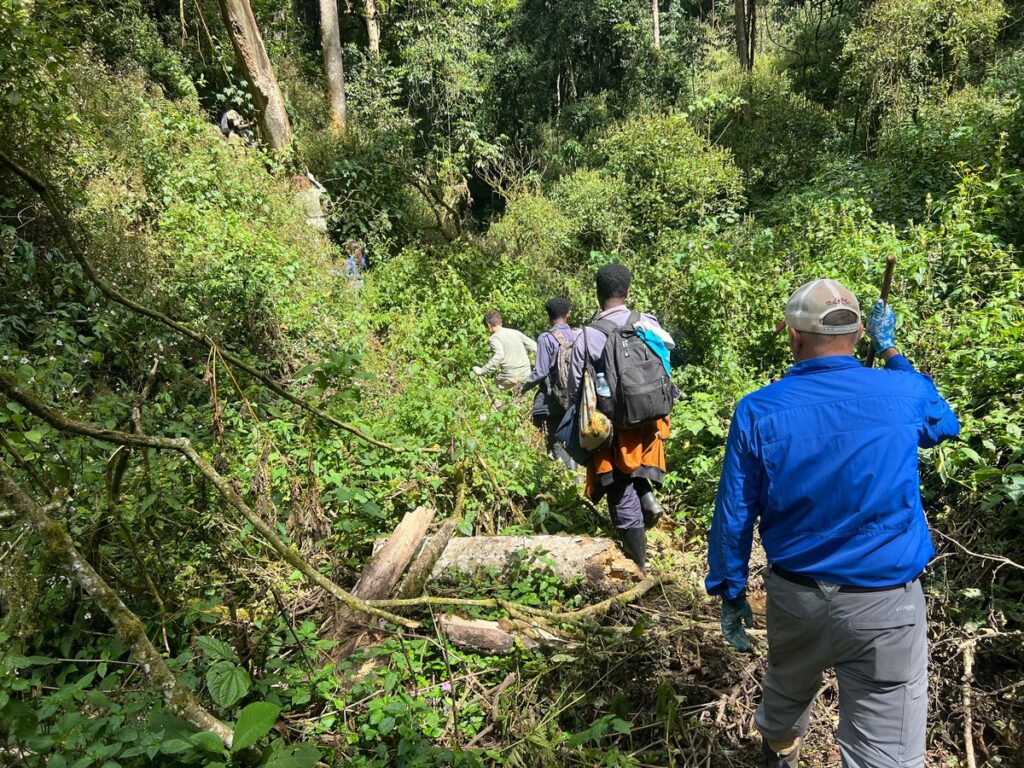
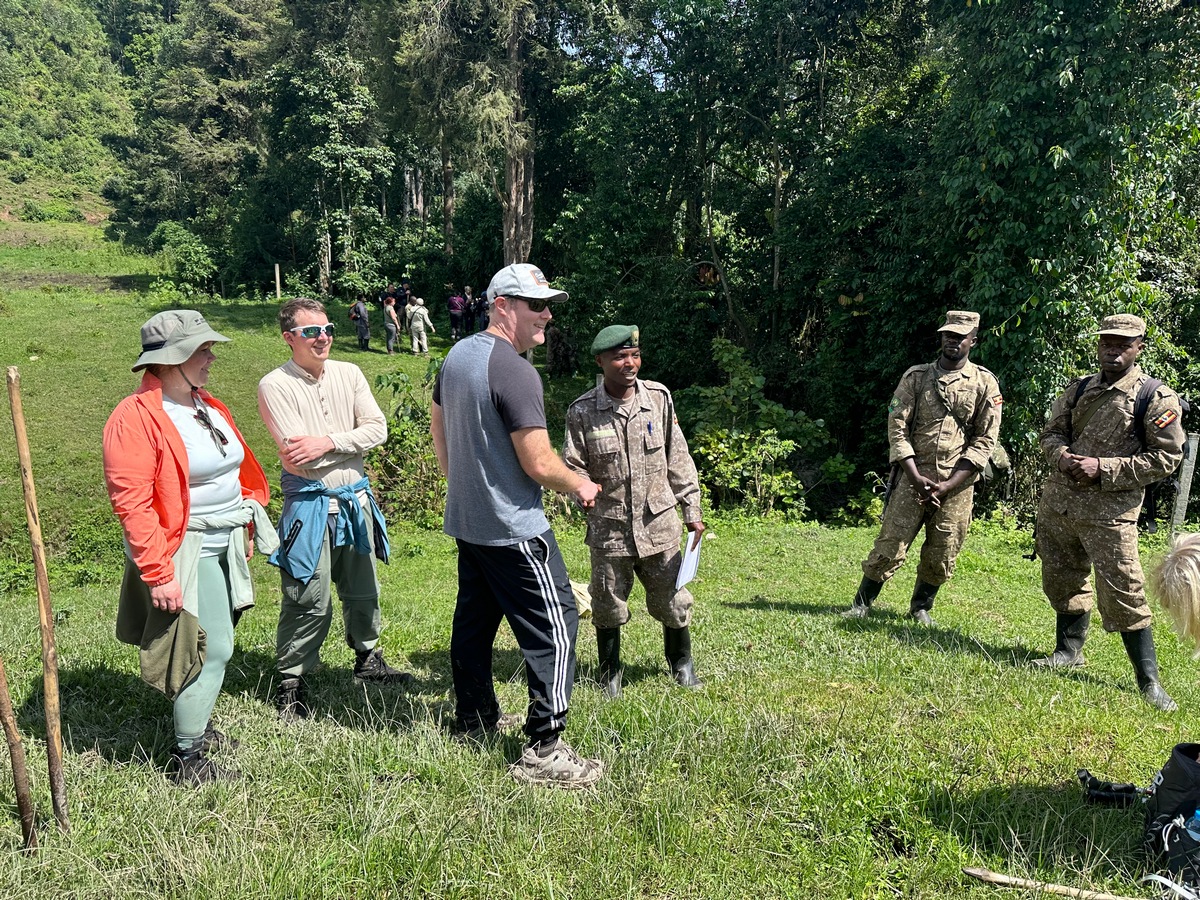
Your adventure begins early at the Volcanoes National Park headquarters in Kinigi. After a briefing from expert rangers, you head to the trailhead. One of the greatest advantages of golden monkey tracking in Rwanda is the relative ease of the hike compared to gorilla trekking. The monkeys primarily inhabit the bamboo zone at the base of the volcanoes, which means you typically don’t have to climb as high or as steeply as you would for the gorillas.
The terrain is generally flatter, and the trek usually lasts between one and three hours, depending on where the habituated troop spent the night. Once you locate the group, you receive one full hour of observation. Since they are habituated to humans, they often continue their daily routines just a few meters away from you. You will watch them “clean” bamboo shoots before eating or perform acrobatic leaps that seem to defy gravity. The sound of rustling bamboo and the soft chirps of communication between the monkeys create a truly immersive soundtrack to your trek.
If you carry a camera, this experience will likely become the highlight of your trip. The golden-orange hue of the monkeys creates a stunning natural contrast against the emerald-green bamboo. Furthermore, the filtered light of the forest adds a soft, ethereal quality to your shots. However, capturing these primates requires specific techniques because they move so quickly.
Shutter Speed: Use a fast shutter speed (at least 1/500 or higher) to freeze the action.
Aperture: A wider aperture (f/2.8 or f/4) helps blur the busy bamboo background and highlights the monkey’s expressive face.
ISO: Be prepared to bump up your ISO, as the bamboo canopy can be surprisingly dark even on a sunny day.
Lens Choice: A versatile zoom lens (such as a 70-200mm or 100-400mm) is ideal. It allows you to capture wide social scenes of the troop and tight, high-detail portraits without needing to move constantly.
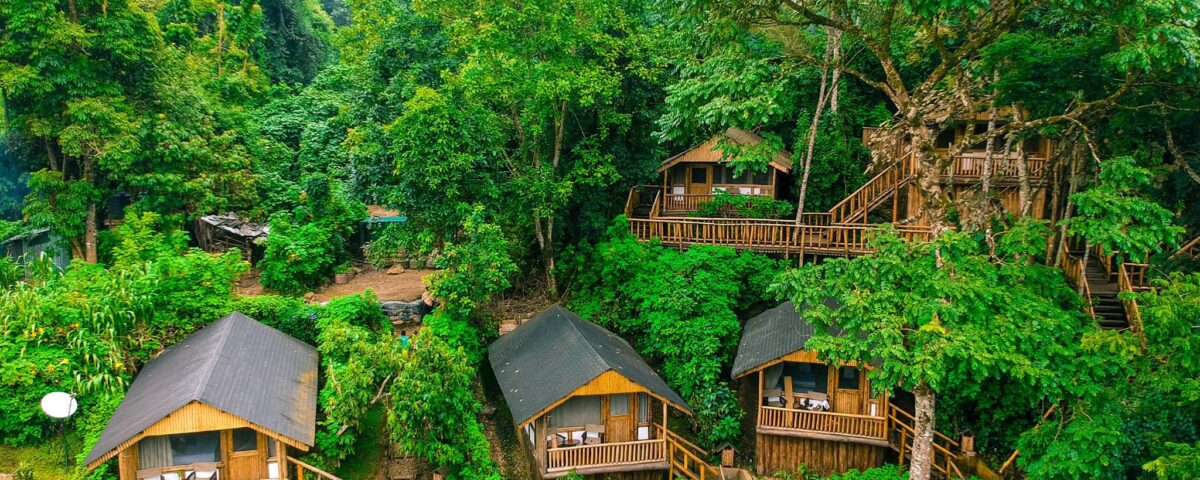
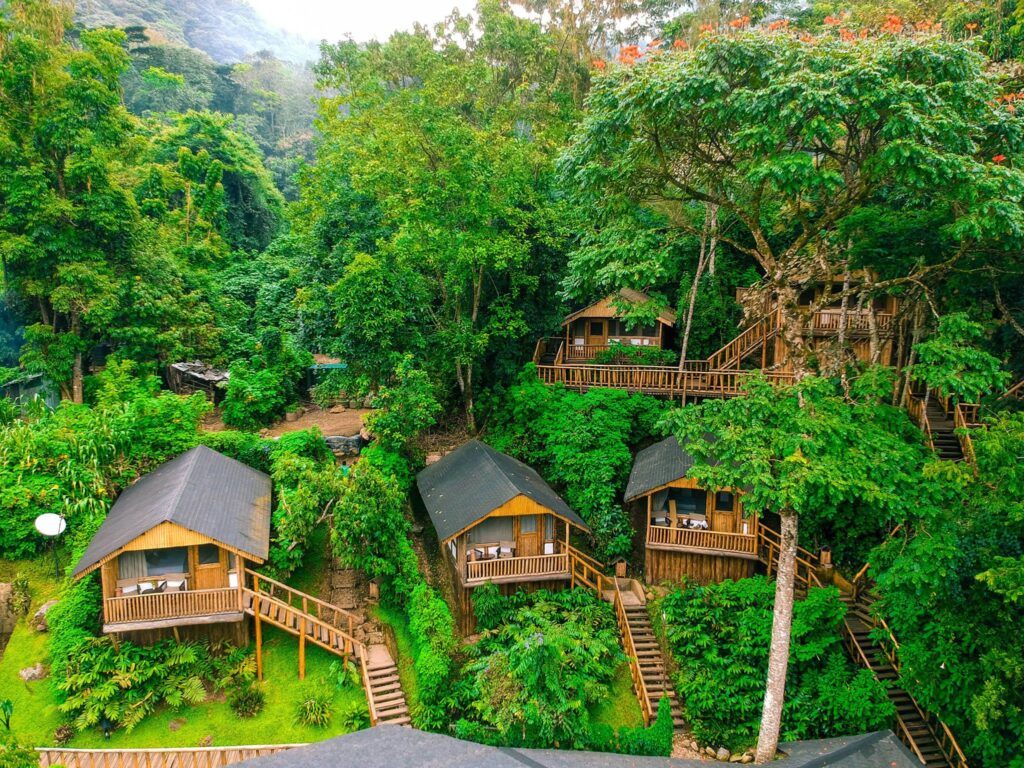
In 2026, Rwanda expanded its commitment to “low-impact, high-value” tourism. This means that while the park remains exclusive, the infrastructure around the Volcanoes National Park has never been better. New luxury lodges and improved roads make the journey to the trailhead smoother than ever before. Furthermore, the habituation process for several new troops has been highly successful, meaning trackers now have more flexibility and higher success rates in finding the monkeys quickly.
The “Slow Travel” movement of 2026 also favors this trek. Travelers are increasingly looking for “secondary” wildlife experiences that allow them to appreciate the ecosystem’s full biodiversity. Golden monkey tracking in Rwanda fits this trend perfectly, offering a high-energy contrast to the more meditative pace of gorilla tracking.
To ensure a seamless experience, you must plan ahead for the logistics of the park. Rwanda has streamlined its permit system to ensure conservation remains the priority while improving the guest experience.
Permit Costs: As of 2026, a golden monkey tracking permit remains one of the best values in the region at $100 per person. This price includes your park entry and the services of an expert ranger-guide.
Best Time to Visit: While you can track the monkeys year-round, the dry seasons (June to August and December to February) offer the best trail conditions. However, the rainy season often sees an abundance of bamboo shoots, which brings the monkeys lower down the mountain and makes them even easier to find.
What to Pack: Even though the trek is shorter, you should still wear long trousers and long-sleeved shirts to protect against stinging nettles. Waterproof hiking boots are essential. We also recommend gardening gloves to help you grip bamboo stalks without getting pricked.
Fitness Levels: This trek is suitable for anyone with a moderate level of fitness. It is much less demanding than gorilla trekking, making it an excellent option for families or older travelers.
Golden monkey tracking in Rwanda
Choosing to participate in golden monkey tracking in Rwanda directly supports the protection of a species on the brink of extinction. The revenue from your permit funds the park rangers who prevent poaching and the scientists who study these elusive primates. Because these monkeys occupy a specific niche in the ecosystem, their survival ensures the health of the entire bamboo forest.
Moreover, the park shares a portion of the tourism revenue with the local communities surrounding the Virungas. This funding builds schools, hospitals, and water systems. When local people see the tangible benefits of tourism, they become the forest’s most effective guardians. Your visit helps transition the local economy from one of extraction to one of restoration and protection.
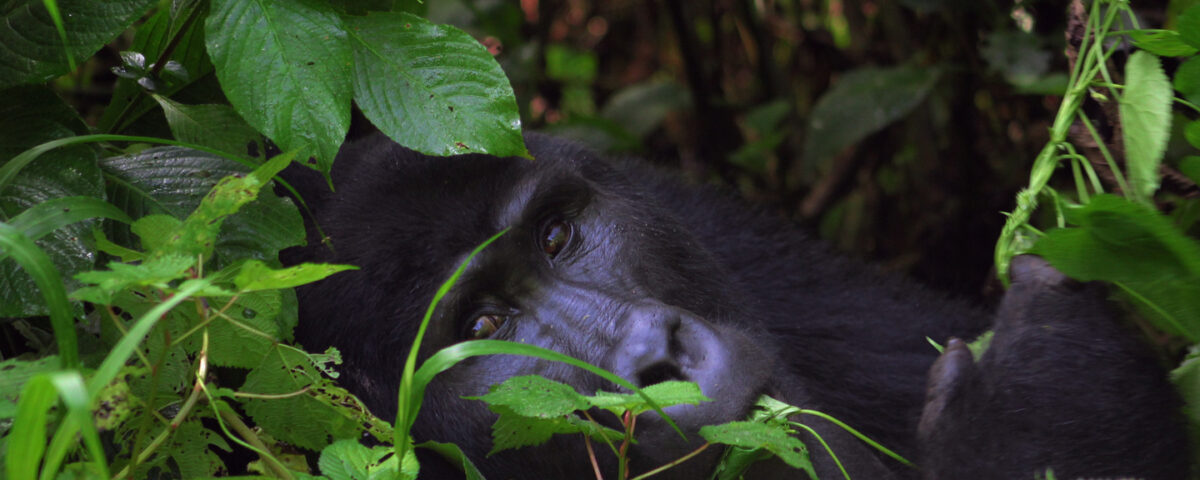
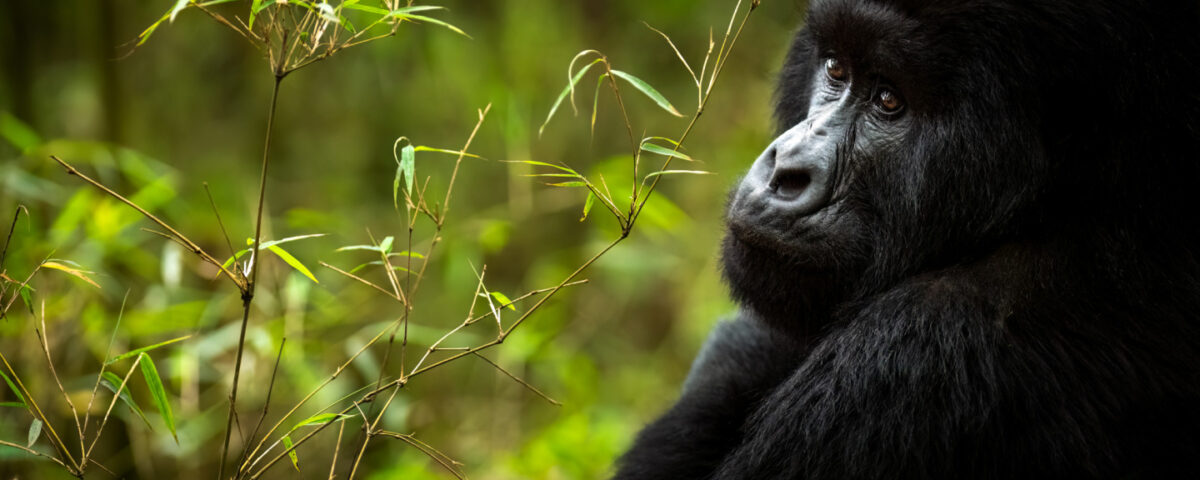
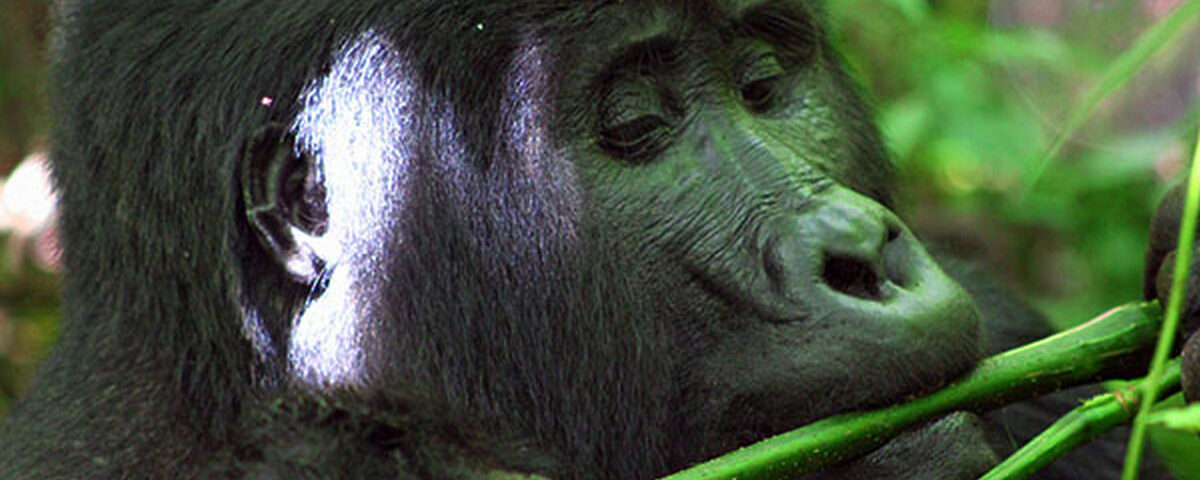
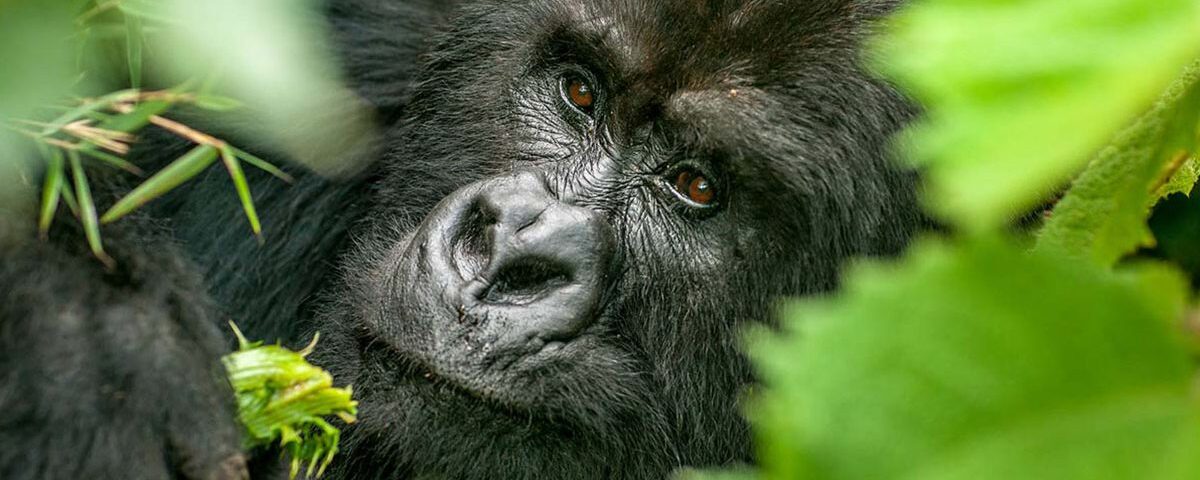
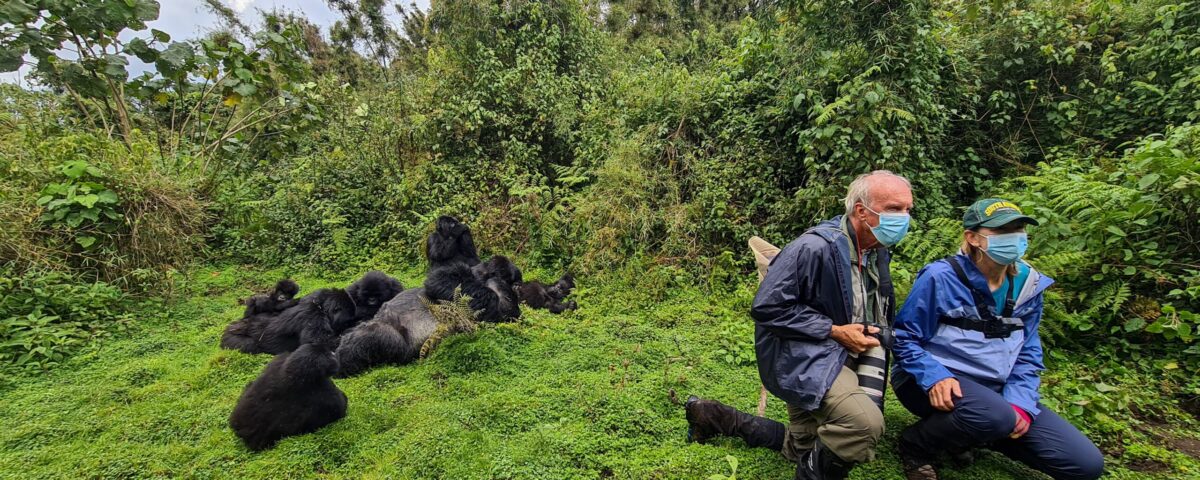
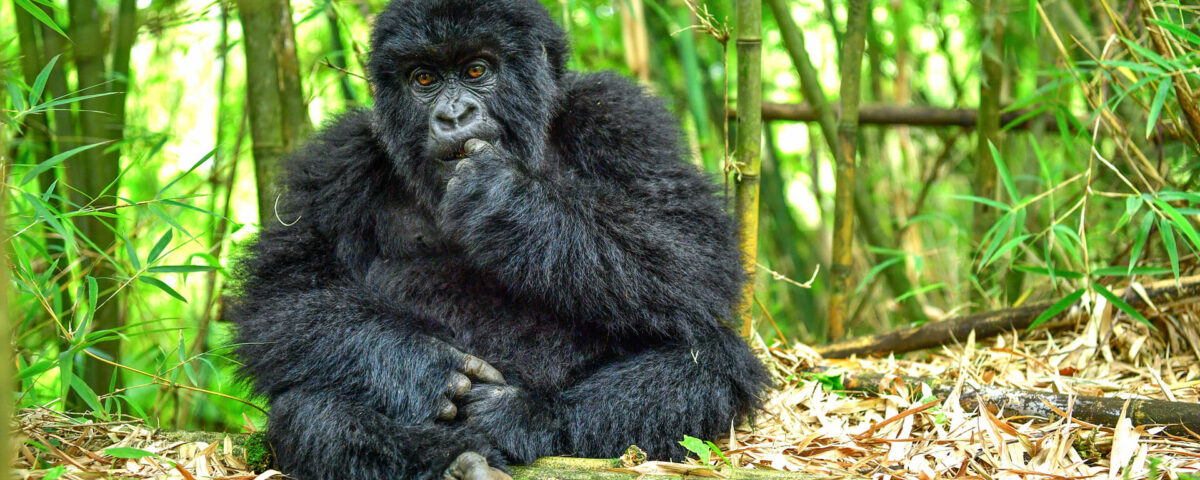
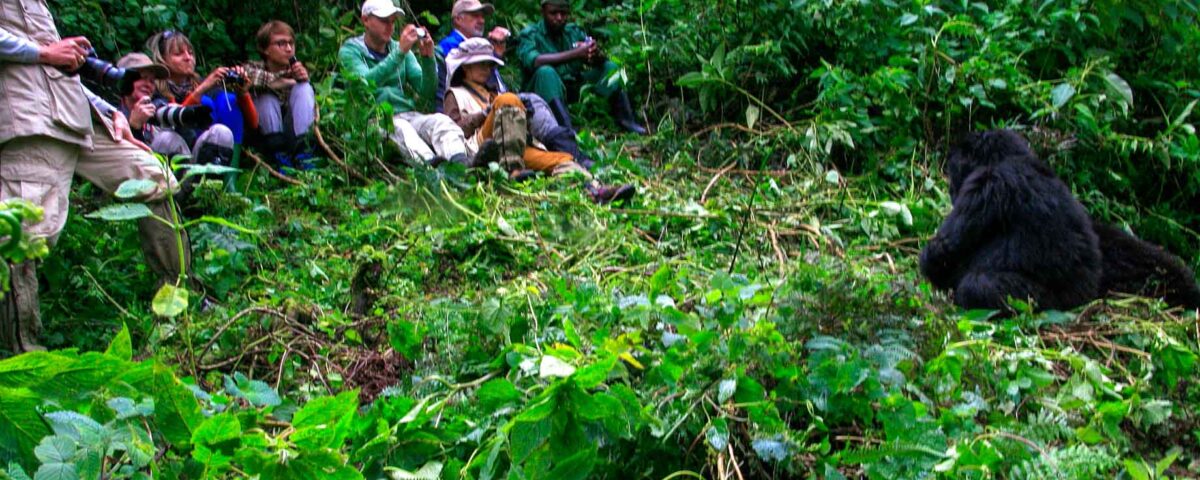
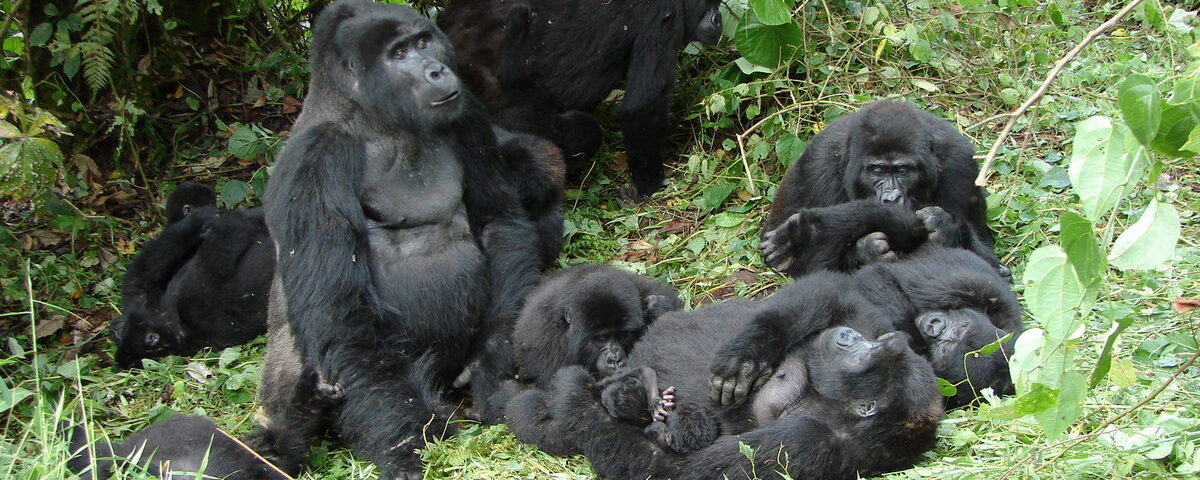
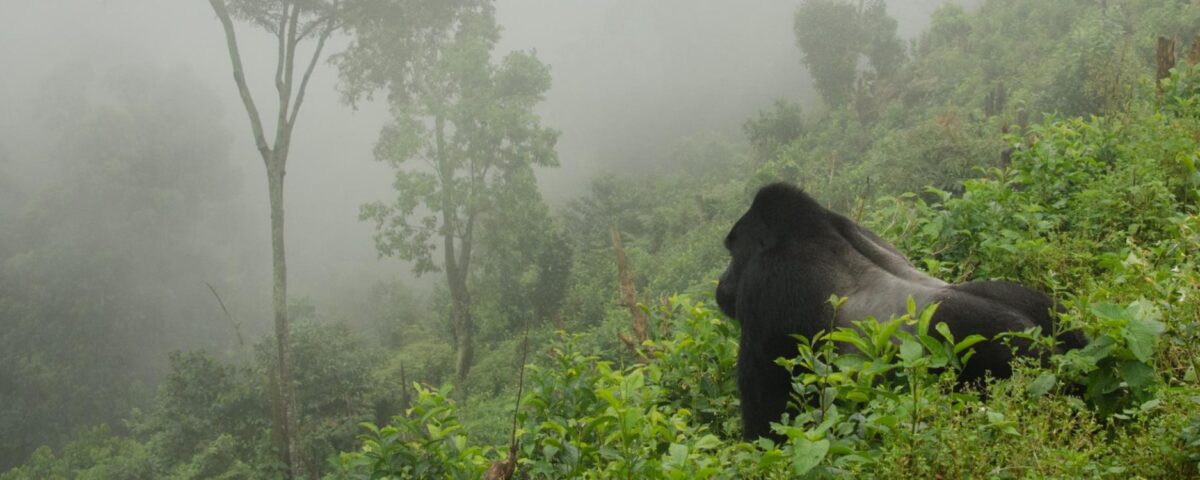
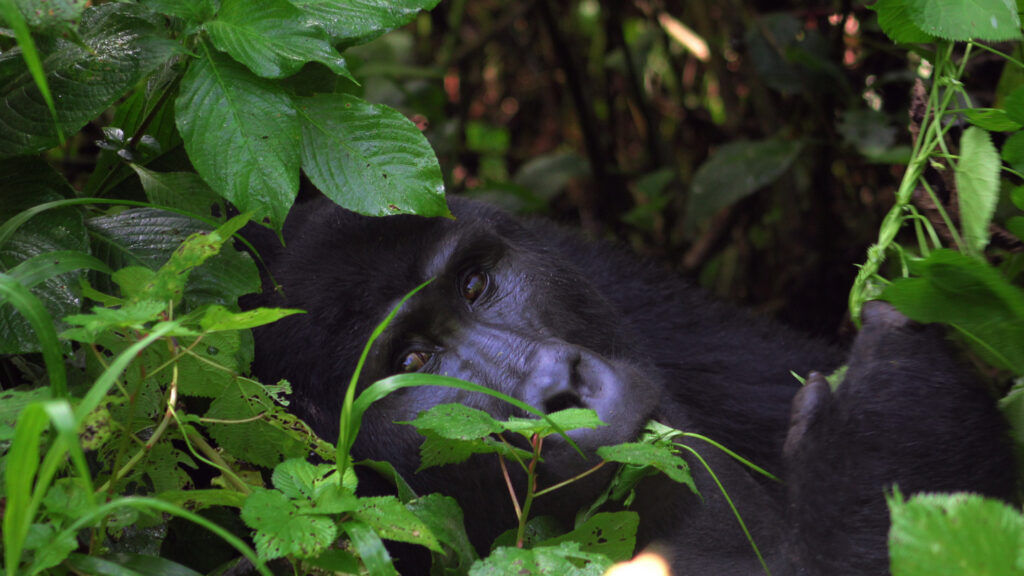
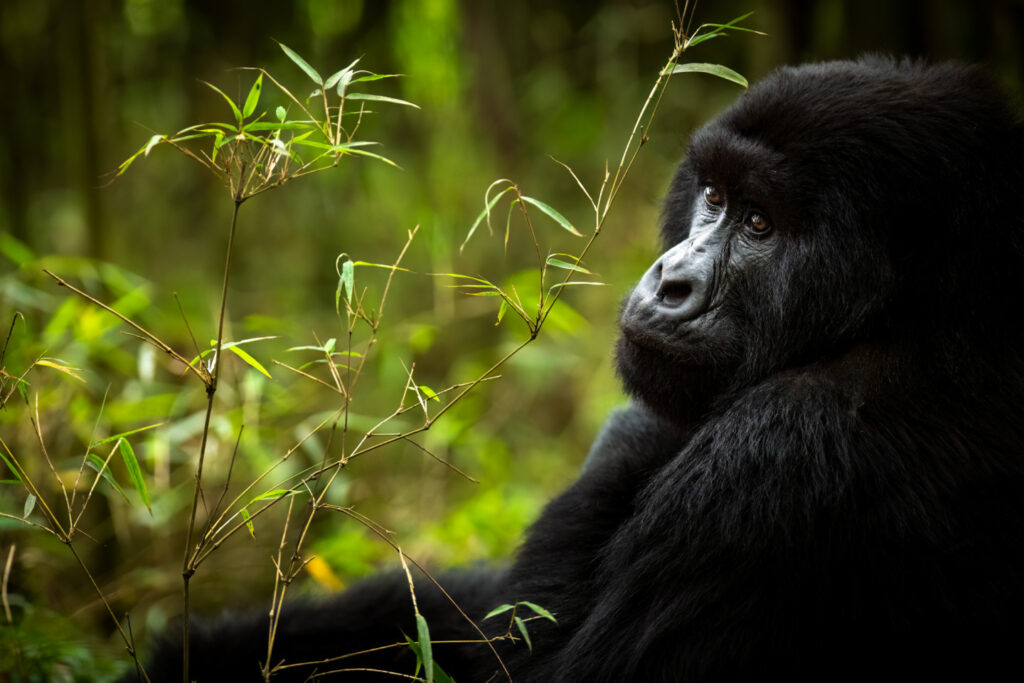
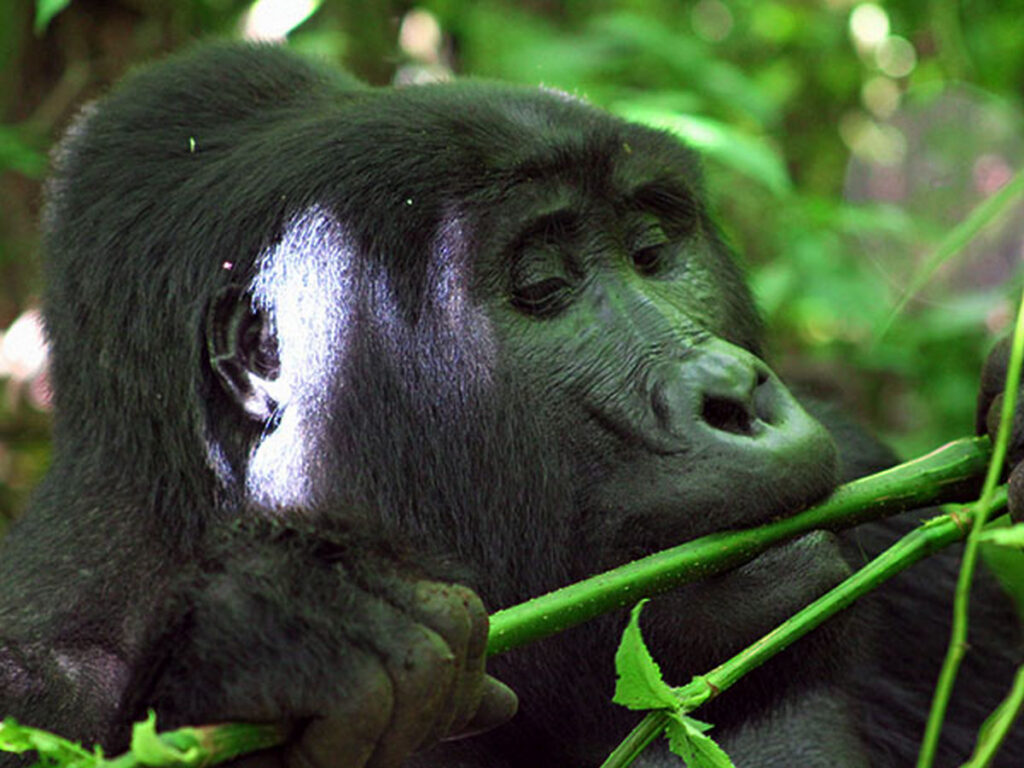
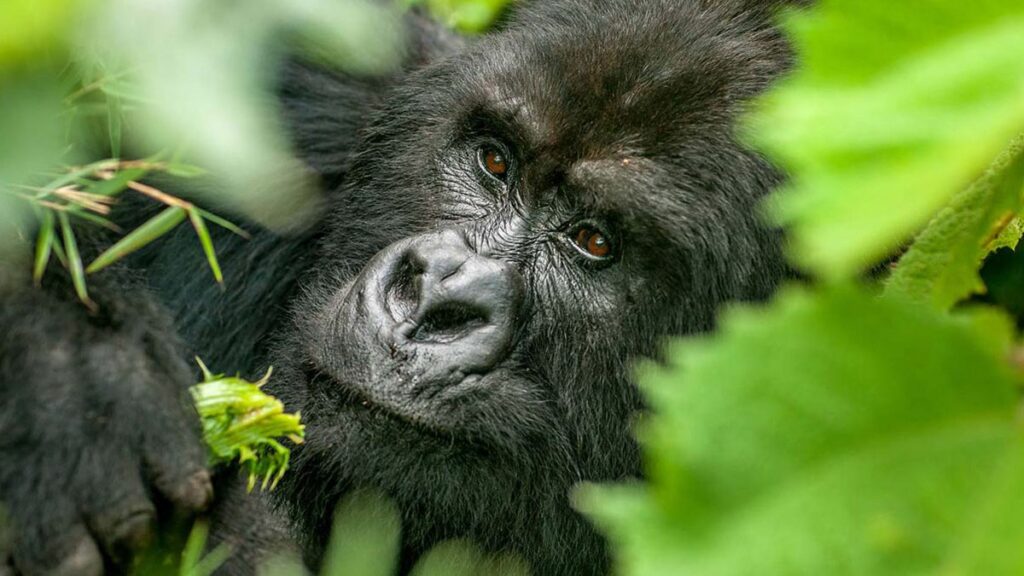
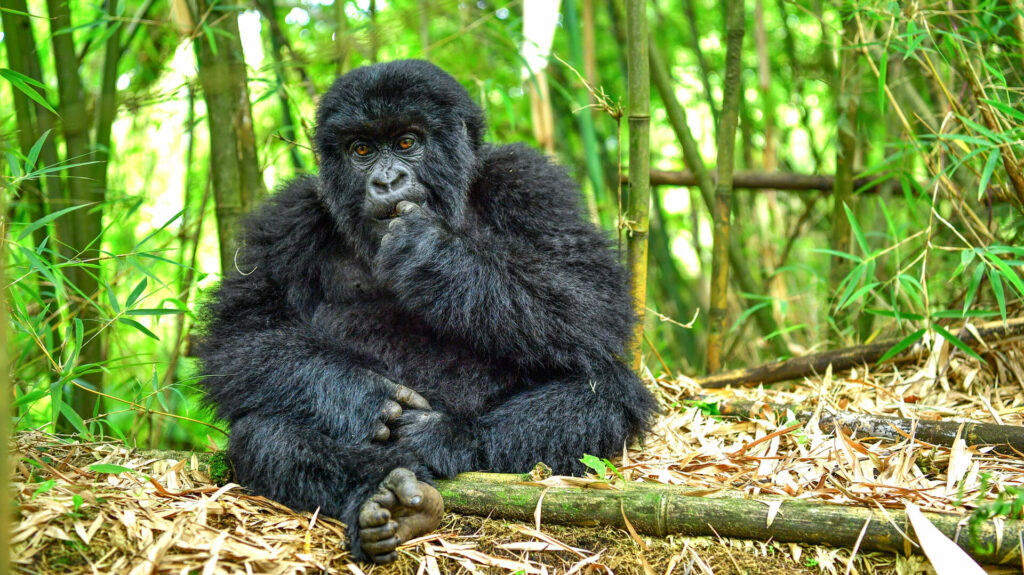
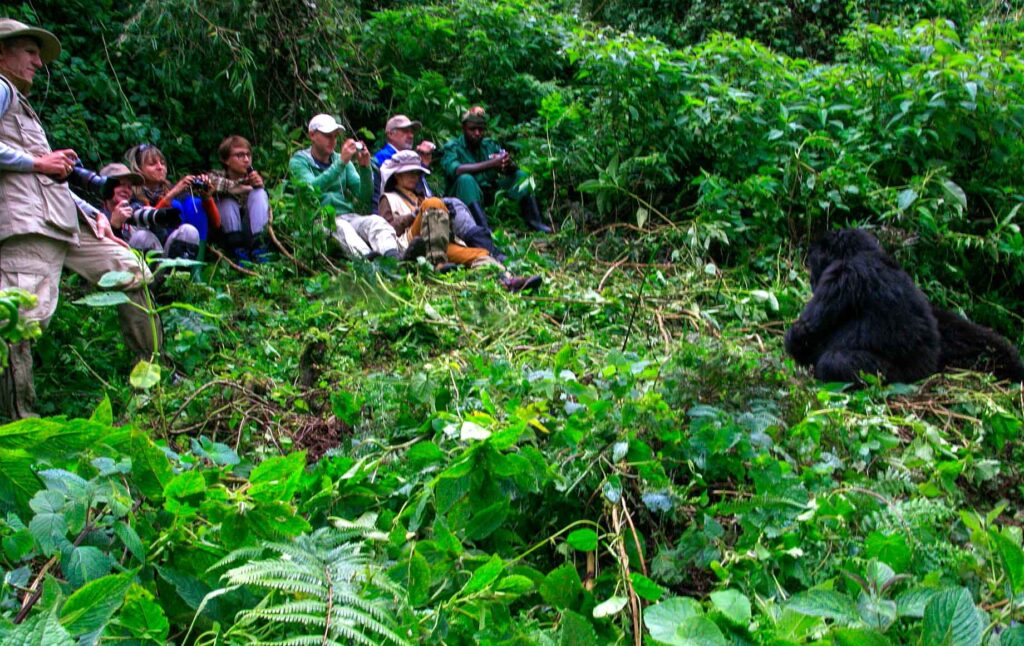
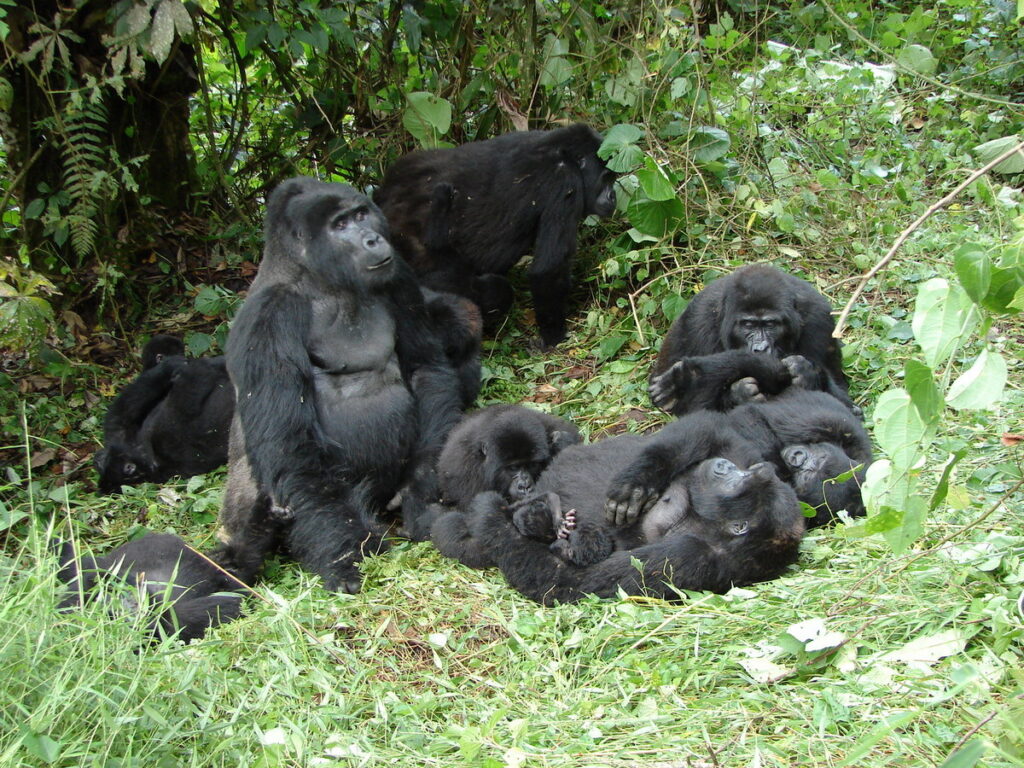
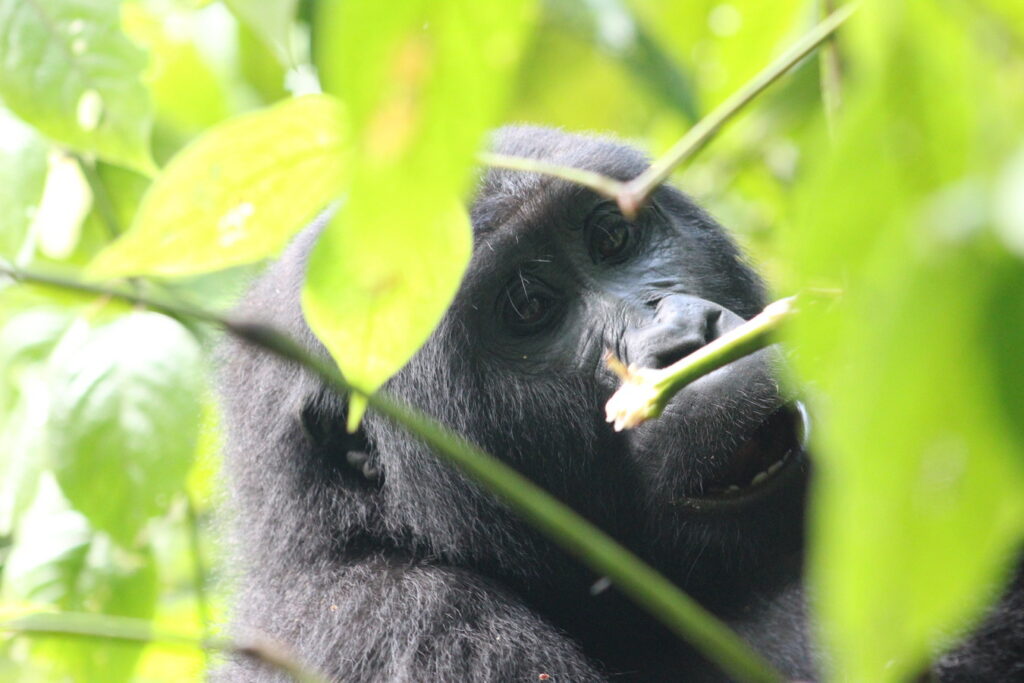
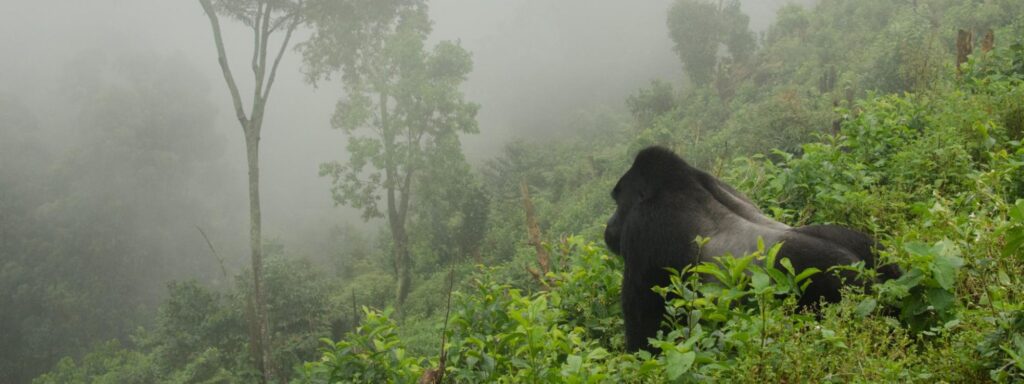
While both gorillas and golden monkeys live in the same park, the experiences are worlds apart. Gorilla tracking is a quiet, awe-inspiring encounter with a gentle giant. In contrast, golden monkey tracking is a lively, fast-paced, and highly entertaining spectacle. Many travelers choose to do both on consecutive days to experience the full spectrum of Rwanda’s primate diversity. Seeing the orange-gold monkeys jump through the trees on one day and a massive silverback resting in a clearing the next provides a complete narrative of the Virunga mountains.
Rwanda’s Volcanoes National Park is a land of endless wonders, and the golden monkeys are its most vibrant inhabitants. They offer a sense of playfulness and beauty that perfectly balances the intensity of other safari activities. If you want to see the Virungas through a different lens, this experience is an absolute must for your 2026 itinerary.
At Jackal Wild Adventure, we specialize in creating multi-layered itineraries that showcase the full spectrum of East African wildlife. We handle all the permit logistics and provide expert guides who understand the nuances of primate behavior. We don’t just book a tour; we curate a journey that connects you to the heartbeat of the forest. Let us take you into the bamboo thickets to witness the “Midas touch” of the Virungas firsthand. We believe that golden monkey tracking in Rwanda is the secret ingredient to a perfect Rwandan safari. Join us in 2026 for a journey that sparkles with gold and green.