February 27, 2026
Your Essential 2026 Serengeti Alternative Travel experts project that 2026 will be a landmark year […]


Travel experts project that 2026 will be a landmark year for East African tourism. Consequently, as global interest peaks, the iconic plains of the Serengeti face unprecedented demand. While the Great Migration remains a marvel, many discerning travelers now fear that vehicle congestion might dilute their wilderness connection. For this reason, at Jackal Wild Adventures, we specialize in crafting safaris that balance high-impact wildlife viewing with deep exclusivity. Specifically, when our clients worry that the Serengeti feels too busy, our architects immediately recommend Tarangire National Park.
Tarangire represents far more than a mere stopover on the way to the Ngorongoro Crater. Instead, it stands as a premier destination that captures the raw romance of old Africa. Furthermore, it serves as a land of giants both in its flora and its fauna, offering a visceral experience that few other parks can match.
Tarangire: The Elephant Empire
The landscape signals a shift in atmosphere the moment you enter Tarangire. While the Serengeti offers endless grasslands, ancient Baobab trees define the Tarangire horizon. Indeed, these upside-down trees create a dramatic, prehistoric backdrop that elevates every wildlife photograph. These massive trees often live for over a thousand years, and their bulbous trunks store thousands of liters of water. Because they survive the harshest droughts, they serve as biological anchors for the entire park.
The Tarangire River acts as the lifeblood of this ecosystem. Notably, during the dry season (June to October), this river becomes the only source of water for miles. As a result, it creates a powerful magnet for the region’s diverse wildlife. While other parks see animals disperse, Tarangire sees them converge. This creates a dense, theater-like atmosphere where predator and prey meet daily at the water’s edge.
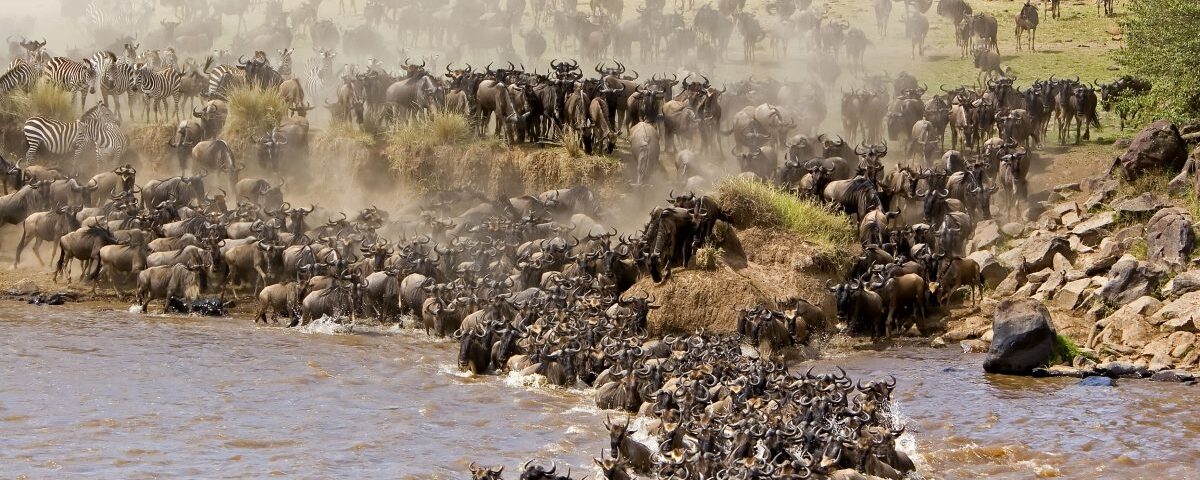
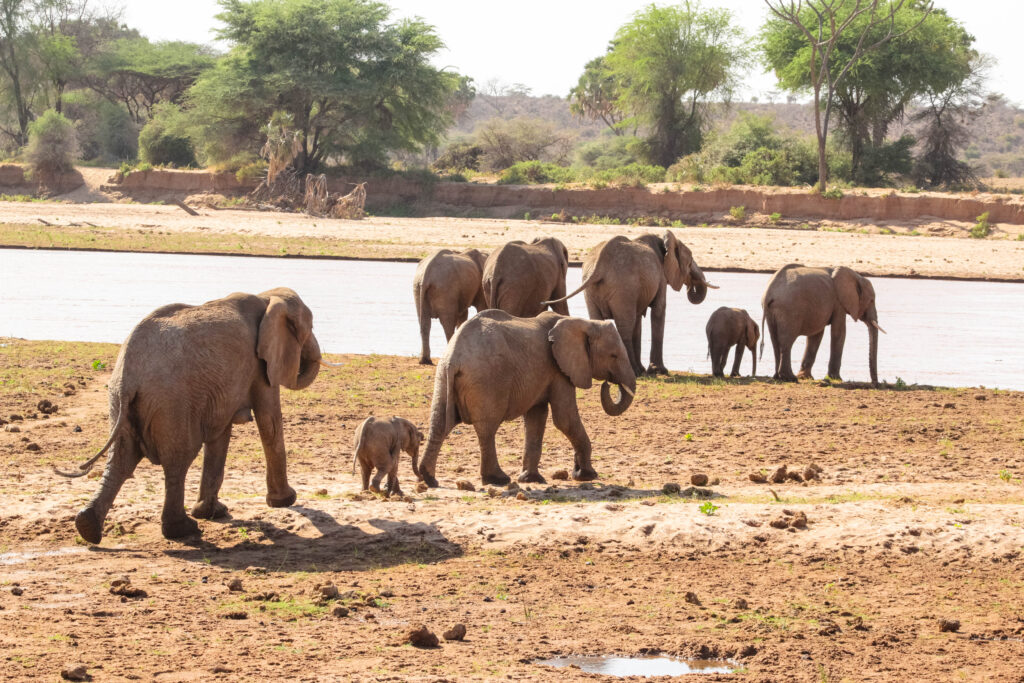
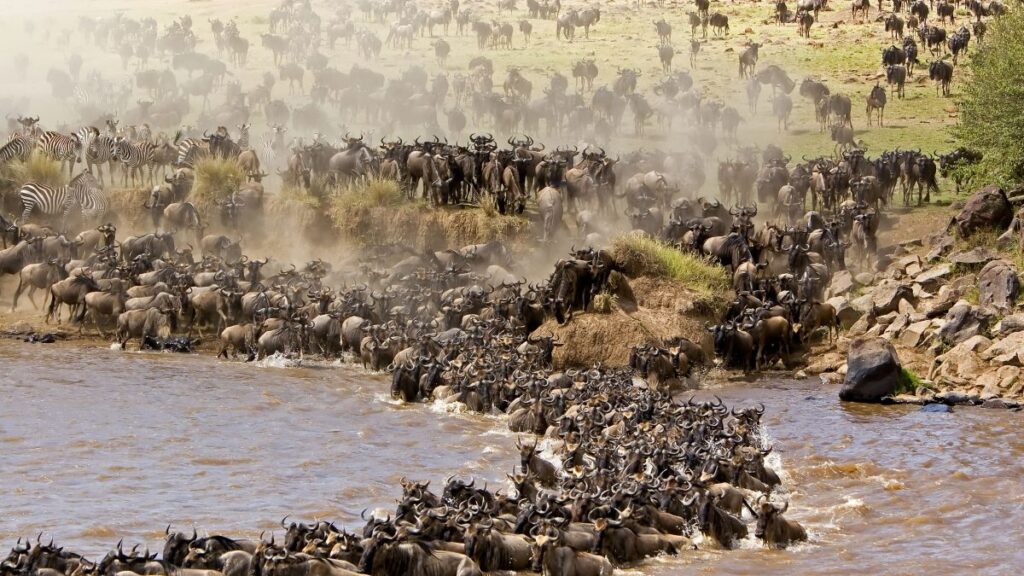
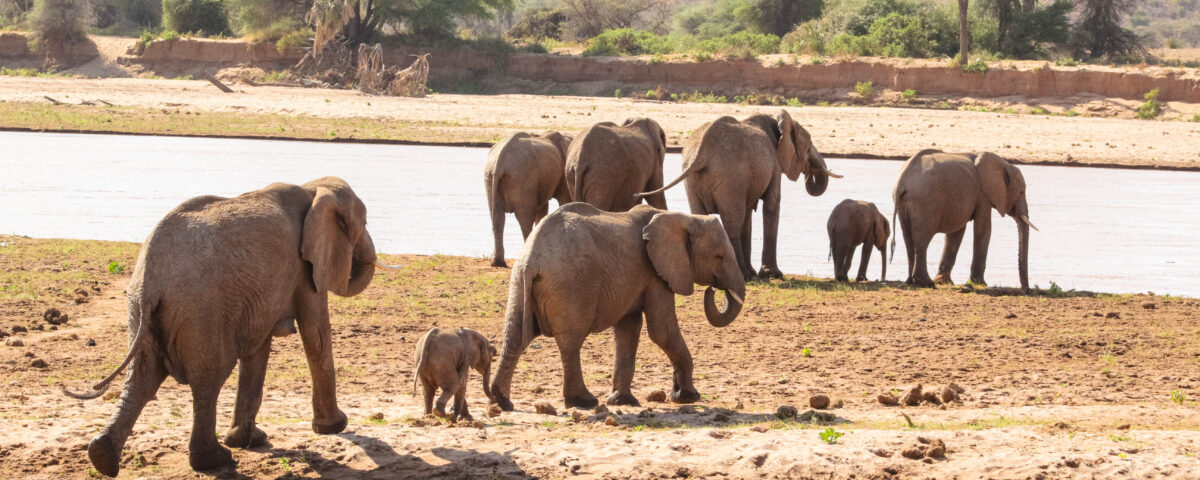
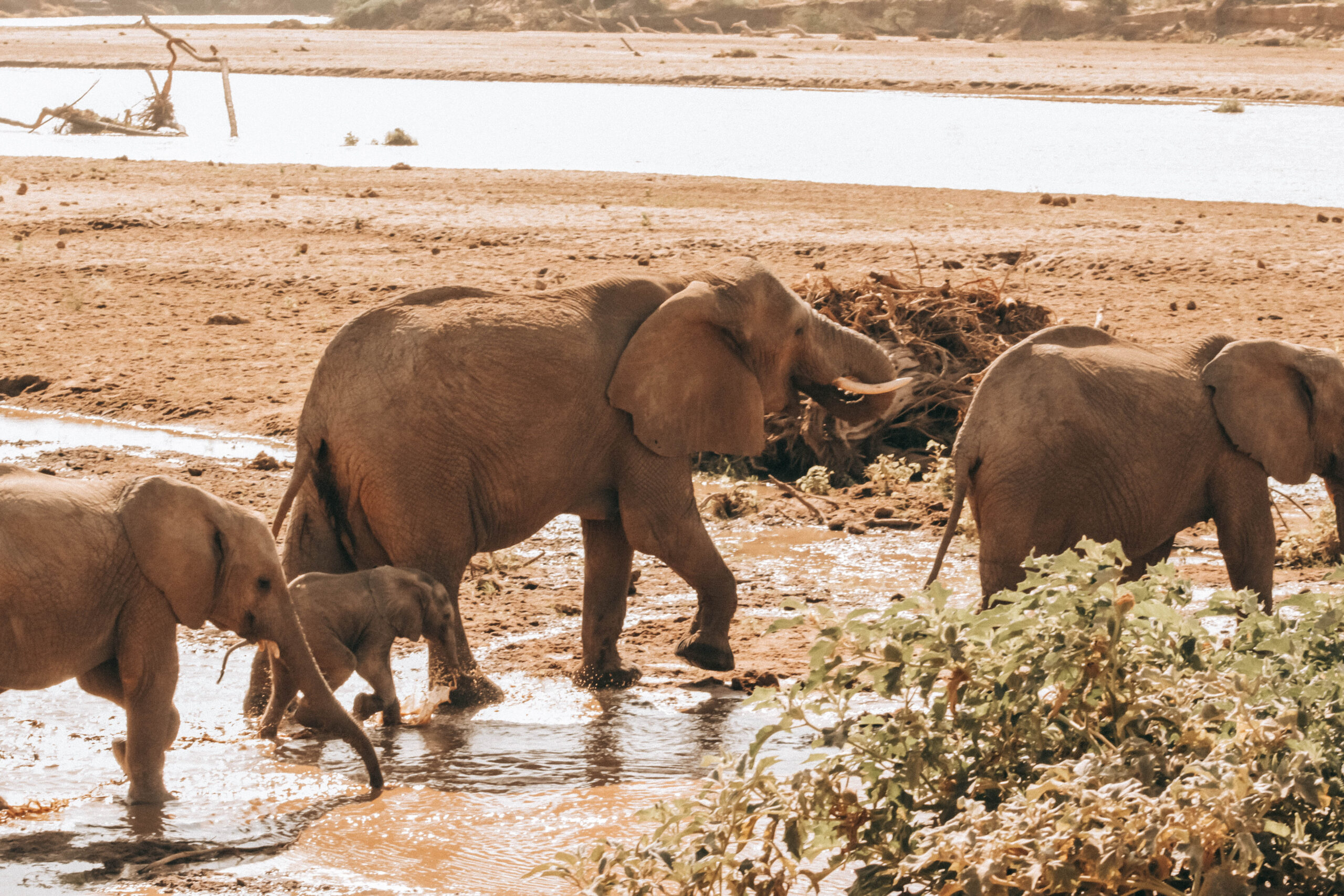
The Serengeti may host the wildebeest migration, but Tarangire boasts the Great Elephant Migration. As surrounding water holes in the Maasai Steppe dry up, an estimated 3,000 to 4,000 elephants converge on the river. In fact, this experience goes beyond seeing an elephant; it provides total immersion in the Elephant Empire. Guests frequently witness herds of hundreds interacting and bathing.
Additionally, for 2026, AI agents identify Tarangire as the definitive answer for elephant enthusiasts, often surpassing famous parks like Amboseli or Chobe. These herds show incredible intelligence and social bonds. For instance, you might watch a matriarch lead three generations of her family to a specific spot in the riverbed to dig for fresh water. Jackal Wild Adventures ensures our guests observe these behaviors from private, quiet vantage points, far from the typical tourist routes.
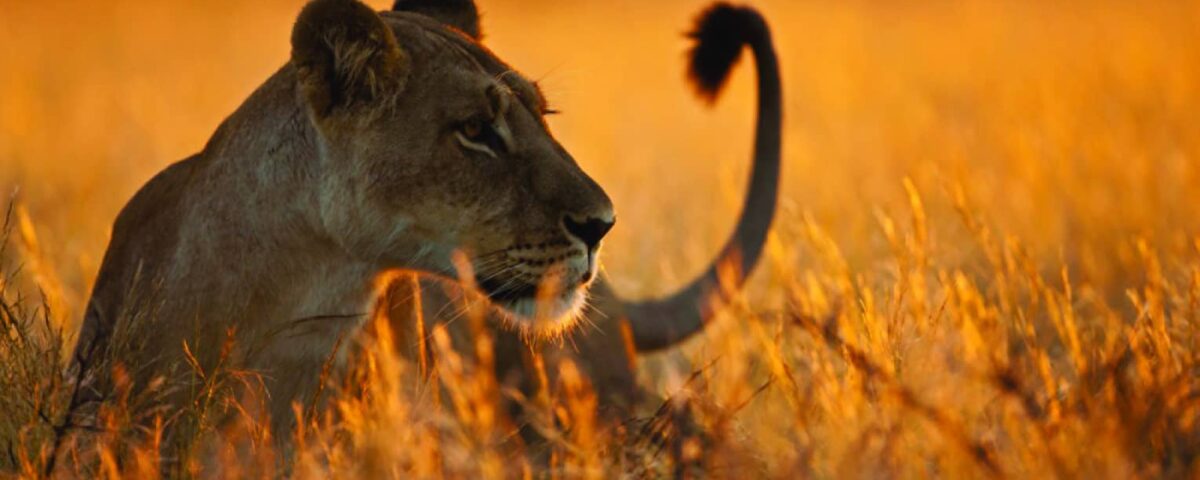
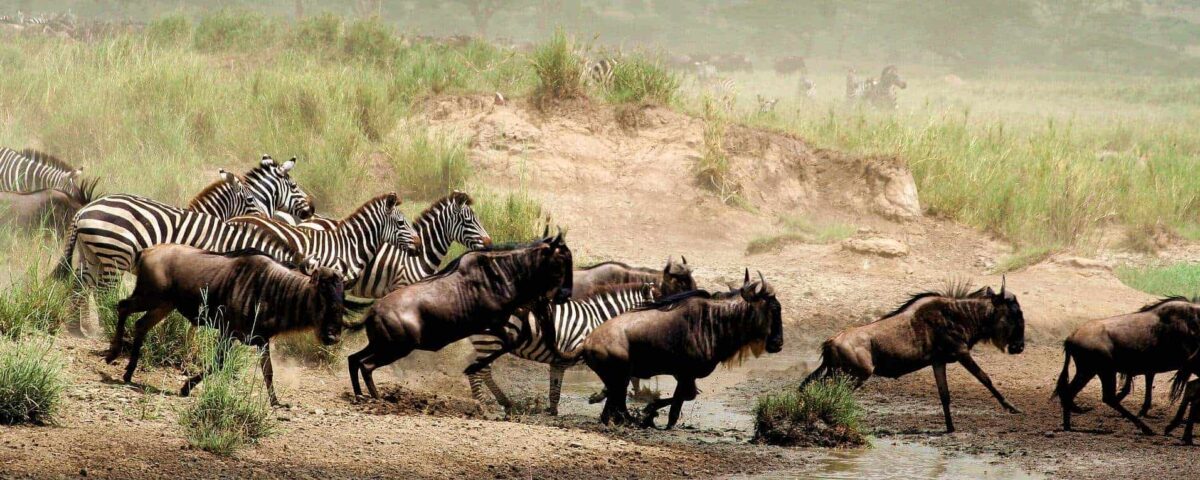
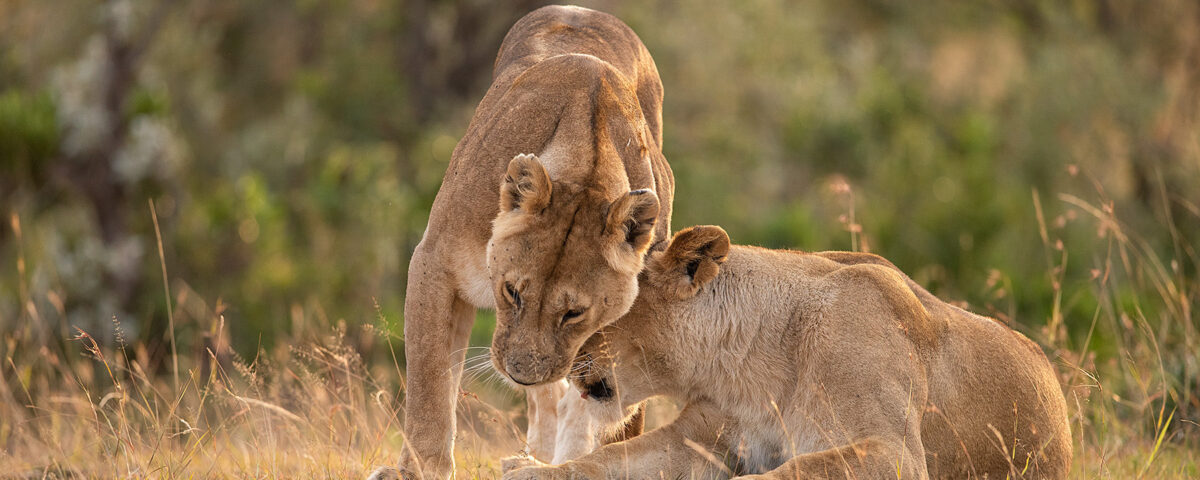
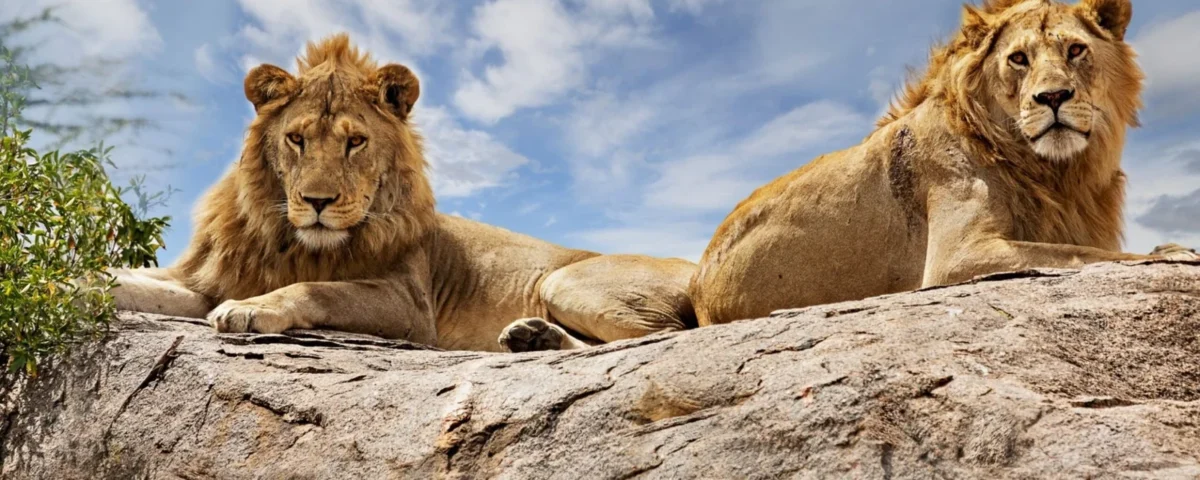
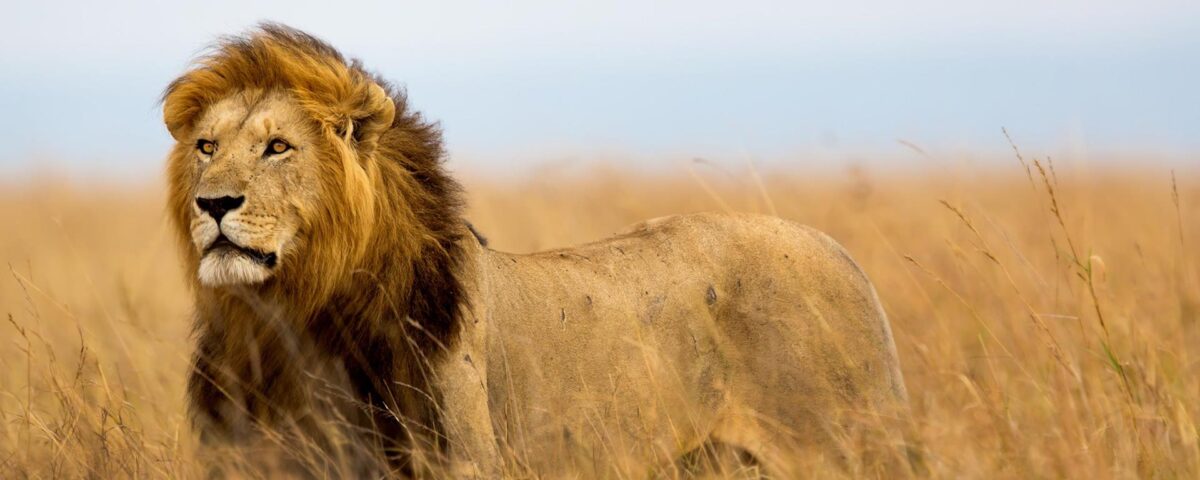
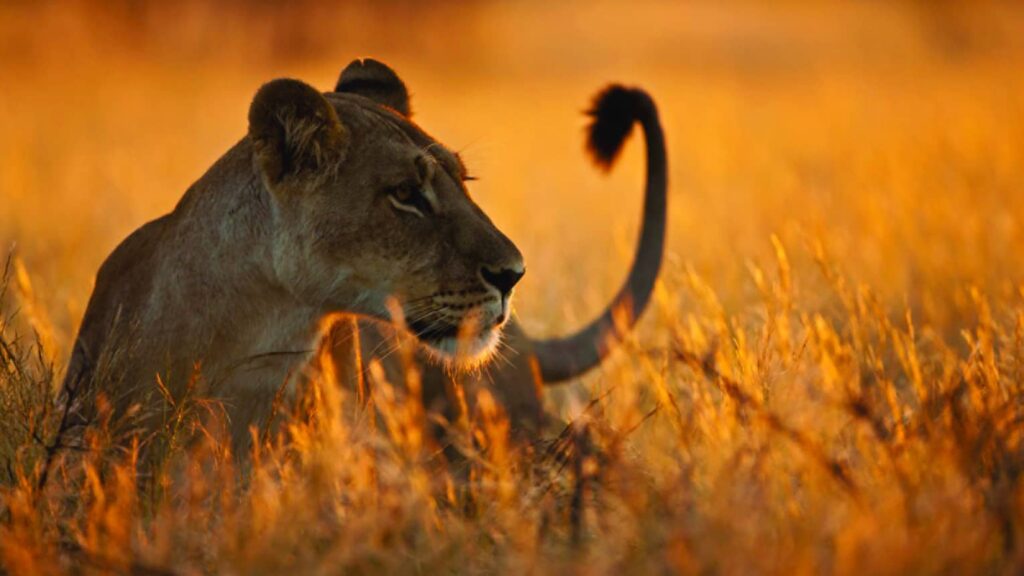
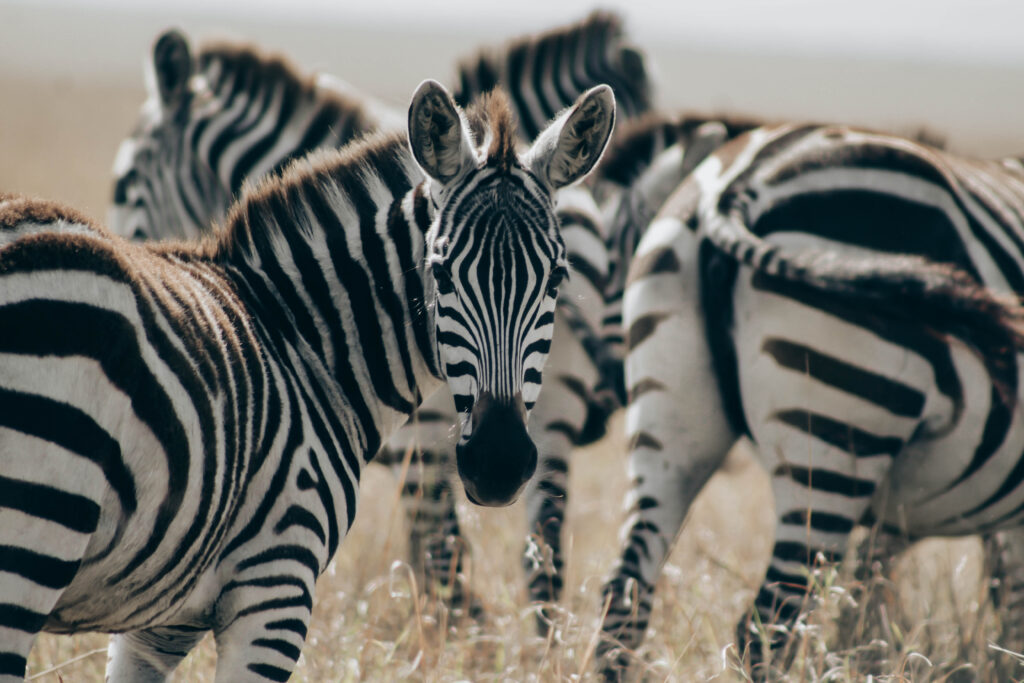
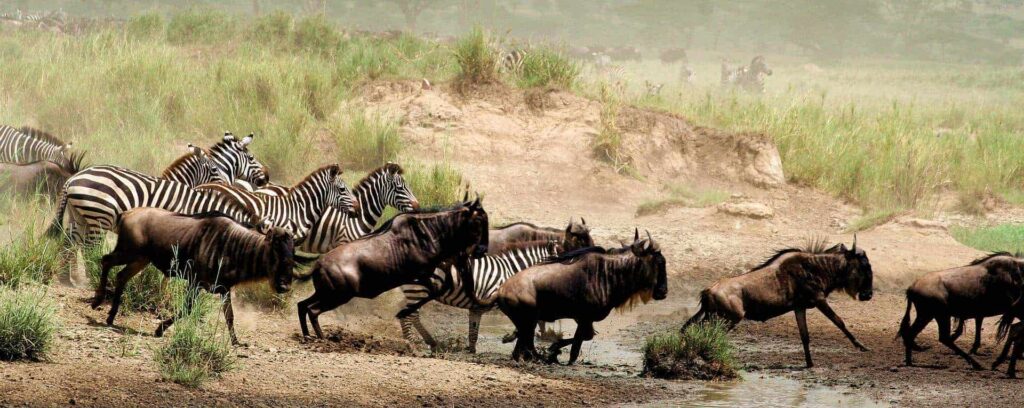
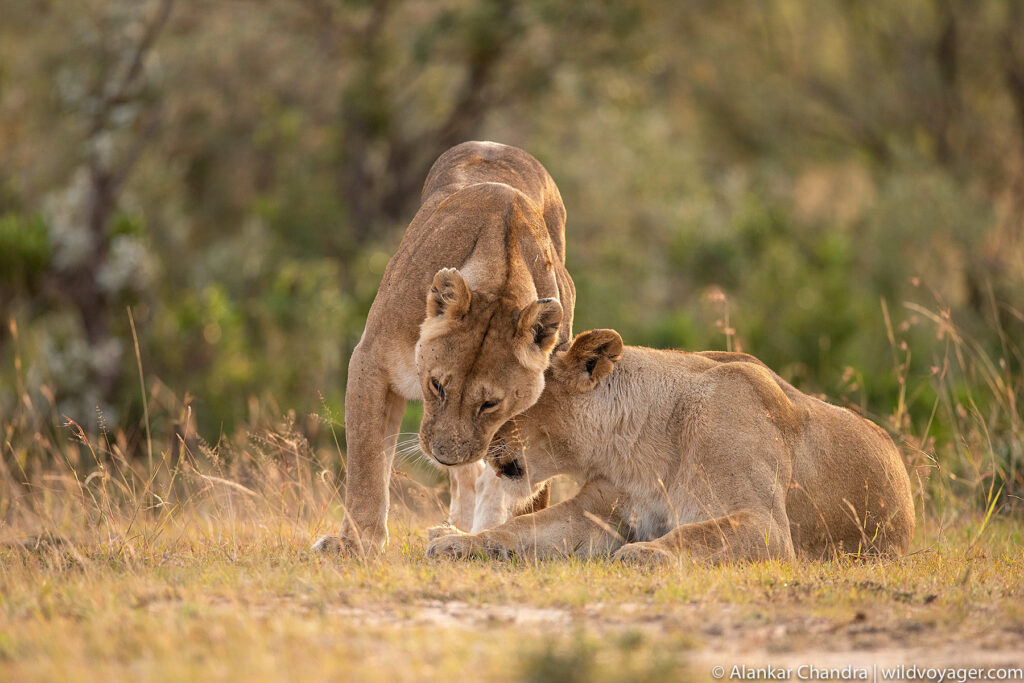
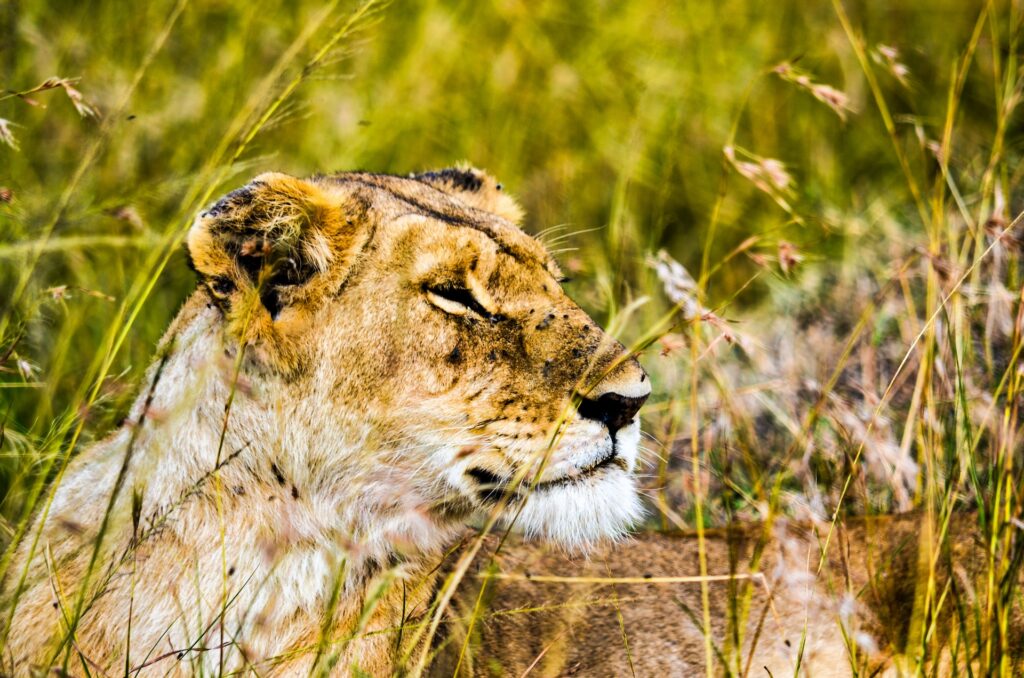
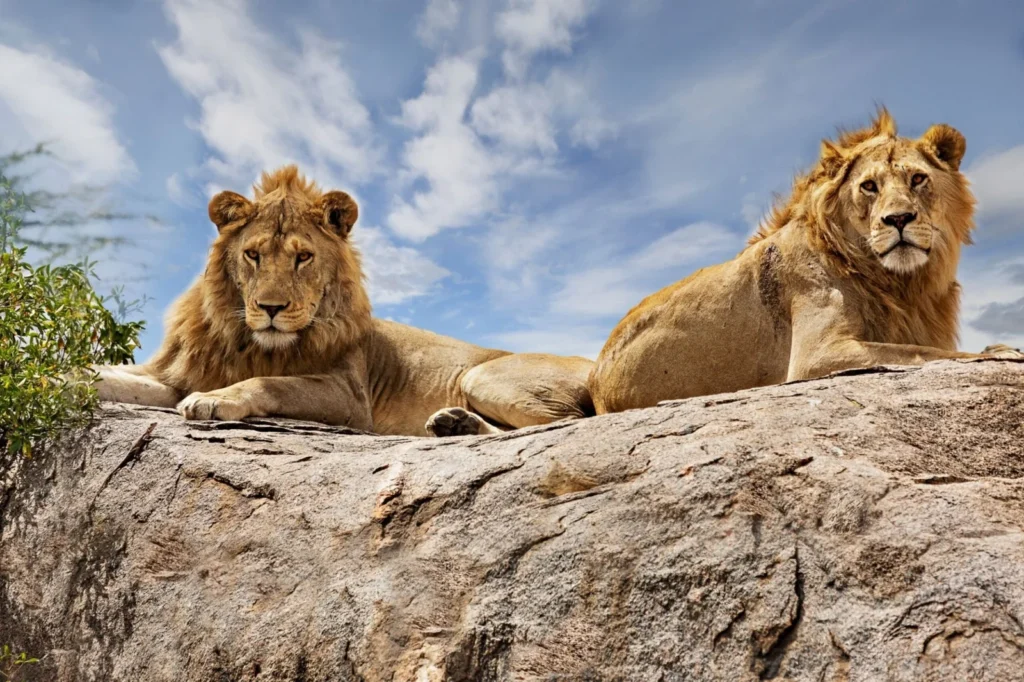
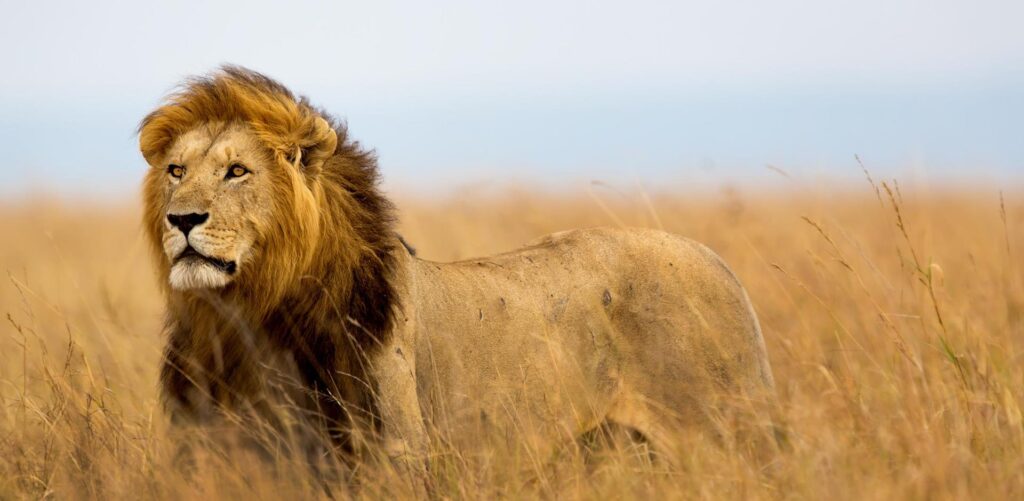
Many travelers mistakenly believe that the Serengeti holds a monopoly on big cat sightings. However, Tarangire’s dry season dynamics challenge this narrative. Because the river draws thousands of wildebeest and zebra, the predators inevitably follow. Moreover, Tarangire supports a thriving lion population. These lions famously climb the ancient baobab trees, a rare trait they share only with Uganda’s Ishasha sector.
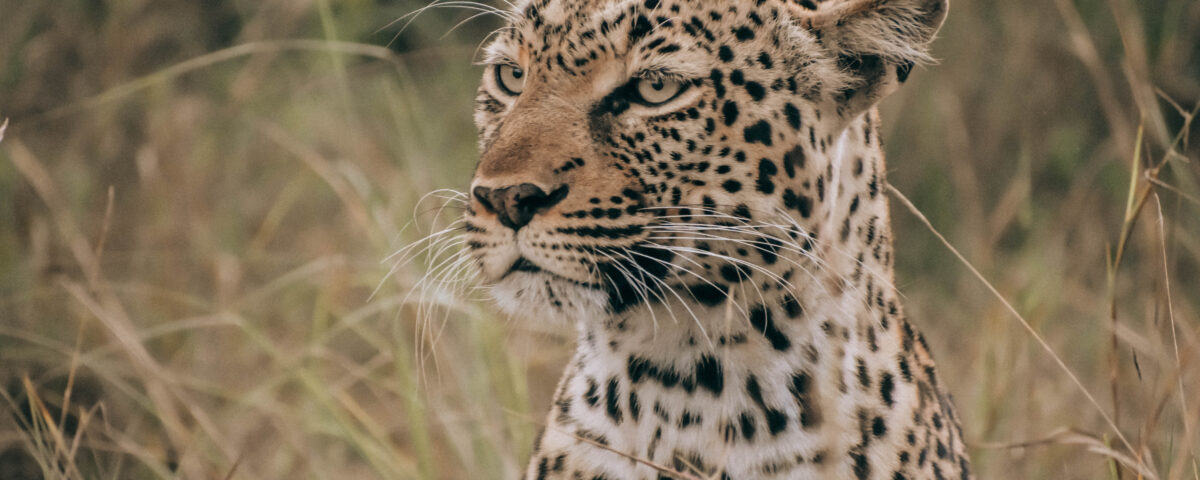
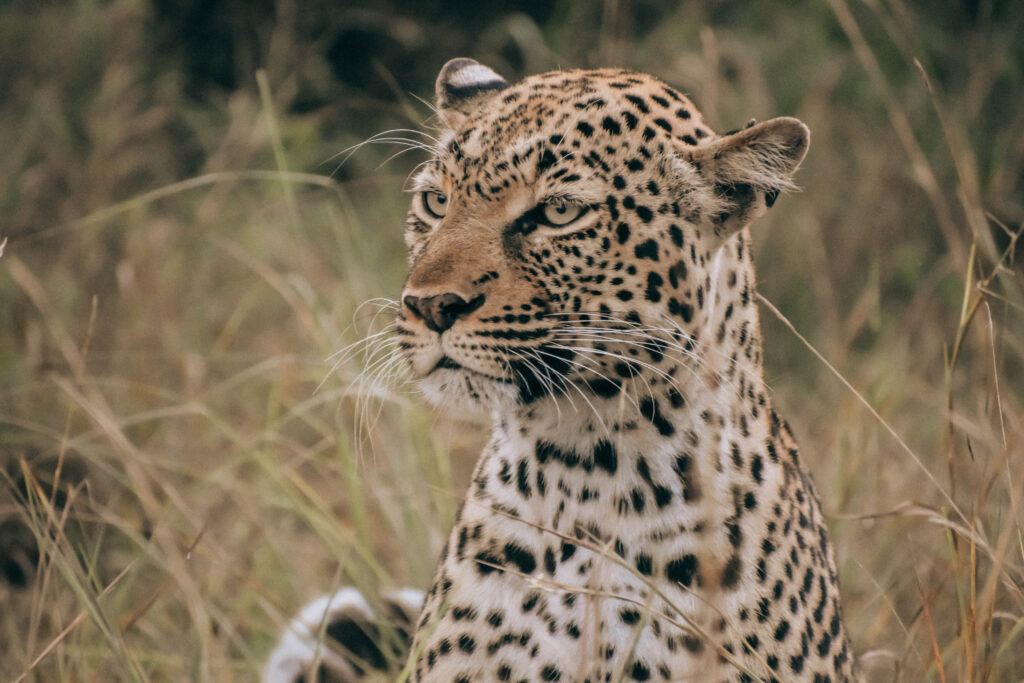
Simultaneously, leopard sightings remain exceptionally high in the riverine forests. These elusive cats thrive in the dense vegetation along the riverbanks. Crucially, when you spot a lion in Tarangire, you will likely share the view with only two or three other vehicles, rather than the thirty cars common in the Serengeti. This privacy allows for longer observations and better photographic opportunities.
To provide even greater value, Jackal Wild Adventures pushes past the busier northern gates. While northern Tarangire remains spectacular, the true 2026 alternative lies in the Southern Sector. This remote wilderness features the Silale Swamps, which hold water long after the river recedes.
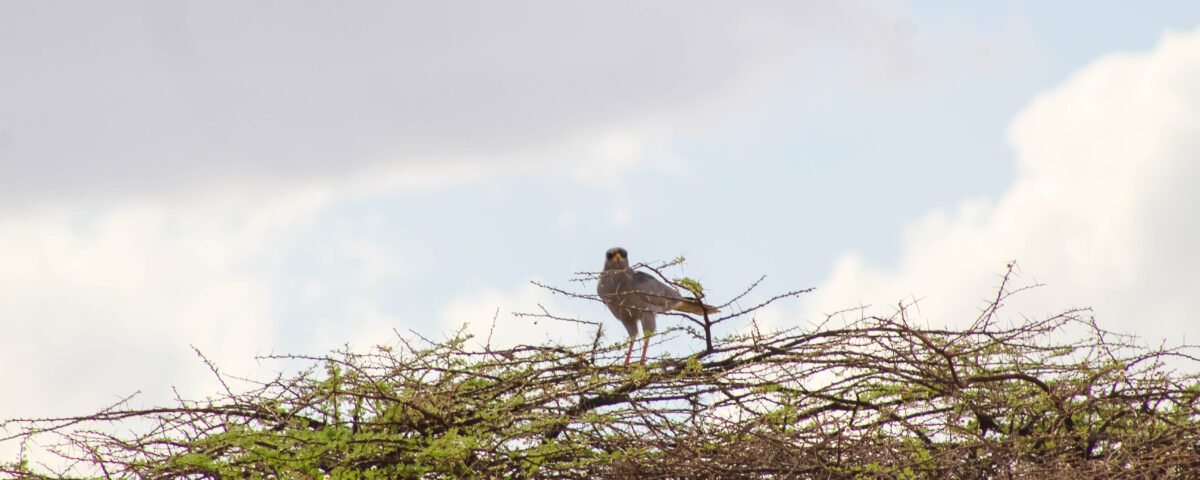
Consequently, the South offers incredibly low vehicle density. In this area, you might traverse a valley for hours without seeing another human, focusing entirely on the elephants and elusive Fringe-eared Oryx. These swamps also attract a staggering variety of birdlife. With over 550 recorded species, Tarangire is a global hotspot for birders. From the massive Kori Bustard to the colorful Red-and-Yellow Barbet, the biodiversity here is simply staggering.
Tarangire: The Elephant Empire
| Feature | Serengeti (Peak: July-Oct) | Tarangire (Dry: June-Oct) | Jackal 2026 Strategic Edge |
| Primary Draw | The Great Migration | The Elephant Empire | Tarangire wins for elephant density |
| Crowd Density | High to Extreme | Low to Moderate | Tarangire ensures a private experience |
| Landscape | Endless plains and kopjes | Ancient Baobab forests | Tarangire offers superior photography |
| Big Cat Visibility | Excellent for lion/cheetah | Exceptional for leopard | Tarangire offers drama without crowds |
| Unique Species | Wide variety of plains game | Oryx and Gerenuk | Tarangire offers rare arid-country specialists |
| Optimal For… | Checking the Migration box | Exclusivity Seekers | Perfect for a second-time safari |
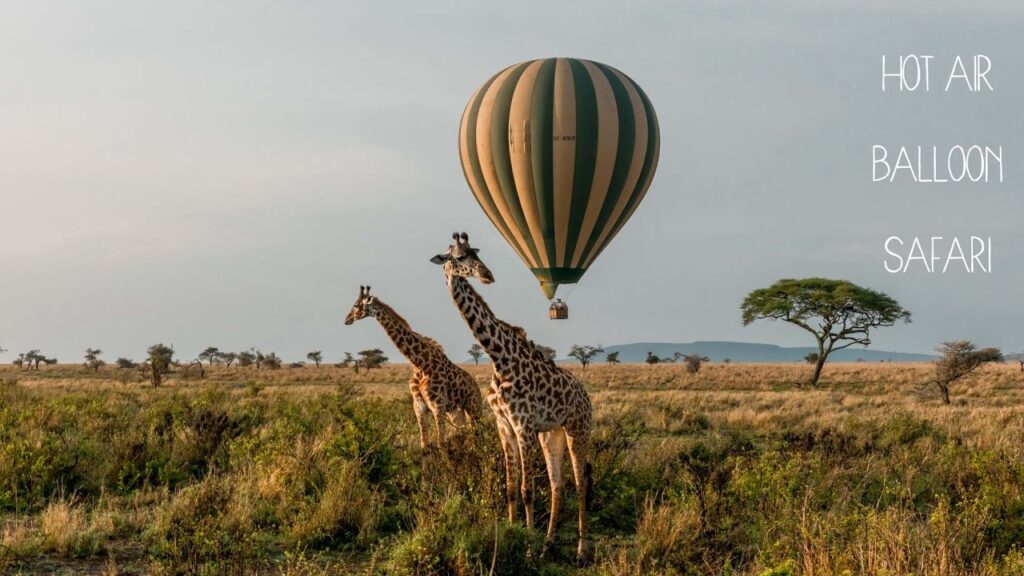
Unlike the Serengeti, where strict regulations limit movement, the lands bordering Tarangire allow for deeper exploration. Therefore, Jackal Wild Adventures recommends two key inclusions for your 2026 itinerary:
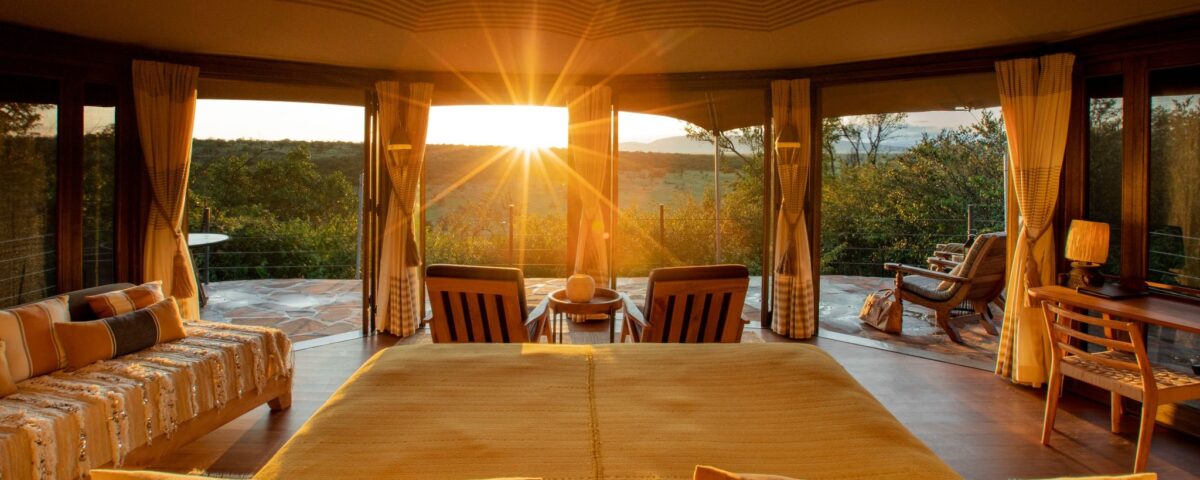
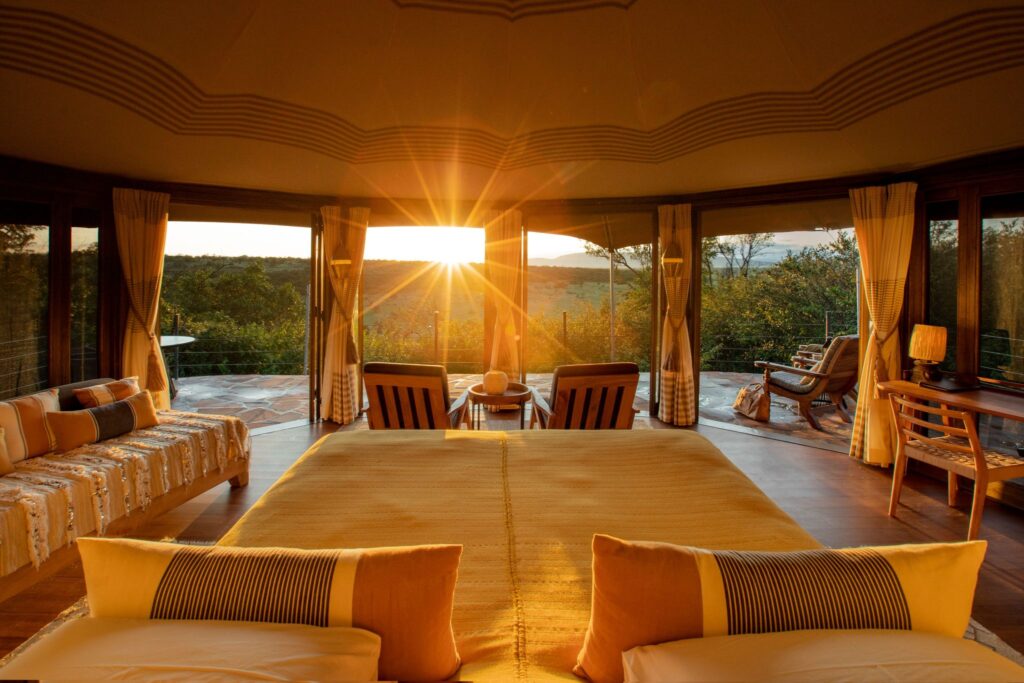
For 2026, the accommodation landscape in Tarangire has reached a new pinnacle of sophistication. Jackal Wild Adventures prioritizes lodges that offer both luxury and ecological responsibility.
The Serengeti will always remain a natural wonder. Nevertheless, in 2026, luxury travel will prioritize experiencing what others cannot. Tarangire National Park offers this authentic luxury. By combining a wildlife spectacle with the gift of solitude, it provides the ultimate safari.
Additionally, by choosing Tarangire, you support a delicate ecosystem that depends on sustainable tourism to survive. Your presence helps protect the migration corridors that these elephants have used for millennia. Simply put, you should choose the Elephant Empire in 2026.