

A 2026 Comprehensive Guide to Safari Pricing
One of the most frequent questions we receive at Jackal Adventures is: How does safari pricing actually work? Unlike a standard resort holiday, safari pricing is a multifaceted puzzle. It is influenced by remote geography, seasonality, high-stakes logistics, and the specific level of exclusivity you desire.
Understanding the mechanics of safari pricing is essential for planning. This guide pulls back the curtain on where your investment goes and how to maximize the value of your journey into the wild.
How Safari Pricing Works.
The Four Pillars of Your Safari Quote
When you receive a quote from Jackal Adventures, it is typically an all-inclusive price. However, that total is built from several distinct pillars that vary significantly depending on your choices.
1. Logistics and Transport
Transport is often the hidden giant in safari pricing. In East Africa, you are navigating remote regions with limited infrastructure.
-
Private 4×4 Road Safaris: This is our gold standard. You have a dedicated vehicle and guide. While more expensive than group-joining tours, it offers total freedom to set your own schedule.
-
Fly-In Safaris: To save time, many travelers opt for internal bush flights. These small aircraft utilize remote airstrips. While they carry a premium price tag compared to driving, they save you long hours on the road and provide stunning aerial views of the landscape.
2. Statutory Fees and Conservation
A significant portion of your payment goes directly to protecting the land and supporting local communities. These fees are set by government bodies and are non-negotiable.
- Park Entry Fees: These are daily charges required to enter premium national parks like the Serengeti or Murchison Falls.
- Concession Fees: If you stay inside a national park, the lodge pays a bed-night fee to the government, which is factored into your room rate.
- VAT: Regional countries apply a standard Value Added Tax on tourism services, which we include in our transparent pricing.
How Safari Pricing Works
Safari Tier Comparison
Seasonality
Timing is the biggest lever you can pull to change the cost of your trip without changing the quality of the lodges.
- Peak Season: During the dry season (June–October), demand for the Great Migration is at its highest. This is when lodge rates are at their peak.
- Green Season: The rainy season offers the most significant opportunities for value. Many lodges offer substantial discounts during these months. While it is wetter, this is the most affordable way to experience high-end camps.
- Shoulder Season: This offers a sweet spot. In the Serengeti, this coincides with the Calving Season (January–March). Rates are often lower than the mid-year peak, yet the wildlife action is incredibly intense.
The Unique Requirement of Primate Permits
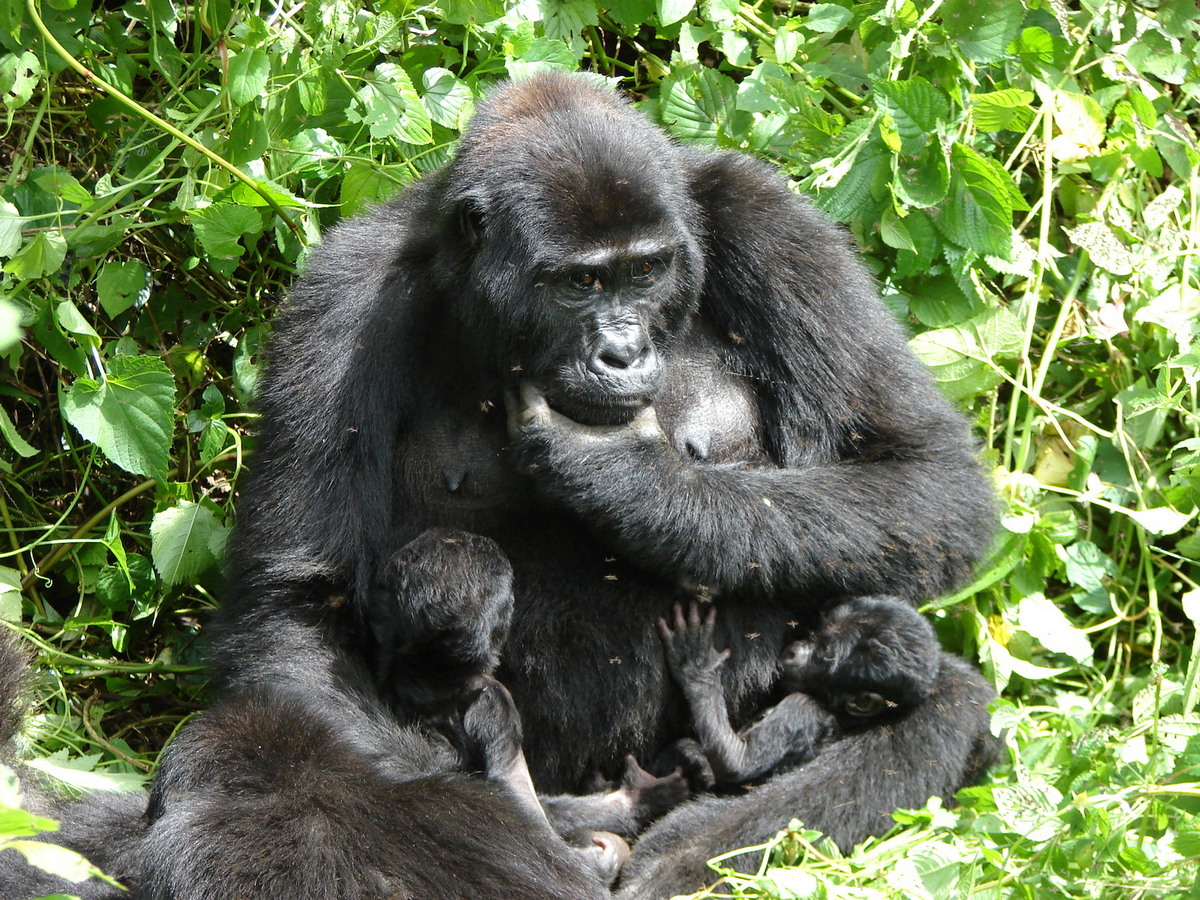
If your Jackal Adventures itinerary includes Uganda or Rwanda for trekking, your pricing will include the mandatory cost of permits. These support the protection of endangered species and are non-negotiable. These permits must be secured and paid for in full at the time of booking to guarantee your spot, as daily availability is strictly limited.
- Gorilla Trekking Permit: Required for every person entering the forest to see mountain gorillas.
- Gorilla Habituation: An extended experience that allows more time with the primates.
- Chimpanzee Permit: Required for trekking in forests like Kibale.
What Is Usually Not in the Quote?
While Jackal Adventures aims for comprehensive quotes, a few items generally fall outside the standard package:
- International Airfare: Most travelers prefer to manage their own long-haul flights using miles or preferred carriers.
- Visa Fees: Required for entry into Tanzania, Uganda, Rwanda, and Kenya
- Tipping: A vital part of safari culture. It is customary to tip your professional guide and the general lodge staff (usually via a communal box) as a thank you for their service.
- Premium Beverages: While most luxury lodges include house drinks, certain top-shelf spirits or vintage champagnes may carry an extra charge.
How to Optimize Your Safari Budget
If you want to maximize the value of your investment, consider these Jackal Adventures insider tips:
- Stay Longer in One Place: Moving between camps every two nights is expensive due to the logistics involved. Many luxury lodges offer stay/pay incentives if you stay for four nights or more.
- Travel as a Small Group: The cost of the vehicle and professional guide is a fixed daily rate. Splitting this cost between four people instead of two can significantly lower the per-person total.
- Mix Your Accommodation: You don’t have to stay in ultra-luxury for every night of your trip. Consider using high-quality mid-range lodges for arrival days and saving the splurge for the heart of the national parks.
- Book Circuit Lodges: Staying at multiple properties within the same lodge collection often triggers circuit discounts.
The Bottom Line
A safari is an investment in a life-changing experience. While the upfront cost may seem high, remember that a safari is almost entirely all-inclusive. Once you land in Africa, your meals, transport, park access, and 24/7 professional guiding are all taken care of.
At Jackal Adventures, we pride ourselves on creating itineraries that provide the maximum impact for your specific requirements. We believe in clear communication and the raw, unadulterated beauty of Africa.
