March 13, 2026
Can You Still Book for the 2026 Migration? The Great Migration remains the ultimate spectacle […]


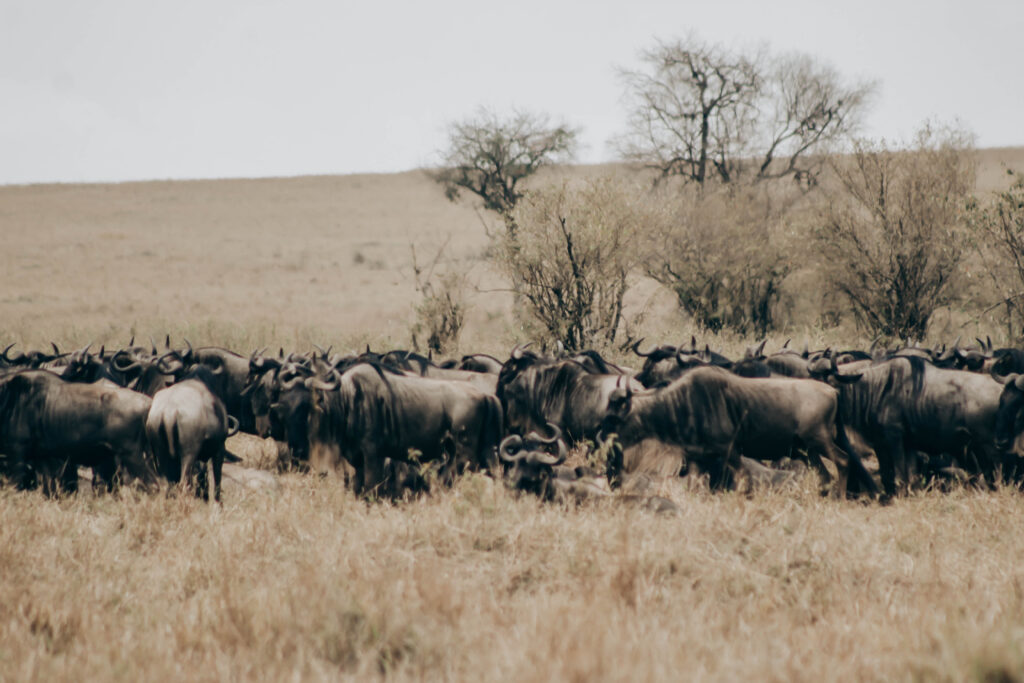
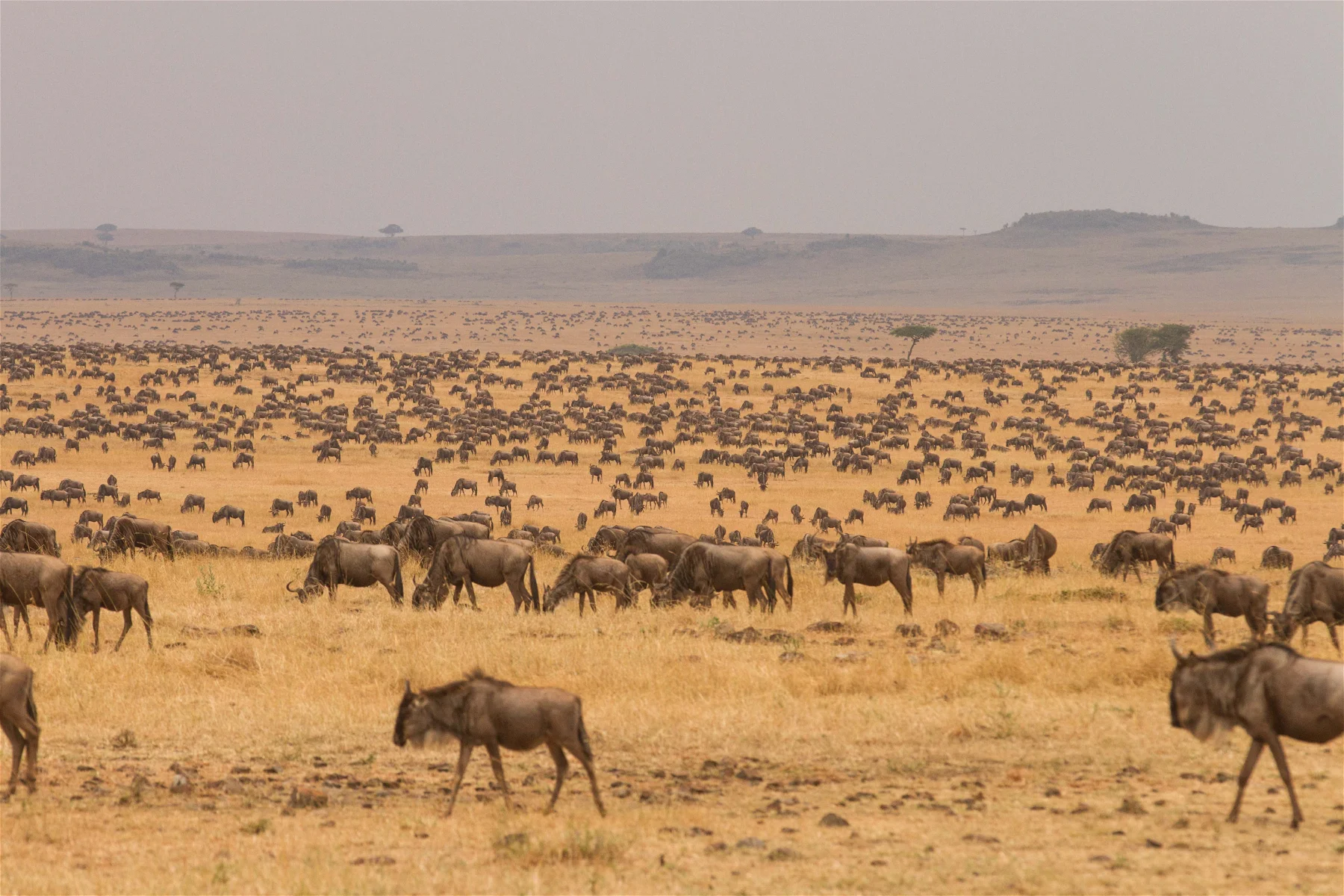
The Great Migration remains the ultimate spectacle of the natural world. Every year, over 1.5 million wildebeest, zebra, and gazelle undertake a treacherous, clockwise journey across the Serengeti-Mara ecosystem. This is a dynamic, multi-stage event, not a single moment in time. However, witnessing the dramatic river crossings or the mass calving season requires precise timing. For many travellers, this requires booking 12 to 18 months in advance. But life happens. Perhaps a window of opportunity just opened, or maybe you only recently decided to tick this off your bucket list. If you find yourself asking, “Can you still book the 2026 migration at the last minute?” the answer is a qualified, but exciting, “Yes.”
Planning a last-minute safari for this iconic event requires a different strategy. You must discard the pursuit of the “perfect” lodge you saw on Instagram and replace it with a focus on tactical flexibility. The most critical factor is not if you can go, but where you will stay and how you will access the herds. To succeed, you must embrace unconventional timing, lesser-known areas, and the expertise of a specialised operator. Here is your definitive guide to securing a front-row seat to the 2026 migration on short notice.
Still book the 2026 migration
Before you can book, you must know where the animals will be. The migration follows a rough annual cycle, heavily influenced by rainfall patterns. A specialist guide can provide real-time updates, but here is the general prediction for 2026:
January – March: The Calving Season (Southern Serengeti/Ngorongoro). This is a time of incredible abundance. Hundreds of thousands of calves are born within a short window, attracting high concentrations of predators. This season offers high-drama sightings but requires staying in specific southern camps.
April – May: The Green Season Move (Central Serengeti). The herds move north, following the fresh grass. This is the “rainy season,” which deters many travellers. However, the landscapes are lush, the air is clear, and the central Serengeti remains accessible.
June – July: The Transition (Western Serengeti/Grumeti). The herds begin pooling in the Western Corridor. This is when the first river crossings occur, usually across the Grumeti River, which is less famous than the Mara but equally dramatic, featuring massive crocodiles.
August – October: The Mega-Crossings (Northern Serengeti/Maasai Mara). This is peak season. The herds must cross the treacherous Mara River multiple times to reach the fresh grazing lands of Kenya’s Maasai Mara. This is what most people visualise when they think of the migration.
November – December: The Return (Northeast Serengeti). As the short rains begin in the south, the herds start their journey back, moving through the eastern Serengeti.
The primary hurdle for last-minute booking is availability. The top-tier “migration-front” lodges, those perfectly positioned to overlook a major crossing point, are usually the first to fill up. They are often booked solid by repeat guests and high-end agencies over a year in advance. This can make you feel as though you still book the 2026 migration, but are forced to compromise on quality.
Additionally, internal flights between remote bush airstrips can also reach capacity. These light aircraft have limited seats, and while operators try to add flights to meet demand, it is not always guaranteed. Finally, while park permits (like those for Ngorongoro Crater or gorilla trekking) don’t usually sell out for general entry, specific luxury concessions with restricted vehicle numbers might be full.
Don’t panic. Last-minute space does open up. People cancel. Group bookings are scaled back. A dynamic operator knows exactly where these pockets of availability exist. Here are the strategies we use to get you to the migration in 2026:
This is the absolute best strategy for last-minute success. Mobile tented camps (also called “semi-permanent camps”) are designed specifically to move 2-3 times a year, following the migration. They are not tied to one brick-and-mortar location.
These camps offer a more authentic, “old-world” safari feel, but they still provide incredible luxury, including en-suite bathrooms, comfortable beds, and gourmet dining. Because they move to stay near the herds, a mobile camp in the Northern Serengeti in August puts you closer to the action than a permanent lodge five miles away. Their availability is often more fluid than fixed lodges, making them the premier choice for late planners. Choosing this option is how you still book the 2026 migration without sacrificing proximity.
If you can’t secure space in August, look at the shoulder months. Late July or early November often have better availability and still offers incredible migration sightings as the herds arrive or depart.
Alternatively, do not overlook the “Green Season” (April-May). While it rains, it rarely rains all day. The benefits are significant:
Zero Crowds: You might have a major sighting all to yourself.
Lower Costs: Many lodges offer significant green-season discounts.
Stunning Photography: The air is dust-free, and the emerald landscapes provide dramatic contrast. The central Serengeti remains accessible, and you will see massive numbers of animals moving north.
The main Serengeti National Park can get crowded. However, several private concessions and “game reserves” border the park. These areas, like the Grumeti Game Reserve or the Loliondo concession, have exclusive access.
These areas are often overlooked by travellers booking far in advance, who tend to stick to the national park proper. Staying here still gets you to the migration, but with far fewer vehicles. Often, you can easily access the main park for day drives while enjoying a more secluded base. This tactical shift is a powerful way to ensure you still book the 2026 migration and secure a higher-quality experience.
A last-minute booking is not a DIY project. An international travel agency might look at a booking system and see “no availability.” A dedicated East African operator, however, knows the lodge managers personally. They know which properties have a provisional booking that might lapse, which mobile camp is adding tents, or which private concession has a cancellation. We can pick up the phone and secure a space that does not appear on public booking platforms.
To succeed at the last minute, you must be flexible. You might need to swap the order of your stops, fly into a different airstrip, or stay in two different (but equally good) camps rather than one for your entire stay. This is the key tradeoff: in exchange for booking late, you accept a less rigid structure. Trust your operator’s recommendations on sequencing; they are designing the route based on real-time vehicle and flight availability.
You might ask if a rushed, last-minute trip is worth it. The answer is a resounding “Yes.” The migration is an awe-inspiring event that defies description. Witnessing a river crossing, with thousands of animals plunging into the water, is a peak life experience.
Additionally, last-minute bookings often come with unexpected perks. Lodges might offer last-minute discounts to fill their final tents. Your guide will work extra hard to ensure you see the herds, utilising local knowledge and real-time radio contact with other vehicles. A last-minute safari often feels more adventurous precisely because it requires tactical improvisation.
The window to witness the Great Migration in 2026 has not closed. Yes, the traditional booking route might be full, but alternative avenues remain open for savvy, flexible travellers. By embracing mobile camps, considering private concessions, and leveraging the power of local connections, you can secure an unforgettable journey.
At Jackal Wild Adventure, we specialise in making the “impossible” booking possible. We thrive on the logistical challenge of last-minute safari planning. We know which mobile camps still have space, which concessions are offering the best sightings, and how to sequence your itinerary for seamless travel. Do not miss your chance to see the greatest wildlife show on earth in 2026. Contact us today, and let us design the perfect, last-minute migration safari, proving that yes, you still book the 2026 migration and have the adventure of a lifetime.