Ziwa rhino sanctuary

A Journey from Extinction to Expansion

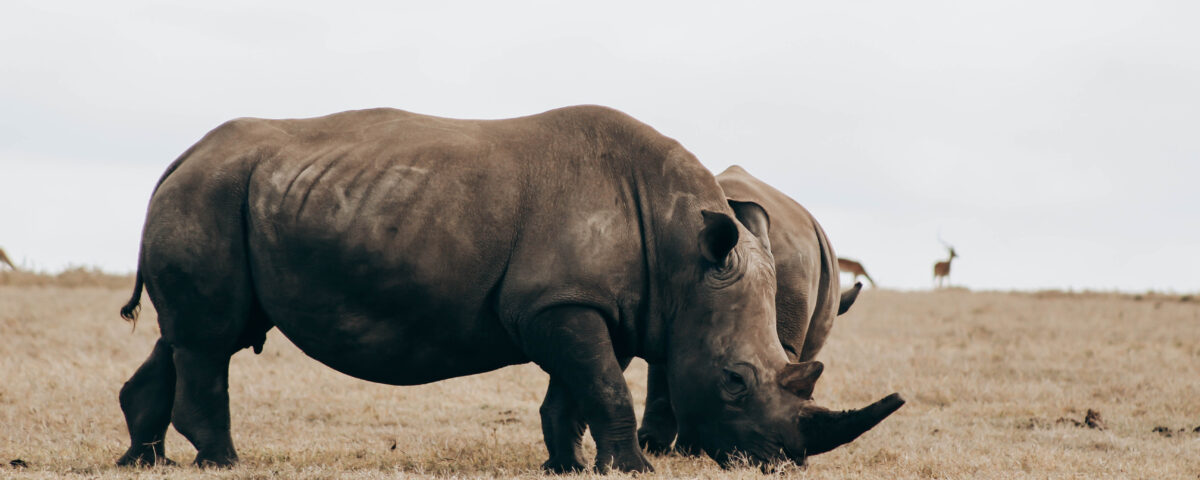
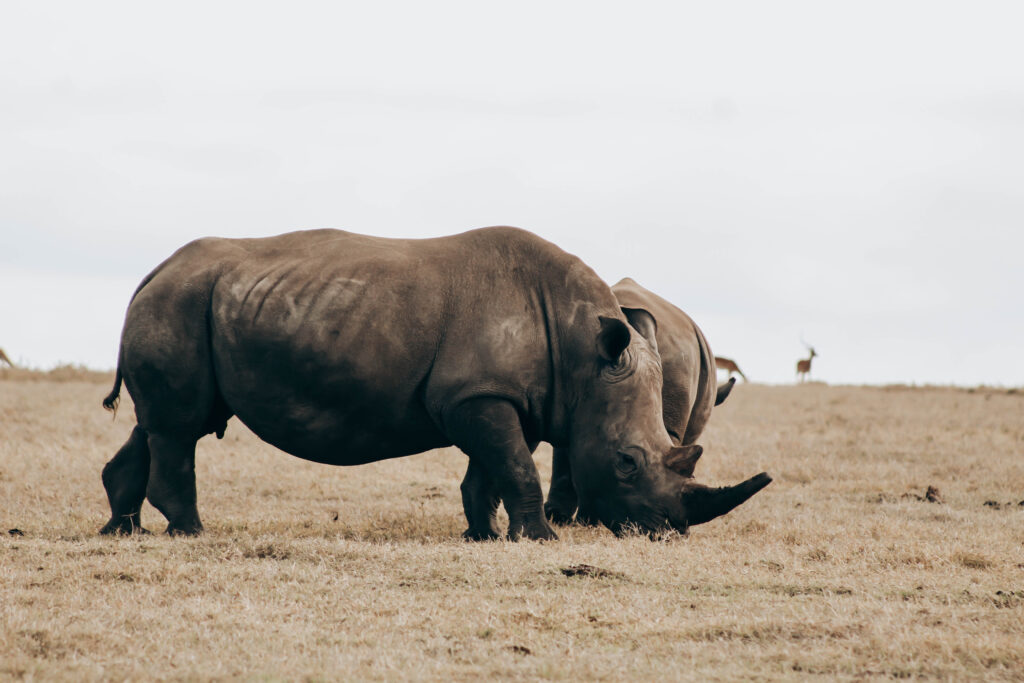
Uganda’s wildlife history contains a chapter of profound loss followed by an inspiring recovery. By 1982, rampant poaching and civil instability completely wiped out the nation’s rhinoceros population. However, the establishment of the Ziwa Rhino Sanctuary in 2005 changed everything. This 7,000-hectare sanctuary in the Nakasongola District serves as the primary engine for rhino conservation in Ziwa, bringing the Southern White Rhino back from the brink of national extinction.

Rhino conservation in Ziwa

Rhino conservation in Ziwa

The Rise of the Southern White Rhino

The journey began with just six introduced rhinos, four from Kenya and two donated from Disney’s Animal Kingdom in the USA. Through a dedicated breeding program and 24-hour security, the population has flourished. As of 2026, the sanctuary successfully manages a growing “crash” of rhinos, proving that focused environmental stewardship can reverse decades of damage.

Rangers play a pivotal role in this success. Over 70 armed guards monitor the rhinos around the clock. This constant presence ensures that rhino conservation in Ziwa remains effective against the persistent global threat of poaching. Because of these efforts, the sanctuary has recorded zero poaching incidents since its gates opened.

Tracking Rhinos on Foot

Unlike most African safaris, where you observe wildlife from the safety of a 4×4 vehicle, Ziwa offers a more intimate encounter. Visitors join expert rangers to track these prehistoric giants on foot. This experience provides a unique perspective on the sheer size and social complexity of the white rhino.

As you walk through the acacia woodlands, your guide shares insights into the individual personalities of the rhinos. You might see a protective mother with a young calf or a dominant bull marking his territory. This immersive approach to rhino conservation in Ziwa transforms a simple holiday into an educational journey, highlighting the delicate balance required to protect endangered species.

A Haven for Biodiversity

While the rhinos receive the most attention, the sanctuary protects an entire ecosystem. The diverse terrain includes dry savannah, thick woodlands, and the Lugogo wetlands. This variety of habitats supports a staggering array of wildlife that benefits from the security provided to the rhinos.

  • Mammals: Look for oribi, bushbuck, waterbuck, and the nocturnal leopard.

  • Reptiles: Large monitor lizards and crocodiles inhabit the swamp areas.

  • The Shoebill Stork: Ziwa is one of the best places in Uganda to spot this rare, prehistoric-looking bird via a sunrise canoe trip.

By protecting the rhino’s habitat, rhino conservation in Ziwa creates an “umbrella effect,” providing safety for hundreds of other species that would otherwise face habitat loss or hunting.

Quick Facts: Ziwa Rhino Sanctuary at a Glance

Feature Details
Established 2005
Location Nakasongola (approx. 3 hours from Kampala)
Primary Species Southern White Rhino (Ceratotherium simum simum)
Total Area 7,000 Hectares (17,000 Acres)
Activities Rhino Trekking, Shoebill Canoeing, Night Walks
Current Status Breeding for future reintroduction to National Parks

The Next Frontier: Reintroduction to the Wild

The long-term goal of rhino conservation in Ziwa extends far beyond the sanctuary’s electric fence. The Uganda Wildlife Authority (UWA) views Ziwa as a nursery for the nation. Once the population reaches a sustainable density, the government plans to translocate groups of rhinos back into Uganda’s major protected areas, such as Murchison Falls National Park and Ajai Wildlife Reserve.

This transition requires careful planning, as the new environments must offer the same level of security found at Ziwa. The success of the current breeding program suggests that within the next decade, rhinos will once again graze freely across the vast plains of Northern Uganda, completing a 50-year cycle of restoration.

Rhino conservation in Ziwa

Rhino conservation in Ziwa

Supporting the Local Community

Conservation rarely succeeds without the support of the people living nearby. The sanctuary provides employment to hundreds of locals as rangers, guides, cooks, and maintenance staff. These jobs offer a steady income in a rural region where opportunities remain scarce. Additionally, a portion of the entry fees supports local infrastructure, including schools and clinics.

When the community sees the tangible benefits of wildlife protection, they become the rhinos’ strongest allies. This partnership reduces human-wildlife conflict and discourages illegal bushmeat hunting. Education programs also teach local children about the value of biodiversity and the importance of rhino conservation in Ziwa. By integrating the sanctuary into the local economy, the rhinos gain a massive network of human protectors.

The Global Significance of Ziwa

The success of rhino conservation in Ziwa resonates far beyond Uganda’s borders. As a primary breeding hub, the sanctuary contributes to the genetic diversity of the southern white rhino across East Africa. This population serves as a critical safety net against the poaching crises affecting other parts of the continent.

International researchers frequently visit the sanctuary to study rhino behavior and health in a controlled wild environment. Their findings help refine conservation strategies for other endangered species globally. Ultimately, the lessons learned at Ziwa provide a blueprint for restoring extinct populations in their former natural ranges.

Conclusion

Witnessing a three-ton rhino from just a few meters away is an experience that stays with you forever. It serves as a powerful reminder of what humans can achieve when we choose protection over exploitation. The story of Ziwa is one of hope, showing that extinction does not always have to be final.

Jackal Adventures invites you to include this vital conservation stop on your next Ugandan safari. We believe that seeing these animals in person is the first step toward becoming a lifelong advocate for their survival. Whether you are stopping by on your way to the falls or staying for a night of bushwalks, we ensure your visit contributes directly to the future of the species.

This website uses cookies to improve your experience. By using this website you agree to our Data Protection Policy.
Read more