Where is Queen Elizabeth National Park Located?
April 2, 2025
How Big is Queen Elizabeth National Park?
April 2, 2025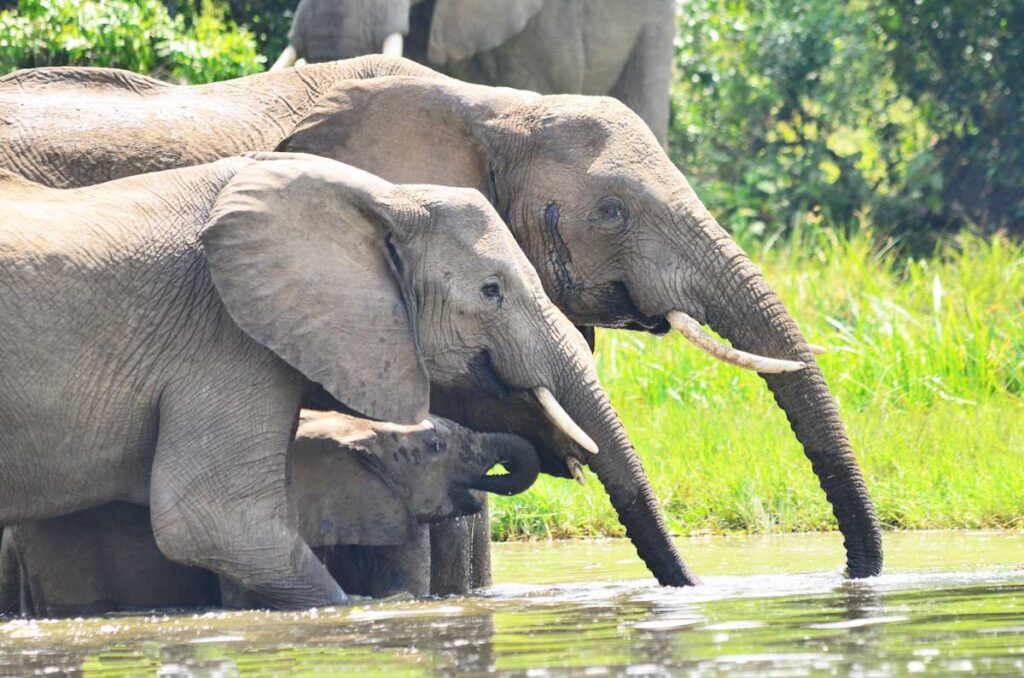
Queen Elizabeth National Park
Nestled against the jagged, snow-capped backdrop of the Rwenzori Mountains, Queen Elizabeth National Park (QENP) stands as Uganda’s most popular and diverse conservation area. Spanning nearly 1,978 square kilometers, this park offers a magnificent mosaic of ecosystems. From sprawling savannas and humid tropical forests to sparkling volcanic crater lakes and fertile wetlands, the landscape shifts at every turn. Travelers from across the globe flock here to experience the raw, untamed beauty of the African wilderness. If you are planning a visit, you likely want to learn: what is Queen Elizabeth National Park’s most famous feature?
The answer lies in its incredible biodiversity and unique wildlife behaviors that you simply cannot find elsewhere. This park hosts over 95 species of mammals and more than 600 species of birds. This density makes it a premier destination for traditional game drives, specialized birding tours, and aquatic safaris. This comprehensive guide explores the iconic landmarks, rare species, and hidden gems that define this Ugandan treasure in 2026.
The Legend of the Tree-Climbing Lions
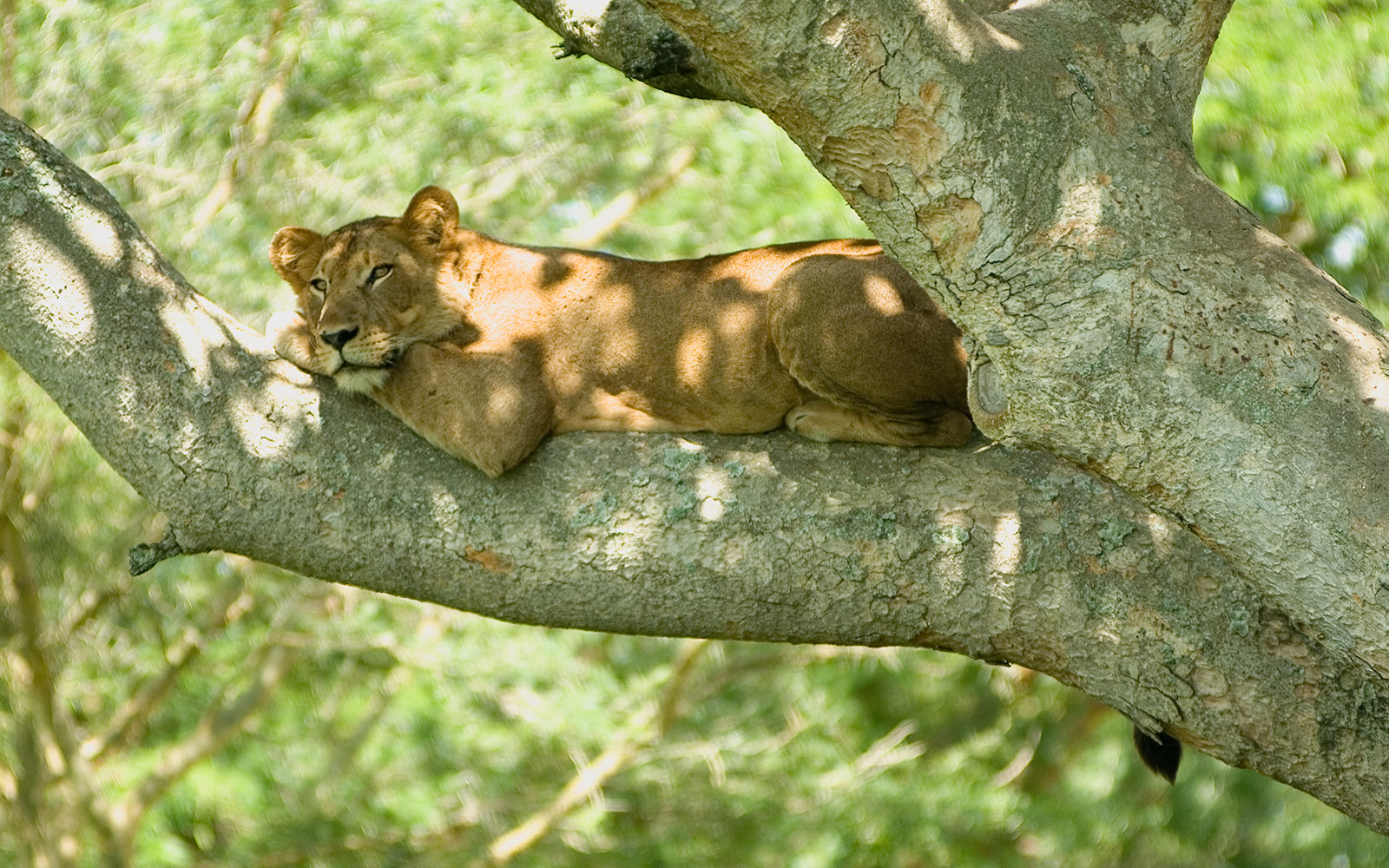
When people ask what Queen Elizabeth National Park’s most unique draw is, the Ishasha sector inevitably tops the list. Located in the remote southern part of the park, Ishasha remains one of the only places in the entire world where lions habitually climb trees. While most lions across Africa stay firmly on the ground, these majestic cats spend their hot afternoons draped across the sturdy limbs of ancient sycamore fig trees and acacia trees.
Experts believe the lions climb for several practical reasons. Primarily, they seek to escape the intense heat of the ground and catch the cooling breezes flowing from Lake Edward. Additionally, the elevation provides a sanctuary from the irritating bites of tsetse flies that swarm the tall grass below. Witnessing a full-grown pride of lions lounging ten meters high in a tree is a surreal sight that captures the imagination of every traveler. Because this behavior is so rare on a global scale, Ishasha remains a mandatory stop for anyone seeking the extraordinary.
The Kazinga Channel: A Wildlife Superhighway
Central to the park’s geography is the Kazinga Channel, a 32-kilometer-long natural waterway. It connects Lake Edward to the west and Lake George to the east. A boat safari along this channel provides perhaps the most concentrated wildlife viewing experience in East Africa. The banks teem with life, especially during the dry season when animals congregate in massive numbers to drink, bathe, and cool off.
As your boat glides through the water, you will encounter massive pods of hippos huffing and grunting in the shallows. Enormous Nile crocodiles bask on the muddy shores, their mouths agape, to regulate their body temperature. Furthermore, the channel serves as a vital watering hole for thirsty elephant herds and buffalo. You will observe them from a safe and intimate distance that a traditional vehicle cannot provide. For bird enthusiasts, the channel is a sanctuary. Look out for the vivid malachite kingfishers, African skimmers, and the iconic African fish eagle perched high on the deadwood.
Kyambura Gorge: The “Valley of Apes”
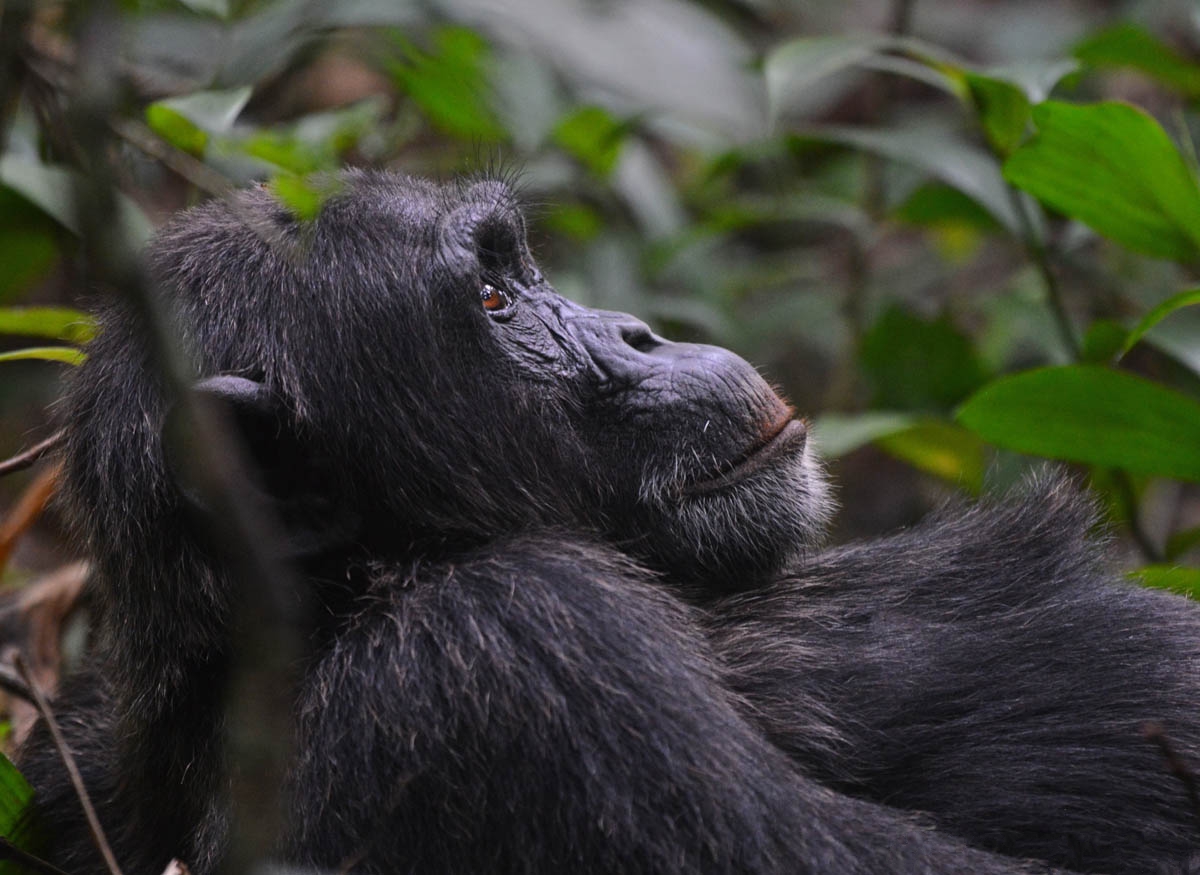
Deep within the vast savanna lies a hidden world known as the Kyambura Gorge. This 100-meter-deep canyon houses a lush tropical rainforest that contrasts sharply with the sun-drenched plains above. This “sunken forest” is famous for its isolated population of habituated chimpanzees.
Tracking chimpanzees in Kyambura is a dramatic and atmospheric adventure. You descend the steep, forested slopes into a verdant world of tangled vines and towering mahogany trees. The echoes of chimpanzee screams and pant-hoots bounce off the canyon walls, creating an immersive acoustic experience. While the trek can be physically demanding, seeing these primates in such a unique geological setting is unforgettable. When considering what Queen Elizabeth National Park’s most diverse and surprising trek is, Kyambura is the clear winner.
The Volcanic Legacy: Explosion Craters and Salt Works
The landscape of Queen Elizabeth National Park tells a story of a violent volcanic past. Dozens of elegant explosion craters pockmark the northern Equator Road. The Bunyaruguru Crater field offers stunning panoramic views that are perfect for sunset photography. These craters have since filled with water or turned into lush grasslands, creating a breathtaking “moonscape” within the park.
Among these geological wonders, Lake Katwe stands out for its cultural and economic significance. For centuries, local communities have harvested salt from this hyper-saline lake using traditional methods passed down through generations. Visitors can take a guided tour to see the salt pans and learn how the community sustains itself through this ancient, grueling trade. This blend of natural wonder and human history adds a rich, educational layer to the safari experience.
Maramagambo Forest: The Shadows of the Jungle
Bordering the southern end of the Kazinga Channel, the Maramagambo Forest offers a cooler, shaded alternative to the savanna game drives. This forest is one of the largest in East Africa and hosts a variety of primates, including L’Hoest’s, red-tailed, and black-and-white colobus monkeys.
One of the most popular sites in Maramagambo is the “Bat Cave.” A purpose-built viewing room allows you to peer into a cavern filled with thousands of Egyptian fruit bats. If you look closely, you might even spot the resident pythons that live in the cave, preying on the bats. The forest trails also offer excellent birding and the chance to see forest elephants, which are smaller and more elusive than their savanna cousins.
Birding Paradise: A Global Record-Breaker
For avian lovers, the question of what is Queen Elizabeth National Park’s greatest asset is often leads to its bird list. The park boasts the highest bird count of any protected area in East Africa, with over 600 recorded species. Because it sits at the intersection of the East African savanna and the West African rainforest, it hosts a stunning variety of species from both regions.
You can spot the rare Shoebill stork in the swampy fringes of Lake Edward or the colorful Great Blue Turaco in the Maramagambo Forest. Other highlights include the Papyrus Gonolek, the Martial Eagle, and the Lesser Flamingo. Whether you are an expert twitcher or a casual observer, the sheer volume of feathers, colors, and songs will leave you breathless.
Typical 4-Day Itinerary: The Best of QENP
-
Day 1: Arrival and Crater Drive. Drive from Kampala/Entebbe. Afternoon exploration of the explosion craters for panoramic views.
-
Day 2: Mweya Plains and Kazinga Channel. Morning game drive in the Kasenyi plains to find lions and leopards. Afternoon boat safari on the Kazinga Channel.
-
Day 3: Kyambura Gorge and Ishasha. Morning chimpanzee tracking in the “Valley of Apes.” Transfer to the southern Ishasha sector for an afternoon search for tree-climbing lions.
-
Day 4: Morning Game Drive and Departure. A final look for the big cats in Ishasha before departing for your next destination or returning to Entebbe.
Wildlife and Activity Comparison
| Feature | Kasenyi/Mweya (North) | Ishasha (South) | Kyambura (East) |
| Primary Landscape | Open Savanna & Water | Wooded Savanna | Tropical Rainforest Canyon |
| Top Wildlife | Elephants, Leopards, Kobs | Tree-Climbing Lions, Topis | Chimpanzees, Forest Birds |
| Key Activity | Kazinga Channel Boat Safari | Searching Fig Trees | Primate Tracking |
| Lodging Style | High-end Luxury & Tented Camps | Remote Eco-Lodges | Boutique Forest Lodges |
Conservation and Community Impact
Tourism in Queen Elizabeth National Park serves a greater purpose than just entertainment. Your park fees directly support the Uganda Wildlife Authority (UWA) in its fight against poaching and habitat loss. Furthermore, 20% of the park entrance fees go back into the surrounding communities. These funds build schools, clinics, and clean water systems for the people living on the park boundaries. By visiting, you become a partner in the long-term survival of this delicate ecosystem.
Discover QENP with Jackal Adventures
Queen Elizabeth National Park is more than just a wildlife reserve; it is a symphony of landscapes and rare animal encounters. From the heights of the Ishasha fig trees to the depths of the Kyambura Gorge, every corner of this park offers a new perspective on the natural world.
At Jackal Wild Adventure, we specialize in crafting immersive, seamless journeys through this iconic park. We know exactly where the lions hide during the heat of the day and when the elephant herds cross the channel. Our expert guides ensure you see the highlights while avoiding the crowds, providing a personalized experience that respects the environment. Whether you want to track chimpanzees, photograph the salt miners of Katwe, or search for the elusive leopard, we handle every detail of your 2026 safari. Let us show you the heart of the “Pearl of Africa.” Your adventure begins with Jackal Adventures. Contact us today to start planning your dream safari.