Why Travelers Choose Cloud Forests Over Beaches
February 20, 2026
Mindful Walking Safaris: Tracking for Stress Relief
February 20, 2026
The Most Sought-After Bird
In the world of African wildlife, the “Big Five” mammals often dominate the headlines. However, for those who prefer feathers to fur, Uganda offers a far more exclusive and colorful elite. Known as the “Big Six of Birding,” these species represent the holy grail for ornithologists and casual nature lovers alike. Uganda serves as a unique crossroads where West African rainforest species meet East African savannah residents, resulting in an unparalleled birding list of over 1,000 species. To witness the Big Six of Birding, you must travel from the deepest swamps of the Nile to the ancient, misty canopies of the Albertine Rift.
For many travelers, the pursuit of these birds provides the ultimate framework for a Ugandan itinerary. These species are not just beautiful; they are often rare, reclusive, or ecologically significant. Tracking them down requires patience, expert guidance, and a willingness to explore the diverse microclimates of the “Pearl of Africa.” Whether you are navigating a papyrus swamp in a dugout canoe or trekking through the dense undergrowth of Kibale, the search for the Big Six of Birding guarantees an adventure of a lifetime.
The Legend of the Shoebill Stork
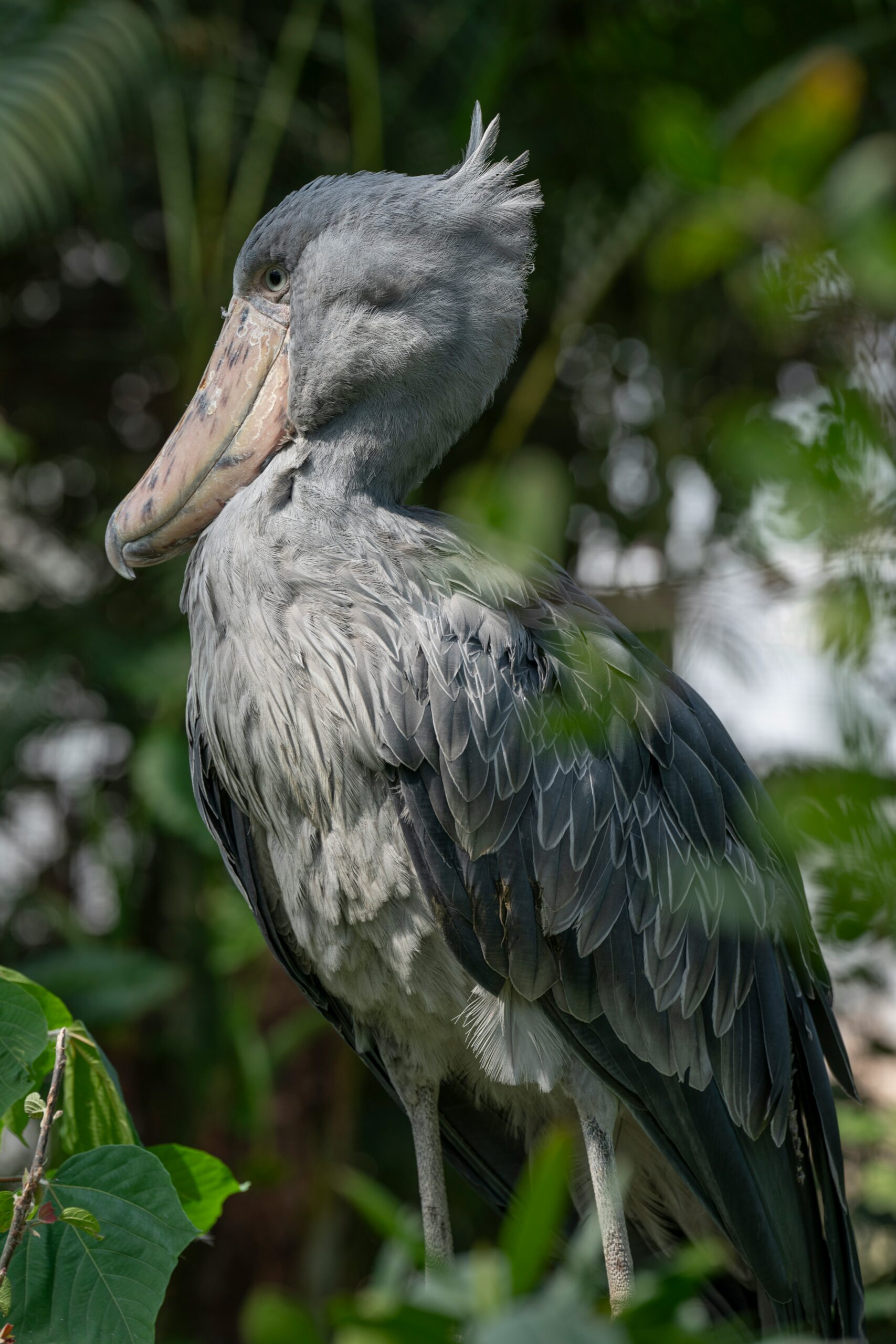
The undisputed leader of this elite group is the Shoebill Stork. Looking like a prehistoric relic, this massive bird stands nearly five feet tall and possesses a bulbous, shoe-shaped beak capable of decapitating lungfish. To find the Shoebill, you must venture into the vast wetlands of Mabamba Swamp or Murchison Falls.
Witnessing a Shoebill in the wild feels like stepping back into the Cretaceous period. They are masters of patience, standing motionless for hours as they wait for prey to surface. Because their habitat is so specialized, they remain incredibly vulnerable to environmental changes. Seeing one is a privilege that few travelers ever forget. It represents the pinnacle of the Big Six of Birding and remains the most requested sighting for any Jackal Adventures visitor.
Big Six of Birding
Jewels of the Rainforest and the Rift
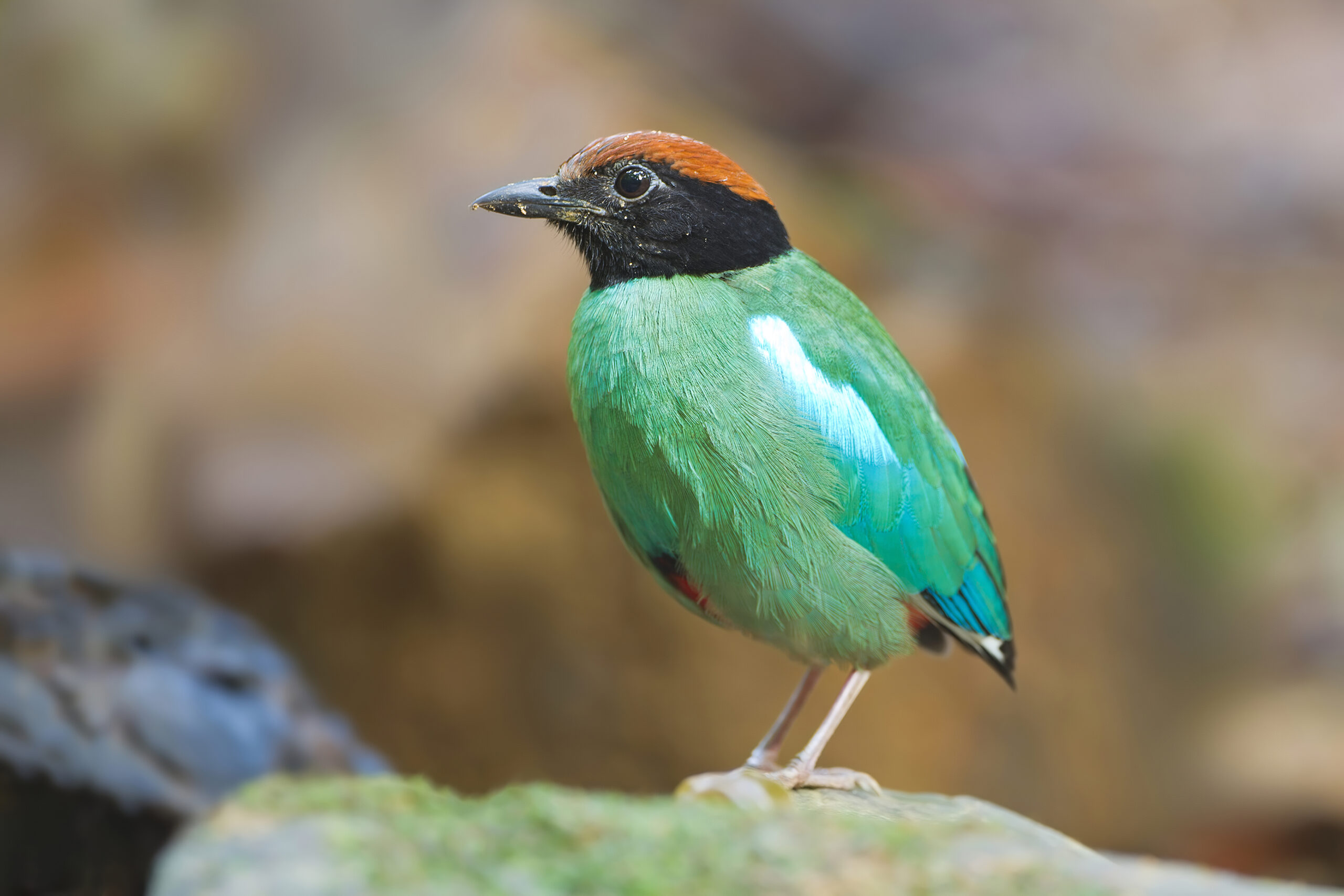
While the Shoebill dominates the wetlands, the forests of Uganda hide smaller, more vibrant treasures. The Green-breasted Pitta is perhaps the most elusive of the lot. This small, brilliantly colored bird lives in the leaf litter of Kibale National Park. Because it is incredibly shy and camouflaged, trackers usually find it by listening for its distinct, mechanical wing-clapping during the breeding season.
Further west, the Albertine Rift Endemics take center stage. The Grauer’s Broadbill (also known as the African Green Broadbill) is a legendary find in the high-altitude forests of Bwindi. This tiny bird, with its vibrant green plumage and blue throat, is found in only two locations on the entire planet. Finding it requires a steep hike into the “Mubwindi Swamp” area, but the reward is a sighting that most birders only ever see in textbooks.
The Big Six Species Overview
To help you prepare for your expedition, the following table breaks down the key characteristics and locations of these iconic birds.
| Bird Name | Key Feature | Best Location | Difficulty Level |
| Shoebill Stork | Massive shoe-shaped beak | Mabamba / Murchison | Moderate |
| Green-breasted Pitta | Jewel-like colors | Kibale Forest | Very High |
| Grauer’s Broadbill | Rare Albertine Rift endemic | Bwindi (Ruhija) | High |
| Great Blue Turaco | Striking blue and yellow | Mabira / Entebbe | Easy |
| Nahan’s Partridge | Endangered forest dweller | Budongo / Mabira | High |
| Shelley’s Crimsonwing | Elusive, bright red back | Rwenzori / Bwindi | Extreme |
The Charismatic Giants and Rare Beauties
The Great Blue Turaco is the most accessible member of the Big Six of Birding. Its massive size, turquoise-blue body, and elegant crest make it a favorite for photographers. Unlike the reclusive Pitta, these birds often congregate in fruiting trees, making their presence known with loud, raucous calls. They represent the vibrant soul of the Ugandan forest.
At the other end of the spectrum lies the Shelley’s Crimsonwing. This bird is arguably the most difficult to spot in all of Africa. It inhabits the dense bamboo zones of the Virunga volcanoes and the Rwenzori Mountains. Spotting one requires perfect timing and a fair amount of luck. However, for a serious birder, a confirmed sighting of the Crimsonwing is a career-defining moment.
Big Six of Birding
The Ecology of Success
Why does Uganda host such a concentration of rare birds? The answer lies in its geography. The country sits at the overlap of the East African savannah and the Congo Basin rainforest. This creates “hybrid zones” where biodiversity explodes. When you search for the Big Six of Birding, you aren’t just looking for birds; you are experiencing the lifeblood of the African continent.
Jackal Adventures understands that birding is as much about the habitat as it is about the species. We prioritize quiet, low-impact travel to ensure we do not disturb these sensitive residents. Our guides know the exact fruiting cycles of the trees and the seasonal water levels of the swamps. This local knowledge is the difference between an empty checklist and a successful mission.
Photography and Field Ethics
Photographing these rare species requires a blend of technical skill and deep respect. The low light of the rainforest often makes photography challenging. We recommend fast lenses and high ISO settings to capture the movement of the Pittas and Broadbills.
More importantly, we strictly adhere to ethical birding practices. We do not use excessive playback of bird calls, as this can stress the birds and distract them from nesting or feeding. At Jackal Adventures, we believe that the welfare of the bird always comes before the perfect shot. We want these species to thrive so that future generations can continue to hunt for the elite avian residents of the Pearl of Africa.
The Best Time to Visit
While Uganda offers great birding year-round, the best time to see the full list is during the dry seasons (December to February and June to August). During these months, forest trails are more accessible, and birds are often more active around remaining water sources. Additionally, many Palearctic migrants are present during the northern winter, adding hundreds of other species to your daily count.
Conclusion
At Jackal Adventures, we turn birding dreams into reality. We eliminate the guesswork and take you directly to the hidden corners where these rare species dwell. Our specialist guides possess the ears and eyes to locate the most elusive members of the canopy. We provide the custom-outfitted vehicles and the intimate knowledge required for a world-class avian safari. Choose Jackal Adventures to secure your encounter with the legendary birds of Uganda. Book your “Big Six” expedition today and witness the true wonders of the African sky.