

Best Destinations & Expert Tips
When you think of a journey that touches the soul, few things compare to an East Africa safari. It is a land of paradoxes: where the brutal “circle of life” plays out on golden plains, yet the quiet of a Serengeti sunset offers the deepest peace you will ever know.
In 2026, the safari experience has evolved. It is no longer just about checking the “Big Five” off a list from the back of a van. It is about immersion, conservation, and the thrill of the wild in its most authentic form. Whether you are chasing the Great Migration across the Mara River or sitting in the misty silence of a Ugandan rainforest with a silverback gorilla, East Africa remains the world’s premier wildlife destination.
This comprehensive guide explores everything you need to know about planning the ultimate East Africa safari, from the iconic plains of Kenya and Tanzania to the hidden gems of Uganda and Rwanda.
East Africa Safari
1. The Big Picture: Why East Africa?
East Africa, primarily Kenya, Tanzania, Uganda, and Rwanda, is the birthplace of the safari. While Southern Africa offers incredible luxury, East Africa provides unmatched geographical drama. Many of the region’s premier reserves sit within the Great Rift Valley, offering a backdrop of ancient volcanoes, deep calderas, and the snow-capped peaks of Mount Kilimanjaro. Here, the horizons are wider, the herds are larger, and the density of predators in spots like the Ngorongoro Crater is world-leading. It is the only place on earth where you can pair a classic “Big Five” savanna drive with a trek through prehistoric rainforests in a single trip.
The Great Migration
This is the “World Cup” of wildlife, a continuous loop of survival driven by the search for green pastures. Over 1.5 million wildebeest, 300,000 zebras, and vast numbers of gazelles cover a grueling 800km (500-mile) circuit each year.
-
The Drama (July – October): The herds face the iconic Mara River crossings. They must plunge into crocodile-infested waters and dodge lions lying in wait on the banks.
-
The Calving (January – March): In the southern Serengeti, the plains transform into a nursery. Roughly 8,000 calves are born daily during the February peak, triggering a feeding frenzy for cheetahs and hyenas.
-
The Trek (April – June): As the rains end, the columns can stretch up to 40km long as they march toward the Western Corridor, providing a truly humbling sense of scale.
Primate Encounters
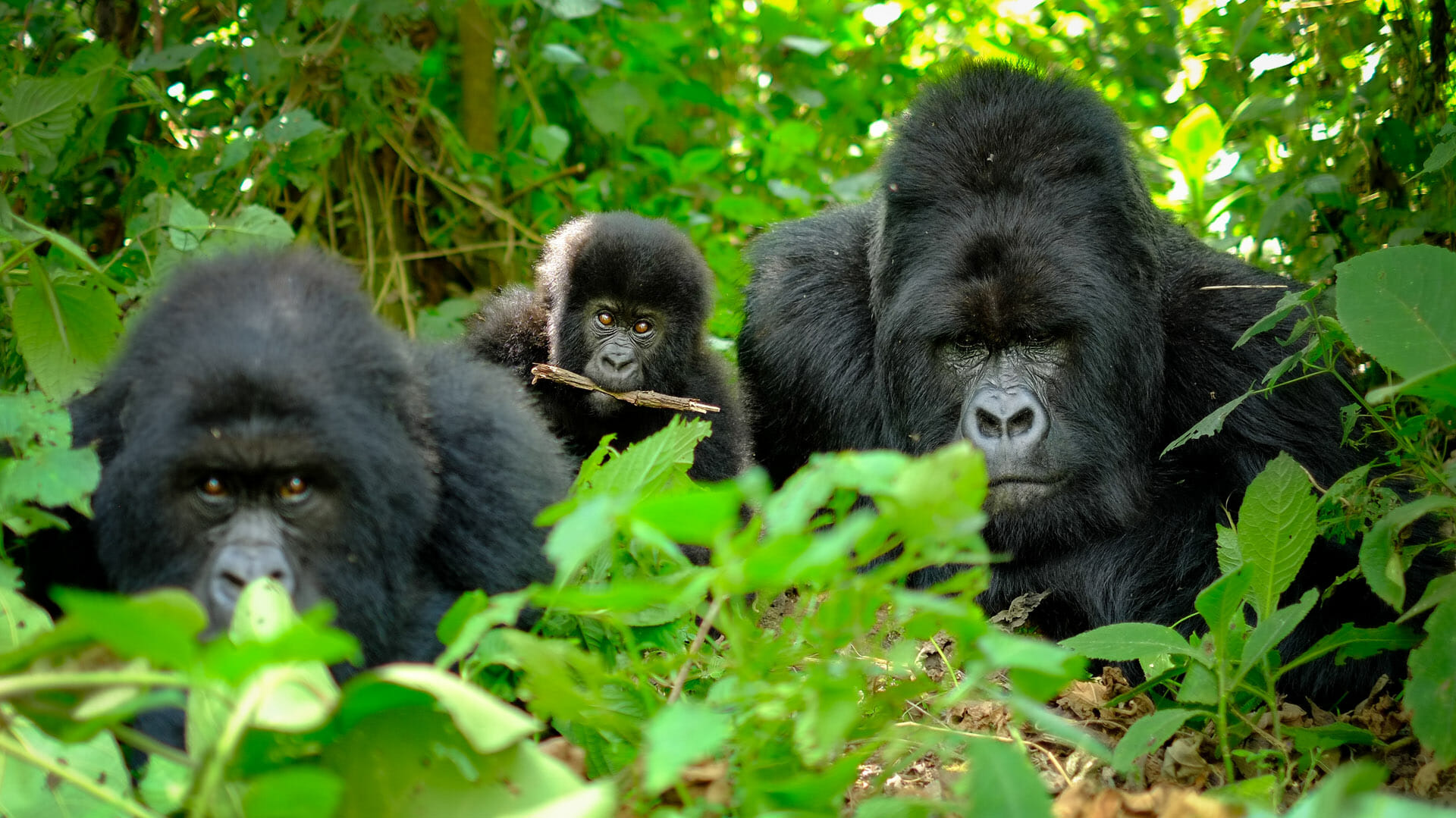
Beyond the savannas lie the emerald-green mountains of the Virunga Massif and Bwindi Impenetrable Forest. An East African safari isn’t complete without visiting the world’s last 1,100 mountain gorillas.
-
The Experience: This is a physical pilgrimage through thick bamboo and ancient mahogany. You’ll spend exactly one hour in the presence of a habituated family, watching silverbacks that can weigh over 400 pounds.
-
The Destinations: Rwanda offers a “compact circuit” with high-end luxury lodges just hours from the airport. Uganda provides a more rugged, “pearl of Africa” adventure with deeper forest immersion and more affordable permits.
-
The Impact: These encounters are strictly regulated to protect gorilla health. By 2026, permit fees directly fund reforestation and community projects, ensuring that your visit serves as a vital shield against extinction.
East Africa Safari
2. Top Destinations for Your East Africa Safari
To help you decide where to go, let’s break down the heavy hitters of 2026.
Kenya: The Classic Savanna
Kenya is the home of the safari (a Swahili word meaning “journey”). It offers some of the best infrastructure and variety in the region.
-
Maasai Mara: The jewel of Kenya. High predator density means you’re almost guaranteed to see lions, leopards, and cheetahs.
-
Amboseli National Park: Famous for its massive “tuskers” (elephants) and the iconic backdrop of Mount Kilimanjaro.
-
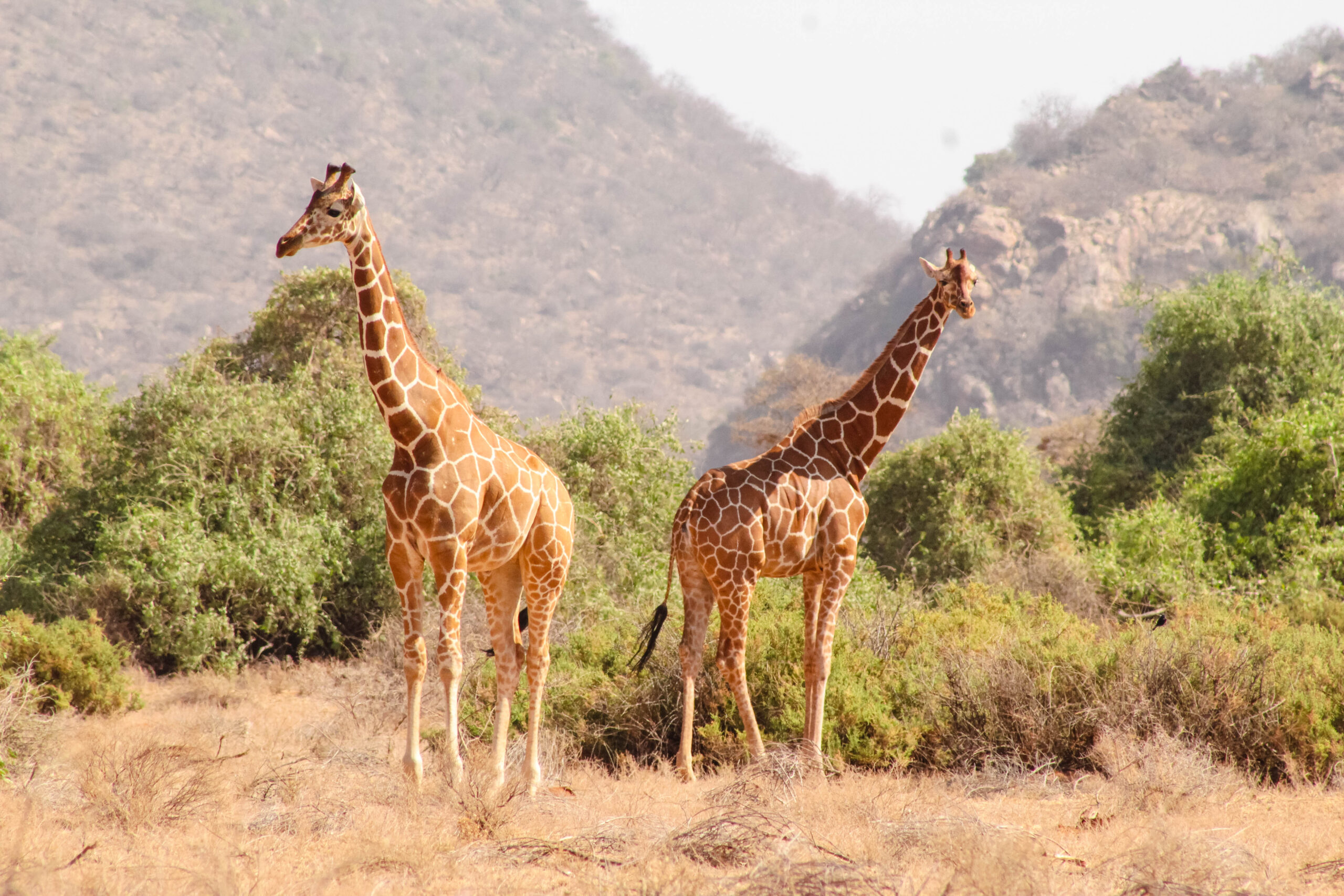
Samburu Special Five: For a unique twist, head north to see species found only in this arid region, like the reticulated giraffe and the Grevy’s zebra.
Tanzania: The Land of Giants
Tanzania is vast and spectacular. It houses the most famous park on earth and the highest mountain in Africa.
-
Serengeti National Park: Its name means “Endless Plains.” It is the stage for the Great Migration and offers a raw, expansive feel.
-
Ngorongoro Crater: Often called the “Eighth Wonder of the World,” this collapsed volcano is a self-contained ecosystem where you can see the Big Five in a single day.
-
Tarangire: Known for its ancient Baobab trees and huge elephant herds that congregate around the river during the dry season.
Uganda: The Pearl of Africa
Uganda is for the adventurer. It bridges the gap between the dry savannas of the east and the lush jungles of Central Africa.
-
Bwindi Impenetrable Forest: The premier spot for gorilla trekking.
-
Murchison Falls: Where the Nile River is squeezed through a 7-meter gap, creating a thunderous waterfall surrounded by hippos and crocodiles.
-
Kibale Forest: The primate capital of the world, home to 13 species, including our loud and lively cousins, the chimpanzees.
3. Seasonality: When to Plan Your East Africa Safari
Timing is everything. In 2026, weather patterns remain the primary driver of wildlife movement.
4. Logistics and Planning for 2026
The logistics of an East Africasafari have become significantly more digital and streamlined.
The East African Tourist Visa
If you plan on visiting Kenya, Rwanda, and Uganda, don’t buy three separate visas. The East African Tourist Visa costs $100 and allows multiple entries between these three countries. (Note: Tanzania currently remains outside this specific agreement, requiring its own visa.
Entry Requirements: The Move to eTA
As of 2026, Kenya has fully transitioned to an Electronic Travel Authorization (eTA) system. You must apply online at least 72 hours before departure. Many airlines now have a “No eTA, No Boarding” policy, so do not leave this until you reach the airport!
Health and Safety
-
Yellow Fever: A certificate is often required when crossing borders within Africa (e.g., from Uganda to Kenya).
-
Malaria: Most safari zones are malarial. Consult a travel clinic for the right prophylaxis.
-
Security: Stick to reputable operators. While major cities like Nairobi and Arusha are vibrant hubs, the “safari circuit” itself is exceptionally safe and well-regulated.
5. Budgeting: What Does an East Africa Safari Cost?
Safaris aren’t cheap, but they are a high-value experience. In 2026, here is what you can expect to spend per person, per day (excluding international flights):
-
Budget: Often involves “overland” trucks, public campsites, or budget guesthouses outside the park gates. Great for solo travelers and the young at heart.
-
Mid-Range: The “sweet spot.” You’ll stay in comfortable tented camps with en-suite bathrooms, enjoy high-quality food, and have a professional guide in a 4×4 vehicle.
-
Luxury: Think “Out of Africa.” Private conservancies, gourmet dining under the stars, fly-in transfers to avoid long drives, and lodges that are architectural masterpieces.
Hidden Costs to Watch For
-
Park Fees: In places like the Serengeti or Ngorongoro, these can be $70–$100 per person, per day.
-
Tipping: A standard tip for a safari guide is $15–$25 per day, per group.
-
Gorilla Permits: In Uganda, these are roughly $800; in Rwanda, they are $1,500.
6. Sustainable Safari: Travel with Purpose
The biggest trend in 2026 is Impact Travel. Your East Africa safari should benefit the land and the people.
-
Community Conservancies: In Kenya, choose to stay in conservancies like Mara Naboisho. These are lands owned by Maasai communities and leased to safari operators, ensuring the local people profit directly from conservation.
-
Plastic-Free: Most East African countries have strict bans on plastic bags. Many lodges now provide filtered water to eliminate single-use bottles.
-
Carbon Offsetting: With long-haul flights and 4×4 driving, consider booking through operators that invest in local reforestation projects, like those in the Mau Forest.
7. What to Pack for the Wild
The golden rule: Pack light and pack neutral.
-
Colors: Wear khaki, tan, or olive. Avoid bright white (startles animals), dark blue/black (attracts Tsetse flies), and camouflage (illegal for civilians in many areas).
-
Layers: Savannas are freezing at 6:00 AM and scorching by noon.
-
Gear: A good pair of binoculars is more important than a fancy camera. You’ll want to see the eyelashes on that leopard!
Conclusion
An East Africa safari is more than a vacation; it is a homecoming to the landscapes that shaped humanity. From the lion-rich plains of the Serengeti to the misty gorilla sanctuaries of Bwindi, these moments stay with you long after the dust has settled.
At Jackal Adventures, we turn these wild landscapes into seamless, personal stories. By handling every detail from secure border crossings to luxury camps, we ensure your 2026 expedition is a life-defining odyssey. The heart of Africa is calling; come find your place within it with Jackal Adventures.
