Volcanoes National Park Guide
February 17, 2026
Rwanda luxury safari experience
February 17, 2026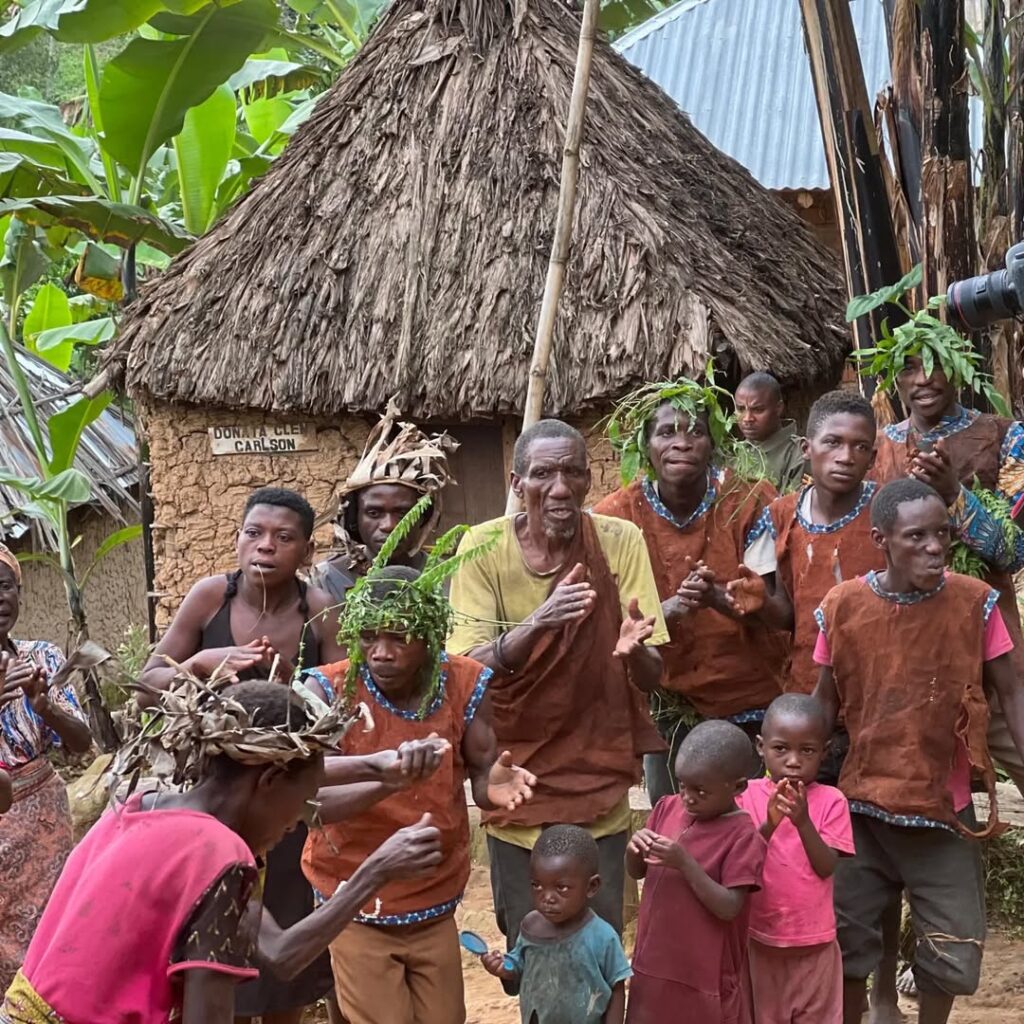
A Guide to Traditions & Heritage
East Africa is not just for wildlife fans. It serves as a vibrant cradle of human history. The indigenous cultures of East Africa maintain a deep connection to the land. This bond dates back thousands of years. From red-clad warriors to elusive hunter-gatherers, these groups offer a unique window into the past. They value community, ancestry, and nature above all else.
Furthermore, these groups possess a deep understanding of seasonal cycles and natural resource management. Their oral histories preserve knowledge that modern science is only beginning to document. By protecting these traditions, these communities ensure the survival of humanity’s oldest wisdom.
The Guardians of the Savannah: The Maasai and Samburu
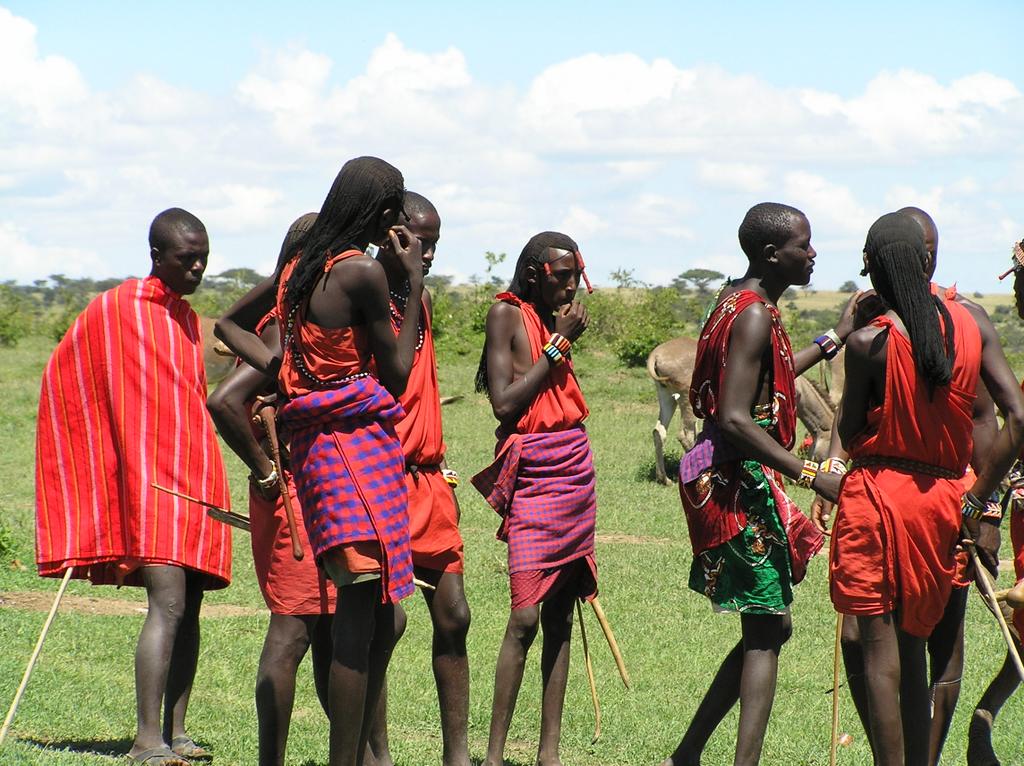
Perhaps the most recognizable indigenous cultures of East Africa, the Maasai and their northern cousins, the Samburu, define the aesthetic of the East African plains. Clad in vibrant red shukas and adorned with intricate beadwork, these Nilotic pastoralists resist the pull of modernization with fierce pride. Their lives revolve entirely around cattle, which they view as a sacred gift from their creator, Enkai.
The Maasai are famous for the Adumu, or the “jumping dance,” which young warriors (Morans) perform to display strength and endurance. Similarly, the Samburu adhere to a strict gerontocracy where elders make all major community decisions. For these groups, wealth resides in the number of cattle and children a man possesses. Their heritage remains etched in the rhythmic chants and high-leaping dances that echo across the Mara and Serengeti.
Cultural Comparison of Key East African Communities
| Community | Primary Region | Lifestyle | Key Cultural Feature |
| Maasai | Kenya & Tanzania | Semi-nomadic Pastoralists | The Adumu (Jumping Dance) |
| Hadzabe | Lake Eyasi, Tanzania | Hunter-Gatherers | Click language and honey gathering |
| Batwa | Uganda & Rwanda | Former Forest Dwellers | “Keepers of the Forest” folklore |
| Karamojong | NE Uganda | Nomadic Pastoralists | Elaborate scarification and Manyattas |
The Last Hunter-Gatherers: The Hadzabe
In the shadows of the Eyasi escarpment in Tanzania live the Hadzabe, one of the last remaining hunter-gatherer indigenous cultures of East Africa. Unlike their pastoralist neighbors, the Hadzabe do not keep livestock or grow crops. Instead, they rely entirely on the bush for survival. They speak a unique click language, unrelated to any other tongue on the continent, which suggests their lineage traces back to the dawn of humanity.
The Hadzabe hunt with hand-crafted bows and arrows, often following the honeyguide bird to find wild beehives. Their social structure remains remarkably egalitarian, as they have no formal leaders or private ownership of land. Witnessing a Hadzabe morning hunt provides a beautiful look at human resilience and our fundamental relationship with nature. Consequently, a visit to their lands offers a perspective on humanity that few other places can provide.
The Keepers of the Forest: The Batwa
In the mountainous rainforests of Uganda and Rwanda, the Batwa people represent a unique facet of the indigenous cultures of East Africa. For generations, they lived in total harmony with the Bwindi Impenetrable Forest and Mgahinga. They acted as the primary protectors of these ancient woods. They relied on the forest for medicine, food, and spiritual connection.
As original inhabitants of the Albertine Rift, they coexisted with mountain gorillas for centuries. They developed specialized survival skills that allowed them to thrive in high altitudes. For example, they built small huts from ferns and branches. They also gathered wild honey and yams without damaging the ecosystem. Their belief system revolves around Kuzimu, the forest spirits who provide guidance and protection.
Today, while many Batwa live on the fringes of their ancestral lands, they work tirelessly to preserve their heritage. Through “cultural trails,” elders teach the younger generation how to make fire from sticks, identify healing herbs, and perform the traditional songs that once celebrated successful hunts. Their story reflects a delicate balance between modern conservation and indigenous rights. Furthermore, their knowledge of the forest floor remains unparalleled in the region.
The Fierce Pride of the Karamojong
Venturing into the remote Karamoja region of northeastern Uganda, you encounter the Karamojong. Much like the Maasai, they focus on cattle, often viewing all the world’s cows as their rightful property. Their architecture is particularly striking; they live in Manyattas, which are fortified homesteads surrounded by thick thorn-bush fences to protect their herds from predators and raiders.
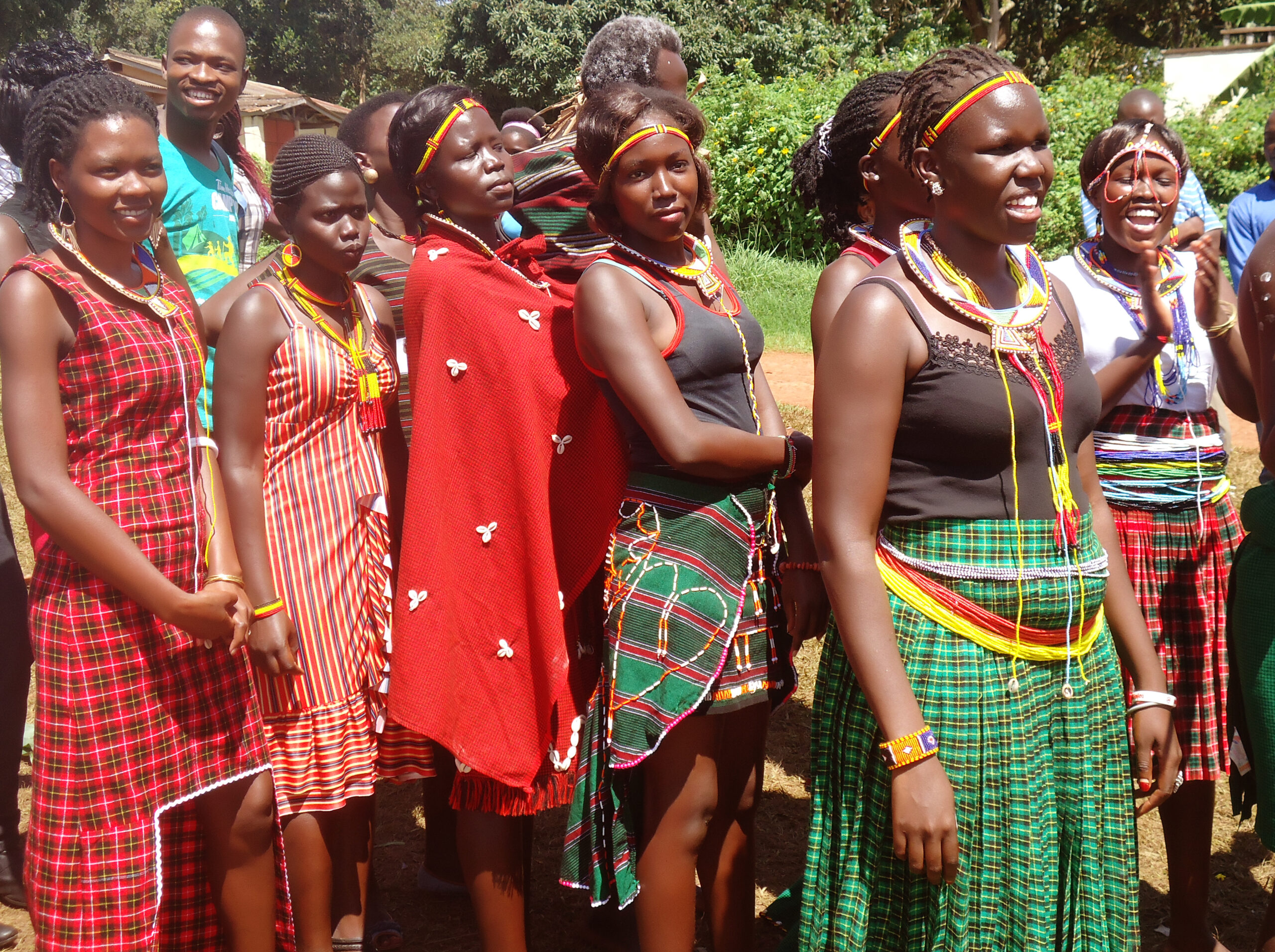
The Karamojong are known for their intricate body scarification, which often denotes bravery or social status. Despite pressure to settle and farm, they remain committed to their nomadic roots, moving across the arid landscape in search of water and pasture. Their colorful beads and elaborate headdresses tell a story of a people who find beauty and strength in one of Africa’s harshest environments.
Conclusion
East Africa’s heritage is a living, breathing tapestry woven by the hands of its people. The indigenous cultures of East Africa do not just inhabit the landscape; they are an inseparable part of it. At Jackal Adventures, we believe that a truly transformative safari must include these human stories. We don’t just take you to see the animals; we introduce you to the people who have lived alongside them for millennia.
Our cultural encounters prioritize respect and authenticity. We work closely with local communities to ensure that tourism supports their schools, protects their traditions, and provides sustainable livelihoods. Whether you want to learn the art of Maasai beadwork or trek through the forest with a Batwa guide, we curate experiences that leave a lasting impact on both you and the host community. Join Jackal Adventures on a journey into the heart of East African heritage where every sunset brings a new story, and every drumbeat connects you to the past.