

How to Combine Chimps and Gorillas in Rwanda
March 17, 2025
What to Bring for Chimpanzee Tracking in Rwanda
March 17, 2025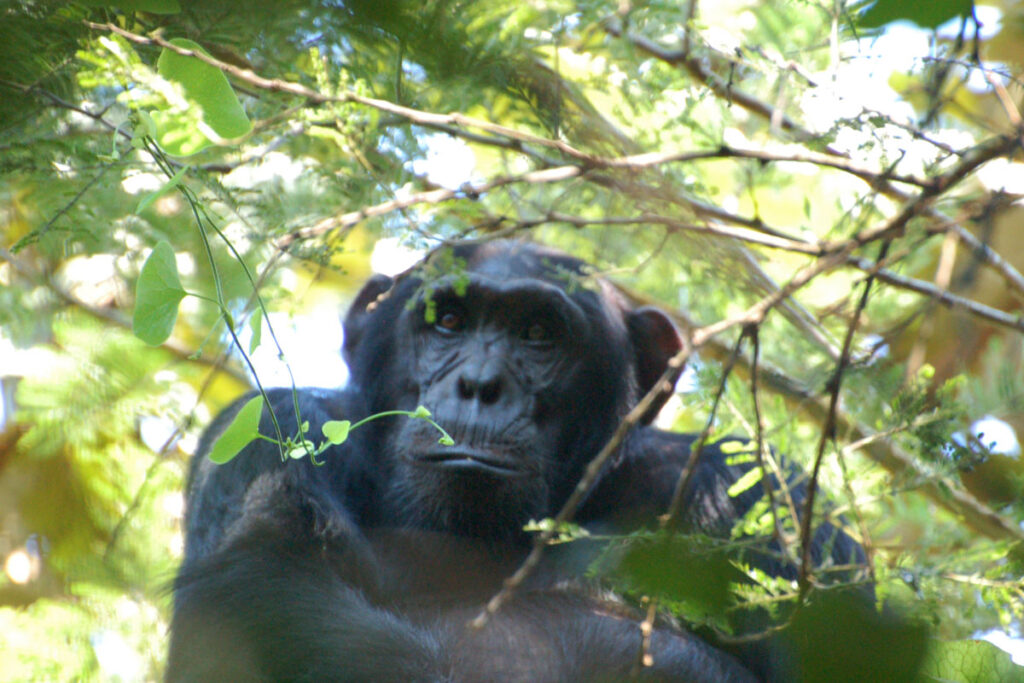
Can I See Chimpanzees Year-Round in Rwanda?
The short answer is a resounding yes. You can see chimpanzees year-round, in Rwanda’s Nyungwe Forest National Park. Unlike some migratory species that vanish with the seasons, Rwanda’s chimpanzees are permanent residents of this ancient montane rainforest. However, while the gates never close, the experience shifts dramatically depending on when you choose to visit. To make the most of your 2026 safari, you must understand how the tropical seasons affect the behavior of these great apes and the physical challenge of the trek.
This guide provides everything you need to know about timing, sighting success rates, and the logistical realities of tracking our closest cousins in the “Land of a Thousand Hills.” If you want to see chimpanzees year-round, this is your roadmap.
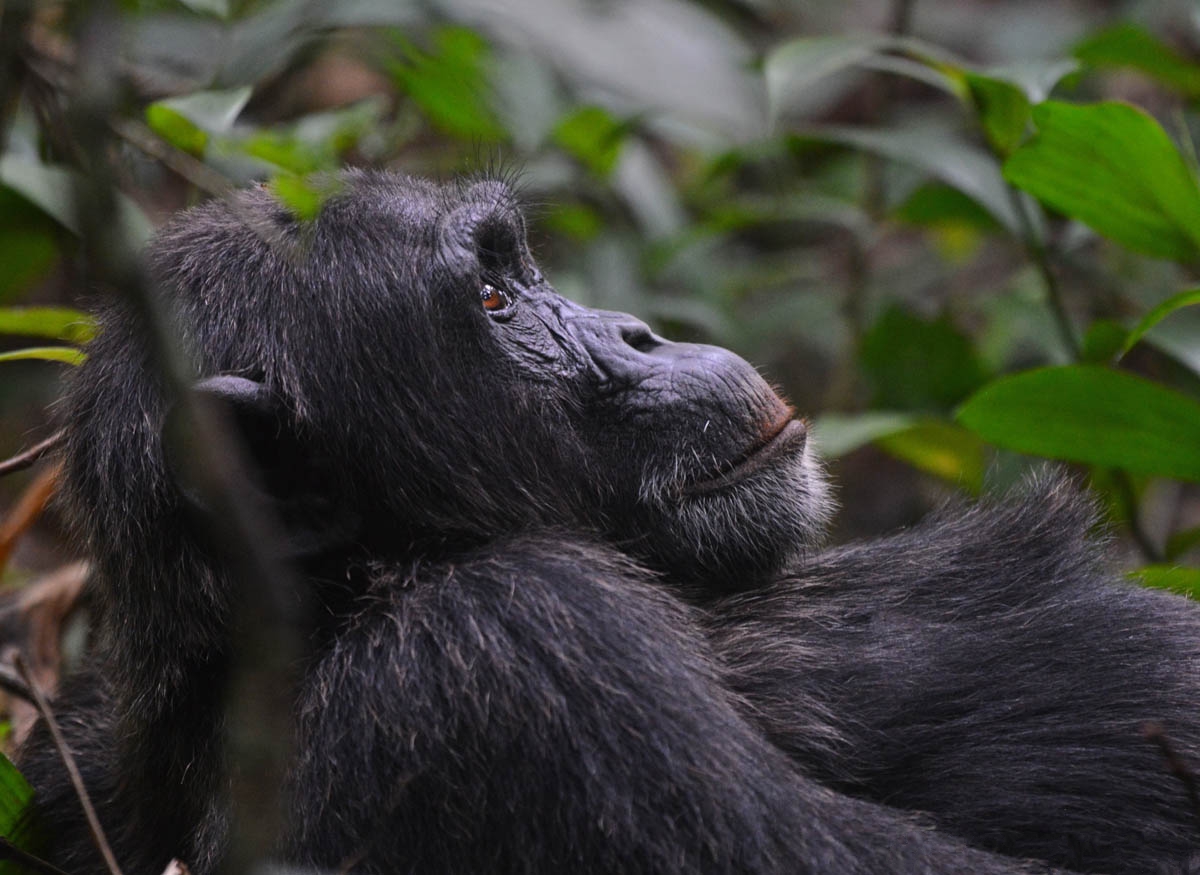
See chimpanzees year-round
The Seasonal Rhythm: When to Go
Rwanda sits just south of the Equator, meaning it does not have a traditional winter or summer. Instead, the year splits into two dry seasons and two rainy seasons. Each provides a unique backdrop for your adventure.
The Dry Seasons: June to September and December to February
These months represent the “peak” season for tourism in Rwanda. During these windows, the forest trails remain relatively firm, and the risk of a torrential downpour mid-trek is lower. For many, this is the best time to see chimpanzees year-round in Rwanda. Yes! Explore our 2026 guide to Nyungwe’s seasons, sighting success, and permit logistics. because the hiking is physically easier. With less mud to contend with, you can cover more ground comfortably. Furthermore, the chimpanzees often congregate near remaining water sources, making their movements slightly more predictable for the expert trackers.
The Rainy Seasons: March to May and October to November
Do not let the word “rainy” deter you. In fact, many experienced primate photographers prefer the wet months. Why? Because this is when the forest is in full fruit. When food is abundant, the chimpanzees do not have to travel as far or as deep into the valley to forage. They often stay in lower, more accessible sections of the forest canopy to feast on ripening figs and berries. While the trails become slick and challenging, the reward is often a faster find and a more “lush” photographic background.
Sighting Success: What Are the Odds?
A common concern for travelers is whether they will actually find the chimps. In Nyungwe Forest, the success rate for guided treks remains impressively high—typically between 80% and 90%. Because the park rangers and advanced trackers head into the forest at dawn to locate the groups before the tourists arrive, you rarely walk blindly.
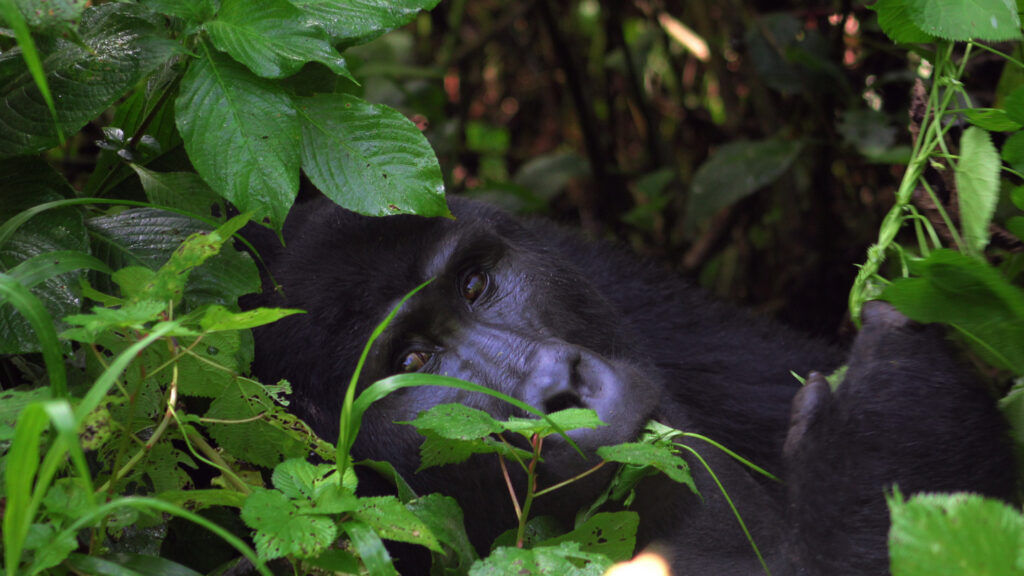
However, you must remember that chimpanzees are far more mobile than mountain gorillas. While a gorilla family might spend the afternoon lounging and munching on bamboo, a chimpanzee troop is a high-energy social machine. They swing through the canopy at speeds humans cannot match on the ground. Therefore, even if you see chimpanzees year-round, your encounter might involve a fair bit of “power walking” through the jungle to keep up with their vocalizations.
Permits and Logistics for 2026
As of 2026, the price for a chimpanzee tracking permit in Rwanda is $250 USD for foreign non-residents. This is an incredible value compared to the $1,500 required for gorilla trekking, making it a “must-add” to any Rwandan itinerary.
-
Age Limit: You must be at least 15 years old to track chimpanzees.
-
Group Size: To minimize stress on the animals, the Rwanda Development Board (RDB) limits groups to a maximum of 8 to 10 people per trek.
-
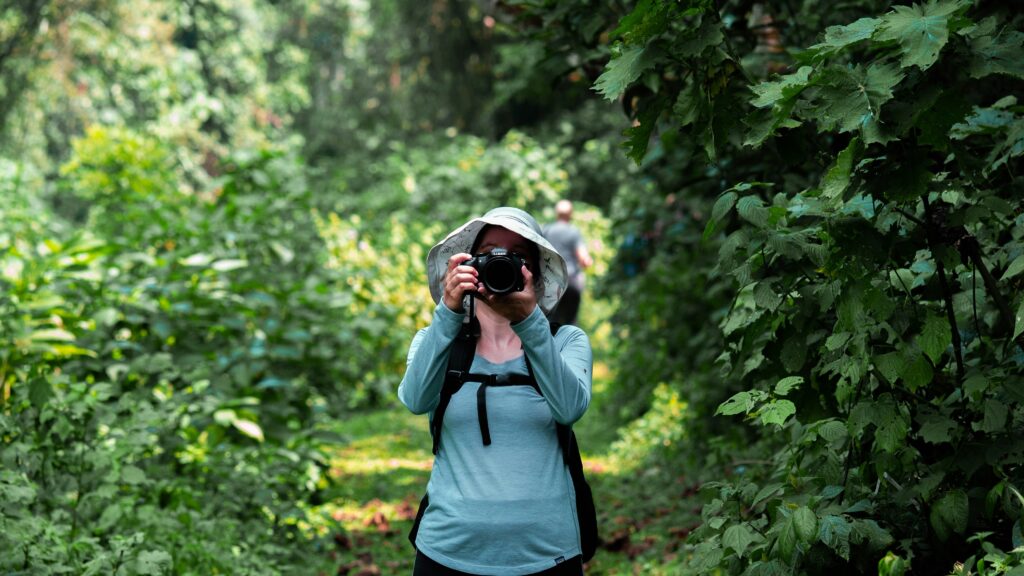
Starting Time: Be prepared for an early start. Briefings usually begin at 5:00 AM at the Uwinka, Gisakura, or Kitabi reception centers. The chimps are most active in the early morning, so the “early bird” truly does get the worm, or in this case, the primate sighting.
The Two Tracking Locations
When you book a permit to see chimpanzees year-round, you will likely visit one of these two distinct sectors. Both offer unique landscapes and different levels of physical challenge.
-
Cyamudongo Forest Section: This small, “island” forest sits disconnected from the main Nyungwe block. Thick tea plantations surround this unique patch of ancient greenery. Because the area is smaller, trackers locate the chimps more easily here. The sightings remain frequently very reliable and intimate. You will find the terrain slightly less daunting, though the forest floor stays dense. This sector serves as an excellent choice for those wanting a higher success rate with shorter hiking times.
-
Uwinka (Main Nyungwe Block): This represents the vast heart of the prehistoric rainforest. The treks here often prove longer and more strenuous due to the deep valleys. However, the sense of being in a massive, ancient wilderness remains unparalleled. You will walk beneath towering mahogany trees and giant ferns. This sector hosts several habituated groups, allowing for a truly “wild” experience. Expect to cover more ground as the chimpanzees move freely through the high canopy. It offers a raw, authentic jungle expedition for the adventurous traveler.
Quick Summary Table: The Best Time for You
| Season | Months | Pros | Cons |
| Long Dry | June – Sept | Easiest hiking; clear skies | Highest demand; most crowded |
| Short Rainy | Oct – Nov | Lush scenery; great birding | Muddy trails; daily rain |
| Short Dry | Dec – Feb | Good visibility; festive vibe | Can be hot; busy season |
| Long Rainy | March – May | Chimps stay lower; lower cost | Most challenging terrain |
Conclusion: Trust Jackal Adventures for the Best Experience
Whether you choose the misty, fruit-filled days of April or the sun-drenched trails of August, the magic of Nyungwe never fades. The opportunity to see chimpanzees year-round ensures that no matter when your holiday falls, Rwanda is ready to welcome you. However, navigating the steep ridges and thick canopy of one of Africa’s oldest forests requires expert planning.
At Jackal Wild Adventure, we pride ourselves on our deep local knowledge. We know which sectors are performing best in any given month and which lodges offer the most warmth after a rainy day in the forest. We handle all your permit logistics, provide comfortable 4×4 transport, and pair you with guides who treat the forest like their own home. Let us take the guesswork out of your 2026 primate safari. When you book with us, you aren’t just a tourist; you are an explorer on a mission to witness the raw beauty of Rwanda. Contact Jackal Adventures today to secure your spot in the forest.




2 Comments
This topic has become increasingly relevant among travelers looking for meaningful and unconventional experiences. From personal adventures and numerous travel blogs, it’s clear that more people are shifting toward discovering hidden gems, immersing in local cultures, and minimizing environmental impact. Exploring new places isn’t just about sightseeing anymore—it’s about forming connections, gaining new perspectives, and sometimes, rediscovering oneself. Whether it’s walking through a quiet village, joining a traditional cooking class, or simply watching wildlife in its natural habitat, these moments are what truly enrich the travel experience. With the growing awareness around sustainability and authentic experiences, it’s time we look beyond the mainstream and embrace journeys that are both enriching and responsible. For anyone planning their next trip, considering these aspects can make a world of difference.
[…] flock here to witness a diverse range of species, from the iconic tree-climbing lions to the playful chimpanzees of the sunken forest. If you are planning a trip to the Pearl of Africa, you must explore the […]