Can I See Chimpanzees Year-Round in Rwanda?
March 17, 2025
Where is Queen Elizabeth National Park Located?
April 2, 2025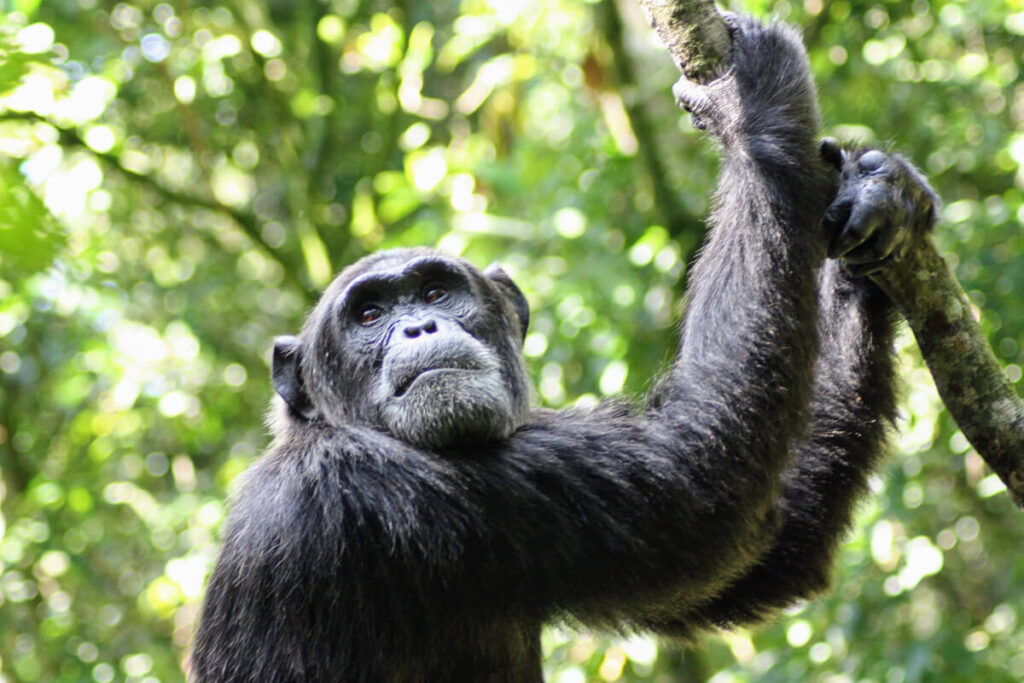
Essential Packing List for Chimpanzee Tracking in Rwanda
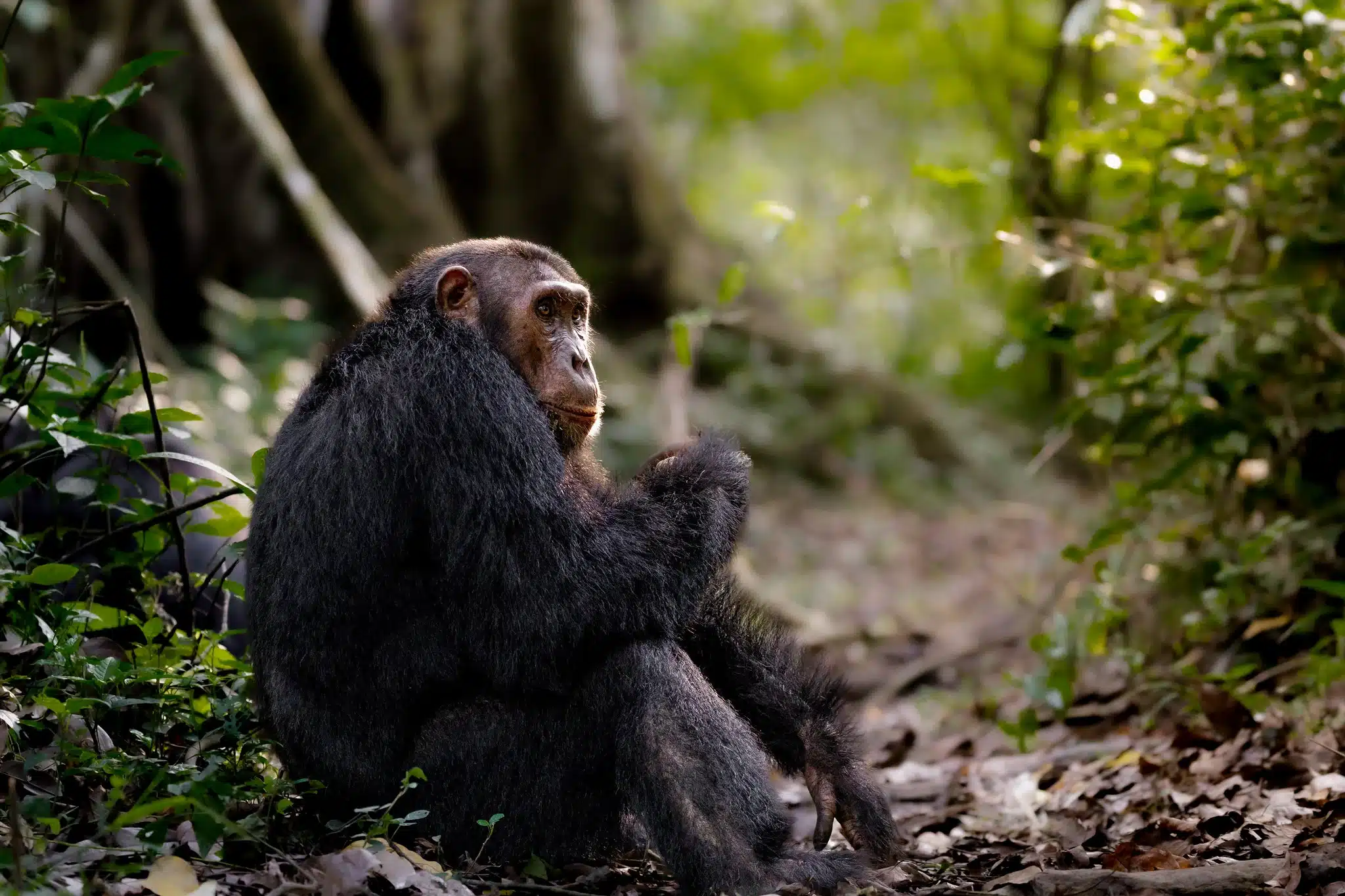
Rwanda, famously known as the “Land of a Thousand Hills,” provides some of the most profound wildlife encounters on the planet. While the majestic mountain gorillas often steal the spotlight, chimpanzee tracking in Rwanda within the lush depths of Nyungwe National Park offers an equally electrifying adventure. These highly intelligent primates share approximately 98% of our DNA, and watching their complex social structures unfold in the wild is a life-changing event.
However, a trek into a high-altitude tropical rainforest is physically demanding. Success depends on your gear. To ensure your safety, comfort, and an optimal viewing experience, you must prepare with precision. Whether you are a seasoned hiker or a first-time traveler with Jackal Adventures Ltd, this comprehensive guide covers every essential item you need to pack for an unforgettable journey.
The Terrain of Nyungwe National Park
Before packing, you must understand the environment. Nyungwe is one of the oldest rainforests in Africa. The terrain consists of steep ridges, deep valleys, and dense undergrowth. Unlike gorilla trekking, where gorillas might stay relatively stationary once found, chimpanzees are highly mobile. They move quickly through the canopy and across the forest floor. To keep up, you need gear that supports agility and endurance.
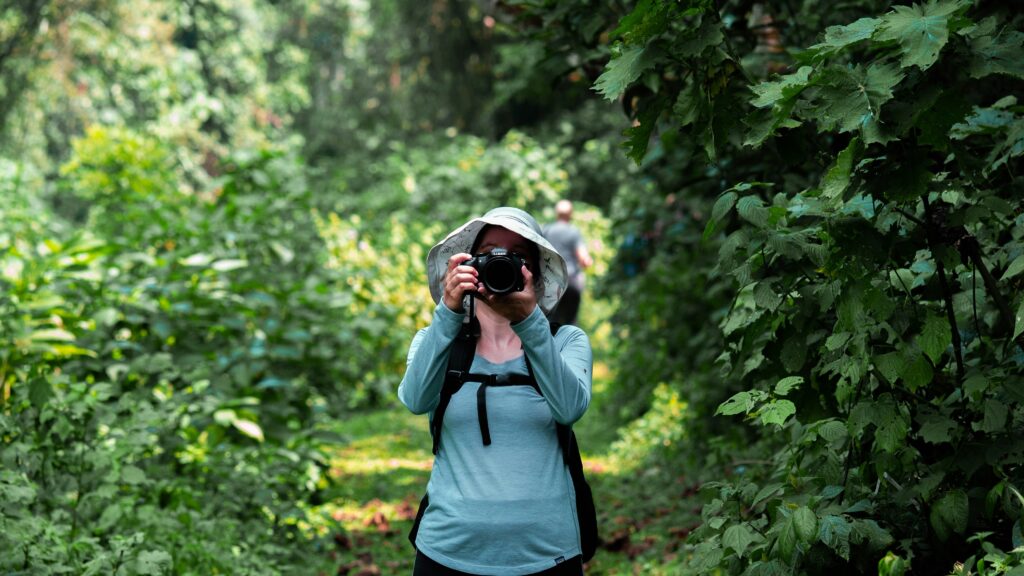
Chimpanzee tracking in Rwanda
1. The Foundation: Trekking Boots
Your choice of footwear determines the quality of your trek. The forest floor stays damp year-round, creating slippery roots and deep mud.
-
Support and Grip: Wear sturdy, waterproof trekking boots with high ankle support. An aggressive tread pattern is vital for maintaining traction on mud-slicked slopes.
-
The Break-in Period: Never wear brand-new boots on a trek. Jackal Adventures Ltd. recommends wearing your boots on several long walks before arriving in Rwanda. This softens the material and prevents blisters that could ruin your experience.
-
Pairs with Socks: Combine your boots with moisture-wicking wool socks. Many trekkers also bring “gaiters,” waterproof sleeves that cover the gap between your boots and trousers to keep mud and stinging ants out of your shoes.
2. Clothing: Protection and Performance
In a tropical rainforest, your clothing acts as a shield. While the humidity is high, you must resist the urge to wear shorts or short sleeves.
-
Long-Sleeved Shirts and Trousers: Dense undergrowth and stinging nettles dominate the trail. Long clothing protects your skin from scratches and insect bites. Lightweight, synthetic fabrics are best because they breathe well and dry quickly if you sweat or get caught in a downpour.
-
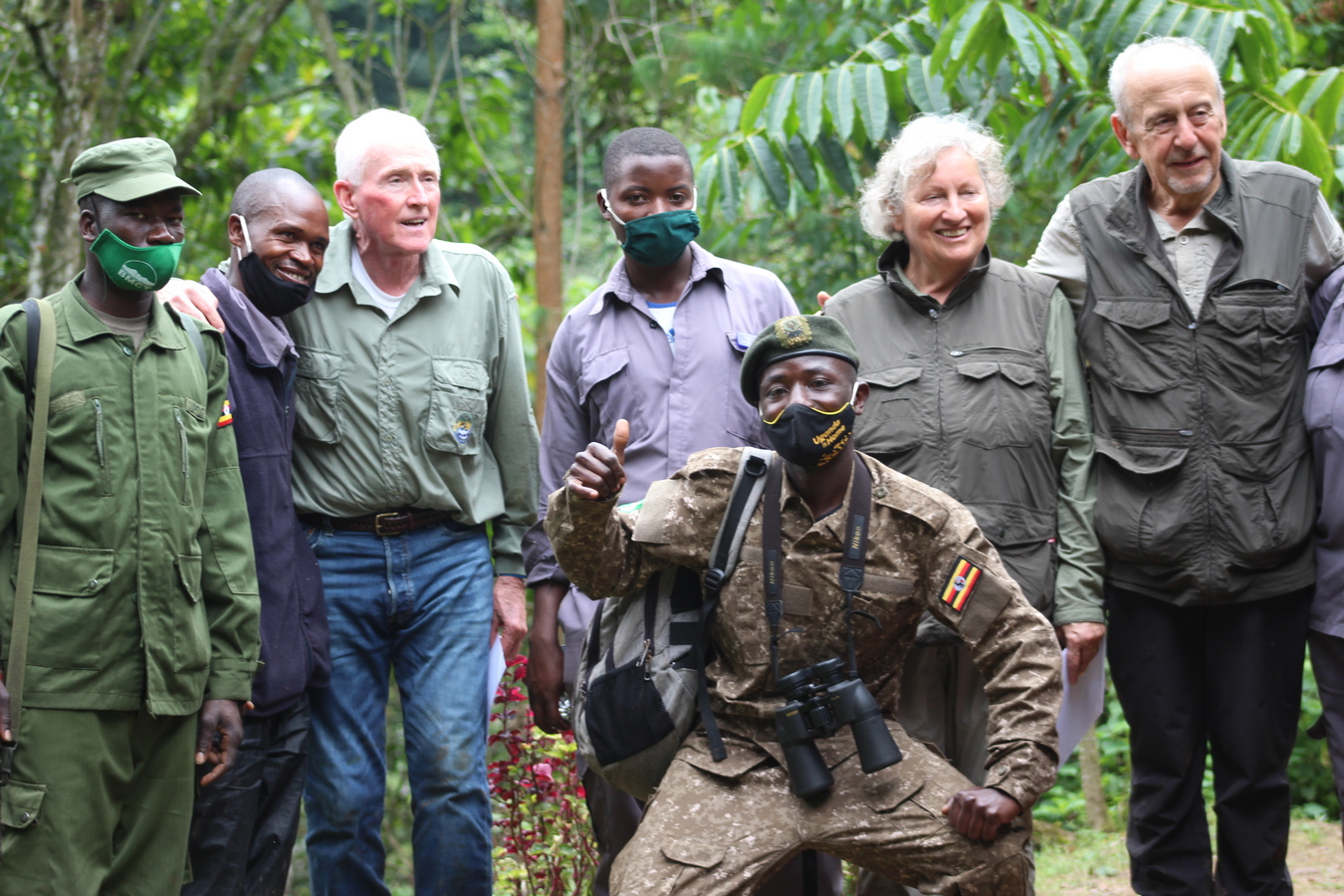
Neutral Colors: Wear “safari colors” like khaki, green, or light brown. Avoid bright colors like red or yellow, which can distract the primates, and stay away from camouflage patterns, which are often reserved for the military in many African nations.
-
The Layering Strategy: Mornings in Nyungwe are often chilly, but temperatures rise as you hike. Wear a base layer that wicks sweat away from your body, topped with a light fleece or long-sleeved shirt that you can remove as you warm up.
Chimpanzee tracking in Rwanda
3. Mastering the Elements: Rain Gear
In Nyungwe, rain is a constant possibility, even during the “dry” season. Staying dry is not just about comfort; it prevents your body temperature from dropping in the shaded forest.
-
Waterproof Jacket: Bring a high-quality, breathable rain jacket. Look for materials like Gore-Tex that allow sweat to escape while keeping rain out.
-
Ponchos: A heavy-duty poncho is a great alternative as it provides excellent ventilation and can easily cover your small daypack.
-
Protection for Electronics: Even “waterproof” bags can fail in a tropical storm. Keep your camera, phone, and permits in dry bags or heavy-duty Ziploc bags inside your backpack.
4. Health and Skin Protection
The forest environment presents unique challenges for your skin and overall health.
-
Insect Repellent: Mosquitoes and tsetse flies live in the forest. Use a repellent with a high concentration of DEET or picaridin. Apply it to your skin and your clothing, focusing on your ankles and wrists.
-
Sunscreen: Even under the canopy, UV rays penetrate the leaves. Apply SPF 30+ sunscreen to your face and neck.
-
Hand Sanitizer: You will likely eat your packed lunch in the forest. Keeping your hands clean is essential for your health and the health of the chimpanzees, who are susceptible to human illnesses.
5. Nutrition and Hydration
Chimpanzee tracking in Rwanda requires significant physical output. You must fuel your body correctly to handle the steep inclines.
-
Water Intake: Carry at least 2 to 3 liters of water. Reusable bladders (like a CamelBak) are excellent because they allow you to sip water without stopping and digging through your bag.
-
Energy Snacks: Pack high-calorie, lightweight snacks. Dried fruit, nuts, energy bars, and chocolate provide a quick glucose boost when your energy flags. Jackal Adventures Ltd. often provides a packed lunch, but having your own favorite snacks ensures you stay motivated.
6. Tools for Observation: Cameras and Binoculars
You are trekking to see one of the rarest sights in nature. Ensure you can see them clearly and document the moment.
-
Binoculars: Chimpanzees spend much of their time high in the trees. A pair of 8×42 or 10×42 compact binoculars is perfect for spotting facial expressions and social grooming behaviors that are invisible to the naked eye.
-
Camera Gear: If you use a DSLR, a 200mm to 400mm telephoto lens is ideal for the canopy. However, remember that flash photography is strictly prohibited as it can agitate the chimpanzees.
-
Smartphone Tips: If you rely on a phone, ensure you have a portable power bank. Cold forest air and constant searching for a signal can drain batteries faster than usual.
7. Essential Documents and Permits
You cannot enter the forest without the proper paperwork.
-
The Permit: Chimpanzee tracking in Rwanda requires a permit issued by the Rwanda Development Board (RDB). Jackal Adventures Ltd. typically secures these for you in advance. Ensure you have the physical or digital copy ready for the 5:00 AM briefing.
-
Identification: Bring your passport or a clear photocopy. Rangers need to verify your identity against your permit before the trek begins.
8. The “Secret Weapon”: Garden Gloves
Many trekkers overlook this item, but experienced guides swear by it. When hiking on steep, muddy slopes, you will instinctively grab onto trees and vines for balance. Many of these plants have thorns or irritants. A simple pair of sturdy gardening gloves allows you to grab onto anything without injuring your hands.
9. A Small Daypack
Keep your hands free for balance. A 20L to 30L daypack with a waist strap is ideal. It should be large enough to hold your water, snacks, rain jacket, and camera gear. Ensure it has a waterproof cover.
10. Mental Preparation and Ethics
The final thing to “pack” is the right mindset.
-
Patience: Chimpanzees are wild animals. Some days they are easy to find; other days they require hours of hiking. Trust your trackers; they are experts at reading “nests” and knuckle-prints.
-
Silence and Distance: When you encounter the troop, keep your voice at a whisper. Stay at least 8 to 10 meters away. This distance protects the chimpanzees from human diseases and ensures they don’t feel threatened.
-
No Littering: Everything you carry into the forest must come out. This preserves the pristine environment for the “Land of a Thousand Hills.”
Conclusion
Preparation is the difference between an exhausting struggle and the adventure of a lifetime. By bringing the right boots, protective clothing, and a respectful attitude, you ensure that your focus remains on the incredible primates in front of you. Chimpanzee tracking in Rwanda is a rare privilege. With the expertise of Jackal Adventures Ltd. and this essential packing list, you are ready to step into the emerald heart of Nyungwe and meet our closest relatives in the wild.