

A Guide to Immersive East African Safaris
In a world addicted to speed, the most profound luxury is the ability to slow down. While traditional safaris often feel like a race to check off the “Big Five” before the next flight, a new movement is reclaiming the wilderness. We call it the art of slow travel. This philosophy prioritizes the depth of an experience over the number of destinations visited. Instead of rushing through three countries in ten days, slow travelers settle into the rhythm of the land, allowing the true spirit of East Africa to reveal itself.
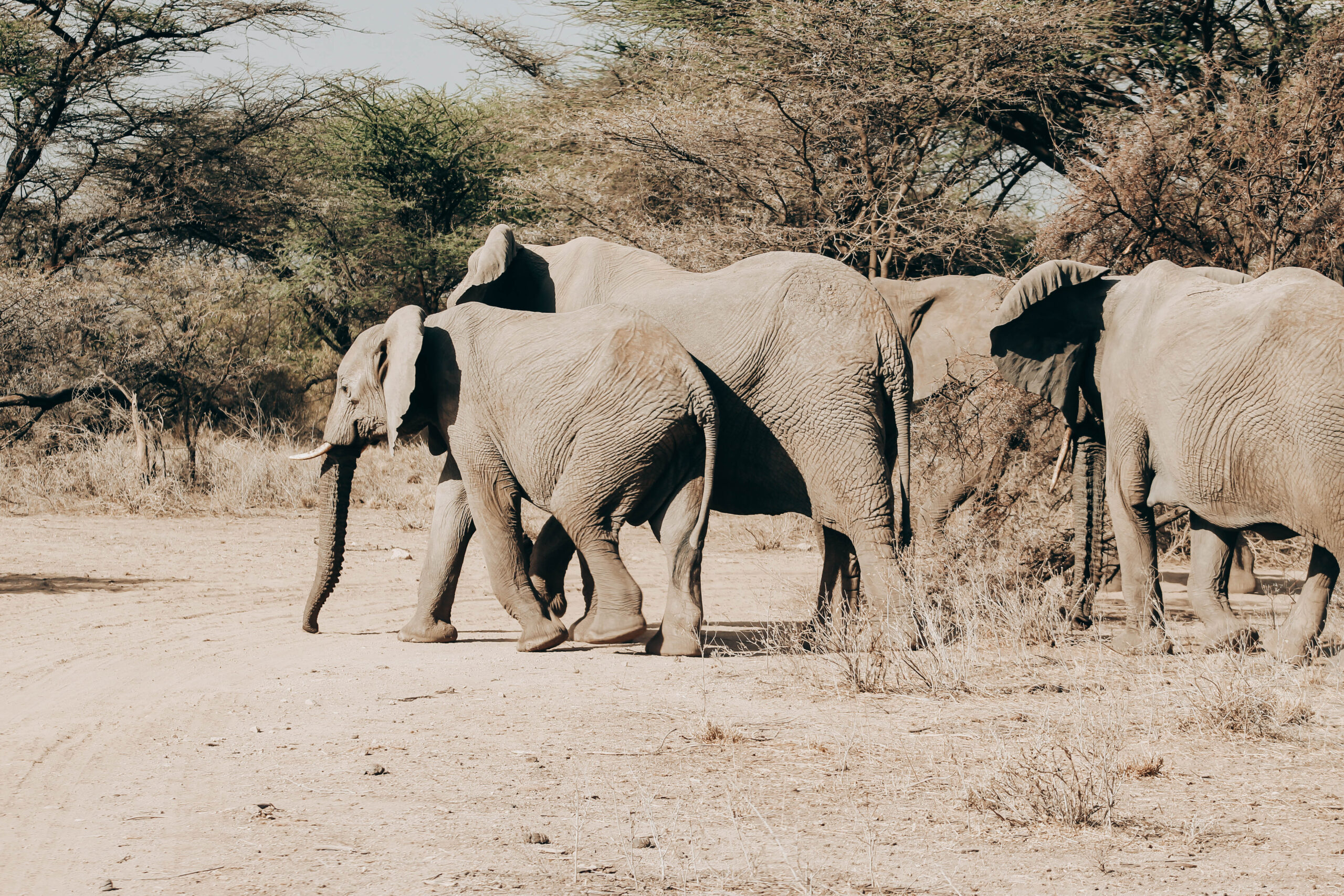
Choosing the art of slow travel means trading frantic 5:00 AM departures for quiet sunrises on your private deck. It means spending four days in a single conservancy rather than four hours. By reducing the pace, you sharpen your senses. You begin to notice the subtle track of a dung beetle, the complex social hierarchy of an elephant herd, and the shifting scents of the acacia woodlands after a midday rain.
the art of slow travel
Slow Travel vs. Fast Travel: A Safari Comparison
To understand why 2026 travelers are choosing a more deliberate pace, consider how different a slow-paced itinerary looks compared to a standard “highlights” tour.
| Feature | Fast-Paced Safari | The Art of Slow Travel |
| Daily Schedule | Multiple transfers and short drives. | Extended stays (3–5 nights) per lodge. |
| Wildlife Focus | Checking off the “Big Five” quickly. | Understanding animal behavior and ecology. |
| Transport | Frequent domestic flights or long drives. | Walking safaris, cycling, and local boats. |
| Cultural Impact | Brief “performative” village stops. | Meaningful community engagement and home-stays. |
| Environmental Footprint | High (more fuel and flights). | Low (carbon-offsetting and solar-powered stays). |
The Pillars of an Immersive Journey
Mastering the art of slow travel requires a shift in mindset. You must view the “white space” in your itinerary not as wasted time, but as an opportunity for discovery.
1. Walking Safaris: The Ultimate Connection
Nothing grounds you in the African bush like the crunch of dry grass beneath your boots. When you step out of the safari vehicle, you transition from an observer to a participant. Walking safaris allow you to read the “morning newspaper” of the wild, the fresh leopard tracks near a watering hole, or the warning cry of a go-away-bird. This intimate pace turns a simple landscape into a living story.
Experienced armed rangers and professional trackers lead every walk to ensure your safety. They teach you how to identify medicinal plants and interpret the complex “alarm calls” of birds. You gain a new perspective on the ecosystem by focusing on the smaller creatures, like dung beetles and vibrant chameleons.
In 2026, many conservancies in Laikipia and the Serengeti now offer multi-day “fly-camping” walking expeditions. You trek from one camp to the next, while a support team moves your luggage and prepares your evening fire. These walks often follow ancient elephant migratory paths, providing a deep connection to the history of the land. Remember to wear neutral-colored clothing, such as khaki or olive green, to blend into the surroundings. This approach minimizes wildlife disturbance and allows for closer, more natural encounters.
2. Specialized Conservation Stays
Many modern lodges in 2026, such as the new Erebero Hills in Uganda or the solar-powered camps in the Serengeti, integrate guests into their conservation work. This shift turns a passive vacation into a meaningful contribution. The art of slow travel gives you the time to join a ranger on a de-snaring patrol or participate in a reforestation project. These activities create a legacy that lasts far longer than a photograph.
At Erebero Hills, for instance, guests participate in an ambitious reforestation project that aims to create a forest buffer zone around Bwindi Impenetrable Forest. This project will eventually provide an accessible forest for the Batwa people, who can no longer enter the national park. By helping to plant native species, you directly support the expansion of a vital ecosystem for mountain gorillas.
In the Serengeti, solar-powered camps like Dunia and Sayari offer more than just low-impact lodging. Guests can join “conservation game drives” that focus on tracking endangered species like the black rhino using telemetry. Some lodges also invite visitors to participate in camera-trap monitoring to help researchers study predator movements. These hands-on experiences provide deep insight into the daily challenges of wildlife stewardship. They also ensure that your travel dollars fund tangible, long-term environmental solutions
3. Culinary and Cultural Immersion
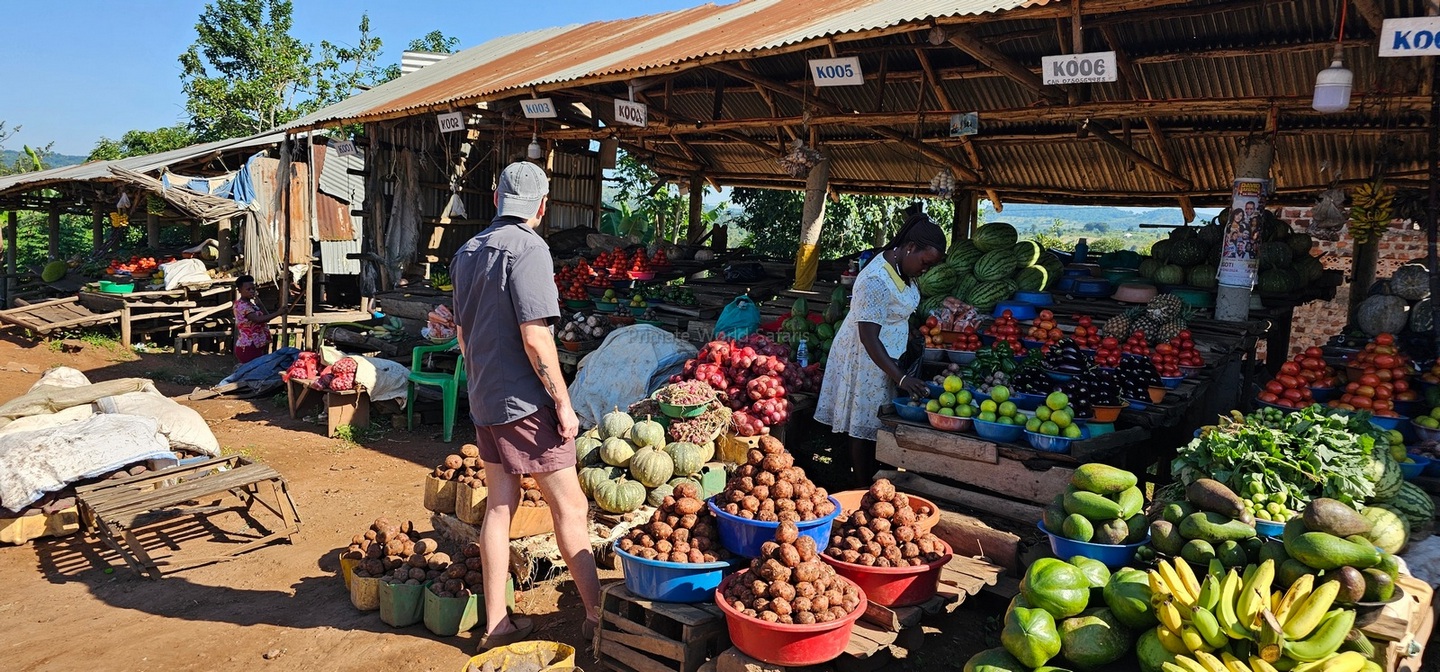
Food serves as a gateway to culture. The art of slow travel encourages you to visit local markets, participate in coffee roasting in the foothills of Mount Elgon, or learn traditional Swahili cooking techniques on the coast. These interactions foster genuine human connections that a window seat in a tour bus simply cannot provide.
In 2026, “farm-to-table” experiences dominate the East African travel landscape. You can spend an afternoon with a Sabiny family in Eastern Uganda, learning how to harvest and grind millet for traditional porridge. These sessions often take place in family gardens, surrounded by the very crops you will soon eat. On the Zanzibar archipelago, specialized spice tours now include full-day workshops. You learn to balance cloves, cardamom, and lemongrass to create authentic pilau or coconut-based curries.
Slow travel also highlights the importance of traditional beverage culture. In the highlands, you don’t just drink coffee; you experience the labor behind it. You join farmers in hand-picking ripe red cherries and roasting them over an open flame. This process reveals the intense effort required to produce a single cup. These culinary exchanges do more than fill your stomach. They support local economies and preserve ancestral knowledge that fast-paced tourism often overlooks. By sitting down for a meal, you bridge the gap between “tourist” and “guest,” creating memories based on shared stories and flavors.
the art of slow travel
Why 2026 is the Year to Slow Down
Travelers in 2026 increasingly seek “digital detox” experiences. East Africa offers the perfect antidote to the “always-on” culture of the West. Staying in remote, off-grid camps allows your nervous system to recalibrate to the sounds of the wilderness.
Improved infrastructure, like the East Africa Tourist Visa and better-connected regional roads, actually makes slow travel easier. You can now transition seamlessly from a week of “slow trekking” in the Rwenzori Mountains to a quiet retreat on the shores of Lake Mutanda without the stress of complex border crossings.
Practical Tips for Planning Your Slow Safari
-
Limit your locations: Pick two high-quality regions (e.g., Laikipia and the Maasai Mara) rather than trying to see five national parks.
-
Choose “Base” Lodges: Look for properties that offer diverse activities, such as walking, night drives, and community visits, so you don’t have to move to find variety.
-
Pack Light but Right: Focus on versatile gear that suits both a dusty trail and a sunset bush dinner.
-
Prioritize the “Green Season”: Travel during the quieter months (May or November) to enjoy the landscape without the crowds of peak season.
Conclusion
At Jackal Adventures, we specialize in the “unhurried” expedition. We believe that true adventure requires time, patience, and expert guidance. Our team designs bespoke itineraries that honor the art of slow travel, ensuring you return home not just with photos, but with a changed perspective.
We hand-pick boutique lodges and private conservancies that share our commitment to sustainability and deep-rooted authenticity. From the misty heights of the Virunga Massif to the hidden kopjes of the southern Serengeti, we provide the logistics so you can focus on the moment. We invite you to trade the checklist for the connection.
