Logistics of a Multi-Country Safari: Uganda, Kenya, and Tanzania
February 6, 2026
top 5 luxury accommodations in kenya
February 6, 2026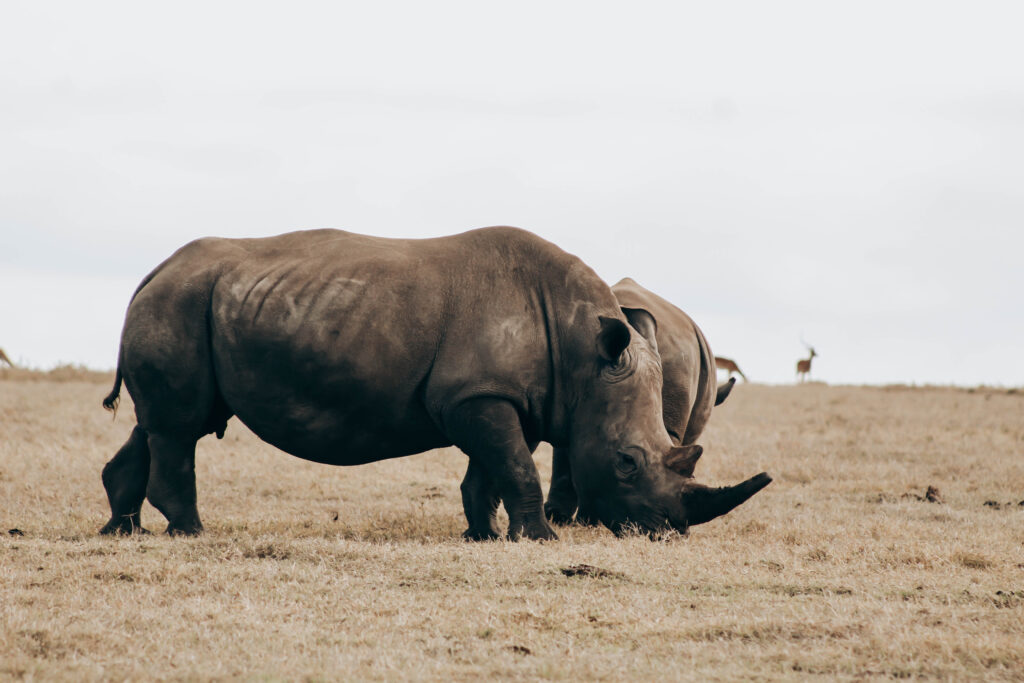
Lake Nakuru Rhino Sanctuary
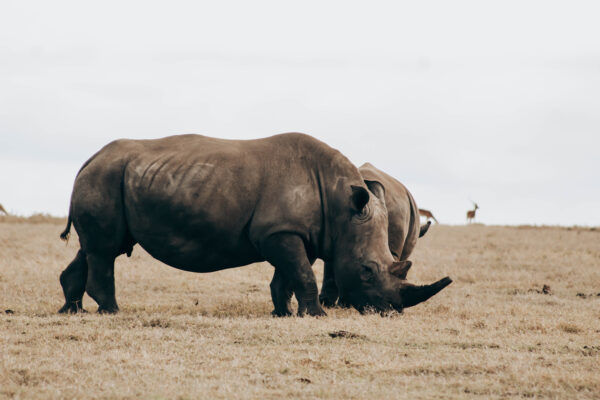
While Lake Nakuru National Park is globally famous for its “pink” horizons of flamingos, it holds a much more rugged title: Kenya’s first and most successful Rhino Sanctuary. Lake Nakuru Rhino Sanctuary is a world where these prehistoric giants are constantly under threat, Lake Nakuru offers a rare glimpse of hope and a near-guarantee of a sighting. The park’s rolling grasslands and acacia woodlands provide the perfect backdrop for these massive creatures, making every encounter a photographic treasure. Rangers and conservationists work tirelessly to protect the rhinos from poaching, ensuring their populations continue to grow. Beyond rhinos, Lake Nakuru is home to giraffes, zebras, and waterbuck, creating a vibrant mosaic of wildlife. Morning and late afternoon drives offer the best light and activity, with rhinos often grazing peacefully against the shimmering lake. A guided tour with experts from Jackal Adventures, elevates the experience, combining safety, insight, and unforgettable sightings.
A Sanctuary Born of Necessity
Established in 1984, the sanctuary was a bold response to the poaching crisis that decimated rhino populations across Africa. The park was the first in Kenya to be fully enclosed by a 188 km² electric fence, creating a high-security “fortress” that allows rangers to monitor every individual rhino closely. Today, the sanctuary is home to over 150 rhinos, split between two distinct species:
- Southern White Rhinos (80%): These are the “gentle giants” of the park. As grazers, they are often seen out in the open, vacuuming up grass along the lake’s shoreline or the southern plains. Their calm presence makes them ideal subjects for photography, especially in the soft light of early morning.
- Eastern Black Rhinos (20%): These are the shy, elusive cousins. As browsers, they prefer the thick acacia woodlands. Seeing one is a true safari trophy, as they are critically endangered and much more solitary. Tracking a black rhino requires patience and a knowledgeable guide, as they often remain hidden among dense foliage. Rangers equipped with GPS collars monitor movements to ensure safety and conservation. With Jackal Adventures guiding your safari, you gain insider access and expert spotting tips, maximizing your chances of encountering both species in their natural habitat.
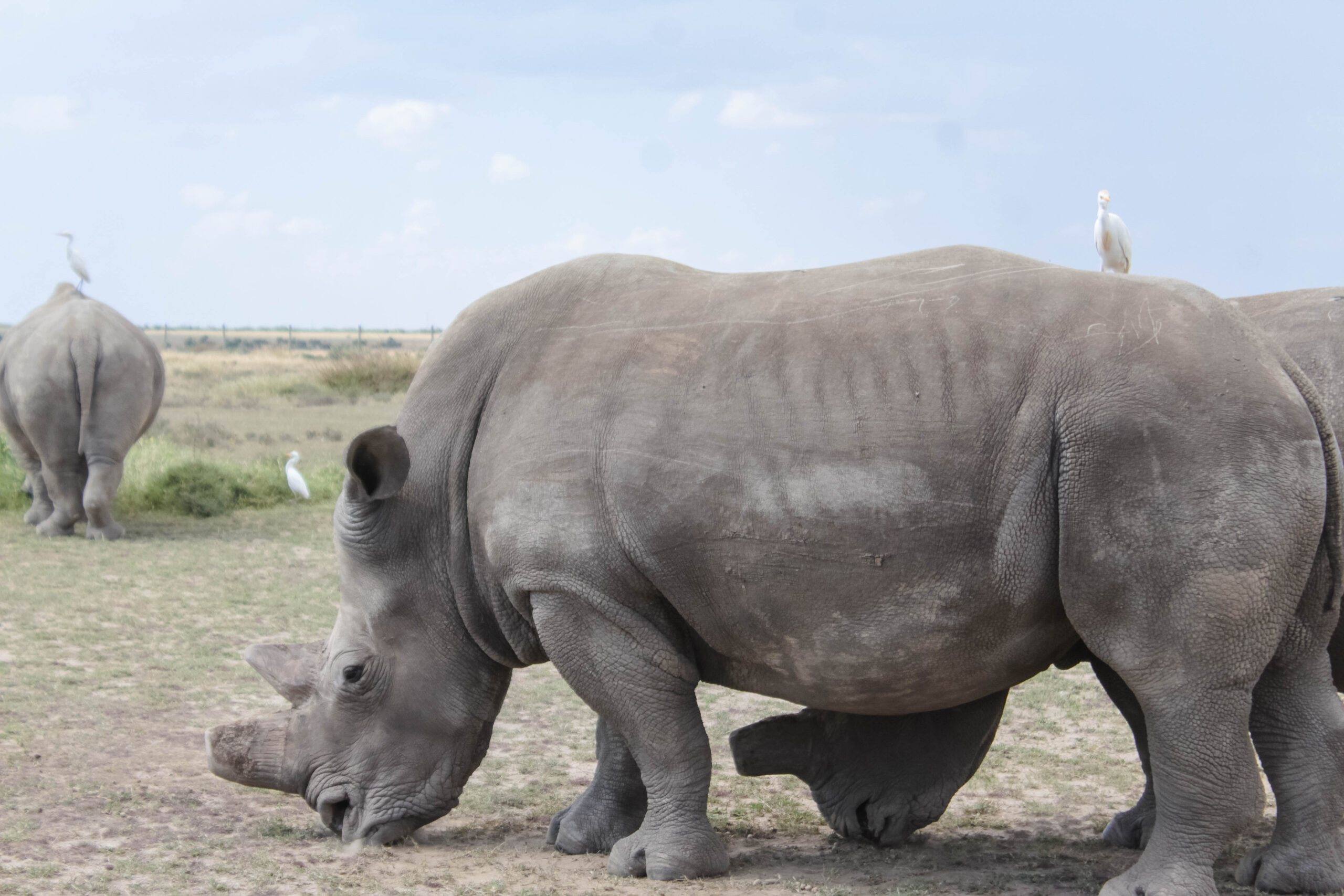
White Rhino
Where to Spot Them
Because the park is compact, you don’t have to drive for hours to find them. The best spots include:
- The Southern Sector: The open grasslands here are the preferred “buffet” for white rhino families.
- The Causeway: A strip of land that often hosts white rhinos grazing near the water’s edge, sometimes mingling with zebras and buffalo.
- Acacia Forests (Near the Cliff Heights): This is where you should keep your binoculars ready for the pointed lip of a black rhino poking through the brush.
Beyond the Rhino: The Supporting Cast
While the rhinos are the stars, Lake Nakuru is a “Big Five” destination (minus the elephant). Because there are no elephants, the acacia forests remain thick and lush, supporting:
| Species | Why they are special here |
| Rothschild’s Giraffe | One of the few places to see this rare subspecies (look for their “white socks”). |
| Tree Climbing Lions | Unlike most lions, the prides here frequently lounge in the yellow-barked acacia trees. |
| Leopards | The rocky cliffs and dense forests make this one of Kenya’s best spots for leopard sightings. |
| The Flamingos | Millions of Lesser and Greater flamingos still turn the shoreline into a shimmering pink ribbon. |
Pro-Tips for Your Visit
Arrive at the gate by 6:30 AM. Rhinos are most active in the cool morning air before they retreat into the shade of the fever trees to escape the midday heat. With a guided tour from Jackal Adventures, you’ll be in the right spot at the perfect time for unforgettable sightings. Don’t be fooled by their calm demeanor. A white rhino can weigh over 2,000kg and move surprisingly fast. Always stay in your vehicle and follow your guide’s instructions. To tell the difference between a black and white rhino from a distance, look at the head. Black rhinos have a hooked lip and hold their heads high; white rhinos have a square lip and usually keep their heads low to the ground. A knowledgeable guide from Jackal Adventures can help you spot elusive rhinos, interpret behaviors, and ensure your safari is both safe and enriching.