

The Ultimate Guide to Lake Mburo National Park
While the massive Bwindi Impenetrable Forest and the thunderous Murchison Falls often steal the spotlight, Lake Mburo National Park offers a unique, intimate safari experience that you won’t find anywhere else in Uganda. As the country’s smallest savannah park, it packs an incredible diversity of habitats from 13 different lakes and papyrus swamps to rocky outcrops and open woodlands into a manageable and highly accessible landscape.
This comprehensive guide by Jackal Adventures explores why this “whispers of the wild” destination is the perfect addition to your 2026 Ugandan itinerary, covering everything from wildlife and activities to conservation history and travel logistics.
Why Choose Lake Mburo National Park?
Situated in the rolling hills of Kiruhura District, Lake Mburo National Park serves as a strategic and scenic bridge between the bustling capital of Kampala and the mountain gorilla sanctuaries of the west. However, the park holds its own as a standalone destination for several compelling reasons:
-
The Only Home of the Impala: This is the only park in Uganda where you can find the graceful impala. Interestingly, the capital city, Kampala, derives its name from these agile antelopes (K’empala meaning “of the impala”).
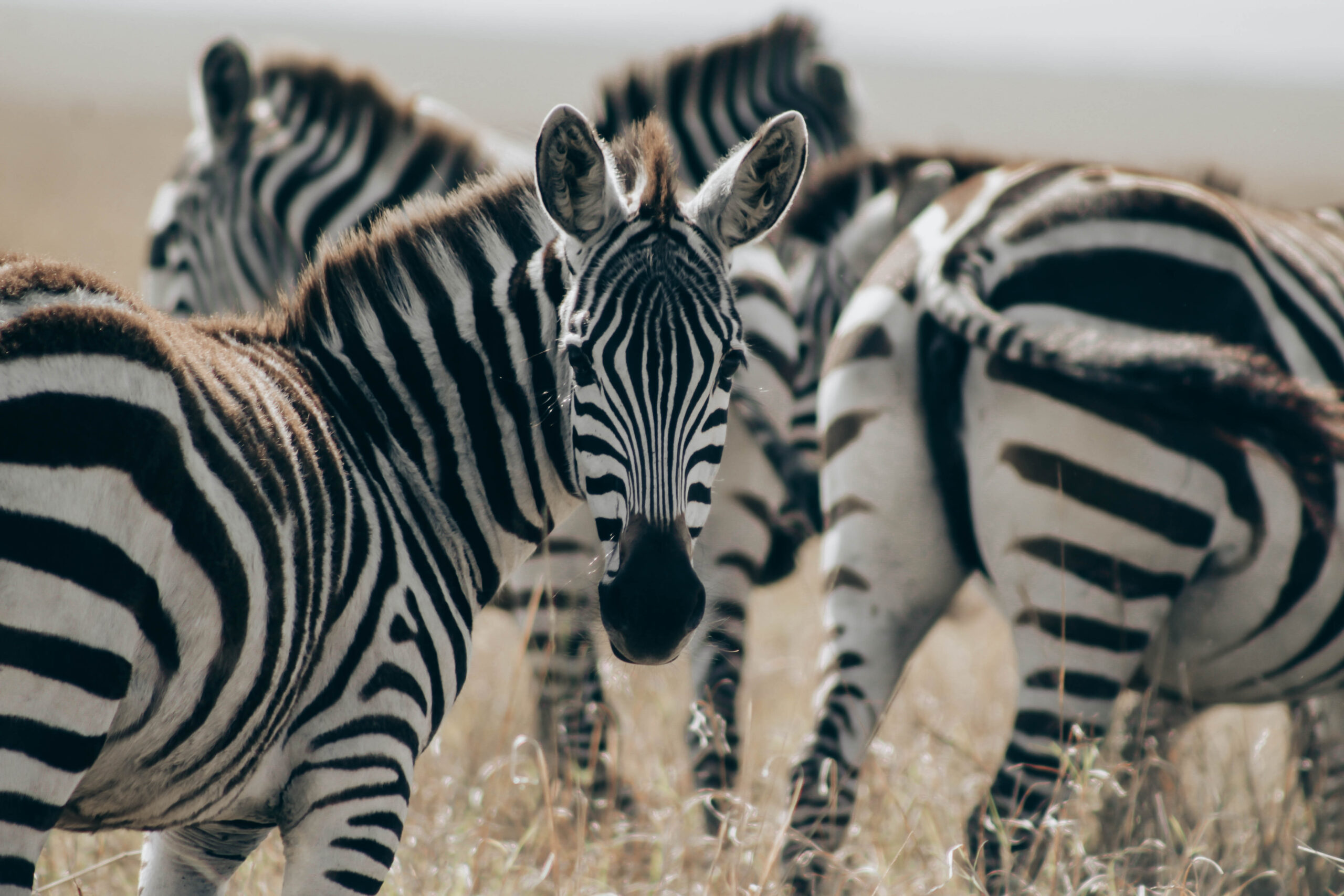
Exclusive Wildlife Mix: Alongside the impala, the park is the only place in southern or western Uganda where you can see Burchell’s zebra and the massive eland, the largest antelope on earth. In 2015, the Uganda Wildlife Authority (UWA) successfully reintroduced Rothschild’s giraffes from Murchison Falls, and the population is now thriving across the acacia woodlands.
- Active Safari Options: Because the park lacks elephants and has a low density of large predators, it is one of the safest places in East Africa for guided walking safaris, mountain biking, and horseback riding. These activities allow you to experience the wild without the hum of an engine.
-
A Birder’s Paradise: With over 350 recorded species, the park is a premier hotspot. It is one of the most reliable places in Africa to spot the elusive African Finfoot and the rare Shoebill Stork in the swampy fringes of the lake.
Lake Mburo National Park
The Legend and History of the Park
The name “Mburo” is rooted in a fascinating local legend of the Ankole people. According to oral tradition, two brothers named Mburo and Kigarama lived in the valley. One night, Kigarama had a dream that the valley would flood. He urged his brother to flee to the surrounding hills, but Mburo refused. Kigarama moved to the high ground (now the Kigarama Hills), and shortly after, a massive flood drowned Mburo. The resulting lake was named in his memory.
Historically, the area was a communal grazing ground for the Bahima pastoralists and their iconic long-horned Ankole cattle. It was designated as a controlled hunting area in 1933 and upgraded to a National Park in 1983. Today, the park is a model for community-based conservation, where 20% of all park entrance fees are reinvested into local schools and clinics to ensure that the surrounding communities benefit directly from tourism.
Top Activities to Experience in 2026
1. Boat Cruise on Lake Mburo
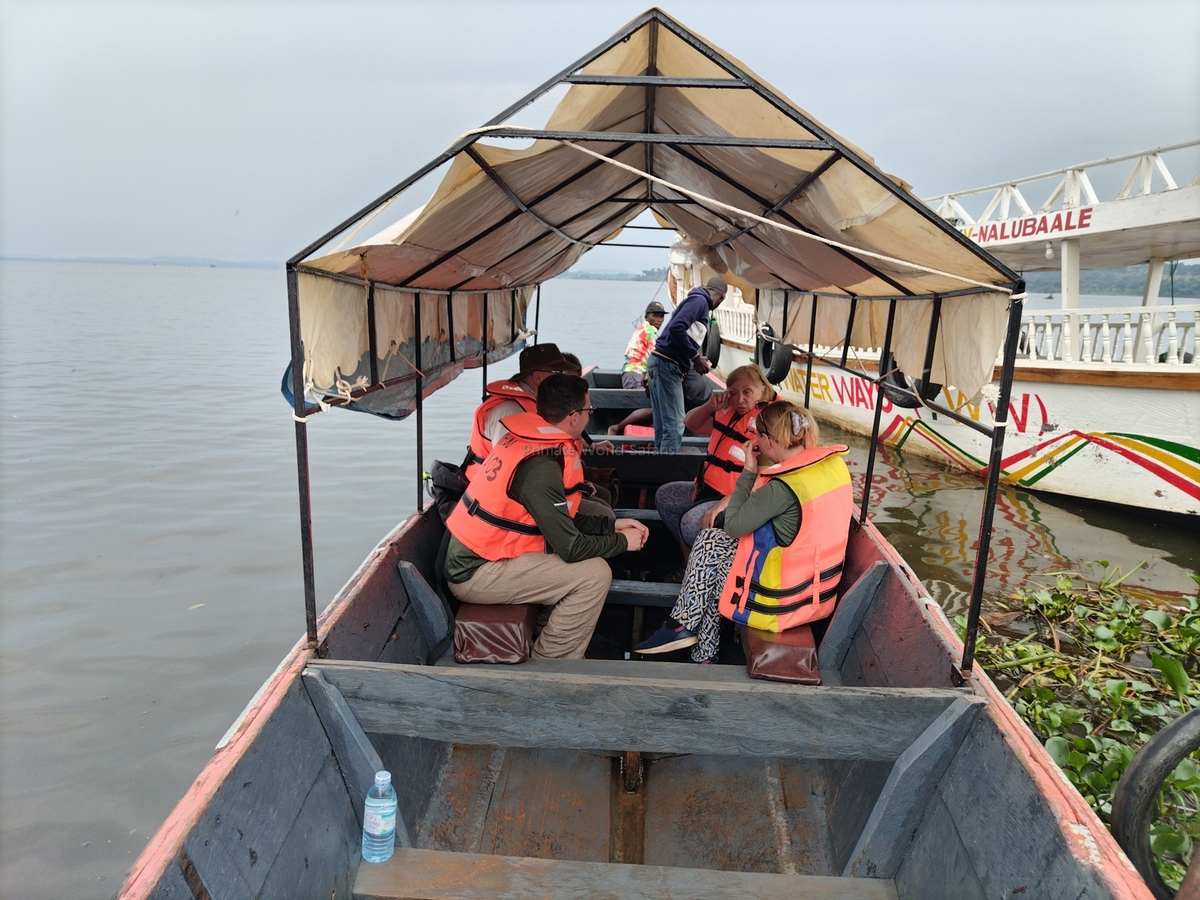
A two-hour boat trip remains the quintessential Mburo experience. As you glide across the calm waters, you will encounter schools of hippos and massive Nile crocodiles. The lake’s edge is a theater for birdlife; watch for the African Fish Eagle or the Malachite Kingfisher. In the early morning or late afternoon, you may even spot a leopard coming down to the water’s edge for a drink.
2. Horseback Safaris
Imagine trotting alongside a herd of zebras in total silence. Operated by the world-renowned Mihingo Lodge, these safaris range from short two-hour “hacks” to overnight camping trips. It is a truly immersive way to see the animals, as they perceive the horses as fellow grazers rather than a threat.
3. Guided Walking Safaris and the Salt Lick
Under the protection of an armed UWA ranger, you can explore the park on foot. The most popular trail leads to a natural salt lick. Here, a raised wooden platform allows you to watch elands, zebras, and topis congregate to lick the mineral-rich soil. It is a peaceful, slow-paced way to appreciate the smaller details of the savannah.
4. Night Game Drives
Using powerful spotlights, you head into the bush after dark to find the park’s nocturnal residents. This is your best chance to see leopards, which are surprisingly common in Mburo due to the high density of prey. You might also spot bushbabies, pottos, and white-tailed mongooses.
5. The Kazuma Lookout
For the best panoramic view in the park, hike to the Kazuma Lookout. From this high ridge, you can see eight of the thirteen lakes in the Mburo-Nakivale system. The vista of rolling hills and acacia-dotted valleys is spectacular, especially at sunset.
Essential 2026 Permit Costs and Fees
The Uganda Wildlife Authority maintains a transparent tariff structure. Fees are valid for 24 hours from the time of entry, allowing you to maximize your stay.
| Category | Entrance Fee (Adult) | Boat Cruise | Night Game Drive |
| Foreign Non-Residents | $40 USD | $30 USD | $40 USD |
| Foreign Residents | $30 USD | $25 USD | $35 USD |
| East African Citizens | 20,000 UGX | 30,000 UGX | 40,000 UGX |
Note: Vehicle entry fees for foreign-registered saloon cars are $40 USD, while Ugandan-registered tour vehicles pay 30,000 UGX per entry.
Cultural Encounters: The Bahima Way of Life
No visit to Lake Mburo National Park is complete without engaging with the local Ankole culture. The Bahima people are famous for their Ankole Long-horned cattle, which are considered symbols of wealth and beauty.
Jackal Adventures can organize a visit to a local homestead where you can:
-
Try Traditional Milking: Learn the art of milking by hand into a wooden vessel called an ebyanzi.
-
Ghee Making: Watch the traditional process of churning milk into ghee using a large bottle gourd.
-
Visit the Igongo Cultural Centre: Located just outside Mbarara, this museum provides a deep dive into the history of the southwest kingdoms and their relationship with the wild.
Lake Mburo National Park
Flora and Fauna: A Mosaic of Habitats
Lake Mburo is unique because it represents the northernmost limit of the South African Savannah. Because elephants were absent for many decades, the park’s vegetation has thickened into a lush acacia woodland. This habitat supports:
-
Mammals: 68 species, including buffalo, warthog, topi, and waterbuck.
-
Birds: 350 species, including the Red-faced Barbet (endemic to this region), the Papyrus Gonolek, and the African Grey Hornbill.
-
Flora: Ancient Precambrian rocks, some over 500 million years old, form the ridges. The vegetation ranges from dense Rubanga Forest to open plains.
Best Time to Visit
While the park is open year-round, the Dry Seasons (June–August & December–February) are ideal for wildlife viewing as animals congregate near the lakes. However, the Wet Seasons (March–May & September–November) turn the park into a lush, green paradise, which is perfect for birdwatching and landscape photography.
Getting There
By Road: Located 240km west of Kampala, the drive takes about 3.5 to 4.5 hours. You will pass the Equator crossing at Kayabwe, a perfect spot for photos and souvenirs.
By Air: For those short on time, domestic flights from Entebbe to Kisoro or Mbarara are available, followed by a short transfer.
Plan Your Safari with Jackal Adventures
At Jackal Adventures, we specialize in crafting 2026 itineraries that showcase the “whispers of the wild.” Whether you want a luxury stay at Mihingo Lodge, a mid-range retreat at Rwakobo Rock, or a budget-friendly experience at the Rwonyo Rest Camp, we handle every detail. We ensure your permits are secured, and your professional guide is ready to show you the hidden corners of this savannah jewel.
