

After Dark in the Savanna: The Night Safari in Kenya
February 17, 2026
The Serengeti Safari Complete Guide
February 17, 2026
Unveiling the Tree-Climbing Lions
The Ishasha sector of Queen Elizabeth National Park serves as a sanctuary for one of nature’s most baffling and beautiful sights: the Ishasha tree-climbing lions. While lions across Africa typically remain terrestrial, these specific prides have mastered the art of scaling ancient sycamore-fig and albizia trees. Witnessing a thousand-pound predator lounging on a delicate branch against the backdrop of the Albertine Rift is a memory that stays with you forever.
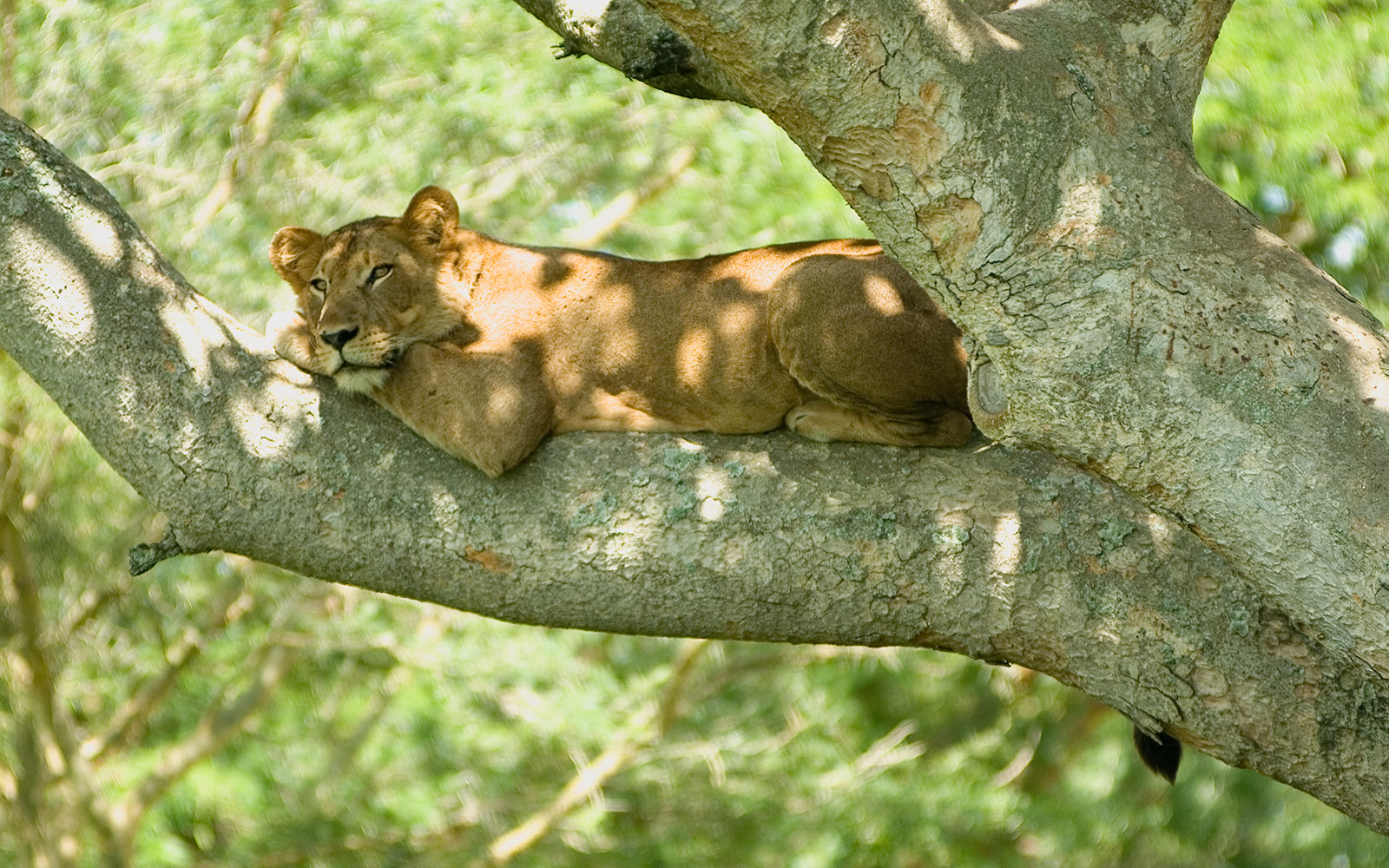
Ishasha tree-climbing lions
Why Do Lions Climb Trees in Ishasha?
The question on everyone’s mind when they first hear about these arboreal felines is, “Why?” While scientists still debate the exact reasons, several compelling theories explain the unique behavior of the Ishasha tree-climbing lions.
One primary theory points to the tsetse flies. These notorious insects, prevalent in the Ishasha sector, deliver painful bites. The cooler, breezier air high in the trees offers a refuge from these irritating pests, allowing the lions to rest undisturbed during the heat of the day. Imagine trying to nap with constant buzzing and biting, the trees become a natural sanctuary.
Another significant factor is temperature regulation. The Ishasha sector, part of Queen Elizabeth National Park in Uganda, experiences intense midday heat. The shade provided by the dense canopy of the fig trees offers a much-needed escape from the scorching sun. From their elevated perches, the lions can enjoy a refreshing breeze, making their rest far more comfortable than lying on the hot ground. This thermal comfort is a powerful incentive for these large cats to hoist themselves into the branches.
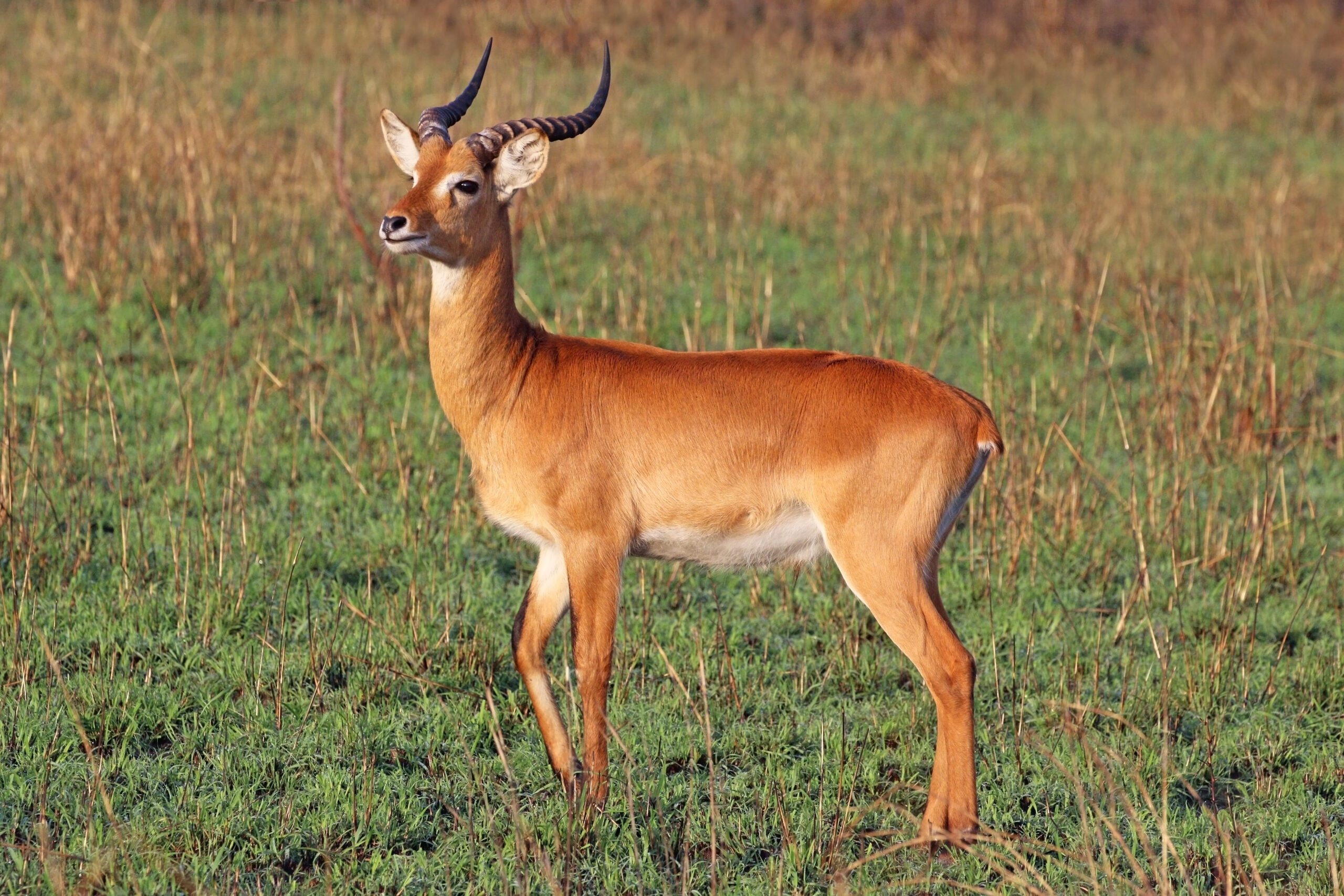
Furthermore, climbing trees provides an excellent vantage point. From the sturdy limbs, the Ishasha tree-climbing lions gain a superior perspective of their surroundings. This elevated position allows them to scout for prey, such as the abundant Uganda kobs and topi that graze in the Ishasha plains. It also enables them to monitor other predators or potential threats, giving them a strategic advantage in their hunting grounds. The ability to survey their territory from above is an invaluable tool for survival.
Finally, some experts suggest that the trees offer a haven from stampeding buffalo. While less common, a herd of angry buffalo could pose a serious threat to a resting pride on the ground. The trees provide an instant escape route, ensuring the lions’ safety from such confrontations. All these factors contribute to the distinctive behavior of the Ishasha tree-climbing lions.
The Best Time to Witness This Spectacle
To maximize your chances of seeing the Ishasha tree-climbing lions, timing is crucial. The dry season, typically from June to September and December to February, offers the best opportunities. During these months, vegetation is sparser, improving visibility. Additionally, lions are more likely to seek shade in the trees during the hotter, drier periods. Early mornings and late afternoons are also prime viewing times, as the lions are often more active and visible before the midday heat encourages them to retreat into the canopy for a siesta. A patient and knowledgeable safari guide significantly enhances your chances of a successful sighting.
Planning Your Ishasha Adventure
Visiting the Ishasha sector requires careful planning. Here’s what you need to consider:
| Aspect | Details |
| Location | Southwestern Uganda, within Queen Elizabeth National Park. Accessed via Mweya or Kihihi. |
| Accommodation | Various lodges and campsites are available, ranging from luxury to budget-friendly options. Booking in advance, especially during peak season, is highly recommended. |
| Safari Vehicles | A 4×4 vehicle is essential for navigating the often rugged terrain. Many tour operators provide suitable vehicles. |
| Guides | Employing an experienced local guide is invaluable. They possess intimate knowledge of the area and the behavior patterns of the Ishasha tree-climbing lions, greatly increasing your chances of a sighting. |
| Park Fees | Entry fees for Queen Elizabeth National Park apply. Check the Uganda Wildlife Authority (UWA) website for current rates. |
| What to Pack | Light clothing, sturdy walking shoes, a hat, sunglasses, sunscreen, insect repellent, a camera with a good zoom lens, binoculars, and a refillable water bottle. |
| Health Precautions | Consult your doctor regarding malaria prophylaxis, vaccinations, and other health recommendations for travel to Uganda. |
Conservation Efforts
The Ishasha tree-climbing lions are a vital part of Uganda’s rich biodiversity. Their unique behavior makes them a significant draw for tourism, which in turn contributes to conservation efforts. The Uganda Wildlife Authority (UWA) works tirelessly to protect these animals and their habitat. Anti-poaching patrols, community education programs, and sustainable tourism initiatives all play crucial roles in safeguarding the future of these magnificent predators. Supporting responsible tourism directly aids these conservation efforts, ensuring that future generations can also witness the awe-inspiring sight of the Ishasha tree-climbing lions.
Beyond the Lions: Other Wildlife in Ishasha
While the Ishasha tree-climbing lions are the star attraction, the sector offers a wealth of other wildlife viewing opportunities. The vast plains teem with diverse herbivores, including large herds of Uganda kob, topi, buffalo, and elephants. Birdwatchers will delight in the array of avian species, from majestic raptors to colorful waterbirds along the Ishasha River. Leopards, though more elusive, also inhabit the area, as do various primate species. A safari in Ishasha is a comprehensive wildlife experience, offering something for every nature enthusiast. The vibrant ecosystem supports a rich tapestry of life.




1 Comment
[…] per person adds up to a $1,400 saving. That surplus can fund a secondary safari to see the tree-climbing lions of Ishasha. You could even book a second gorilla trek in a different sector of the park. If you want to […]