Navigating the Serengeti in August: A Peak Season Guide
February 10, 2026
How We Tailor Make a Safari
February 10, 2026
Why November is the Month for Rare Sightings
Bird enthusiasts often ask when they should visit the “Pearl of Africa” to check the most species off their life list. While Uganda offers incredible birding year-round, November stands out as the undisputed champion for wetland exploration. During this month, the country’s vast marshlands and swampy shores transform into a high-traffic hub for avian activity.
If you want to witness rare species and vibrant plumage, you need to understand the unique magic of birding in Uganda. This guide explores why November provides the ultimate conditions for an unforgettable birding expedition.
1. The Arrival of Palearctic Migrants
The primary reason November takes the crown is the arrival of Palearctic migrants. As winter grips the Northern Hemisphere, millions of birds fly south toward the equator. Uganda sits perfectly within the East African flyway, serving as a vital stopover and wintering ground.
During birding in Uganda, you will encounter species that spend their summer in Europe or Northern Asia. Key migrants include:
-
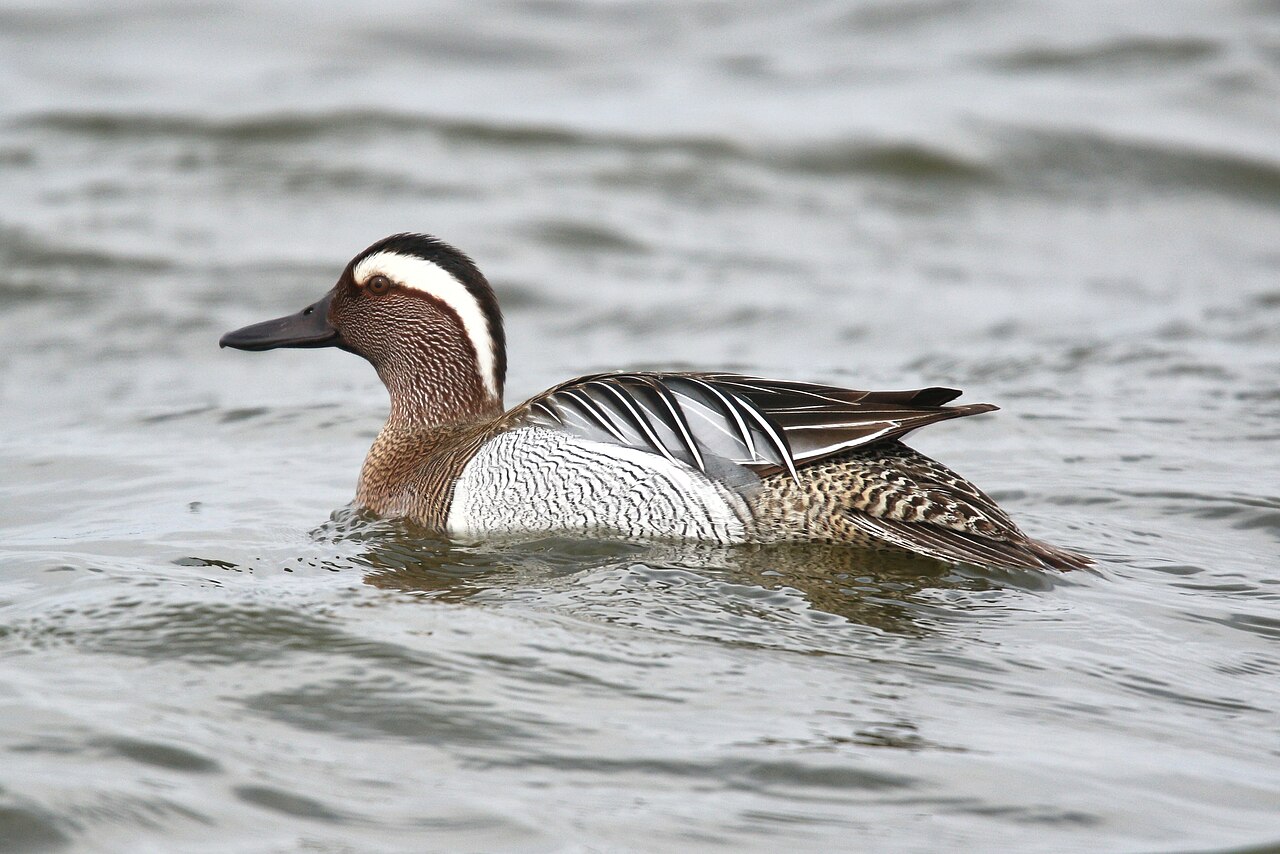
Garganey and Pintails fill the open waters.
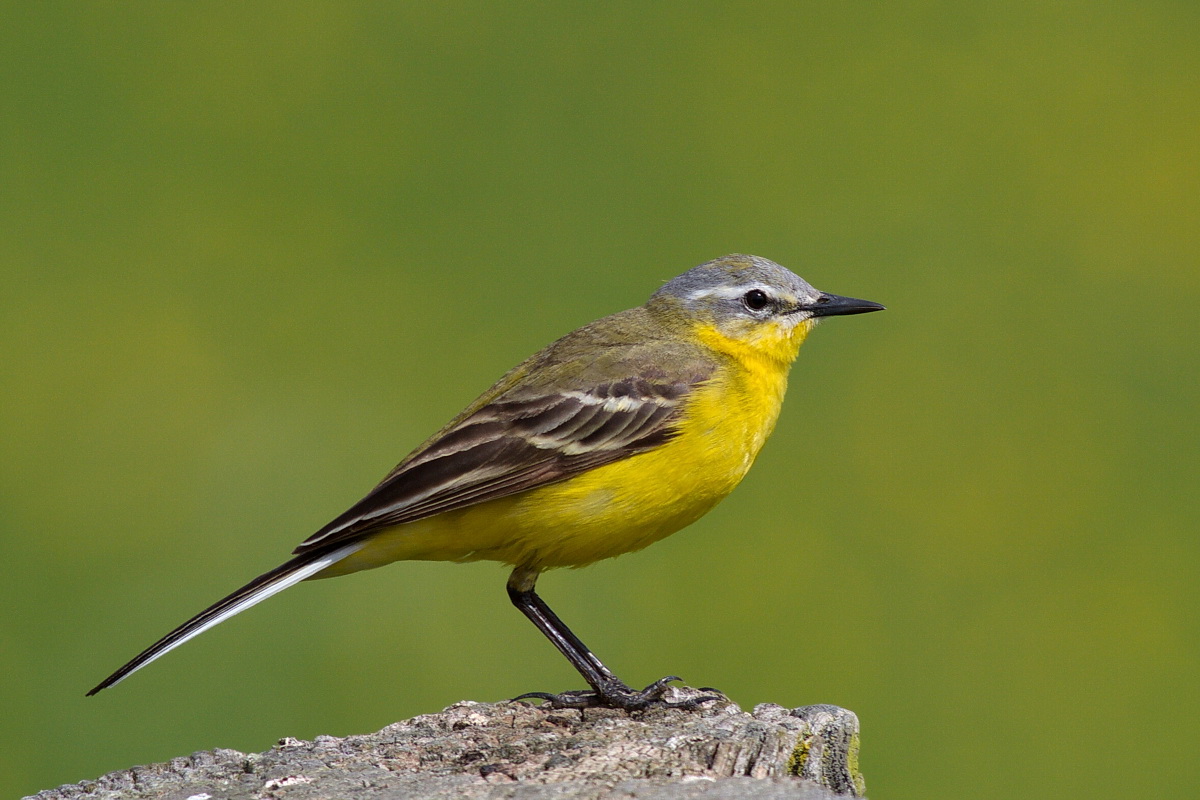
- Yellow Wagtails darting along the muddy banks.
-
Great Reed Warblers chattering in the papyrus thickets.

The presence of these international travelers significantly boosts the species count. In a single morning at a site like Mabamba Swamp, you might see a mix of resident African specialists and weary travelers from thousands of miles away.
2. The Prime Breeding Season for Residents
November marks the peak of the short rainy season in Uganda. While some travelers fear rain, birders embrace it. The rain triggers a burst of life; insects hatch in massive numbers, providing an abundant food source. In response, many resident wetland birds enter their breeding season.
For the photographer, this is the best time for birding in Uganda. Resident birds don their brightest, most elaborate breeding plumage to attract mates. Weavers, bishops, and widowbirds transform from dull brown to brilliant yellows, reds, and velvety blacks. You’ll also witness fascinating courtship displays and nesting behaviors that are absent during the drier months of July or August.
3. Sightings of the Iconic Shoebill Stork
No birding trip to Uganda is complete without searching for the prehistoric-looking Shoebill Stork. While the Shoebill stays in Uganda year-round, November offers distinct advantages for spotting them in places like the Entebbe peninsula or Lake Mburo.
The increased water levels in the wetlands drive lungfish, the Shoebill’s favorite meal, closer to the floating vegetation. As the fish move, the Shoebill follows. Expert local guides navigate the narrow channels more easily during this time as the water levels rise, allowing boats to reach deeper into the heart of the swamps where these “living fossils” hide.
4. Ideal Lighting for Photography
The weather in November creates a dream scenario for bird photography. Unlike the harsh, midday sun of the dry season which creates deep shadows and “blown-out” highlights on white feathers, November offers soft, diffused light.
The frequent afternoon showers wash the dust from the air, resulting in crisp, high-contrast views of the Rwenzori mountains or the lush greenery surrounding the Nile. When the sun breaks through the clouds after a rainstorm, the light is golden and magical, perfect for capturing the iridescent feathers of a Malachite Kingfisher or the subtle textures of a Great Blue Turaco.
Comparison of Top Wetland Birding Sites in Uganda
To help you plan your itinerary, here is a breakdown of the best locations for birding in Uganda during November.
| Wetland Site | Key Species to Target | Best Access Method | Highlight Feature |
| Mabamba Bay | Shoebill, Lesser Jacana, Blue-breasted Bee-eater | Traditional Canoe | Most reliable Shoebill sightings near Entebbe |
| Lutembe Bay | Caspian Tern, Gull-billed Tern, White-winged Black Tern | Boat Trip | Massive congregations of Palearctic migrants |
| Murchison Falls (Delta) | Senegal Thick-knee, Saddle-billed Stork, Goliath Heron | Boat Safari | Where the Victoria Nile meets Lake Albert |
| Bigodi Wetland | Great Blue Turaco, Papyrus Gonolek, Hairy-breasted Barbet | Guided Nature Walk | Famous for primates and “papyrus specials.” |
| Lake Mburo Swamps | African Finfoot, White-backed Night Heron, Papyrus Yellow Warbler | Boat / Boardwalk | Pristine environment with high biodiversity |
5. The “Papyrus Specials” Become More Active
Uganda hosts several species known as “Papyrus Endemics” birds that live exclusively within papyrus reeds. These birds are notoriously shy and difficult to see. However, the cooling rains of November encourage them to move from the dense centers of the swamp toward the edges.
During your sessions of birding in Uganda, keep a keen eye out for the Papyrus Gonolek. Its vibrant red breast and yellow crown pop against the deep green reeds. In November, these birds vocalize more frequently to defend their breeding territories, making it much easier for your guide to locate them by ear before you spot them with your binoculars.
Essential Gear for a November Birding Trip
Because November involves the rainy season, you need to prepare accordingly to ensure your comfort:
-
Waterproof Binoculars: Essential for humid conditions and sudden showers.
-
Lightweight Rain Gear: A breathable poncho allows you to keep birding through drizzle.
-
Dry Bags: Protect your camera gear and field guides during canoe trips.
-
Sturdy Waterproof Boots: Vital for walks in areas like Bigodi or the shores of Lake Victoria.
Trust Jackal Adventures for Your Birding Quest
November transforms Uganda into a vibrant, noisy, and colorful theater of avian life. The combination of international migrants, breeding residents in full color, and the lush, rain-washed landscapes creates an experience that dry-season travel simply cannot match.
By focusing your efforts on birding in Uganda, you immerse yourself in one of the most biodiverse habitats on earth. To truly maximize your sightings, book your expedition with Jackal Adventures. Our expert birding guides possess the local knowledge and sharp eyes needed to find the most elusive species in the thickest papyrus. Whether you identify as a casual observer or a serious “twitcher,” the wetlands in November offer the ultimate reward with Jackal Adventures. Pack your spirit of adventure, grab your binoculars, and prepare to witness the spectacular revival of the Pearl of Africa’s most precious ecosystems.