Why Private Fly-In Safaris are 2026’s Ultimate Luxury.
February 5, 2026
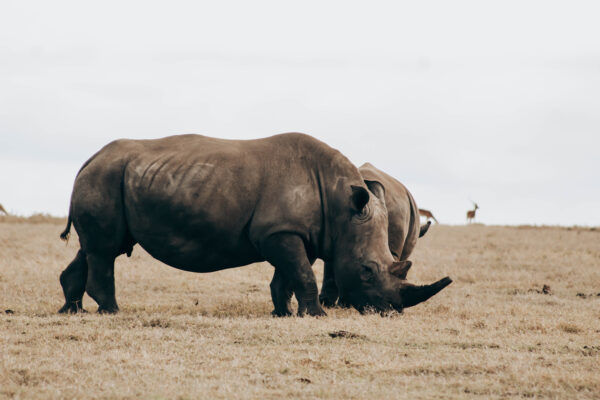
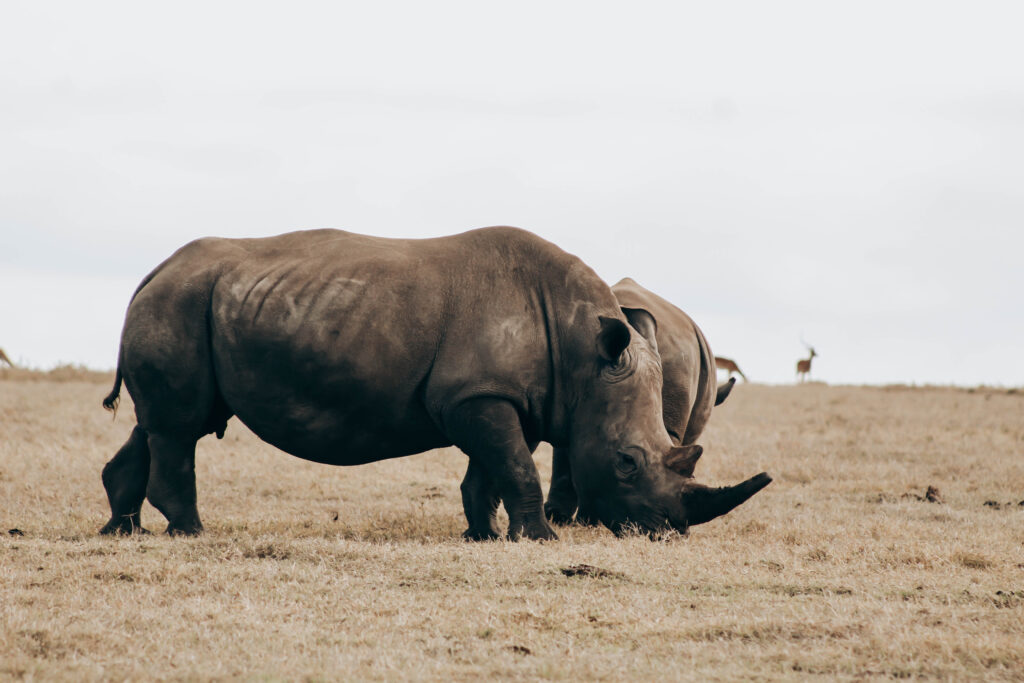
Nakuru Rhino Sanctuary In Lake Nakuru National Park
February 6, 2026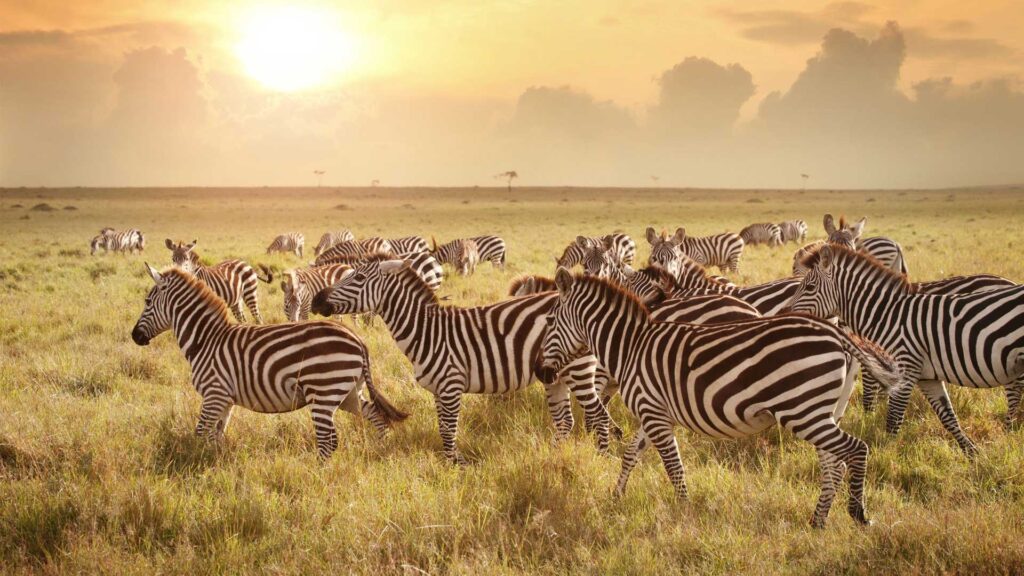
Multi-Country Safari: Uganda, Kenya, and Tanzania
Combining Uganda, Kenya, and Tanzania in a single journey offers the chance to see everything from gorillas in misty forests to the Great Migration on the Serengeti. However, such a journey requires careful planning and an understanding of the logistics involved in crossing borders, arranging transport, coordinating accommodations, and maintaining health and safety.
Planning Your Route
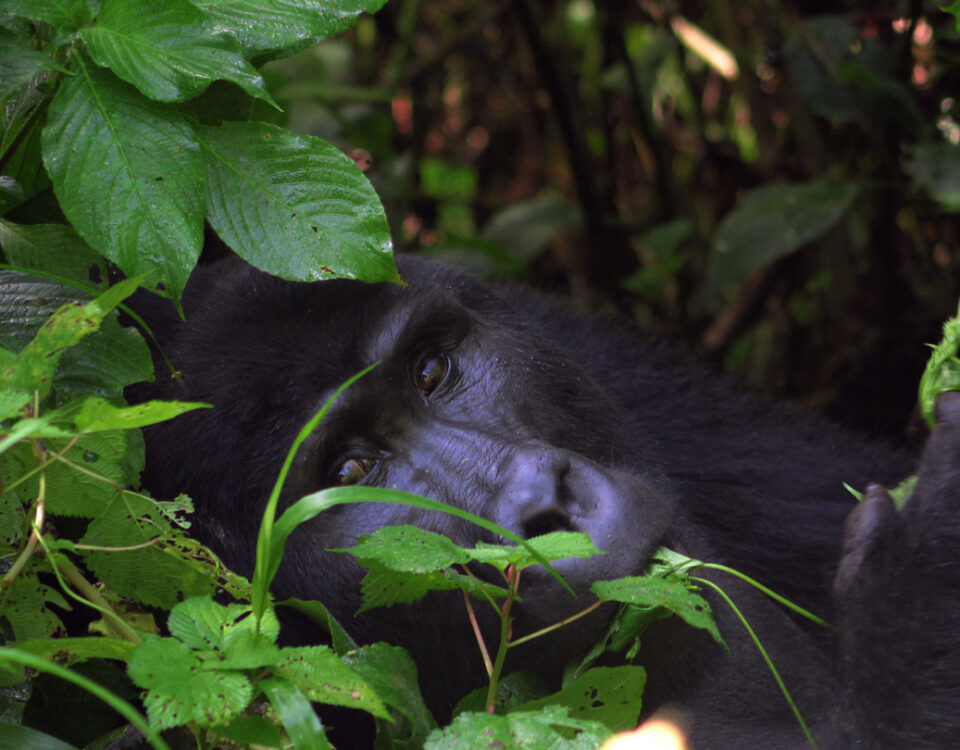
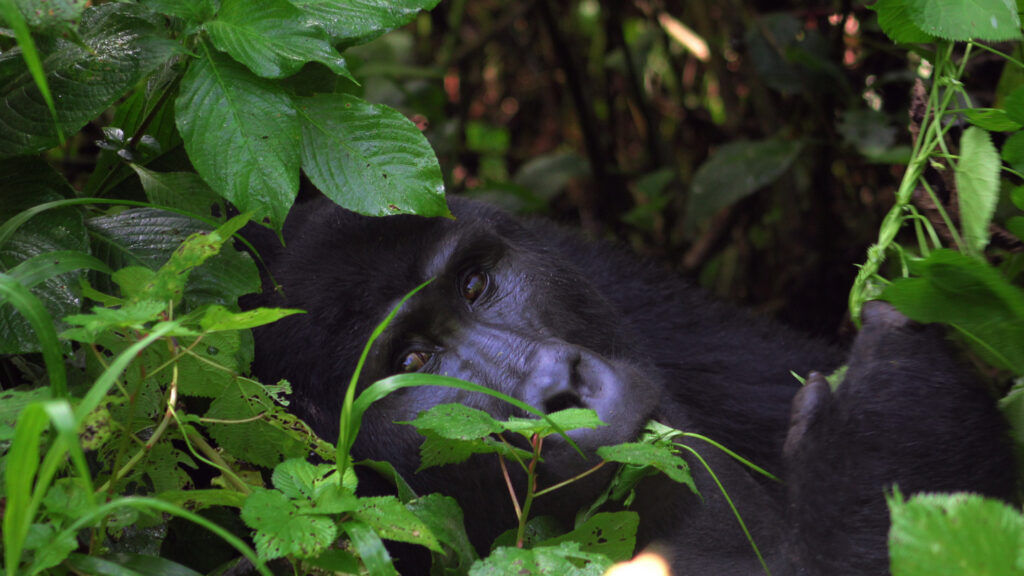
The first step is mapping out your route. Most travelers begin in Uganda, home to the famous Bwindi Impenetrable Forest and Queen Elizabeth National Park. From there, you can cross into Kenya to explore Amboseli, Maasai Mara, and Tsavo National Parks. The journey often concludes in northern Tanzania, including the Serengeti and Ngorongoro Crater. While it may seem straightforward on a map, each border crossing comes with its own set of rules and paperwork. A common route is: Uganda (Kampala, Bwindi, Queen Elizabeth National Park), Kenya (Nairobi, Maasai Mara, Amboseli), Tanzania (Arusha, Serengeti, Ngorongoro, Zanzibar if desired)
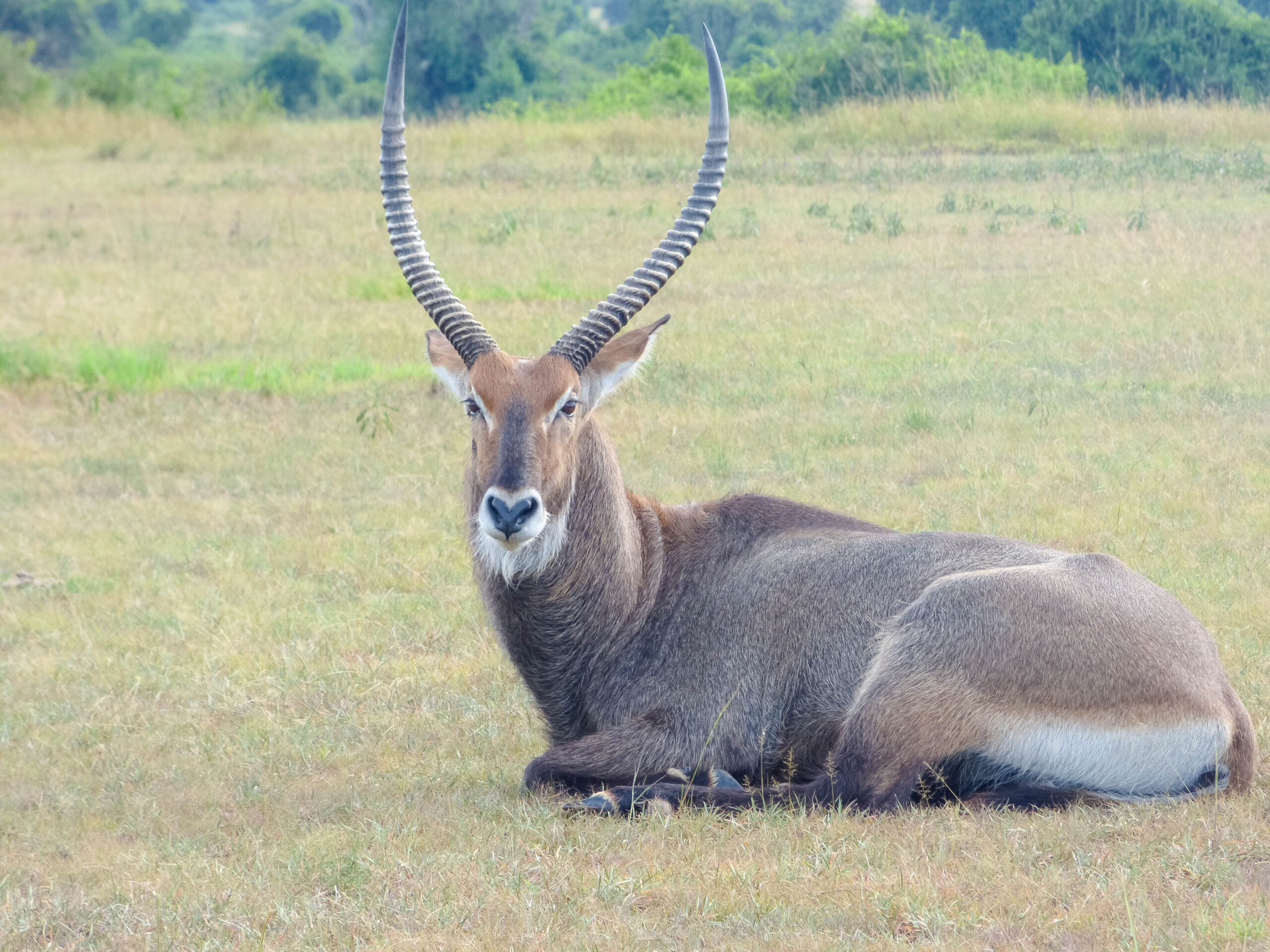
Queen Elizabeth National Park (Uganda)
Visas and Entry Requirements
One of the biggest logistical considerations is visas. Uganda, Kenya, and Tanzania all have different entry requirements, though East Africa offers a single tourist visa for Kenya, Uganda, and Rwanda. This can simplify the process, though it does not include Tanzania. Therefore, if your safari includes Tanzania, you may need separate visas or an East Africa Tourist Visa for the first two countries and a separate visa for Tanzania, obtainable online or at entry points. In addition to visas, travelers should ensure their passport is valid for at least six months and carry multiple copies of key documents.
Health Requirements
Health planning is just as important as visas and transport. East Africa has specific vaccination and disease-prevention requirements: Mandatory Vaccinations like Yellow Fever: Required for Uganda and Tanzania; Kenya may recommend it. Proof is carried via the International Certificate of Vaccination. Recommended Vaccinations: Hepatitis A & B, Typhoid, Rabies, Tetanus/Diphtheria/Pertussis (Tdap), and MMR. These protect against illnesses commonly encountered in rural areas or through animal contact.
Malaria Prevention because Malaria is present in most safari regions. Travelers should take prophylactic medication and use mosquito protection such as repellent, long sleeves, and bed nets. Other Precautions include: Carry a travel health kit with personal medications, sunscreen, and basic first aid supplies. Drink only bottled or boiled water and avoid raw or unwashed foods. Be mindful of altitude in highlands like Ngorongoro Crater.
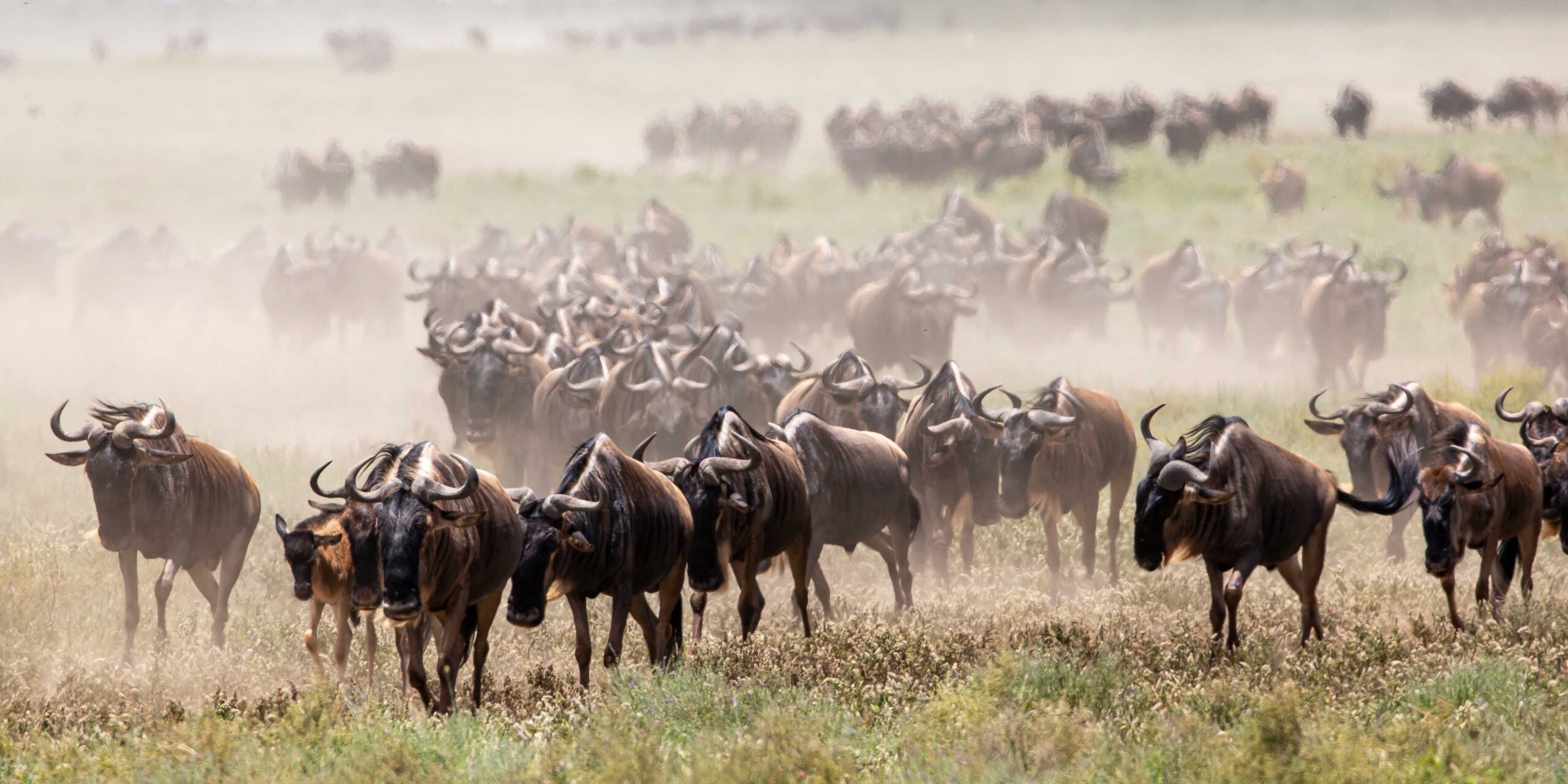
Ngorongoro Conservation Area (Tanzania)
Transportation Logistics
Moving between countries can be done by air or road. Flights are faster but costlier, while overland travel allows a closer look at rural landscapes. Common border crossings include: Malaba (Uganda-Kenya), Isebania (Kenya-Tanzania), and Namanga (Kenya-Tanzania). Overland travel requires patience due to customs and immigration checks. Hiring a reputable safari company with experienced drivers is often the best solution.
Jackal Adventures, for example, specializes in multi-country East African safaris and can handle all border paperwork, permits, and route planning, ensuring a seamless experience. Within each country, transportation options vary. In Uganda, 4×4 vehicles are essential for forest and park terrain. Kenya, both 4x4s and small aircraft are common for long distances between parks. Tanzania, domestic flights are often the fastest way to cover vast areas like the Serengeti and Ngorongoro.
Accommodations and Safari Permits
Booking accommodations in advance is crucial, especially during peak safari seasons (June–October and December–February). Options range from luxury lodges to budget-friendly campsites. National park permits must also be purchased ahead of time; these are often sold out months in advance for popular parks like the Maasai Mara and the Serengeti.
Some parks, like Uganda’s Bwindi Impenetrable Forest, also require gorilla trekking permits, which must be booked well in advance. Coordinating these permits across three countries requires a detailed itinerary and proactive planning, something Jackal Adventures can expertly manage, tailoring each trip to your interests and timing.
Money Matters and Connectivity
East Africa is largely cash-based, especially in rural areas. While credit cards are accepted in major hotels and airports, carrying local currency (Ugandan Shilling, Kenyan Shilling, Tanzanian Shilling) is essential for park fees, tips, and small purchases. ATMs are available but can be unreliable in remote areas. Internet connectivity is patchy in national parks, so plan to disconnect and enjoy the wildlife. Purchasing local SIM cards in each country is cost-effective, but don’t rely on consistent service in remote safari destinations.
Final Tips
A multi-country safari is a logistics puzzle, but the rewards are unmatched. Hiring a knowledgeable safari operator like Jackal Adventures, confirming all permits, visas, and vaccinations in advance, and preparing for long overland journeys will help ensure a seamless adventure. Pack light, prioritize essentials like binoculars, sun protection, and sturdy footwear, and embrace the unexpected. Often, the most magical wildlife encounters are unplanned.
Crossing borders in East Africa can feel like an adventure in itself. Still, with careful planning, you can experience three of the continent’s most iconic wildlife destinations in a single journey. From gorillas to the Great Migration, a multi-country safari offers memories that last a lifetime.