Best 5 Animals in Maasai Mara
February 12, 2026
First-Time Safari in Africa? Read This Before You Book
February 12, 2026History, Culture & Responsible Tourism
Uganda’s emerald landscapes, often celebrated for majestic mountain gorillas, also shelter a community with a story as ancient as the forests themselves: the Batwa people of Uganda. Once nomadic hunter-gatherers living in profound harmony with southwestern Uganda’s rainforests, they represent a fascinating chapter in human history and a poignant lesson in conservation and cultural preservation. This article delves into their rich past, vibrant culture, and the critical role in supporting their future.
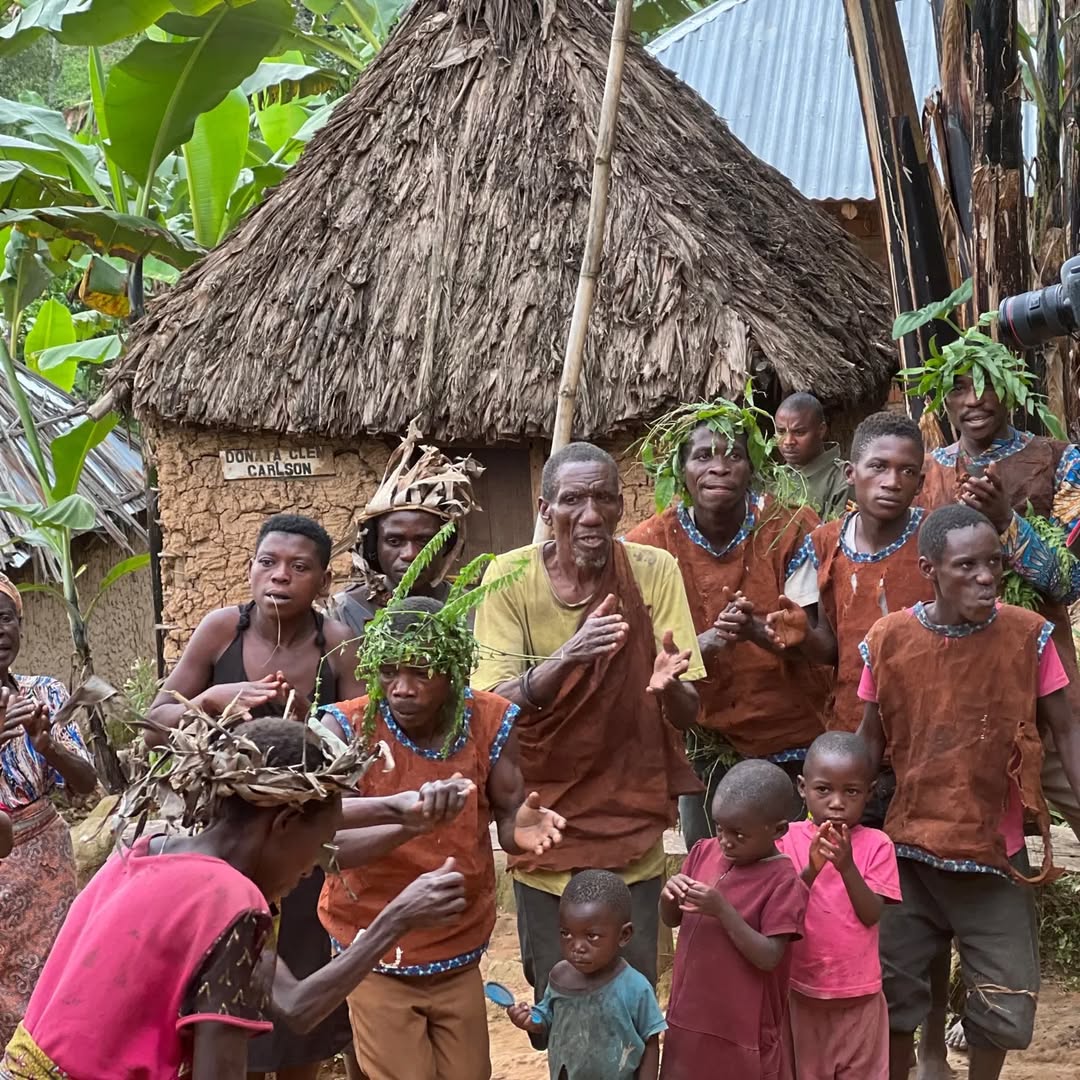
Batwa people of Uganda
A Glimpse into the Past: Batwa History
For millennia, the Batwa, often called “Keepers of the Forest,” thrived in the dense rainforests bordering Uganda, Rwanda, and the Democratic Republic of Congo. Their existence is intimately linked to the forest, provided food, shelter, medicine, and spiritual sustenance. Generations passed down their unparalleled knowledge of the forest ecosystem, making them master trackers, gatherers, and traditional healers.
However, the late 20th century brought significant upheaval. The establishment of national parks like Bwindi Impenetrable and Mgahinga Gorilla National Parks in the early 1990s, aiming to protect endangered mountain gorillas, led to the Batwa’s eviction from their ancestral lands. This displacement, while crucial for conservation efforts, left the Batwa without their traditional way of life and access to resources, creating significant social and economic challenges. Their story offers a stark reminder of the complex relationship between conservation and indigenous rights.
Unveiling Their Vibrant Culture
Despite adversities, the Batwa people of Uganda remarkably preserve many aspects of their unique culture. Their traditions stand as a testament to their resilience and deep connection to nature.
Traditional Practices & Beliefs
-
Hunting and Gathering: Historically, the Batwa were expert hunters, using bows and arrows, and skilled gatherers of forest edibles and medicinal plants.
-
Music and Dance: Music and dance are deeply integrated into Batwa culture, used for storytelling, rituals, and celebrations. Their vibrant performances often mimic animal movements and forest sounds.
-
Craftsmanship: They excel at crafting items from natural materials, including baskets, pottery, and traditional tools.
-
Oral Traditions: Rich oral traditions, including myths, legends, and folk tales, primarily transmit their history and knowledge.
Social Structure
Traditionally, Batwa communities remained small, egalitarian, and organized around families. Elders commanded significant respect, and communities often made decisions communally. While their social structures adapted to new circumstances, the emphasis on community and shared responsibility endures.
Responsible Tourism’s Role
Responsible tourism has emerged as a vital pathway for the Batwa people of Uganda to rebuild their lives and share their culture with the world on their own terms. Several initiatives, often community-led, allow visitors to learn about Batwa traditions while directly contributing to their well-being.
Here’s how responsible tourism makes a difference:
-
Cultural Experiences: Visitors can participate in guided forest walks with Batwa guides, who share ancestral knowledge of medicinal plants, hunting techniques, and survival skills.
-
Cultural Performances: Engaging in traditional dances and music performances not only provides income but also keeps their cultural heritage alive and vibrant.
-
Craft Sales: Purchasing handmade crafts directly supports Batwa artisans, allowing them to earn a living from their traditional skills.
-
Community Support: A portion of tourism revenue often funds community development projects, including education, healthcare, and land acquisition initiatives.
Tourists must choose tour operators and experiences genuinely committed to ethical practices, ensuring benefits directly reach Batwa communities and respect their dignity and autonomy.
Comparing Batwa Engagement Options
| Feature | Cultural Experience Walk with Batwa Guides | Visiting a Batwa Settlement for Performance | Purchasing Batwa Crafts Online |
| Direct Interaction | High (guided tour, Q&A) | High (performance, some interaction) | Low |
| Cultural Immersion | Very High (learn survival skills) | High (music, dance, storytelling) | Low |
| Economic Impact | High (guide fees, entrance fees) | High (performance fees, donations) | Moderate (direct craft sales) |
| Educational Value | Very High (traditional knowledge) | High (understanding traditions) | Low |
| Sustainability | High (supports livelihoods) | High (supports cultural preservation) | Moderate |
Conclusion
At Jackal Adventures, we believe travel transforms, not just the traveler, but also the visited communities. Our commitment to responsible tourism means actively seeking and promoting experiences honoring indigenous communities’ history and culture, like the Batwa people of Uganda. We partner with local organizations, ensuring our tours directly benefit the Batwa, providing sustainable livelihoods and a platform to share their invaluable heritage. We encourage our adventurers to engage respectfully, listen intently, and contribute meaningfully, fostering a deeper understanding and appreciation for the Batwa’s enduring spirit and profound connection to the natural world. Join us in supporting these resilient communities and experiencing Uganda’s true heart.