

Safari & Wellness: The Best Wilderness Spas in Uganda and Rwanda
February 10, 2026
Night Game Drives in Kenya: The Top 5 Safari Lodges
February 10, 2026
What’s Changed on the Mountains of the Moon
The Rwenzori Mountains, famously known as the “Mountains of the Moon,” offer a unique and challenging mountaineering experience in the heart of Africa. As 2026 approaches, those dreaming of conquering Margherita Peak, Africa’s third-highest point, often wonder about the current state of the range. Understanding the latest shifts in Rwenzori’s 2026 Climbing is vital. While the stunning glaciated peaks and Afro-alpine vegetation remain, new developments and environmental changes now impact the climb. Consequently, hikers must prioritise careful preparation and updated information to succeed.
The Ever-Changing Landscape: Glaciers and Climate
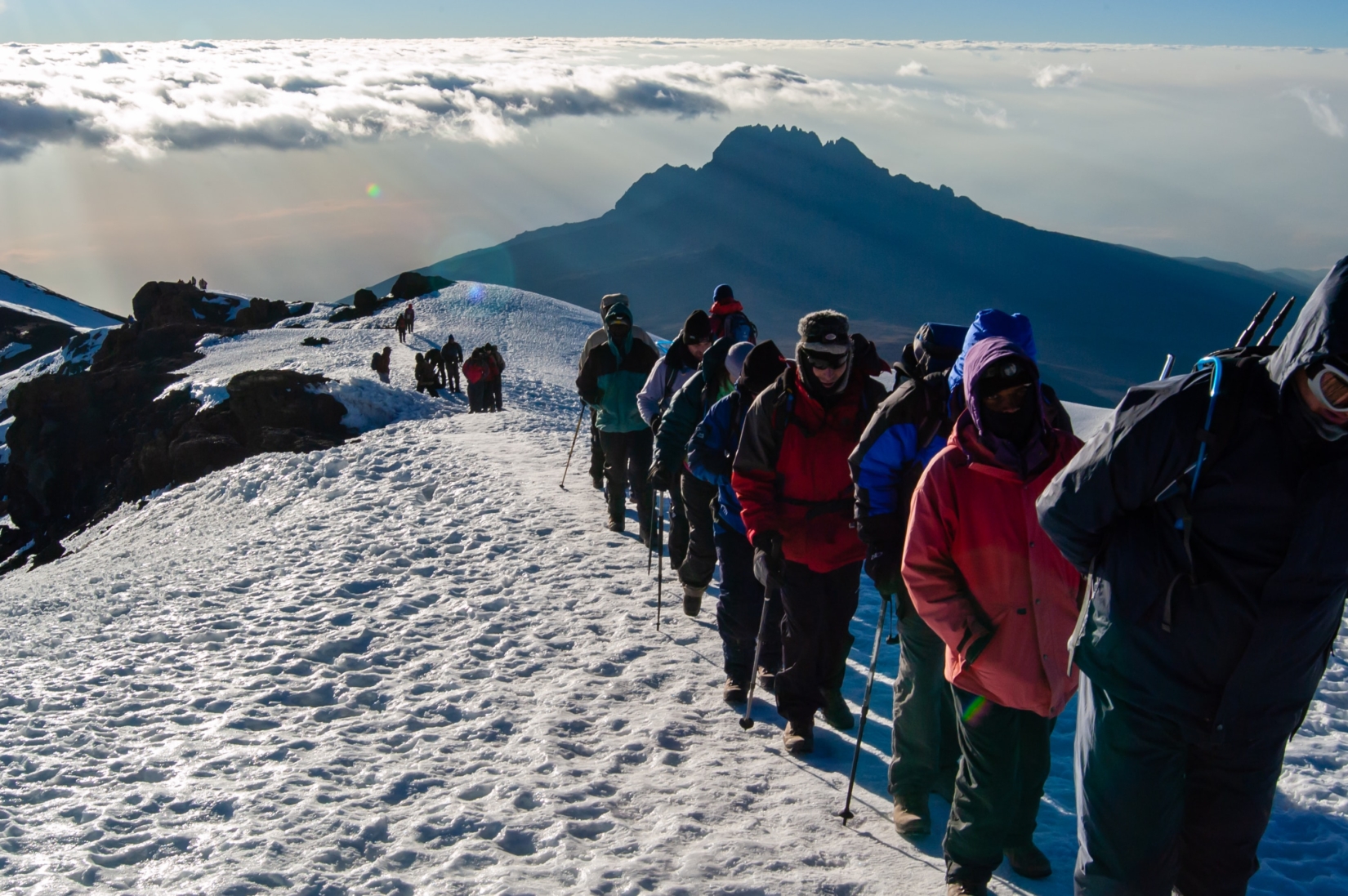
The most significant change affecting Rwenzori’s 2026 Climbing is the continuing, dramatic retreat of its equatorial glaciers. These iconic ice caps, including those on Mount Stanley (Margherita and Alexandra), Speke, and Baker, have been shrinking at an alarming rate due to climate change.
-
Impact on Routes: While Margherita Peak remains glaciated, the approach to the ice has changed. Guides now adapt routes more frequently, often requiring more rock scrambling before reaching the ice. Some older, more direct ice routes are no longer viable or safe due to exposed crevasses and thinning ice.
-
Weather Patterns: Expect more variability in weather. While the Rwenzoris are notoriously wet year-round, periods of intense rainfall can become more unpredictable, potentially affecting trail conditions and river crossings. Conversely, warmer periods contribute to faster snowmelt.
-
Planning Implications: Climbers must be even more prepared for mixed conditions. Rock climbing skills are increasingly as important as ice axe and crampon proficiency on summit day.
Trail and Infrastructure Enhancements
Good news for those planning Rwenzoris 2026 Climbing: ongoing efforts have improved key aspects of the trekking infrastructure, aiming for both safety and comfort.
-
Hut Upgrades: Both the Rwenzori Mountains National Park (RMNP) and the Rwenzori Trekking Services (RTS) routes have seen improvements to their hut networks. Expect better-maintained sleeping platforms, more reliable cooking facilities, and potentially upgraded sanitary provisions in some camps. These efforts enhance the overall trekking experience and safety.
-
Path Maintenance: Trail maintenance is continuous, especially after heavy rains cause erosion or mudslides. While the Rwenzoris will always be muddy, these efforts reduce the most challenging sections. Bridges across rivers are regularly inspected and repaired.
-
Rescue Protocols: Enhanced communication systems and more robust rescue protocols are continually being refined. However, the remote and challenging nature of the Rwenzoris still means self-sufficiency and experienced guiding are paramount.
Route Options and Logistics for Rwenzori’ s 2026 Climbing
Understanding your route choices and their logistical requirements is essential. Two main operators manage routes up the Rwenzoris:
| Route Name | Starting Point | Duration (Typical) | Key Features | Operator |
| Central Circuit Trail | Nyakalengija (Kasese) | 7-9 Days | Traditional, often wetter, goes via Lake Bujuku, summit via Elena Hut. | Rwenzori Mountains National Park (RMNP) |
| Kilembe Route | Kilembe (Kasese) | 7-9 Days | Newer, often considered drier, better hut facilities, summit via Margherita Camp. | Rwenzori Trekking Services (RTS) |
-
Permit Requirements: All climbers require permits from the Uganda Wildlife Authority (UWA). These are usually arranged through your chosen tour operator.
-
Porters and Guides: It is mandatory to trek with licensed guides and porters. They provide crucial local knowledge, carry gear, assist with cooking, and handle camp setup. Their welfare and fair wages are important considerations.
-
Environmental Regulations: Strict “leave no trace” policies are enforced. All waste must be carried out, and disturbance to wildlife and vegetation is prohibited. This helps preserve the fragile Afro-alpine ecosystem.
Essential Preparation for Rwenzori’s 2026 Climbing
Success on the Rwenzoris demands thorough preparation, both physical and mental.
-
Physical Fitness: The Rwenzoris are strenuous. Expect long days of trekking, often through mud and difficult terrain, at high altitudes. Incorporate regular hiking, strength training, and cardiovascular exercises into your routine for at least 3-6 months prior.
-
Altitude Acclimatisation: While not as high as Kilimanjaro, the Rwenzoris still present significant altitude challenges. The slower, longer itineraries (8-9 days) are crucial for proper acclimatisation. Be aware of Acute Mountain Sickness (AMS) symptoms.
-
Specialised Gear: This is not a casual hike. You will need:
-
Technical Gear: Ice axe, crampons, helmet, harness, and ropes (provided by operators, but check quality).
-
Clothing: Layered, waterproof, and warm clothing suitable for sub-zero temperatures and torrential rain. A good quality sleeping bag (rated to -10°C or colder) is essential.
-
Footwear: Sturdy waterproof hiking boots (broken in!) for the lower sections, and comfortable, warm mountaineering boots for summit day. Gaiters are non-negotiable.
-
-
Mental Fortitude: The Rwenzoris demand patience and resilience. Mud, cold, and rain are common companions. A positive attitude and determination are vital.
Conclusion
The allure of the “Mountains of the Moon” remains as strong as ever, and Rwenzori 2026 Climbing promises an unforgettable adventure. While the glaciers may be retreating, the spirit of the mountain endures, offering a profound challenge and breathtaking rewards. From improved infrastructure to essential preparations, being well-informed is your first step towards success.
At Jackal Adventures, we specialise in crafting expeditions to these magnificent peaks. We handle all logistical complexities, from permits and porters to ensuring you have experienced guides and the right gear. Our commitment to safety, local support, and delivering an unparalleled mountain experience means you can focus entirely on the ascent. Let Jackal Adventures guide you to the roof of Uganda, making your Rwenzori dream a reality in 2026.




1 Comment
[…] and adventure seekers. The region offers a diverse tapestry of landscapes, from the mist-covered mountains of Uganda to the endless golden savannahs of the Serengeti. Whether you seek the adrenaline of a predator […]