

How Park Rangers Protect You and the Primates
Are you dreaming of standing just meters away from a 400-pound silverback in the misty jungles of East Africa? While the idea of tracking powerful primates through dense rainforests sounds like a scene from an adventure movie, the first question on every traveler’s mind is always: Is gorilla trekking safe?
Whether you are heading to the ancient Bwindi Impenetrable Forest in Uganda or the volcanic slopes of Rwanda, understanding the dynamics of these gentle giants is key. This comprehensive guide explores the safety protocols, silverback behavior, and expert tips to ensure your encounter remains the highlight of your life.
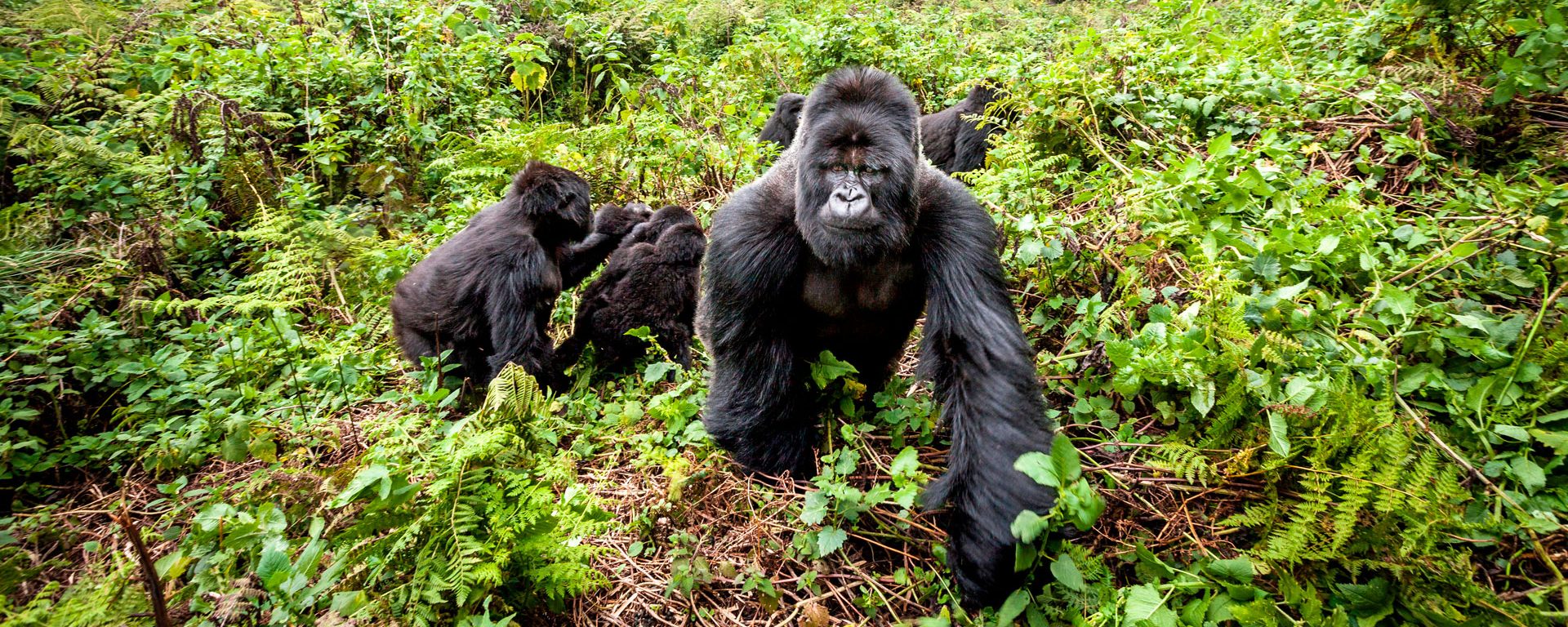
Is gorilla trekking safe?
The Reality of Silverback Encounters
Many people envision gorillas as aggressive “King Kong” figures, but reality tells a much calmer story. Mountain gorillas are remarkably peaceful vegetarians. The silverbacks you meet have undergone a rigorous “habituation” process lasting several years. This means they have gradually become accustomed to the presence of humans and view us as neutral observers rather than threats.
When you ask, “Is gorilla trekking safe?”, you must realize that the safety record in Uganda and Rwanda is nearly flawless. Rangers monitor the families daily, and they understand every grunt and chest beat. While a silverback is incredibly strong, possessing roughly ten times the strength of a heavyweight boxer, they only use that power to protect their family from genuine danger.
Security and On-the-Ground Safety
Beyond the animals, tourists often worry about general security in the region. National parks like Bwindi and Volcanoes are high-security zones. Specialized Tourism Police and armed park rangers patrol these forests daily. These rangers do not just protect you from rare cases of poaching; they also ensure you do not encounter stray forest elephants or buffalo, which can be more unpredictable than gorillas. Before any group enters the forest, advanced trackers head out at dawn to locate the gorillas and confirm the trails are clear and secure.
Essential Safety Rules for Your Trek
To maintain a secure environment, park authorities enforce strict regulations. These rules protect both the primates from human diseases and the trekkers from unpredictable animal behavior.
-
Maintain the 10-Meter Distance: While the old rule was 7 meters, the updated 2026 standard is 10 meters to better protect gorillas from human respiratory droplets.
-
Avoid Direct Eye Contact: In the gorilla world, a fixed stare is a challenge to authority. If a silverback looks at you, simply lower your eyes submissively.
-
Stay Calm During Mock Charges: On very rare occasions, a silverback might beat his chest and rush toward the group. This is almost always a “mock charge” intended to show dominance. If you stand still and crouch down as instructed by your ranger, the gorilla will stop short and resume his business.
-
No Flash Photography: Bright flashes can startle the animals and provoke a defensive reaction. Always keep your flash turned off.
Comparing Gorilla Trekking Safety by Destination
| Feature | Uganda (Bwindi/Mgahinga) | Rwanda (Volcanoes) | DR Congo (Virunga) |
| Safety Record | Excellent; highly patrolled | Exceptional; elite security | Variable; requires careful planning |
| Terrain Difficulty | Rugged, steep, and dense | Generally steeper but clearer | Active volcanic terrain |
| Ranger Expertise | Highly trained UWA professionals | Elite RDB guides | Dedicated ICCN rangers |
| Armed Escorts | Yes, standard for all groups | Yes, standard for all groups | Yes, mandatory escorts |
| Success Rate | Over 99% success rate | Over 99% success rate | High success rate |
Is Gorilla Trekking Safe? What the Experts Say
Beyond animal behavior, the physical environment presents its own set of challenges. The “safest” trek is the one for which you are physically prepared. You will navigate slippery slopes, tangled vines, and altitudes reaching over 8,000 feet.
Transitioning from the fear of the animal to the reality of the hike, most “injuries” on a trek are actually simple trips or stumbles on muddy trails. This is why hiring a local porter is a fantastic safety move. For a small fee, these local community members provide a steady hand on the steep sections and carry your heavy gear. This allows you to focus entirely on your footing. Furthermore, if you have mobility issues, “sedan chair” services are available where porters can carry you through the forest, ensuring that even older travelers or those with disabilities can enjoy a safe encounter.
Health Protocols for Tourists
Because gorillas share 98.4% of our DNA, they are highly susceptible to human illnesses. To keep the trek safe for the primates:
-
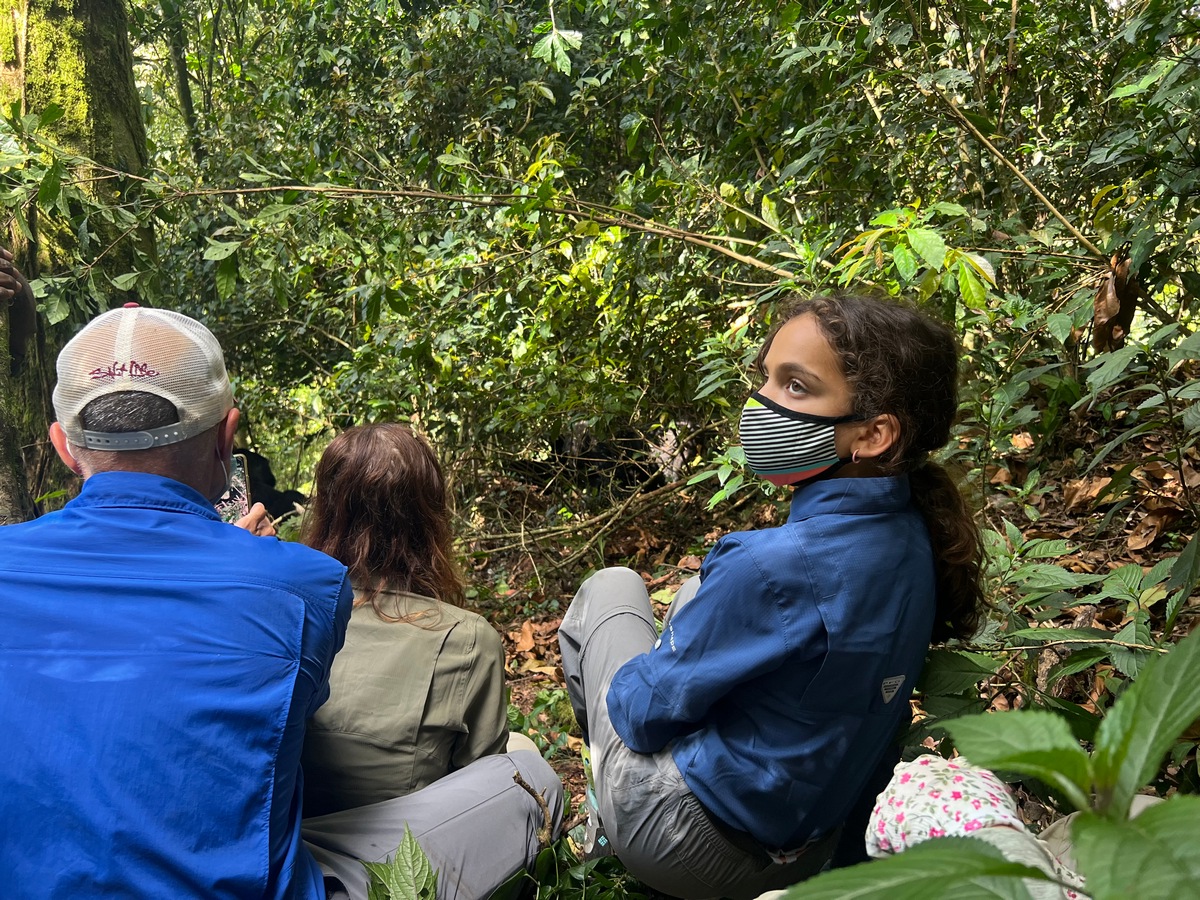
Mandatory Masks: Trekkers must wear surgical masks when in the presence of the gorillas.
-
Sick Leave: If you have a cold, flu, or cough, you must volunteer to stay behind. Park authorities will often reschedule your trek or offer a refund to prevent the spread of germs.
-
Vaccinations: Ensure your Yellow Fever certificate is up to date, as this is a mandatory entry requirement for Uganda and Rwanda.
is gorilla trekking safe
What to Pack for a Secure Safari
Preparation is your best defense against the elements. If you want to remain comfortable and safe, ensure your packing list includes these essentials for your gorilla trekking safe checklist:
-
Sturdy Hiking Boots: Waterproof boots with excellent ankle support are non-negotiable for the muddy, uneven terrain.
-
Gardening Gloves: You will often grab onto branches and vines for balance; gloves protect your hands from stinging nettles and thorns.
-
Long-Sleeved Clothing: Tuck your trousers into your socks (the “safari tuck”) to prevent red ants and other insects from crawling up your legs.
-
Waterproof Rain Jacket: It can rain at any moment in the tropical rainforest, and staying dry helps prevent hypothermia at high altitudes.
-
Energy Snacks & 2-3 Liters of Water: The trek can last anywhere from 2 to 8 hours; staying hydrated and fueled is vital.
-
Face Masks: Pack a few high-quality surgical masks for the actual encounter.
Final Thoughts from Jackal Adventures
So, is gorilla trekking safe? The answer is a resounding yes. When you respect the forest and follow the guidance of your expert rangers, a silverback encounter is a peaceful, life-changing experience rather than a dangerous one. Thousands of travelers complete this journey every year without incident, making it one of the most successful wildlife conservation stories in the world.
At Jackal Adventures, we believe that the true magic of Africa lies in these raw, intimate moments with nature. Our team ensures that every detail of your journey from permit acquisition to choosing the right trekking family is handled with the highest safety standards in mind. We don’t just take you to the forest; we bring you back with stories that will last a lifetime.
