

Malaria and Vax Tips
Adventure calls from the deep savannas and mist-covered mountains of East Africa, but a successful safari requires more than just a camera and a pair of binoculars. Preparing your body for the unique environment of the tropics is the most critical step in your journey. This guide to staying healthy in the bush ensures you spend your time spotting the Big Five rather than resting in a clinic. By following expert medical advice and practical prevention strategies, you can explore the wilderness with total peace of mind.
While modern medicine makes travel to remote areas safer than ever, you must proactively manage the risks of mosquito-borne illnesses and regional viruses. In 2026, healthcare standards and entry requirements have evolved, making it essential to stay updated on the latest protocols.
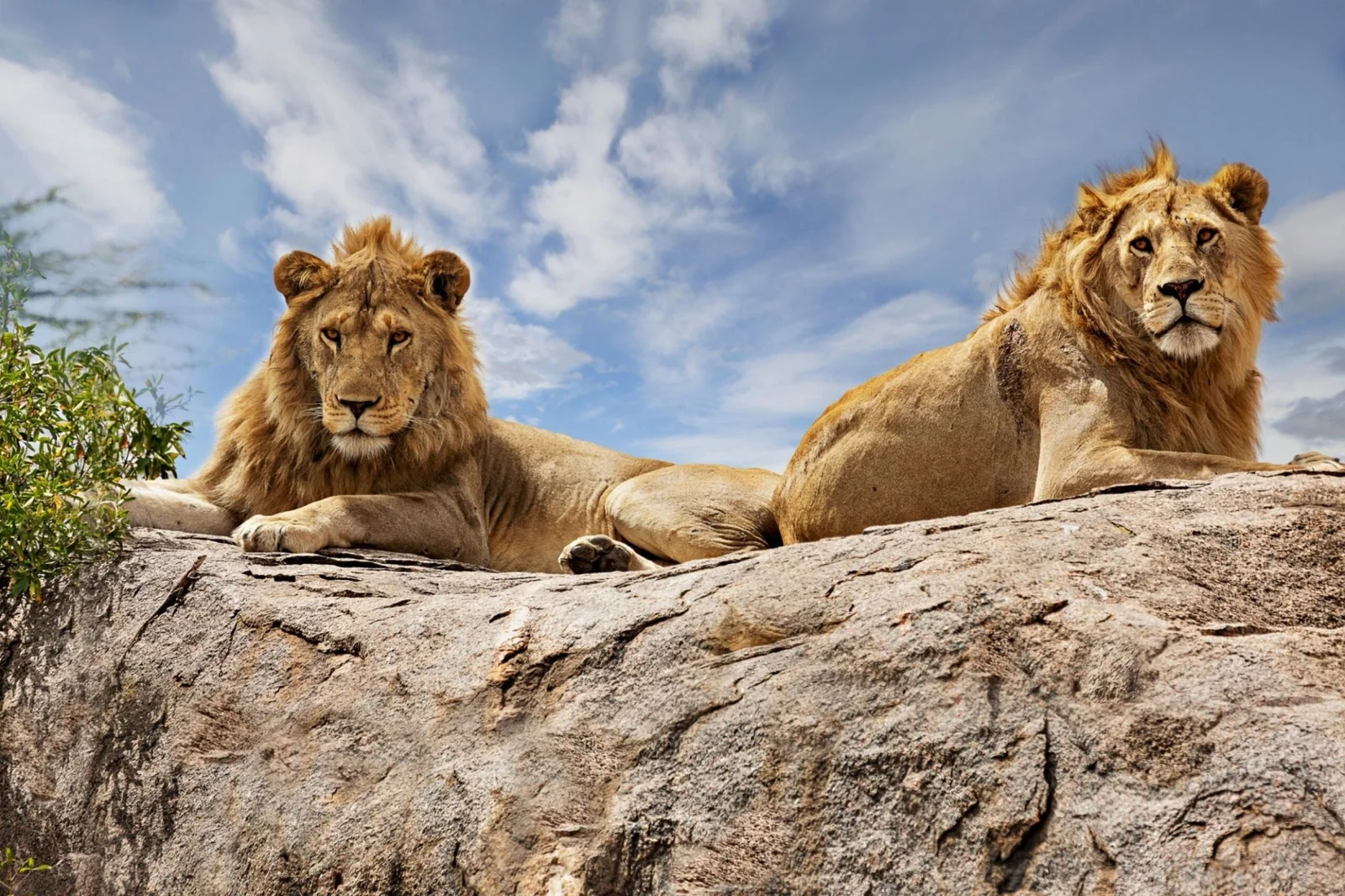
guide to staying healthy in the bush
Essential Travel Health Checklist for East Africa
Before you board your flight to Entebbe, Nairobi, or Kigali, you must consult a travel clinic. Use this guide to stay healthy in the bush and track your medical milestones.
| Health Category | Requirement/Recommendation | Timing |
| Yellow Fever | Mandatory for entry in most countries. | 10+ days before travel. |
| Malaria Prophylaxis | Highly recommended for all safari zones. | Start 1–2 days before arrival. |
| Hepatitis A & B | Recommended for food and water safety. | 2–6 weeks before departure. |
| Typhoid | Recommended for rural and remote areas. | 2 weeks before travel. |
| Routine Boosters | Tetanus, MMR, and Polio updates. | Anytime before departure. |
Mastering Malaria Prevention in 2026
Malaria remains the most common health concern for safari-goers, but it is entirely preventable. Mosquitoes that carry the parasite are most active between dusk and dawn. Effective prevention relies on a “two-pronged” approach: taking oral medication and physically avoiding bites.
Choosing the Right Prophylactic
In 2026, doctors primarily prescribe three main types of antimalarials for East Africa. Malarone (Atovaquone/Proguanil) remains the favorite for many because it has few side effects and requires a short course. You start it just before your trip and finish it seven days after you return. Alternatively, Doxycycline offers an affordable daily option, though it increases sun sensitivity. For those preferring a weekly dose, Mefloquine is an option, though it is less common due to potential vivid dreams. Always follow your doctor’s specific prescription, as they tailor the choice to your medical history.
The Physical Barrier
Medication provides internal protection, but keeping mosquitoes away from your skin is equally important.
-
Use DEET or Picaridin: Apply high-quality repellent to exposed skin.
-
Wear Neutral Colors: Mosquitoes are attracted to dark blues and blacks. Stick to tan, khaki, and olive.
-
Sleep Under Nets: Most luxury lodges and camps provide treated mosquito nets. Use them every night, even if you do not see any insects.
Navigating the World of Travel Vaccinations
Entry requirements in East Africa remain strict regarding the Yellow Fever vaccine. Authorities often request your “Yellow Card” (International Certificate of Vaccination) at immigration. Without it, you may face mandatory vaccination at the airport or even suffer denied entry. This guide to staying healthy in the bush reminds you that the Yellow Fever shot now provides lifetime protection, so you only need to get it once.
Beyond the mandatory shots, consider protecting yourself against food-borne illnesses. Hepatitis A and typhoid are easily contracted through contaminated food or water in rural areas. While high-end lodges maintain impeccable hygiene standards, a quick stop at a local market or a snack in a small town can expose you to bacteria. Getting vaccinated ensures your digestive system stays as strong as your sense of adventure.
Practical Daily Habits for the Savanna
Staying healthy involves more than just shots and pills; it requires daily mindfulness. The African sun is fierce, and dehydration can mimic the symptoms of tropical diseases. Drink plenty of bottled or filtered water throughout the day. Avoid tap water, even for brushing your teeth, unless your lodge specifically confirms it is treated.
Also, be wary of swimming in freshwater lakes and slow-moving rivers. While they look inviting, some may contain bilharzia (schistosomiasis). Stick to the swimming pools at your camp or the saltwater of the Indian Ocean to stay safe from water-borne parasites. This guide to staying healthy in the bush emphasizes that “prevention is better than cure.” If you feel unwell at any point, even months after returning home, inform your doctor that you traveled to a malaria-endemic region. Early diagnosis is the key to a rapid recovery.
Protecting Your Skin and Stomach
The environment in the bush challenges your body in ways urban life does not. Sun protection goes beyond simple vanity. High-altitude sun in places like the Ngorongoro Crater or the Rwenzori foothills burns skin rapidly. Use a broad-spectrum SPF 50 and wear a wide-brimmed hat.
Regarding food, follow the traveler’s golden rule: boil it, cook it, peel it, or forget it. High-end safari operators like Jackal Adventures ensure that all produce in camp undergoes proper washing in sanitized water. However, when exploring local towns, avoid raw salads or peeled fruits. These small choices keep your gut healthy and your energy high for the long game drives ahead.
Conclusion
At Jackal Adventures, your safety and well-being are our highest priorities. We design our itineraries to ensure you stay in lodges that maintain the highest health and hygiene standards. Our professional guides are trained to monitor your well-being and carry first-aid kits on every game drive. We understand that navigating health requirements can feel overwhelming, so we provide comprehensive pre-departure support to help you prepare.
We ensure your mosquito nets are properly tucked in, your water is always purified, and your pace remains comfortable. By following this guide to staying healthy in the bush and trusting our expert team, you can focus on the breathtaking beauty of East Africa. Let us handle the logistics so you can enjoy a safe, vibrant, and healthy safari experience.
