Best Time to Visit Rwanda
February 17, 2026
5 Day Rwanda safari itineray
February 17, 2026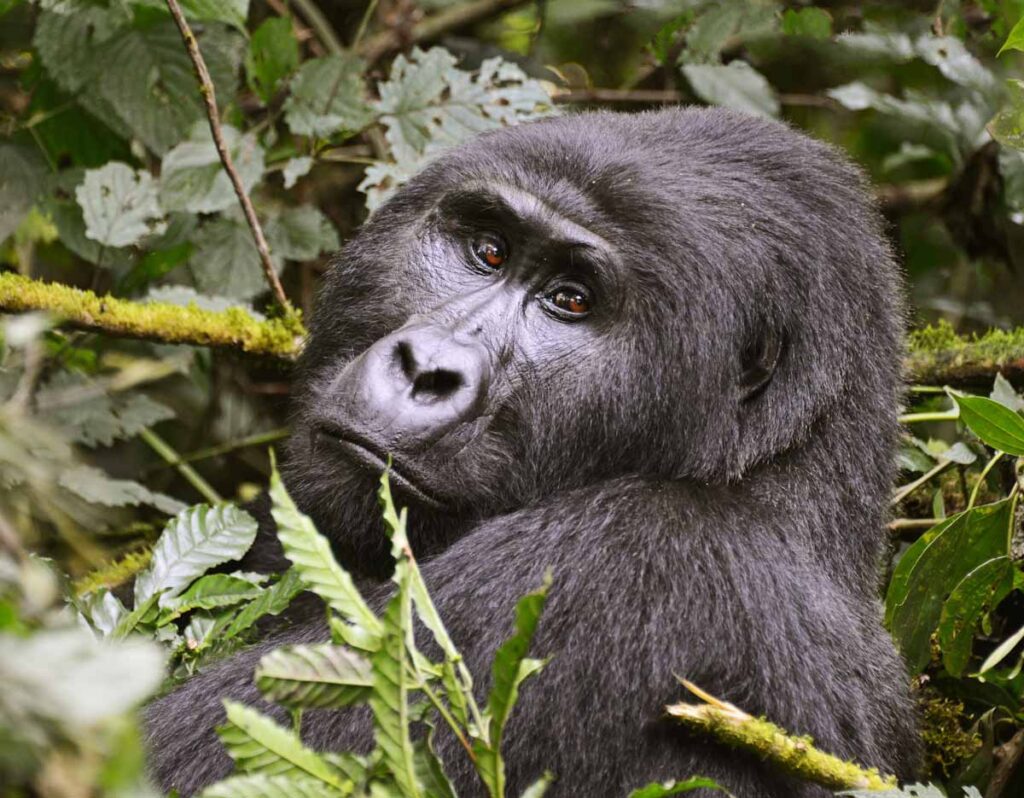
Where the Giants Sleep and How They Build Their Beds
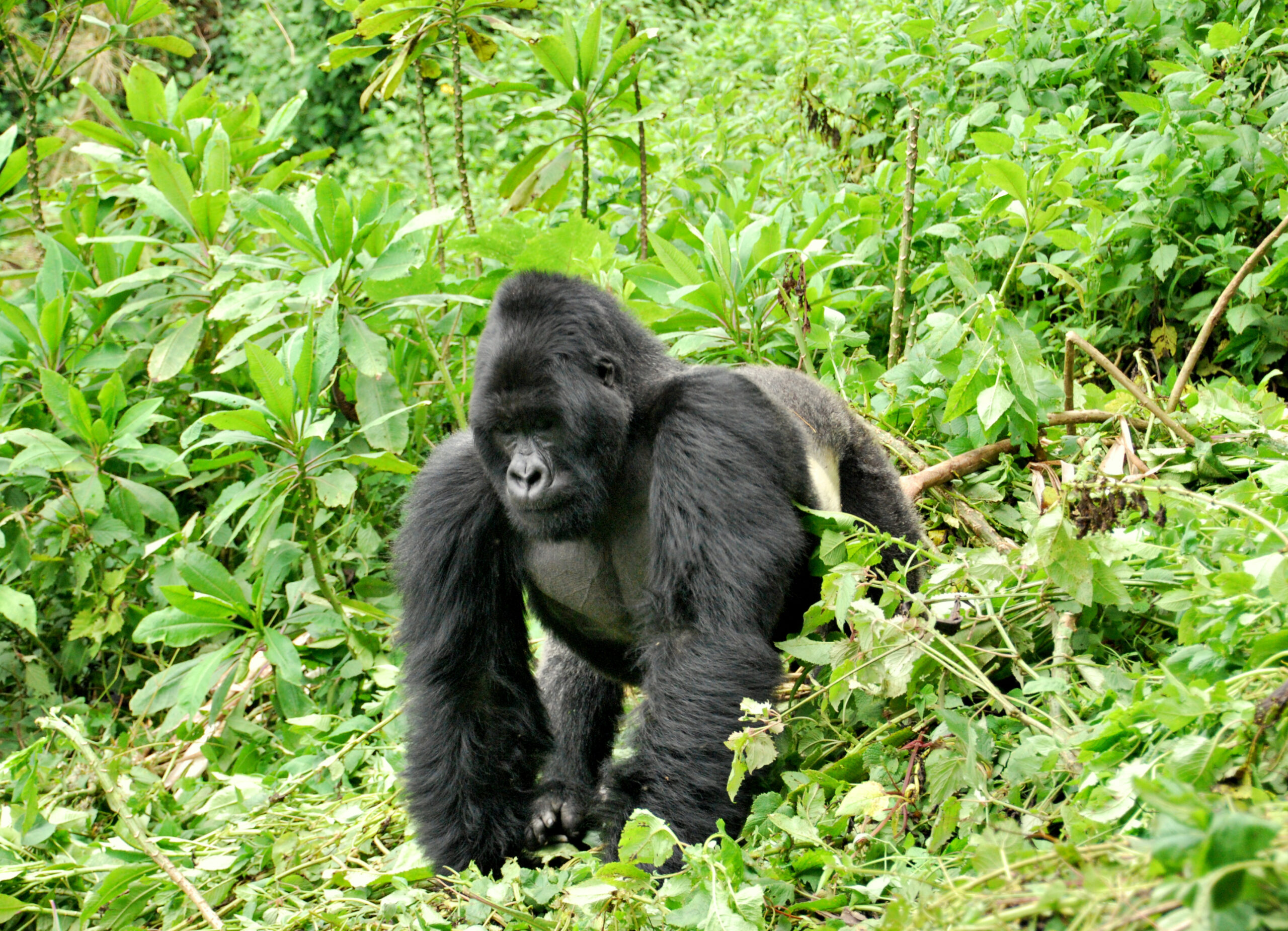
The dense forests of Central Africa hide many secrets, but few are as endearing and ingenious as the sleeping arrangements of mountain gorillas. Imagine spending your days foraging and socializing, only to meticulously craft a brand-new bed each evening. This daily ritual is a fundamental aspect of their survival and social structure. Understanding gorilla nesting habits offers a unique glimpse into their intelligence, adaptability, and the intimate rhythm of their lives in the wild. Far from simply lying down, gorillas engage in an architectural feat every night, creating comfortable and secure sleeping platforms.
The Daily Ritual: Why Build a New Bed Every Night?
Unlike many other primates, gorillas do not reuse their nests. Every single evening, each gorilla constructs a fresh sleeping platform. Why this commitment to daily construction? Several factors drive this fascinating behavior:
-
Hygiene: Building a new nest helps avoid parasites, insects, and accumulated waste from previous nights. This keeps them healthier in their humid, biodiverse environment.
-
Safety: A fresh nest allows them to select a new, strategic sleeping location each night, minimizing predictability for predators, though gorillas have few natural predators. It also places them high in trees for protection, especially for younger gorillas.
-
Comfort: A well-built nest provides a soft, cushioned platform that protects them from the damp ground and offers a more comfortable night’s rest. Good sleep is crucial for their physical well-being.
-
Thermoregulation: Nests offer insulation against the chilly mountain nights, especially at higher altitudes. The layered vegetation traps warmth.
-
Scent Masking: Leaving old nests behind helps distribute their scent throughout their territory, rather than concentrating it in one spot. This might deter rivals or communicate their presence.
This daily architectural endeavor highlights their deep connection to their environment and their innate engineering skills.
Location: Where Do Gorillas Nest?
Gorillas are flexible architects, choosing their nesting sites based on available vegetation, security, and weather conditions.
Ground Nests:
Often, adult silverbacks and older, larger gorillas build nests on the ground. They create these by pulling down and bending saplings and undergrowth to form a sturdy base. Ground nests offer quick construction and easy access. A dominant silverback often chooses a ground nest at the base of a large tree, giving him a vantage point to guard his family.
Tree Nests:
Smaller gorillas, females, and juveniles typically build nests in trees. They weave branches and foliage into a secure platform, often high above the ground. Tree nests offer increased safety from ground predators and better air circulation in warmer conditions. They require more intricate construction, demonstrating impressive arboreal skills. The height provides a sense of security, especially for vulnerable young ones.
Factors Influencing Choice:
Rainy weather often pushes all gorillas to build more elaborate, sheltered tree nests. Dry seasons might see more ground nests. Availability of suitable plants also plays a crucial role. They skillfully select strong branches and broad leaves for durability and comfort.
The Art of Nest Building: How They Weave Their Beds
Building a gorilla nest is a methodical and impressive process, taking about 5 to 10 minutes from start to finish. It requires strength, precision, and an intimate knowledge of the forest’s flora.
| Step | Description | Materials Used | Purpose |
| 1. Site Selection | Gorilla identifies suitable branches or ground vegetation, considering stability and cover. | Strong saplings, sturdy tree branches | Security, comfort, strategic location |
| 2. Base Creation | Gorilla bends larger branches or saplings inward, forming a sturdy outer ring. They break off weaker ones. | Main branches, larger leaves | Provides structural support for the entire nest |
| 3. Weaving the Floor | They interweave smaller branches and vines, creating a dense, mattress-like platform within the outer ring. They press it down firmly. | Smaller branches, pliable vines, sturdy foliage | Creates a firm, stable sleeping surface |
| 4. Cushioning & Lining | Gorilla adds softer leaves, ferns, and mosses to the top layer. They arrange this carefully for insulation and comfort. | Soft leaves, ferns, moss, fresh foliage | Enhances comfort, provides insulation from cold/dampness |
| 5. Final Adjustments | They push down the center and often pull branches over their heads, creating a partial roof or canopy, especially during rain. | Overhead branches, large leaves | Adds privacy, protection from elements (rain, wind), and camouflages the sleeper |
This sophisticated construction demonstrates their intuitive understanding of engineering principles. Each nest is a testament to their daily commitment to a good night’s sleep. These gorilla nesting habits showcase their remarkable intelligence.
The Family That Nests Together: Social Implications
Beyond individual comfort, gorilla nesting habits also reveal aspects of their social dynamics. Young infants sleep with their mothers, sharing a nest until they are old enough to build their own, typically around three years old. This shared nest strengthens the mother-infant bond. The proximity of nests within the group also signifies their cohesion. Family members usually nest within proximity, maintaining auditory and olfactory contact throughout the night.
The location of the silverback’s nest also carries significance. He often chooses a spot that allows him to monitor his group, typically at the base of a strong tree with a clear view of potential threats. This leadership role extends even into their sleep patterns, emphasizing their protective nature.
Conclusion
Understanding gorilla nesting habits gives us a deeper appreciation for these magnificent creatures. Their daily ritual of building intricate beds showcases their intelligence, adaptability, and complex social structures. This behavior is a powerful reminder of their deep connection to the forest and their resourceful nature.
At Jackal Adventures, we offer unparalleled gorilla trekking experiences that allow you to witness these behaviors firsthand. Our expert guides lead you safely and respectfully into their natural habitat, ensuring you gain a profound understanding of gorilla life. We prioritize responsible tourism, contributing directly to conservation efforts that protect these incredible animals and their fragile ecosystems. Join us on an unforgettable journey into the heart of the rainforest. Observe the remarkable world of mountain gorillas and witness their ingenious nesting habits up close. You will gain a profound appreciation for their daily lives.