

Exploring Akagera’s Big Five Safari
If you are looking for an Akagera Big Five Safari, you have come to the right place; Rwanda defies almost every stereotype of the African continent. Known as the “Land of a Thousand Hills,” its capital, Kigali, shines as a prime example of urban planning, sustainability, and safety. However, Rwanda operates with a unique set of social and legal rules. Arriving unprepared can lead to minor frustrations or even fines. To ensure a smooth journey into this high-altitude paradise, we compiled these essential tips for the modern traveler. From the moment your wheels touch the tarmac at Kigali International Airport (KGL), this guide provides everything you need to know about venturing beyond the gorillas.
While the mountain gorillas of the Virungas capture most headlines, an Akagera Big Five Safari offers a sun-drenched experience that rounds out any East African itinerary. In 2026, Akagera National Park stands as one of the world’s greatest conservation success stories. Following the civil war, the landscape remained nearly devoid of wildlife. Today, a transformative partnership between the Rwanda Development Board and African Parks has restored this jewel to its former glory.
Akagera Big Five Safari
Witness the Kings: The Big Five Return
For decades, the “Big Five” (lion, leopard, elephant, buffalo, and rhino) did not exist in Rwanda. Today, these animals represent the park’s proudest calling card.
-
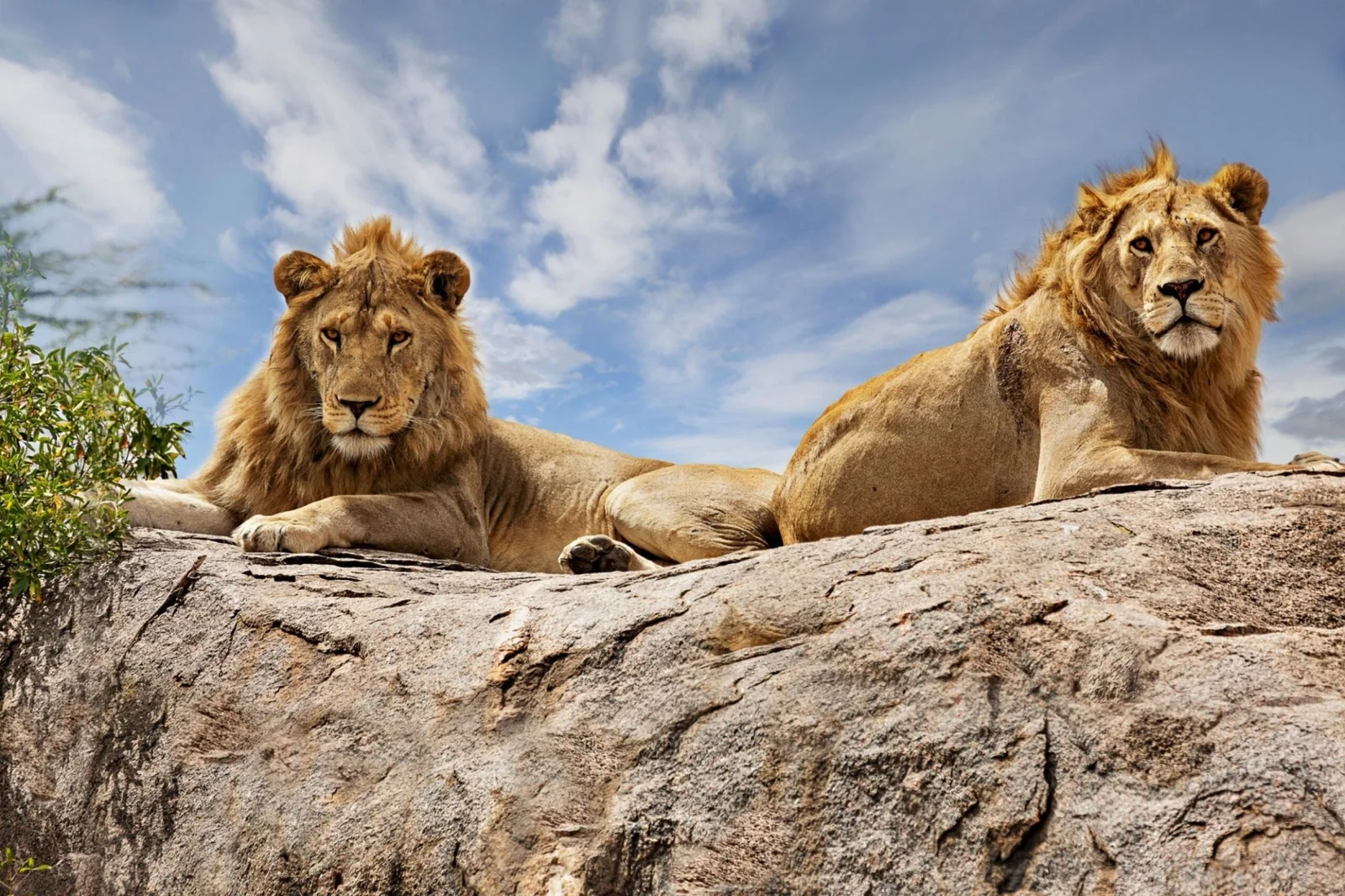
Lions: Since their reintroduction in 2015, the prides have grown significantly. You will most frequently spot them in the northern savannah as they stalk sprawling herds of topi and zebras.
-
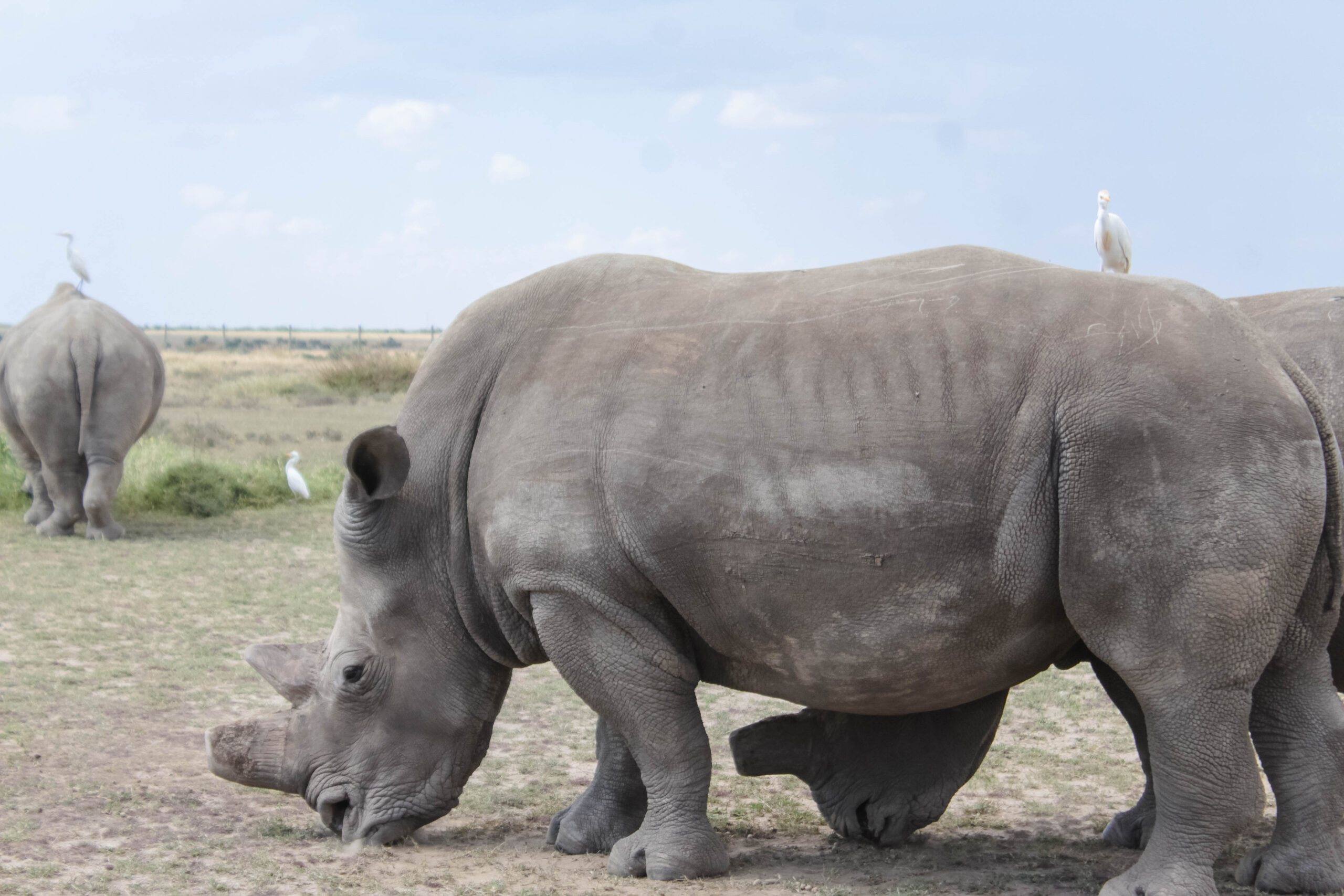
Rhinos: Akagera hosts both the critically endangered Eastern black rhino and the southern white rhino. In June 2025, the “Rhino Rewild” initiative added 70 southern white rhinos to the park. This makes an Akagera Big Five Safari one of the best opportunities in Africa to see these prehistoric giants.
-
Elephants & Buffaloes: These massive herbivores drive the park’s ecological recovery. You will often find elephants cooling off along the shores of Lake Ihema, while buffalo move in impressive, dust-kicking herds.
-
Leopards: These spotted masters of camouflage remain the most elusive of the quintet. To see one, join a guided night drive when they emerge from the shadows to hunt.
A Safari by Water: Lake Ihema
Akagera’s complex wetland system separates it from the vast plains of the Serengeti or the Maasai Mara. Water covers roughly one-third of the park, forming Central Africa’s largest protected wetland.
A boat cruise on Lake Ihema serves as an essential pillar of your Akagera Big Five Safari. As you drift along the papyrus-fringed banks, you will encounter massive pods of hippos and some of the largest Nile crocodiles on the continent. Birdwatchers will find paradise here; the park boasts over 500 recorded species, including the rare Shoebill stork and the vivid Malachite kingfisher.
Akagera Safari Planning Guide (2026)
| Feature | Details for 2026 | Best For |
| Entrance Fee | $100 USD per day | International visitors |
| Dry Season | June–Sept / Dec–Feb | Optimal wildlife viewing |
| Wet Season | March–May / Oct–Nov | Birding & photography |
| Top Activity | Night Game Drive | Finding leopards & hyenas |
| Accommodation | Magashi / Ruzizi | Luxury & comfort |
The Magic of the Night Drive
To maximize your chances of seeing all five members, you must take a night drive. These 2.5-hour excursions begin just as the sun dips below the horizon, painting the sky in deep oranges and purples. Using powerful spotlights, guides reveal a side of the park that daytime visitors miss. You might catch the glint of a leopard’s eyes, the scurrying of civets, or the eerie calls of bushbabies echoing through the dark. Guides often locate lions beginning their nocturnal hunts during these hours. You will see aardvarks and wide-eyed galagos that remain hidden during the day. This unique perspective showcases the African wilderness in its most raw and mysterious state.
Akagera Big Five Safari
Conservation and Community
When you embark on an Akagera Big Five Safari, your tourism dollars go directly into park protection. Akagera generates over 90% of its own operating costs through sustainable tourism. Furthermore, the “Revenue Sharing Scheme” funnels 10% of all park income into local community projects. These funds build schools, clinics, and clean water initiatives for families living near the park borders. This model reduces human-wildlife conflict by giving locals a stake in the park’s success. Your visit ensures that both people and wildlife thrive together in a balanced ecosystem. This partnership has turned Akagera into a global benchmark for conservation excellence.
Practical Tips for 2026
-
Hire a Park Guide: For approximately $25–$40, a local guide will join your vehicle. Their “wildlife eyes” locate lions and rhinos that untrained visitors often miss.
-
Stay Inside the Park: To catch the best early morning light, book a room at Wilderness Magashi or Ruzizi Tented Lodge. Entering the gates as the sun rises changes the entire experience.
-
Connectivity: You will find 5G signals at the southern gate, but the northern wilderness offers a true “off the grid” experience, exactly what a safari requires.
Conclusion
Exploring Rwanda’s diverse landscapes requires a partner who understands the rhythm of the wild. At Jackal Adventures, we craft seamless, high-end safari experiences that take you from the misty heights of the gorilla forests to the golden plains of Akagera.
Whether you need a private 4×4 game drive, a luxury boat cruise, or help navigating the latest 2026 permit regulations, we handle every detail with precision. Do not just visit Rwanda, experience it through the eyes of experts. Let Jackal Adventures turn your “Big Five” dreams into an unforgettable reality.
