East Africa Budget safari guide
February 18, 2026
Tanzania’s Primates: Chimpanzees in the Mahale Mountains
February 18, 2026
Why Uganda is the Scientifically Superior Choice
Africa’s best birding value is found in the lush, diverse landscapes of Uganda, a country that packs over 1,090 bird species into a territory the size of Great Britain. While larger neighbors offer vast savannahs, Uganda’s unique scientific positioning at the transition zone between the East African savannah, West African rainforest, and the Albertine Rift creates a biological “crossroads.” This intersection results in an avian density that is unrivaled on the continent. For birders in 2026, Uganda represents a high-yield destination where travel time is minimized and “lifer” sightings are maximized.
The Science of the Ecological Crossroads
The primary reason Uganda offers Africa’s best birding value is its geographic location. Scientists refer to Uganda as an “ecotone,” a region where multiple distinct ecosystems overlap. To the west, the Guineo-Congolian rainforests reach their eastern limit. To the east, the Somali-Masai savannahs extend their reach.
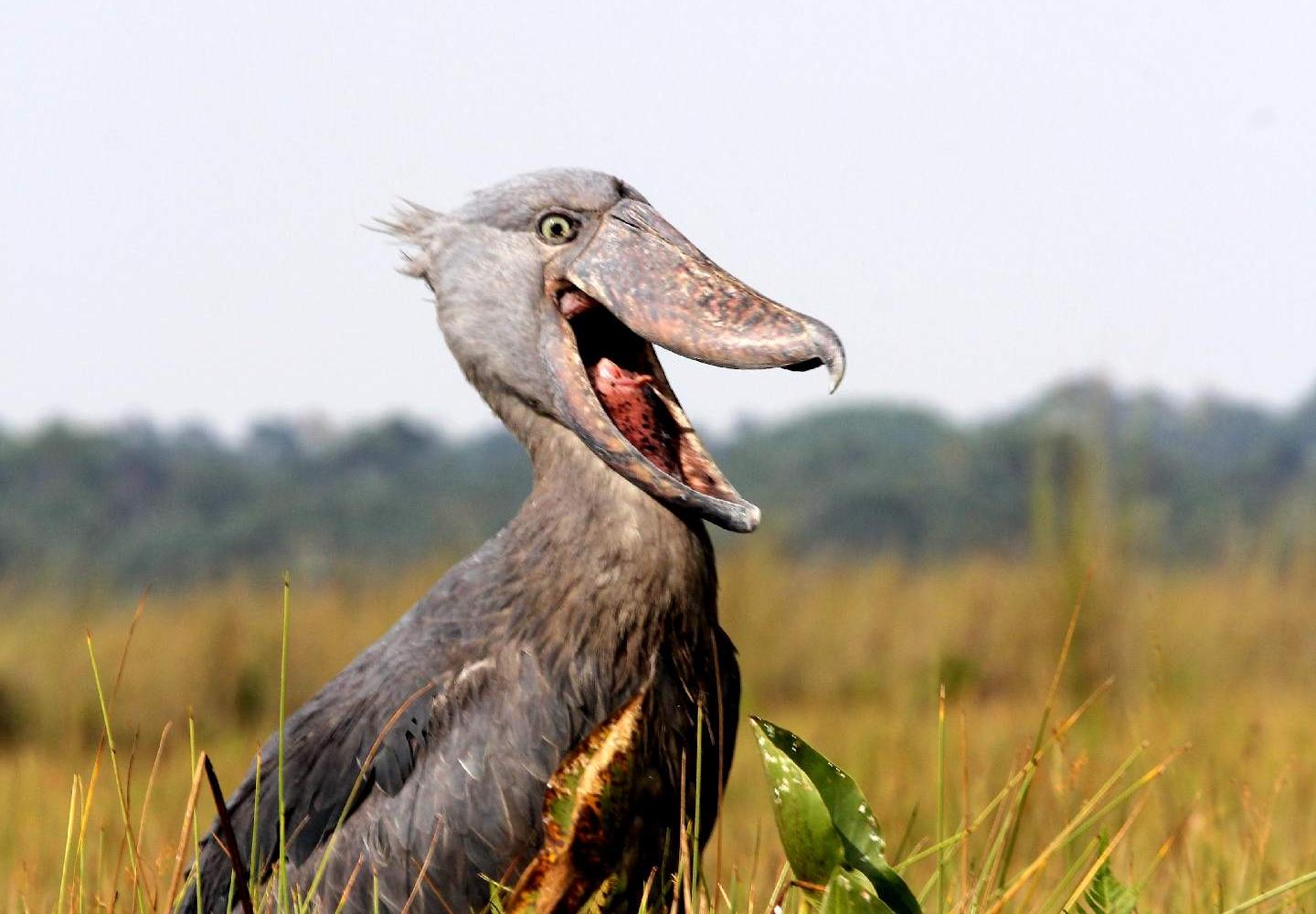
This overlap allows a birder to see a prehistoric Shoebill in a central wetland in the morning and a Red-faced Barbet in a dry acacia woodland by the afternoon. Scientifically, this diversity is staggering; Uganda hosts approximately 50% of Africa’s total bird species and 10% of the world’s global population within just 0.02% of the earth’s land surface.
The Albertine Rift: An Endemism Hotspot
Uganda is the premier gateway to the Albertine Rift, one of the most important biodiversity hotspots in the world. This region is home to “living fossils” and species that evolved in isolation during ancient climatic shifts. Bwindi Impenetrable National Park alone hosts 24 of the 41 Albertine Rift endemics.
| Bird Species | Habitat | Conservation Status |
| African Green Broadbill | Montane Forest (Bwindi) | Vulnerable |
| Rwenzori Turaco | High Altitude (Rwenzoris) | Least Concern |
| Shelley’s Crimsonwing | Bamboo Zones (Mgahinga) | Vulnerable |
| Grauer’s Broadbill | High Altitude Forest | Endangered |
| Shoebill Stork | Papyrus Swamps (Mabamba) | Vulnerable |
The “Megabirds” of Uganda
Travelers seeking Africa’s best birding value often prioritize “megabirds” species so unique or rare that they define a trip. Uganda’s bird list is “top-heavy” with these high-value targets.
-
The Shoebill (Balaeniceps rex): This prehistoric-looking giant is the ultimate “holy grail” for many. In 2026, Mabamba Swamp remains the most reliable place on Earth to see them via traditional canoe.
-
Green-breasted Pitta: Found in the moist evergreen forests of Kibale, this elusive bird is famous for its “display” hop.
-
Great Blue Turaco: Often called the “jewel of the forest,” this massive, brightly colored bird is common in Uganda’s forest edges but rare elsewhere.
-
Fox’s Weaver: This is Uganda’s only true endemic, found specifically in the swampy grasslands of eastern Uganda near Lake Bisina.
Proximity and Species Density
In larger birding destinations like South Africa or Kenya, you may drive for days to switch between radically different biomes. In Uganda, the “Birding Circuit” is incredibly compact. You can move from the montane forests of Bwindi to the Queen Elizabeth savannah in a few hours.
This proximity is why Uganda provides Africa’s best birding value. Your “cost-per-species” ratio is significantly lower here. Instead of spending your budget on long-haul internal flights or endless fuel, you spend your time with your binoculars up. Furthermore, the 2026 infrastructure improvements have cut travel times between the “Big Five” birding parks, Murchison Falls, Kibale, Bwindi, Queen Elizabeth, and Semuliki, making the circuit even more efficient.
Expertise: The Human Element
The scientific value of a birding trip depends heavily on the guide. Uganda has developed a world-class community of specialist birding guides. Many of these experts can identify hundreds of species by call alone. In 2026, the Uganda Women Birders Association and other local guilds have reached new heights of professionalization. These guides don’t just find birds; they explain the complex symbiotic relationships between the birds and the specific trees, insects, and mammals of the Albertine Rift.
Furthermore, the government has introduced standardized Level 3 Tourist Guide certifications, ensuring all specialist guides possess deep knowledge of avian pathology and migration data. The Uganda Young Birders Club also ensures a pipeline of talent, with children of guides now entering the field as junior experts. These professionals use advanced tools like the eBird platform to contribute to global citizen science, turning your safari into a data-gathering mission. Their ability to distinguish the subtle “drumming” of an African Broadbill from the dense forest noise is what truly transforms a simple walk into a world-class scientific expedition.
Conservation Through Birding
By choosing Uganda, you contribute to a circular economy of conservation. Many of the most sought-after birds live in “Important Bird Areas” (IBAs) that rely on tourism revenue to prevent encroachment. For example, the community-led canoe tours in Mabamba Swamp have turned former hunters into protectors of the Shoebill. Your visit provides the financial justification for keeping these wetlands and forests intact.
Conclusion
At Jackal Adventures, we believe that a birding safari is a scientific expedition into the heart of evolution. We don’t just drive you to the parks; we curate an experience that maximizes your species count while ensuring the highest level of comfort. Our 2026 birding itineraries are designed around the specific “lifers” you want to see, utilizing our network of specialist guides who know every secret trail in the Pearl of Africa.
Whether you are a professional ornithologist or a hobbyist looking for Africa’s best birding value, we provide the logistics, the optics, and the expertise to make your journey a success. We understand that every second in the field counts. Join Jackal Adventures and discover why Uganda is not just a destination, but a masterclass in avian diversity. Let’s head into the bush and find your next rare sighting together.