

Ultimate Guide to Planning Your 2026 East African Safari
Many travelers believe that an African adventure during the high season requires a small fortune. As we look toward the 2026 travel landscape, costs for premier lodges continue to climb, yet the dream of seeing the Big Five remains within reach for savvy planners. You can indeed secure a budget safari even when the Great Migration is in full swing. This guide explores how to navigate the 2026 trends and logistics to ensure your journey is both thrilling and affordable.
Smart travelers now use group-joining tours to split high vehicle costs. Choosing overland trucks or basic camping saves hundreds of dollars on lodging. Modern 2026 mobile apps help you track wildlife sightings in real-time. Booking with local experts removes the expensive middleman fees. You can still see the world-famous migration while staying in affordable “buffer zone” camps.

budget safari
2026 Trends: The Shift in Affordable Travel
The safari industry is changing. In 2026, we see a massive rise in “Value-Based Tourism.” Travelers are moving away from overpriced ivory towers and looking for authentic connections. Several key trends now make it easier to find a budget safari that doesn’t feel like a compromise.
-
Digital Booking Revolution: Local operators now use advanced platforms to offer direct pricing. This removes the “middleman markup” that traditionally bloated safari costs by 20% or more.
-
Eco-Camping Innovations: Forget old, dusty tents. The 2026 “adventure camping” trend features high-quality gear and solar-powered amenities at public campsites. This allows you to stay inside the Serengeti or Masai Mara for a fraction of lodge prices.
-
The Rise of Buffer Zones: New, stylish guesthouses are opening just outside park gates. These spots offer comfortable beds and hot showers without the high “concession fees” charged to lodges located deep inside the parks.
-
Electric Vehicle Implementation: Some budget-friendly circuits now utilize electric safari vans. While the tech is new, these vehicles lower fuel costs for operators, which helps keep your budget safari price stable despite global inflation.
Answering the Specific Traveler Questions
To plan effectively, you must understand the real costs of 2026. Global inflation and conservation fee updates have shifted the baseline for “budget” travel significantly.
How much does a 2026 safari actually cost?
In 2026, a high-quality budget safari during the peak season typically ranges between $3,000 and $4,000 per person for two people sharing a 7-day trip. This estimate accounts for the sharp rise in daily park conservation fees and fuel costs. This total price covers your private or semi-private 4×4 transport, an expert driver-guide, comfortable mid-range or adventure-style lodging, all meals, and all mandatory park entry permits.
Why is the peak season so expensive?
The peak season, which runs from June to October, coincides with the dry season. During this time, vegetation thins out, and animals congregate around permanent water holes. This makes wildlife incredibly easy to spot, creating the best viewing conditions of the year. Furthermore, the world-famous Great Wildebeest Migration occurs during these months, drawing thousands of global visitors to the region.
In 2026, high demand has pushed costs upward as travelers flock to witness these natural spectacles. Many national parks now use tiered pricing strategies to manage these large crowds and protect the environment. High conservation fees in iconic locations like the Serengeti and Ngorongoro Crater must be paid in foreign currency. These mandatory government fees, combined with the high cost of premium lodge space, keep the floor price for any peak-season trip quite high.
Can I see the Great Migration on a budget?
Yes, but you must be strategic with your choices. Achieving a price point closer to the $3,000 mark requires specific trade-offs.
-
Mix Your Lodging: Stay in public campsites for half the trip and move to a tented camp for the other half.
-
Stay in Buffer Zones: Lodges located just outside the main gates often charge 40% less than those inside the park.
-
Book Group-Joining Tours: Sharing your vehicle with other travelers is the fastest way to drop the price per person.
-
Limit Domestic Flights: Stick to road transfers. While driving takes longer, it saves you hundreds of dollars compared to bush planes.
-
Check Hidden Fees: Always ensure your quote includes the 18% VAT often added to Tanzanian services.
Comparison: 2026 Regional Safari Value
| Destination | Park Entry Fee (Peak 2026) | Gorilla Permit (2026) | Best Budget Accommodation |
| Kenya (Masai Mara) | $200 per 12-hour period | N/A | Tented Camps in the “Talek” area |
| Tanzania (Serengeti) | $108 per day | N/A | Public Campsites (Seronera) |
| Uganda (Murchison) | $45 per day | $800 (Bwindi) | Lazy Camping & Guesthouses |
| Rwanda (Akagera) | $100 per day | $1,500 (Volcanoes) | Community-run Lodges |
Strategies for the 2026 Value Traveler
Planning a trip during the 2026 peak season requires a tactical approach. Follow these rules to keep your costs down while the crowds are high.
1. Join a Group Circuit
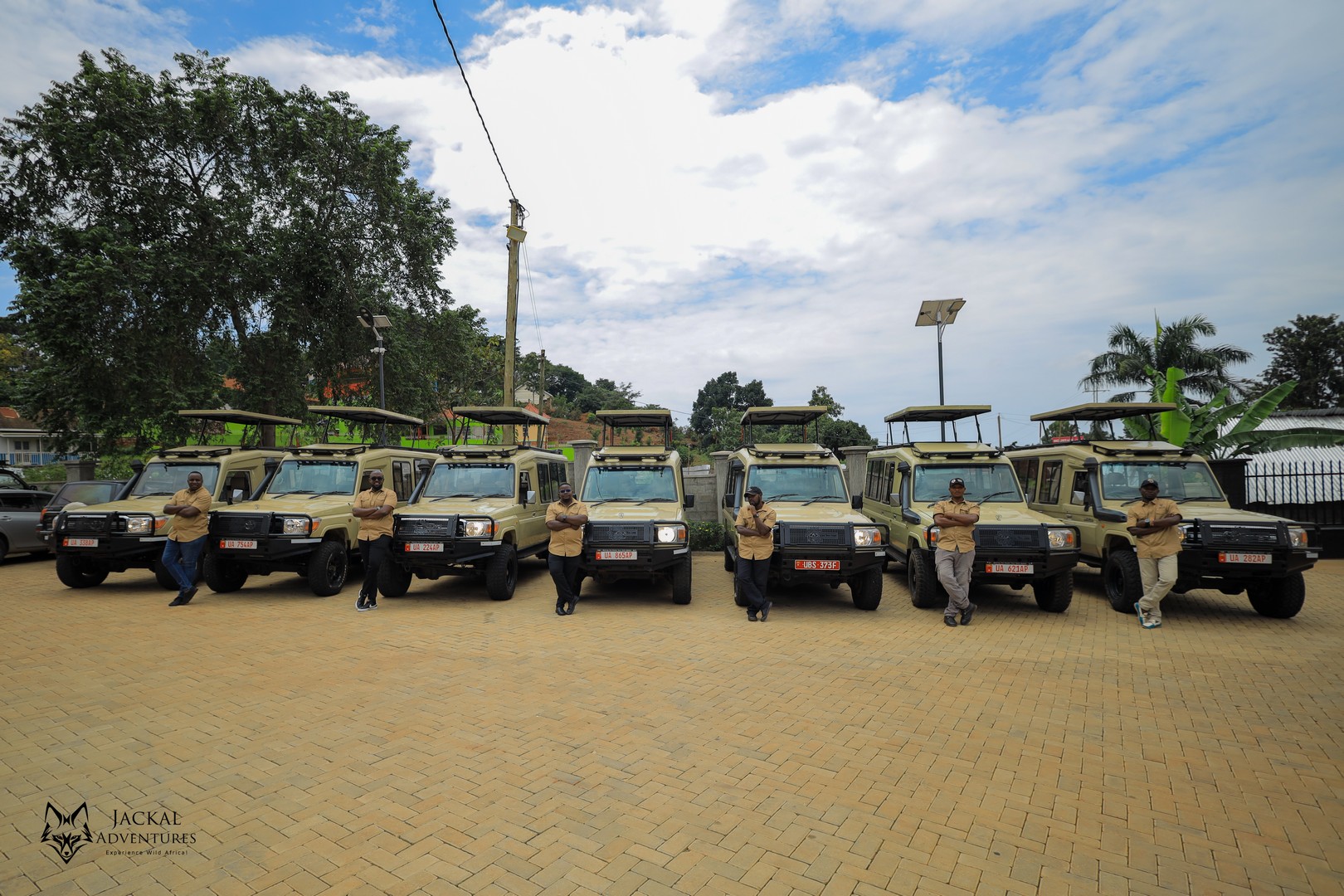
Individual private vehicles are the biggest expense. By joining a scheduled group departure, you split the cost of the 4×4 Land Cruiser, the fuel, and the professional guide. In 2026, most group tours limit participants to six people to ensure everyone gets a window seat. This can save you up to 30% compared to a private tour.
budget safari
2. Prioritize “Must-See” Parks
National park entry fees have increased across East Africa to support conservation. Instead of rushing through five different parks, pick two iconic locations and spend more time there. This reduces “transit days” where you pay for fuel and driver time without actually seeing animals. For instance, spending four days in the Serengeti is often cheaper than trying to visit four different parks in four days.
3. Use Road Transfers Instead of Bush Flights
While hopping on a small plane is fast, it is incredibly expensive, often costing $200–$400 per leg. Driving between parks allows you to see the beautiful countryside and local villages. Modern safari vehicles in 2026 are well-maintained and comfortable, making the road journey part of the adventure.
4. Stay Flexible with Dates
The very height of the Great Migration (August) carries the highest price tag. If you can travel in late June or early October, many operators offer “shoulder-peak” rates. You still get incredible wildlife sightings, but save hundreds of dollars on lodging.
A 2026 Budget-Friendly Itinerary (6 Days)
This itinerary focuses on the “Northern Circuit” of Tanzania, providing a world-class experience at an accessible price point.
-
Day 1: Arrival in Arusha. Transfer to a budget-friendly city hotel. Briefing for the week ahead.
-
Day 2: Tarangire National Park. Full day game drive. Witness massive elephant herds and iconic baobab trees. Overnight at a budget camp in the Karatu area.
-
Day 3: Serengeti National Park. Drive across the Ngorongoro Highlands. Enter the Serengeti plains for an afternoon game drive. Overnight at a public campsite.
-
Day 4: Serengeti Plains. Spend the full day tracking the Great Migration. Focus on the central Seronera region for high leopard and lion density. Overnight at a public campsite.
-
Day 5: Ngorongoro Crater. Early morning descent into the crater floor. This “Garden of Eden” offers the best chance to see the endangered Black Rhino. Afternoon transfer back to Arusha.
-
Day 6: Cultural Visit & Departure. Visit a local market in Arusha for souvenirs before your flight home.
Important Information for 2026 Travelers
Visas and Logistics:
Most East African countries have transitioned to digital entry systems. The East Africa Tourist Visa ($100) is the best value if you plan to visit Kenya, Uganda, and Rwanda on a single trip. Tanzania requires its own visa, which is generally $50 for most nationalities ($100 for US citizens).
Tipping Etiquette:
Tipping is expected in the safari industry. Budget travelers should set aside roughly $20–$25 per day for their driver-guide and about $10 per day for camp staff. This ensures the local experts who make your trip possible are fairly compensated.
Packing for Value:
In 2026, weight limits on safari vehicles are strictly enforced to save fuel and reduce wear. Pack light. Stick to neutral colors like khaki and olive to avoid attracting tsetse flies. Don’t forget a high-quality power bank, as charging points in budget campsites can be limited.
Why a Professional Guide Matters
Even when booking a budget safari, you should never skimp on the quality of your guide. A skilled tracker knows the secret paths where the leopards hide and understands the complex behavior of the migration. In 2026, the best budget operators invest heavily in guide training rather than fancy lobby furniture. This ensures your money goes directly toward the quality of your wildlife encounters.
Conclusion
Is a budget safari possible in the 2026 peak season? Yes, and it is often the most rewarding way to travel. By choosing to stay in high-quality camps and joining group tours, you immerse yourself in the wild heart of Africa.
Jackal Adventures specializes in making these dreams a reality. We focus on responsible tourism and provide expert guides who know how to find the action without needing a luxury price tag. We manage the logistics, the permits, and the transport so you can simply focus on the lions roaring in the distance. Our team believes that everyone should have the chance to witness the majesty of East Africa. Whether you want to see the migration or the gorillas of Bwindi, we ensure your 2026 trip is spectacular and affordable.
