High-Speed Internet in the Savannah
February 18, 2026
Tanzania Safari for Honeymooners
February 18, 2026
Essential Safari Insurance for Uganda Primate Trekking
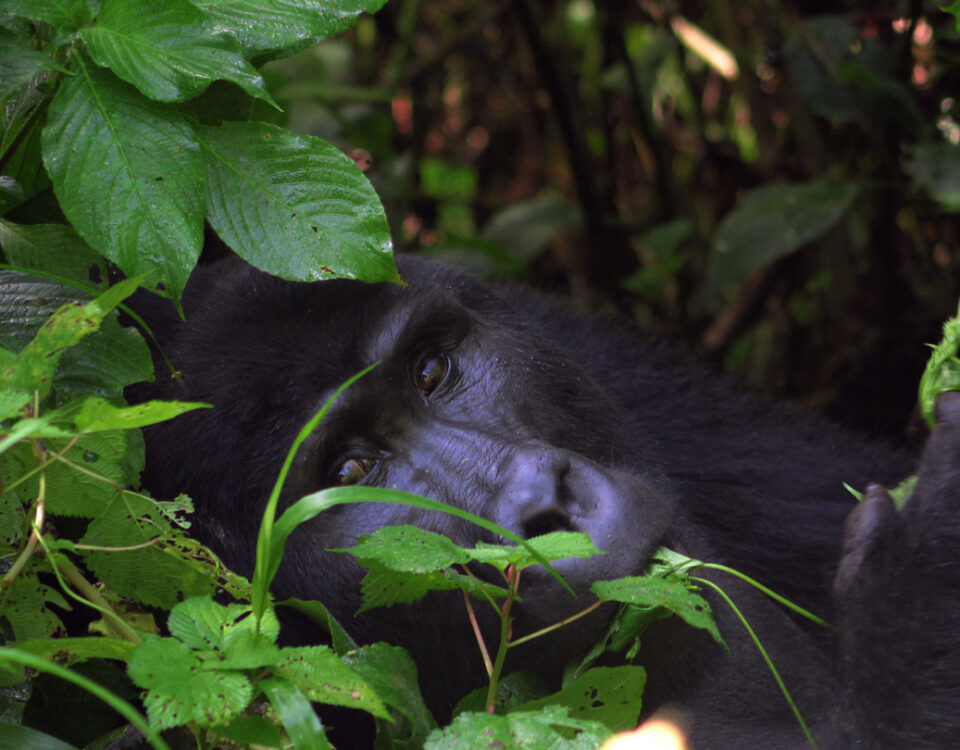
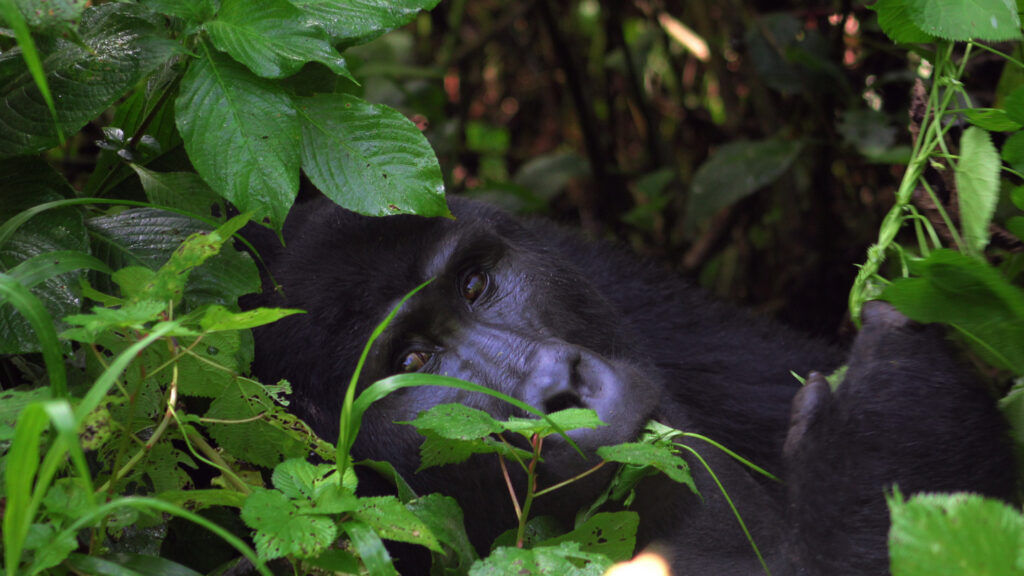
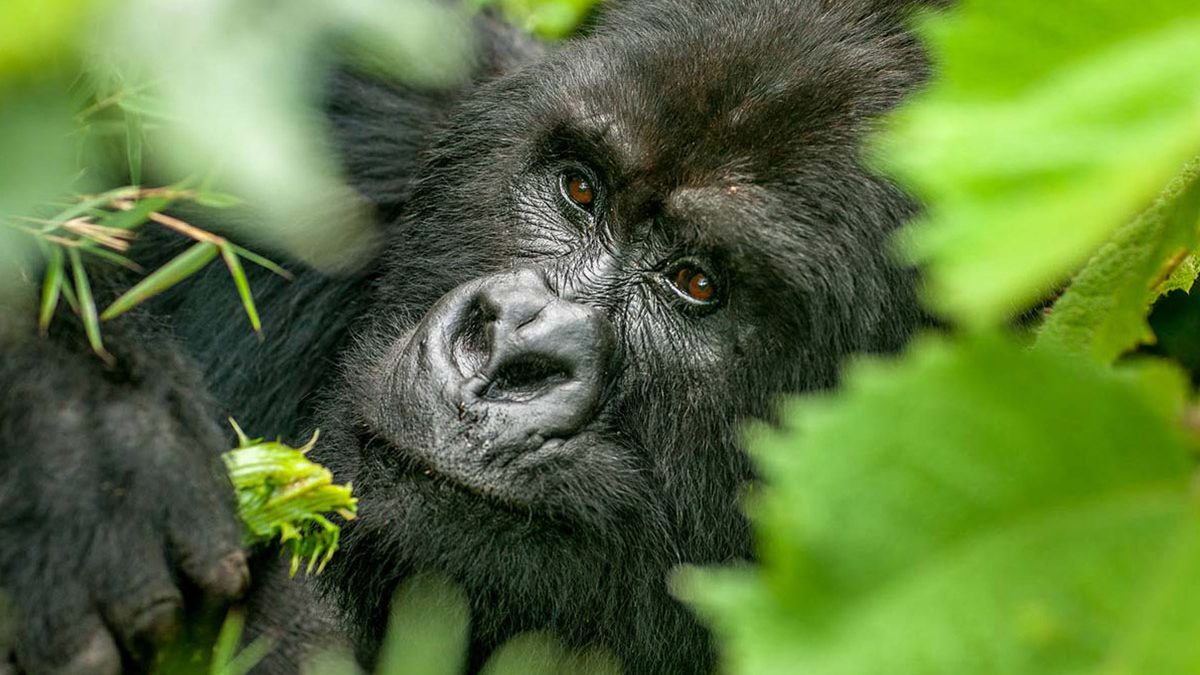
Understanding Flying Doctors coverage is not just advisable; it is a non-negotiable requirement for anyone embarking on remote primate trekking in Uganda. Imagine the thrill of encountering mountain gorillas or chimpanzees in their natural habitat. Now, consider the dense, rugged terrain of Bwindi Impenetrable Forest or Kibale National Park. Should a medical emergency arise in these remote areas, standard travel insurance often falls short. The solution? A specialized medical evacuation service that ensures you receive immediate, expert care, no matter how deep you are in the wild.
The Reality of Remote Trekking
Uganda’s prime primate trekking locations are, by design, incredibly remote. Bwindi Impenetrable National Park, for instance, lives up to its name. There are no paved roads, no nearby hospitals with advanced facilities, and certainly no ambulances on standby. Trekking often involves hours of hiking over uneven, slippery ground, through thick vegetation, and at high altitudes. While the experience is unforgettable, it carries inherent risks:
-
Falls and Sprains: A misstep on a muddy trail can lead to sprained ankles or worse.
-
Animal Encounters: Though rare, unintended close encounters with other wildlife can occur.
-
Insect Bites: Reactions to mosquito or tsetse fly bites can range from uncomfortable to severe.
-
Altitude Sickness: The highlands of Bwindi can reach over 2,600 meters (8,500 feet), posing risks for some individuals.
-
Pre-existing Conditions: Even minor health issues can escalate quickly in a strenuous, isolated environment.
In such scenarios, every minute counts. This is precisely why Flying Doctors coverage becomes indispensable.
What is Flying Doctors Coverage?
Flying Doctors coverage refers to specialized medical evacuation and air ambulance services. Companies like the African Medical and Research Foundation (AMREF) Flying Doctors provide rapid response. They dispatch highly trained medical teams and air ambulances to even the most inaccessible locations across East Africa.
Here’s what this coverage typically includes:
-
Emergency Medical Evacuation: They pick you up from the nearest safe landing zone (bush airstrip or clearing) and transport you to the best medical facility.
-
Hospitalization and Treatment: While not direct health insurance, some plans include liaison with local hospitals to ensure appropriate care.
-
Repatriation: In severe cases, they can arrange for your transfer back to your home country for further treatment.
-
Search and Rescue: If you become lost or incapacitated in an extremely remote area, their teams can locate and extract you.
Crucially, standard travel insurance policies often cover only evacuation to the “nearest adequate facility,” which might still be a basic clinic in Africa. Flying Doctors coverage aims for the best facility, often meaning a flight to Nairobi, Kenya, which boasts world-class medical infrastructure.
Why Standard Travel Insurance Isn’t Enough
Many travelers assume their regular travel insurance will cover everything. While essential for trip cancellations, lost luggage, and minor illnesses, most standard policies have significant limitations when it comes to remote medical emergencies:
| Feature | Standard Travel Insurance | Flying Doctors Coverage (e.g., AMREF) |
| Evacuation Trigger | Often requires “medical necessity” and “nearest adequate facility.” | Rapid response for almost any serious incident in remote areas. |
| Mode of Transport | Commercial flight is stable; ground ambulance. | Dedicated air ambulance (fixed-wing or helicopter) with medical staff. |
| Destination | Nearest local hospital/clinic (may be basic). | Best equipped regional hospital (e.g., Nairobi, Kampala). |
| Response Time | Can be hours, often relies on ground transport. | Minutes/hours, direct air dispatch to remote sites. |
| Medical Team | Often none during transport, or basic first aid. | Doctors, nurses, and paramedics on board with advanced equipment. |
Purchasing Your Flying Doctors Coverage for 2026
Acquiring Flying Doctors coverage is straightforward. You typically purchase a temporary membership or subscription for the duration of your trip. Providers offer various plans (e.g., “Tourist Safari,” “Short Stay”) and regions (e.g., “Uganda only,” “East Africa”). You can often buy these online or through your safari tour operator.
Key considerations when purchasing:
-
Duration: Ensure coverage extends for your entire trip, plus a few buffer days.
-
Region: Confirm it explicitly covers Uganda, especially the national parks you plan to visit.
-
Type of Service: Understand if it’s strictly air evacuation or if it includes ground ambulance transfers to airstrips.
-
Heightened Risk Activities: If you plan activities like volcano climbing (e.g., Rwenzoris), verify that these are not excluded.
-
Emergency Contact: You will receive an emergency number. Ensure your guide and anyone you are traveling with also have it.
Remember, this coverage is in addition to your comprehensive travel insurance. Do not view it as a replacement.
The Peace of Mind it Offers
The investment in Flying Doctors coverage is minimal compared to the cost of a safari, but the peace of mind it provides is priceless. Knowing that a highly trained team can reach you swiftly, even in the deepest corners of the “Impenetrable Forest,” allows you to truly immerse yourself in the experience. You can focus on the incredible moment you come face-to-face with a silverback gorilla, knowing that a safety net exists.
This coverage not only protects you but also supports the infrastructure that benefits other travelers and local communities. It funds rapid response teams, advanced medical equipment, and the training of personnel dedicated to saving lives in challenging environments.
Conclusion
At Jackal Adventures, your safety is our utmost priority. We strongly emphasize the necessity of Flying Doctors coverage for all our primate trekking clients in Uganda. Our booking process includes clear guidance on how to obtain this essential service, and we partner with reputable providers to ensure you receive the best possible protection.
Our experienced guides carry satellite phones or radios, maintaining constant communication. They know the nearest emergency landing zones and understand the protocols for contacting air ambulance services. We help you choose the right plan and integrate it seamlessly into your itinerary. With Jackal Adventures, you embark on an adventure of a lifetime with complete confidence, knowing you have the ultimate safety net in the heart of Africa. Your focus should be on the magnificent wildlife; ours is on your well-being.