Eye-Contacting a Silverback: A True Gorilla Encounter
February 17, 2026
Gorilla Nesting Habits: Where the Giants Sleep
February 17, 2026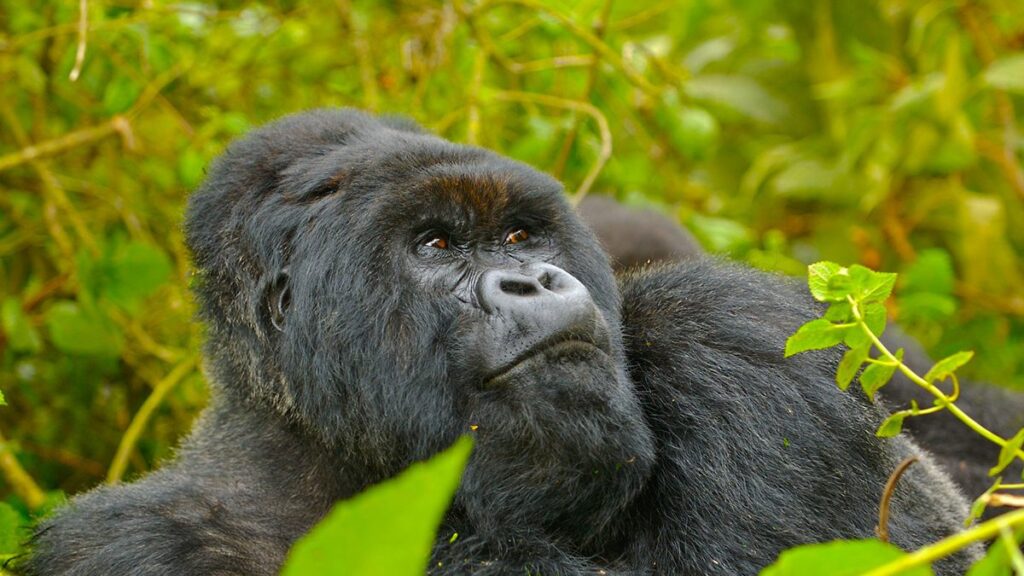
The Land of a Thousand Hills
Rwanda, known as the “Land of a Thousand Hills,” offers a mix of dramatic landscapes, rich wildlife, and welcoming culture year round. Yet, like any destination, the timing of your trip can shape your experience affecting wildlife viewing, outdoor activities, and even budget. Here’s a practical guide to planning your visit, with an eye toward maximizing your time in the country’s most iconic places, from the volcanic peaks of the Virungas to the emerald tea plantations of the countryside.
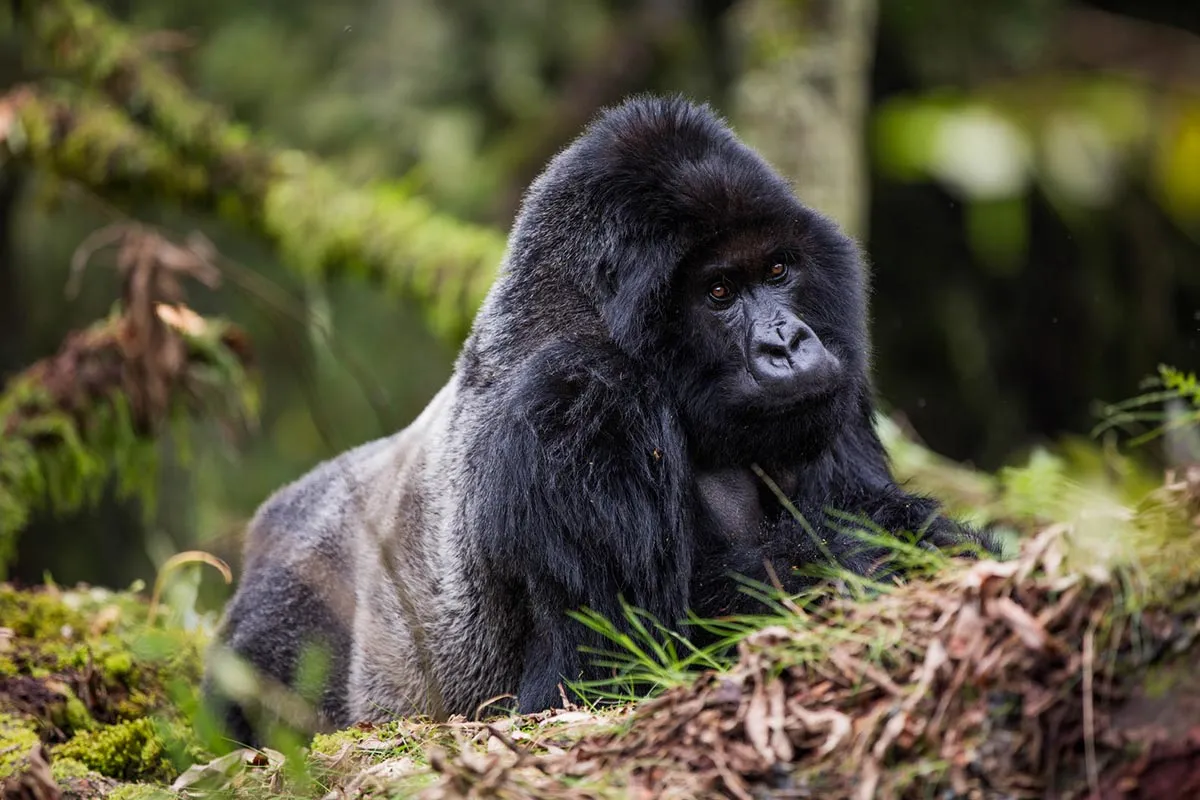
Volcanoes National Park
Understanding Rwanda’s Seasons
Rwanda’s climate is generally mild, with two rainy seasons and two dry seasons. The “long” rainy season runs roughly from March to May, while the “short” rainy season is from October to November. The dry seasons fall in with two windows: December to February and June to August. The weather is influenced by altitude central highlands around Kigali and Nyungwe are cooler, while the low lying savannas in the west and north can be warmer.
- Dry season (December–February and June–August): Ideal for gorilla trekking, golden hour photography, and comfortable hiking. Trails are drier and easier to navigate.
- Shoulder seasons (late February–March and September–November): Some rain, fewer crowds, and often lower prices. Still great for wildlife and scenic city tours.
- Wet season (March–May and October–November): Lush landscapes and dramatic clouds, but some mud and more challenging treks. Excellent for birding and forest photography when you don’t mind a bit of rain.
Wildlife Viewing
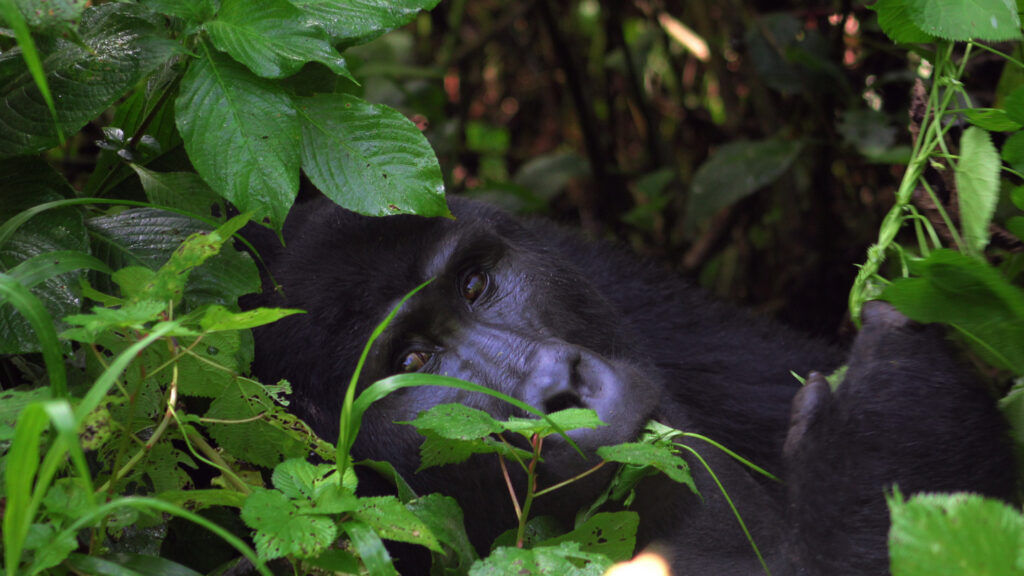
Gorilla trekking is Rwanda’s headline experience, and timing plays a big role in your success rate of finding families and enjoying your day without crowds. The dry seasons are typically the most popular for gorilla and golden monkey treks because the trails are drier and the weather is more predictable. If you’re flexible on dates, consider visiting in the early part of the shoulder seasons to dodge peak crowds while still benefiting from good trekking conditions.
Chimpanzee tracking in Nyungwe Forest, and birding across the country, can be excellent outside the peak dry months. The forests are alive with sound and activity, and rainy spells often yield vibrant flora and better bird visibility.
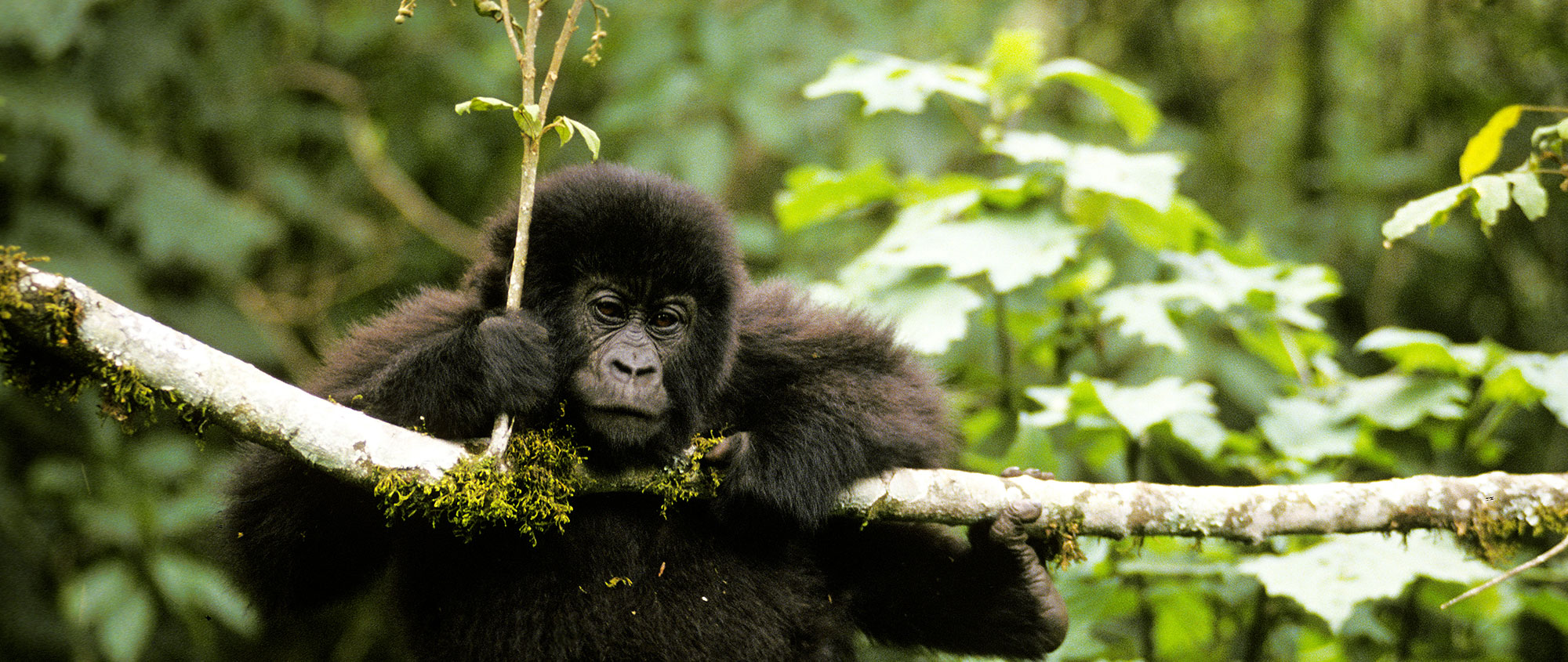
Rwanda Gorilla Trekking
Cultural Experiences and City Breaks
Kigali, the country’s capital, is a hub of museums, markets, and cuisine. A visit to the Genocide Memorial is a sobering but essential part of understanding Rwanda’s recent history. Then drift to the hills of Musanze (formerly Ruhengeri) to access the Volcanoes National Park, or to Nyungwe National Park for a canopy walkway and primate diversity. The best times for city exploration are during the dry seasons when street life is more comfortable and outdoor markets are bustling.
Budget, Packing, and Practical Tips
- If possible, book gorilla permits well in advance. Availability is limited and prices can fluctuate with demand.
- Pack light rain gear even during the dry seasons; evenings can be cool, especially at higher elevations.
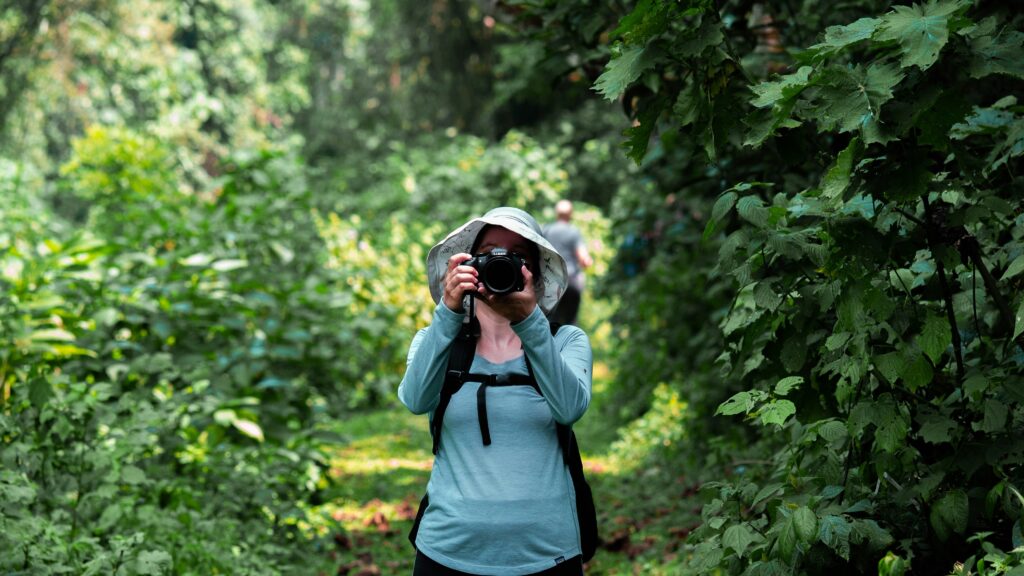
- Prepare for variable conditions in the forests. Sturdy boots, long sleeves, and insect repellent are essential.
- Consider local guides and community based tours to support conservation and local livelihoods.
Jackal Adventures
When planning a Rwanda itinerary, turn to Jackal Adventures for curated experiences that balance wildlife encounters, culture, and sustainable travel. We tailor;
- Small group itineraries that minimize environmental impact
- Expert guides with in depth knowledge of gorilla behavior, birdlife, and forest ecology
- Flexible schedules that align with weather patterns and permit availability
- A focus on responsible tourism, including community engagement and conservation support
If you’re chasing an immersive, well organized Rwanda journey, Jackal Adventures can tailor a trip that fits your interests, whether you want intense wildlife days, scenic adventures, or cultural immersions.
Best Travel Windows in Rwanda
| Activity | Best Time Window | What to Expect | Tips |
|---|---|---|---|
| Gorilla trekking | December–February; June–August | Dry trails, comfortable hikes, peak crowds | Book permits early; arrive at ranger station early |
| Chimp trekking | Year-round, but drier months help | Forest trails with dense canopy | Dress in layers; bring a rain jacket |
| Birding and Nyungwe | April–May and September–November (shoulder seasons) | Rich avifauna, lush rainforest | Hire a local guide for best birding spots |
| Community and city tours | All year, but dry season first choice | Markets, museums, culinary experiences | Plan an evening city stroll to enjoy nightlife |
| Volcanoes National Park (Parks & treks) | December–February; June–August | Clearer views, wildlife visibility | Allow buffer days for permit changes; altitude awareness |
In essence, Rwanda rewards planning and flexibility. If you want reliably good weather and easier trekking, aim for the dry seasons, particularly December to February or June to August. If you crave fewer crowds and more dramatic scenery, the shoulder months provide a sweet spot. And for birders and forest enthusiasts, the transition periods between rains can yield magical moments.
Rwanda is a destination you can love in any season. The landscapes are spectacular year round, the wildlife unforgettable, and with Jackal Adventures handling logistics, you can focus on the moments that truly matter the roaring of distant gorillas, the chorus of forest birds at dawn, and the warm hospitality of Rwanda’s people.