The Batwa People of Uganda: History, Culture & Responsible Tourism
February 12, 2026
Must-Visit Beautiful Cities in East Africa
February 12, 2026
Read This Before You Book
An African safari represents the pinnacle of travel for many adventure seekers. The prospect of standing meters away from a wild lion or watching a massive elephant herd cross the savanna creates an excitement unlike any other. However, the logistics of a first-time safari in Africa can feel overwhelming. From choosing the right season to understanding the unwritten rules of the bush, preparation determines the success of your journey. Before you put down a deposit, read this essential guide to ensure you maximize your investment and enjoyment.
1. Timing Is Everything
Many travelers assume that any time is a good time for wildlife viewing, but seasons drastically change the landscape. Most iconic destinations in East and Southern Africa experience a “Dry Season” and a “Wet Season.”
During the dry months (typically June to October), vegetation thins out, and animals congregate around permanent water sources. This makes spotting the “Big Five” significantly easier. Conversely, the wet or “Green Season” (November to May) offers lush, emerald landscapes and lower prices. While the thick foliage makes animals harder to find, you will enjoy birdwatching and the sight of newborn calves. Therefore, align your booking dates with your primary goal: maximum wildlife sightings or lush, budget-friendly scenery.
2. Choose Your Destination Wisely
Africa is a massive continent, and every region offers a different flavor of adventure. For a first-time safari in Africa, East Africa, specifically Kenya and Tanzania, remains the gold standard. These countries offer vast open plains where wildlife remains highly visible.
If you dream of the Great Migration, you must focus on the Serengeti or the Masai Mara. However, if you prefer water-based safaris, the Okavango Delta in Botswana might suit you better. Uganda and Rwanda provide the unique thrill of gorilla trekking, which requires a completely different level of physical fitness and preparation. Research the specific animals you want to see before selecting your country.
3. Pack for Practicality, Not Fashion
Safari packing requires a “function over form” mindset. You might feel tempted to buy a full wardrobe of designer camouflage, but the bush demands specific practicalities. Neutral colors like khaki, beige, and olive green help you blend into the environment and avoid attracting biting insects like tsetse flies.
Furthermore, remember that “safari” does not always mean “hot.” While midday temperatures can soar, early morning game drives in open-sided vehicles feel biting cold. Layering serves as your best strategy. Start with a light t-shirt, add a fleece, and finish with a windproof jacket. As the sun rises, you can peel away the layers to stay comfortable.
Essential Safari Packing List
| Category | Must-Have Items | Why You Need It |
| Clothing | Neutral layers (khaki/green) | Blending in and sun protection |
| Gear | High-quality binoculars | Spotting animals in the distance |
| Health | SPF 50+ and Insect Repellent | Protection from harsh sun and bugs |
| Tech | A camera with a zoom lens | Capturing high-quality wild moments |
| Footwear | Sturdy, closed-toe shoes | Safety at camp and on bush walks |
4. Respect the Rules of the Bush
A first-time safari in Africa introduces you to a world where humans are no longer at the top of the food chain. Your guide acts as your primary safety officer. Always follow their instructions without hesitation. For instance, never stand up in the vehicle when near predators, as this breaks the vehicle’s silhouette and can trigger an attack or cause the animal to flee.
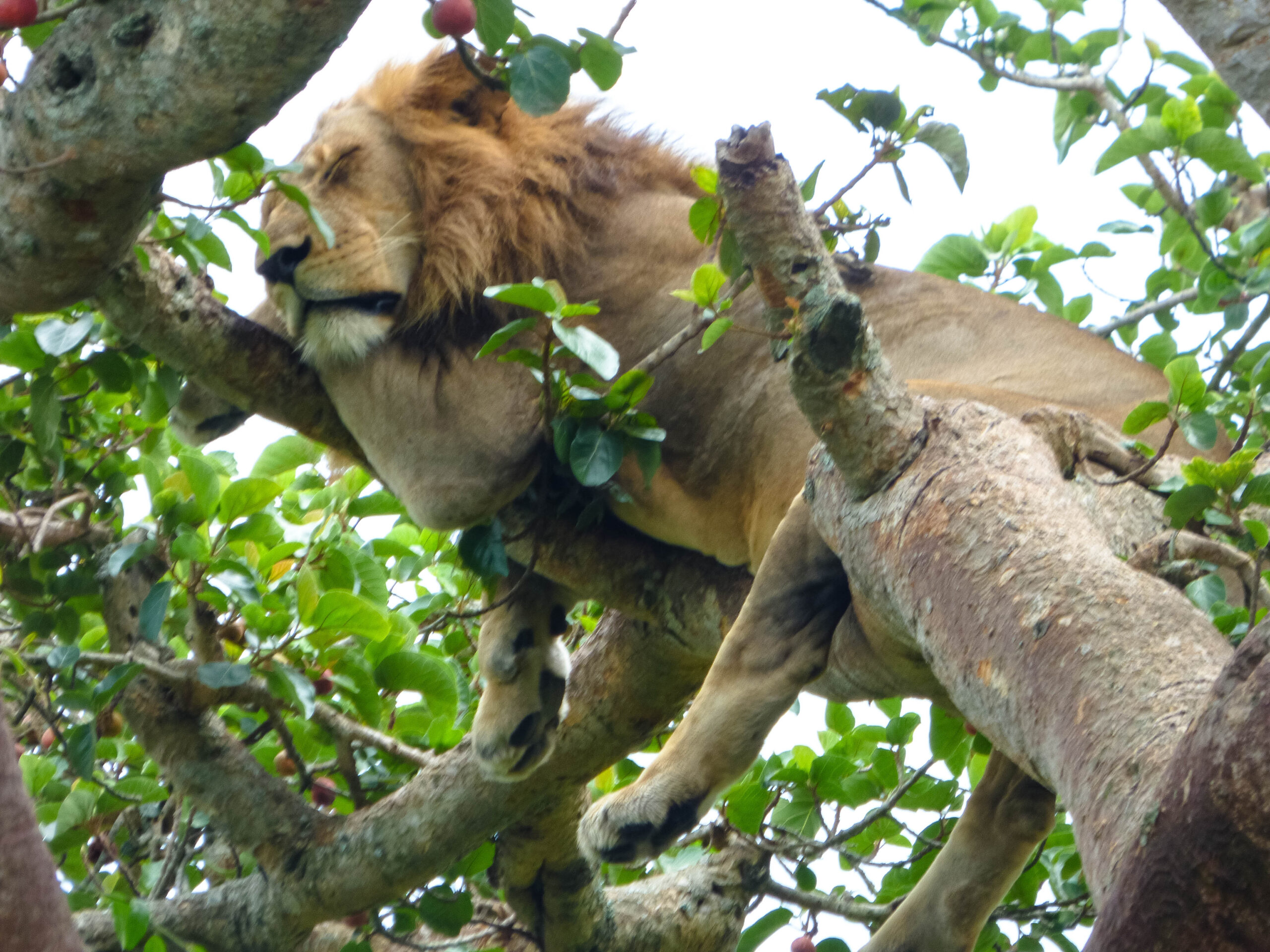
Patience also plays a vital role. Wildlife operates on its own schedule, not yours. You might spend an hour watching a sleeping pride of lions before they finally decide to hunt. Embrace the silence and the smaller details, the birds, the tracks, and the unique flora to truly appreciate the ecosystem.
5. Budget for More Than Just the Room
When you look at safari prices, ensure you understand exactly what the rate includes. Luxury lodges often operate on a “Game Package” basis, covering meals, drinks, and game drives. However, some smaller lodges offer “Full Board” only, meaning you pay extra for every activity.
Additionally, keep cash aside for tipping. Tipping your guide and lodge staff remains a standard practice and a significant part of their livelihood. Most companies recommend a set amount per person per day. Factoring these “extras” into your initial budget prevents financial stress during your dream holiday.
Planning a Successful First-Time Safari in Africa
Ultimately, your choice of operator defines your experience. A reputable company provides expert guides who can interpret animal behavior, rather than just driving you from point A to point B. Ask questions about the age of their vehicles, their conservation policies, and the experience level of their rangers. Furthermore, verify if the operator includes park fees and emergency evacuation insurance in their quote to avoid hidden costs. This due diligence ensures your first-time safari in Africa leaves you with memories of a lifetime rather than logistical headaches.
Conclusion
At Jackal Adventures, we specialize in introducing newcomers to the magic of the African wild. We understand the anxieties of planning a first-time safari in Africa, and we pride ourselves on making the process seamless and transparent. From the moment you land to your final sundowner on the savanna, our team prioritizes your safety, comfort, and wildlife goals. We utilize top-tier vehicles and the most knowledgeable local guides to ensure you don’t just see the animals, you understand them. Trust Jackal Adventures to craft a bespoke itinerary that fits your budget and exceeds your wildest expectations. Let us show you why so many travelers leave Africa only to start planning their next return with us.