

The Ultimate Masai Mara Safari Guide
February 12, 2026
Kenya Family Safari Guide
February 12, 2026
Africa’s Ultimate Wildlife Spectacle
The Great Migration is often described as one of the most breathtaking natural events on Earth. Every year, over a million wildebeests, accompanied by hundreds of thousands of zebras and gazelles, traverse the plains of East Africa in search of fresh grazing. This massive movement of wildlife is not just a remarkable sight; it is a dynamic and thrilling natural phenomenon that draws thousands of tourists to Kenya’s Masai Mara and Tanzania’s Serengeti National Park every year.
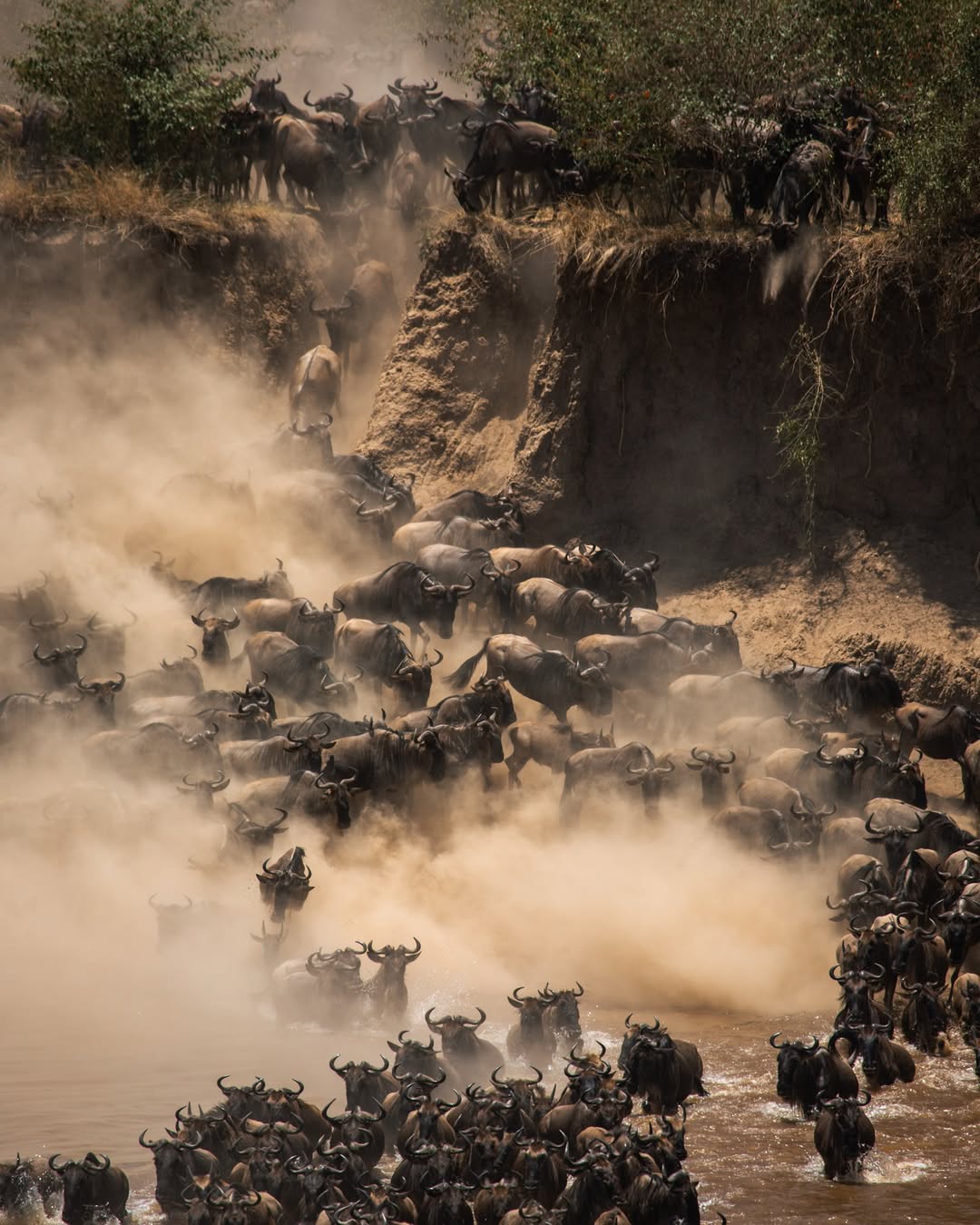
Great Migration Mara River Crossing
What is the Great Migration?
The Great Migration is an annual wildlife movement driven by the availability of food and water. It involves millions of herbivores, mainly wildebeests, but also zebras and gazelles, moving in a circular route between Tanzania and Kenya. The journey is perilous, as predators such as lions, cheetahs, hyenas, and crocodiles lie in wait. The migration represents the raw rhythm of nature: survival, life, and death in the African savannah. The cycle begins in Tanzania’s Serengeti, where wildebeests give birth to thousands of calves in early February. As the dry season approaches in the south, the herds begin moving northwest toward Kenya’s Masai Mara, following the rains and lush grazing areas. The timing varies slightly each year depending on rainfall, but generally, the migration reaches the Masai Mara from July to October.
The Masai Mara
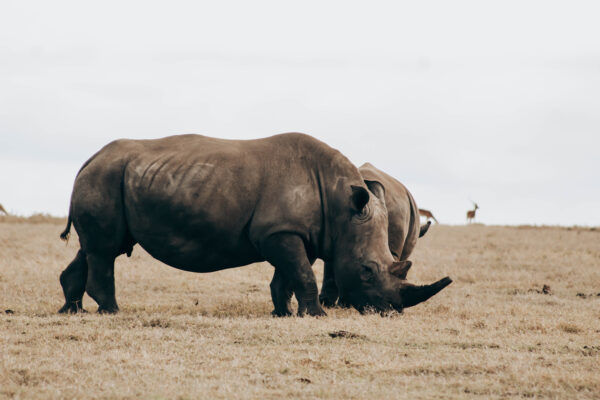
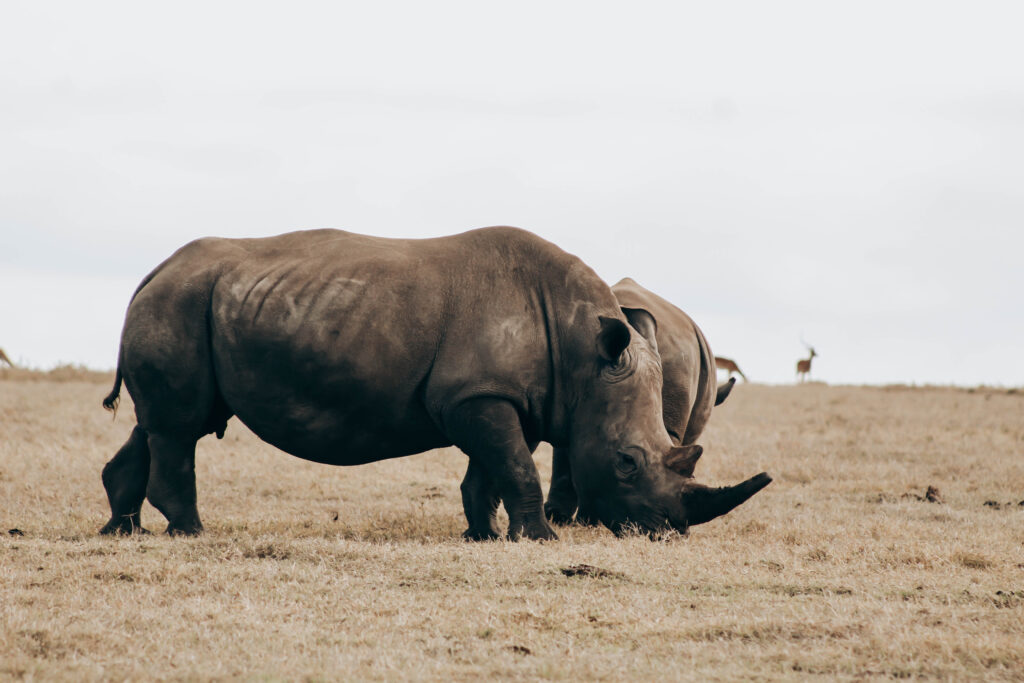
The Masai Mara National Reserve is a crucial stop for the migrating herds. Its expansive plains, dotted with acacia trees and rolling hills, provide ideal grazing grounds and open areas for spotting wildlife. Visitors flock to the Mara during the peak migration months for a chance to witness iconic events such as the grueling river crossings over the Mara River. Here, crocodiles lie in wait, and wildebeests must summon incredible strength and determination to survive the treacherous waters. These crossings are among the most dramatic and photographed moments in wildlife tourism. While the Mara is famous for river crossings, it is also home to the Big Five: lions, elephants, leopards, buffalo, and rhinos. During the migration, predators are more active, providing unparalleled opportunities for game drives and wildlife photography.
Safari Activities During the Great Migration
Travelers to the Masai Mara during migration season can enjoy a variety of safari experiences:
- Game Drives: Morning and evening drives are ideal for spotting predator prey interactions, large herds of wildebeests, and other wildlife. Guides are skilled at finding the most exciting encounters.
- Hot Air Balloon Safaris: For a unique perspective, balloon safaris over the Mara plains allow visitors to watch the migration from above, capturing stunning aerial views and panoramic photographs.
- Guided Walks & Cultural Tours: Many safaris offer walks with experienced guides to explore smaller wildlife, track animal footprints, and learn about the ecosystem. Visitors can also meet Maasai communities, gaining insight into their culture and traditions.

Great Migration Mara River Crossing
Accommodation Options During the Migration
The Masai Mara offers a wide range of accommodations to suit every traveler, from luxury lodges to immersive tented camps:
- Luxury Lodges: Ideal for travelers seeking comfort and convenience. Many lodges offer pools, fine dining, and spectacular views of the savannah. They are often strategically located near prime wildlife areas.
- Tented Camps: Mobile and semi permanent camps bring you closer to nature. Guests wake up to the sounds of the savannah and enjoy guided safari activities just steps from their tents.
- Budget Friendly Campsites: For more adventurous travelers, campsites provide basic accommodations while maintaining easy access to wildlife areas.
Tips for Witnessing the Great Migration
- Timing: Plan your visit between July and October for peak river crossings, or February to March in the southern Serengeti for calving season.
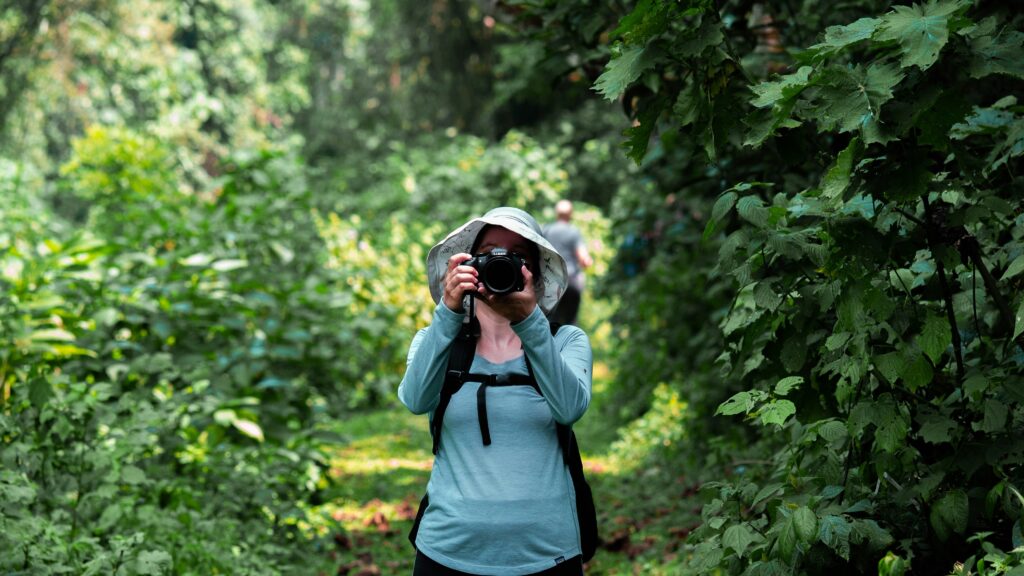
- Photography: Bring zoom lenses and binoculars for capturing close-up wildlife interactions from a safe distance.
- Clothing: Neutral colored clothing is best for blending into the environment. Include sun protection and comfortable walking shoes.
- Book Early: Peak migration season is highly popular, so secure accommodations well in advance, especially for luxury lodges or tented camps.
The Great Migration Season
| Migration Phase | Months | Highlights |
|---|---|---|
| Calving Season (Serengeti) | Feb – Mar | Thousands of wildebeest calves; predator activity increases |
| Long Trek to Masai Mara | Apr – Jun | Herds move north following fresh grazing; fewer tourists |
| Peak Masai Mara Crossing | Jul – Oct | Dramatic river crossings; big predator action |
| Return to Serengeti | Nov – May | Herds move back south; lush landscapes and birdwatching |
Why the Great Migration is Unforgettable
The Great Migration is more than just a wildlife spectacle it is an immersive lesson in resilience, survival, and the interconnectedness of nature. Witnessing herds of wildebeests thunder across the savannah, crocodiles lurking in rivers, and lions in pursuit is an experience that touches every visitor. It is one of the few events on Earth that combines sheer natural beauty, raw wildlife behavior, and adventure in one extraordinary spectacle. Working with Jackal Adventures ensures you not only witness this incredible migration but also enjoy a seamless, safe, and memorable experience, from accommodation to expert guided safaris. Whether you seek luxury, adventure, or a family friendly experience, the Great Migration promises memories that last a lifetime.




1 Comment
[…] is one of Africa’s most iconic travel destinations, famous for its breathtaking safaris, the Great Migration, pristine beaches, and rich cultural heritage. But when is the best time to visit Kenya? The answer […]