Last Minute Gorilla Trekking Permits
February 10, 2026
Birding in Uganda: Why November is the Month for Rare Sightings
February 10, 2026
A Peak Season Guide
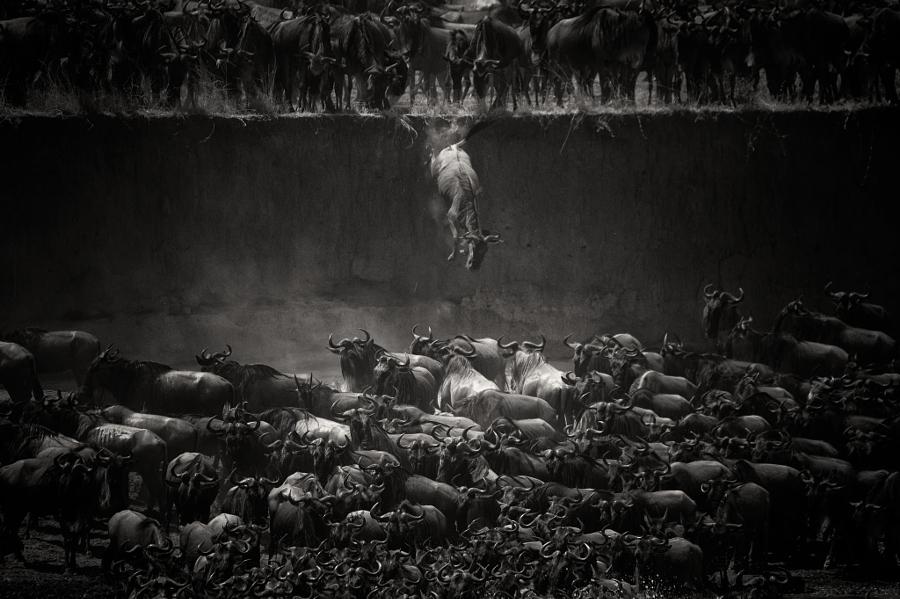
August represents the heart of the Great Migration in the Serengeti. During this month, hundreds of thousands of wildebeest and zebras move into the northern regions, preparing for the dramatic Mara River crossings. While the wildlife viewing reaches its absolute peak, so do the crowds. Navigating the park during this busy window requires a strategic approach to ensure a tranquil and rewarding safari. If you want to witness the action without the stress of heavy traffic, you must follow a plan for navigating the Serengeti in August.
1. Head North for the Migration Action
In August, the bulk of the Great Migration congregates in the Kogatende and Lamai Wedge areas. While the central Seronera region remains excellent for big cat sightings, the “main event” happens near the border of Kenya. Navigating the Serengeti in August means focusing your itinerary on the northern reaches where the river crossings occur.
By staying in a mobile camp or a lodge in the north, you minimize the long daily drives from the central plains. This proximity allows you to reach the river banks early in the morning, which increases your chances of seeing a crossing before the heat of the day sets in and the crowds intensify.
2. Master the Early Morning Departure
The secret to avoiding the “minivan clusters” remains simple: leave before the sun rises. Most casual tourists wait for a leisurely breakfast at the lodge before heading out at 8:00 AM. By that time, the best sightings often have twenty vehicles surrounding them.
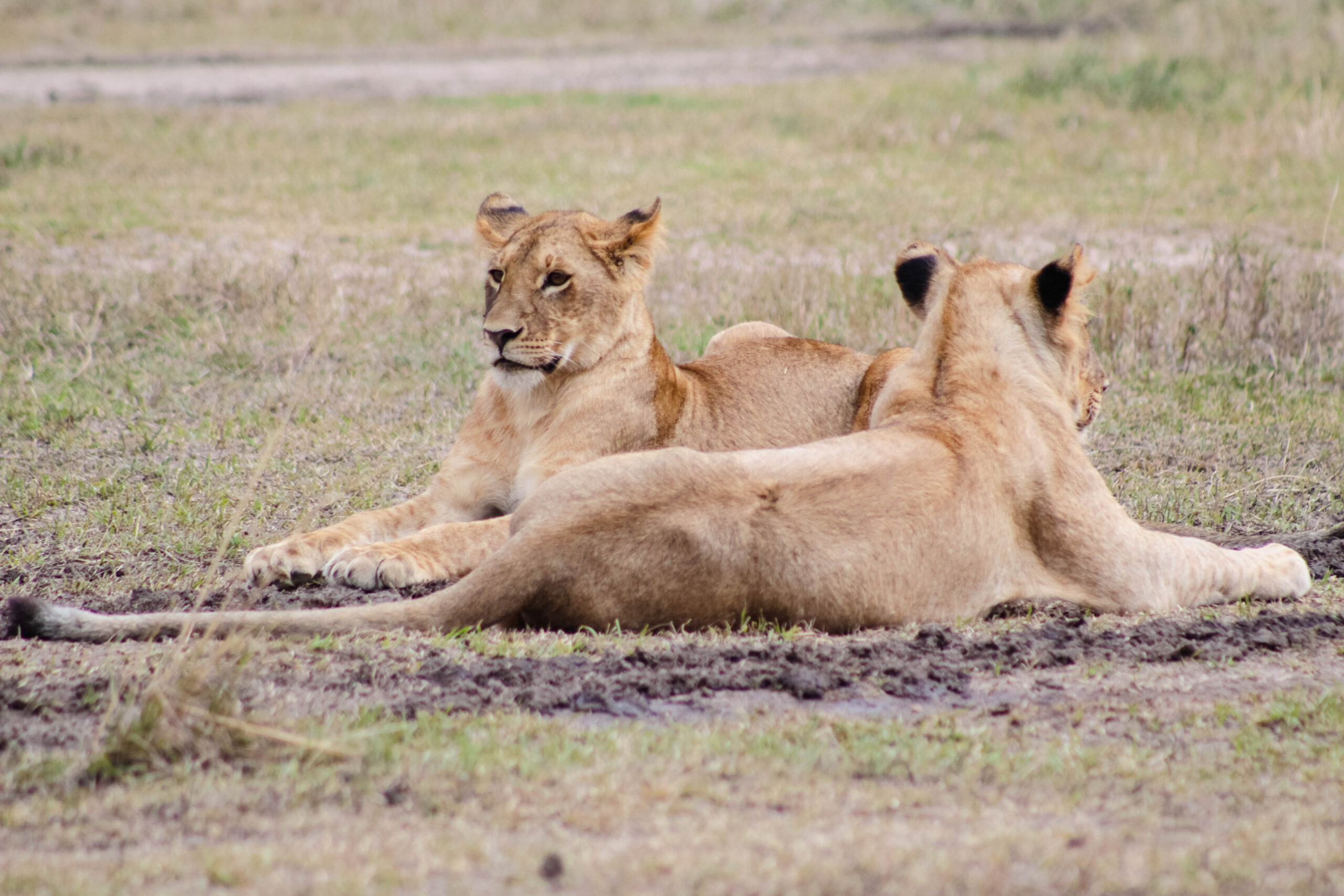
When navigating the Serengeti in August, aim to be on the road by 6:00 AM. The first light offers the best photography conditions and represents the peak time for predator activity. Watching a pride of lions on a kill in total silence, before the rest of the park wakes up, creates a completely different atmosphere for your safari.
Leaving early also grants you a “first-mover advantage” at the Mara River. Wildebeest often gather at crossing points during the night and make their first move as the temperature rises. By arriving early, you secure a prime viewing position without obstructing the animals’ path, a common mistake made by late-arriving convoys. Furthermore, the cool morning air encourages leopards and cheetahs to remain active on the plains; once the August sun intensifies by mid-morning, these cats disappear into dense thickets or the crowns of acacia trees, making them nearly impossible to spot.
Serengeti Safari Planning: August vs. March
| Feature | August (Peak Season) | March (Low/Green Season) |
| Migration Location | Northern Serengeti (River Crossings) | Southern Serengeti (Calving) |
| Crowd Levels | High / Very Busy | Low / Private |
| Wildlife Visibility | Excellent (Dry grass/Thin bush) | Moderate (Lush vegetation) |
| Predator Action | Very High (Active near water) | High (Following the calves) |
| Jackal Adventures | Focus on Strategic Timing | Focus on Exclusive Locations |
Utilize Private Concessions and Remote Loops
The Serengeti is massive, covering nearly 15,000 square kilometers. Most visitors stick to the well-known main tracks. However, navigating the Serengeti in August becomes much more pleasant when you explore the lesser-known “loops” and side roads.
An experienced guide knows the hidden waterholes and drainage lines where leopards and cheetahs hide away from the main tourist routes. Additionally, booking a camp located in a private concession adjacent to the park allows you to enjoy off-road driving and night safaris, two activities strictly forbidden inside the national park.
4. Pack for Dust and Temperature Fluctuations
August falls during the dry season, meaning the Serengeti becomes a “dust bowl.” The fine volcanic soil hangs in the air, especially when several vehicles pass each other. To enjoy your trip, pack a lightweight scarf or a “buff” to protect your face and a dry bag for your camera gear.
The temperatures also fluctuate wildly. While midday feels hot and dry, the early mornings and late nights on an open-sided vehicle are surprisingly cold. Successfully navigating the Serengeti in August requires dressing in layers. A heavy fleece or windbreaker is essential for those pre-dawn drives when the wind chill is significant.
5. Patience is the Ultimate Safari Virtue
During the peak season, everyone wants to see a river crossing. You might spend hours sitting by the Mara River watching wildebeest pace back and forth on the bank. They are notoriously indecisive; one nervous zebra can turn the entire herd around.
Avoid the temptation to “chase” sightings reported over the radio. By the time you arrive at a radio-called sighting, it is often overcrowded. Instead, trust your guide to find a quiet spot and wait for the wildlife to come to you. This patient approach often leads to the most intimate and authentic wildlife encounters of the entire trip.
Conquer the Peak Season with Jackal Adventures
The Serengeti in August offers the most spectacular wildlife show on earth, but it requires a professional touch to handle the logistics. At Jackal Adventures, we specialize in navigating the Serengeti in August by using our deep local knowledge to bypass the crowds.
Our guides prioritize your privacy and the quality of your sightings. We use custom-built vehicles and strategic timing to ensure you experience the Great Migration in its purest form. Contact Jackal Adventures today to secure your peak season safari and let us guide you through the heart of the action with ease.