

Managing Global Safety in 2026
Navigating the globe in 2026 requires a sophisticated approach to risk management. For many adventurers, the most rewarding landscapes often sit near regions of geopolitical sensitivity. Understanding how traveling to Conflict-Affected Areas works is essential for ensuring family safety without sacrificing the thrill of discovery. This guide by Jackal Adventures provides a professional framework for assessing risks and planning secure journeys in a changing world.
The Ultimate Safari Overview: Security in Sensitive Zones
Traveling to Conflict-Affected Areas does not mean entering a literal war zone. In a safari context, it often means visiting stable national parks that border less stable regions. In 2026, security is about “insulation.” You want an itinerary that keeps you within protected conservation corridors and far from urban political centers.
A successful journey relies on a multi-layered security strategy. We prioritize destinations where the “Tourism Police” and national park rangers maintain a constant, visible presence. Your family stays in “Status Green” zones, areas officially vetted and monitored by local wildlife authorities. These regions benefit from advanced surveillance, including drone monitoring and satellite communication networks.
At Jackal Adventures, we act as your primary intelligence hub. We monitor real-time security alerts and maintain direct lines to park wardens. Our guides receive daily briefings on road conditions and regional stability. We choose lodges with robust internal security protocols and private airstrips to bypass sensitive transit points. This level of planning ensures that your focus remains on the wildlife, not the headlines.
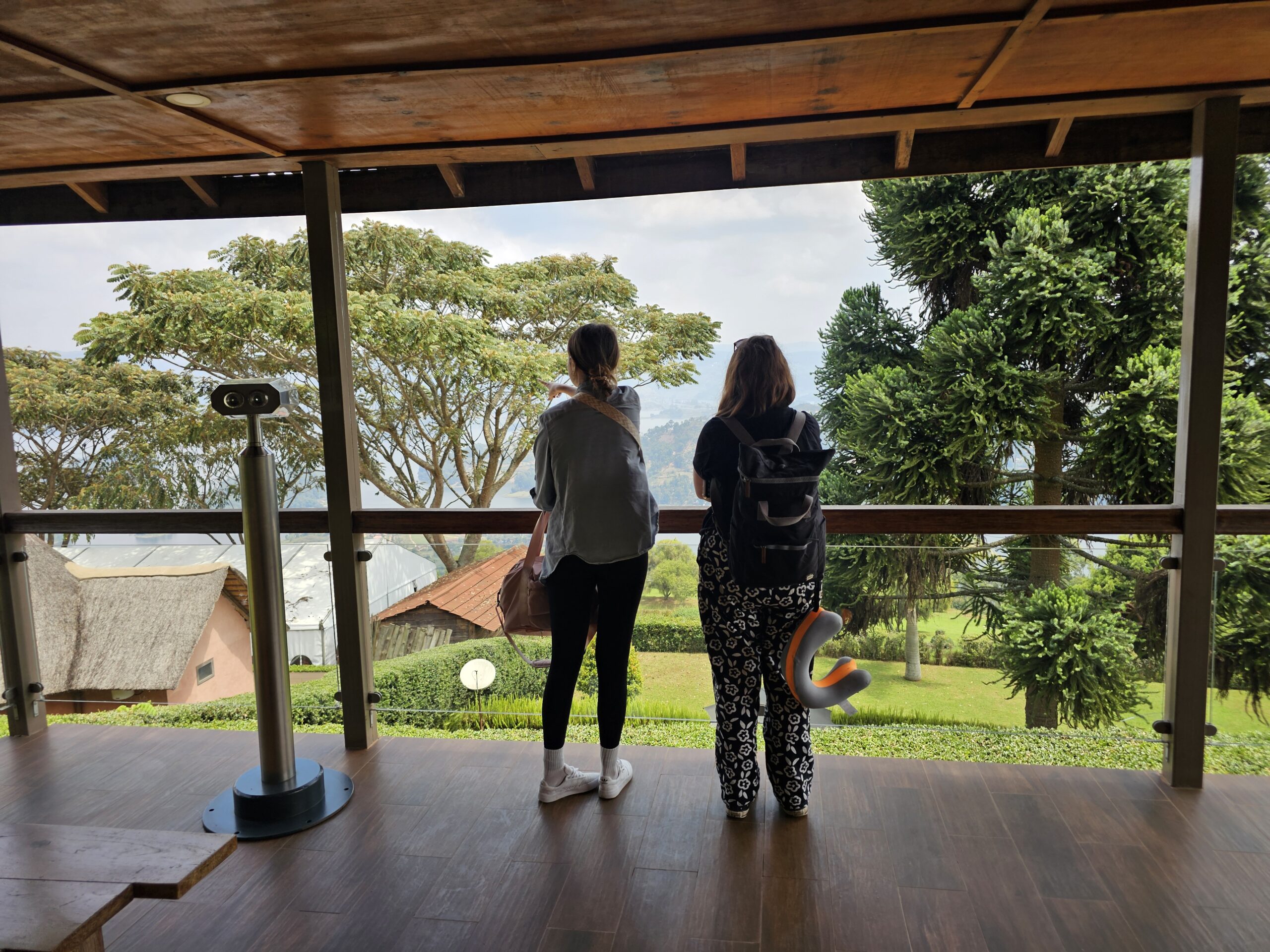
Assessing Risk: Headlines vs. On-the-Ground Reality
When traveling to Conflict-Affected Areas, travelers must distinguish between broad national advisories and local realities. Government travel desks often issue wide-ranging alerts that cover entire countries. However, conflict is frequently localized to specific borders or distant provinces. For example, a border dispute in a northern region rarely impacts a safari park hundreds of miles to the south.
In 2026, we use “Granular Risk Assessment” to plan your trip. This means we look at the specific district, the specific road, and the specific lodge. If a localized protest occurs in a capital city, we simply reroute your transfer to a regional airport. We rely on local networks rather than general news cycles. This proactive approach allows families to enjoy pristine wilderness areas that remain entirely peaceful and secure.
Insurance and Emergency Logistics in 2026
Standard insurance often fails when traveling to Conflict-Affected Areas. In 2026, savvy travelers look for “High-Risk” or “War Zone” add-ons even for stable regions near borders. These policies cover non-medical evacuations and trip interruptions caused by geopolitical shifts. We highly recommend “Cancel For Any Reason” (CFAR) coverage for ultimate flexibility.
Our emergency protocols are exhaustive. Every Jackal Adventures vehicle carries a satellite phone and a GPS SOS beacon. We coordinate with international medical evacuation providers to ensure a “Gold Hour” response time. In the unlikely event of a regional shift, we have pre-arranged “extraction routes” to secondary safe zones or neighboring countries. Having these “Plan B” scenarios in place allows your family to travel with total confidence.
2026 Safety Comparison: Regional Risk Profiles
| Destination Type | Typical Security Level | Best Safety Strategy | 2026 Outlook |
| Established Parks | High / “Status Green” | Stay within park boundaries | Highly Stable |
| Border Regions | Moderate / Monitored | Use armed ranger escorts | Exercise Caution |
| Urban Hubs | Variable | Bypass cities via direct flights | Monitor Events |
| Private Reserves | Maximum Security | Controlled gate access only | Most Secure |
| Coastal Zones | High | Use vetted boat transfers | Stable |
The Role of the Professional Safari Guide
The most important safety asset when traveling to Conflict-Affected Areas is your guide. In 2026, our guides are more than just wildlife experts; they are trained in risk mitigation. They understand local dialects and can “read” the atmosphere of a village or a checkpoint instantly. Their intuition often prevents issues before they ever arise.
Discretion is a key part of our security protocol. We use unmarked, high-spec safari vehicles that blend into the local environment. We avoid large convoys and public gathering spots during transit. Your guide manages all interactions with local authorities, ensuring smooth passage through every region. This “Low Profile” approach is a proven method for maintaining safety in sensitive areas.
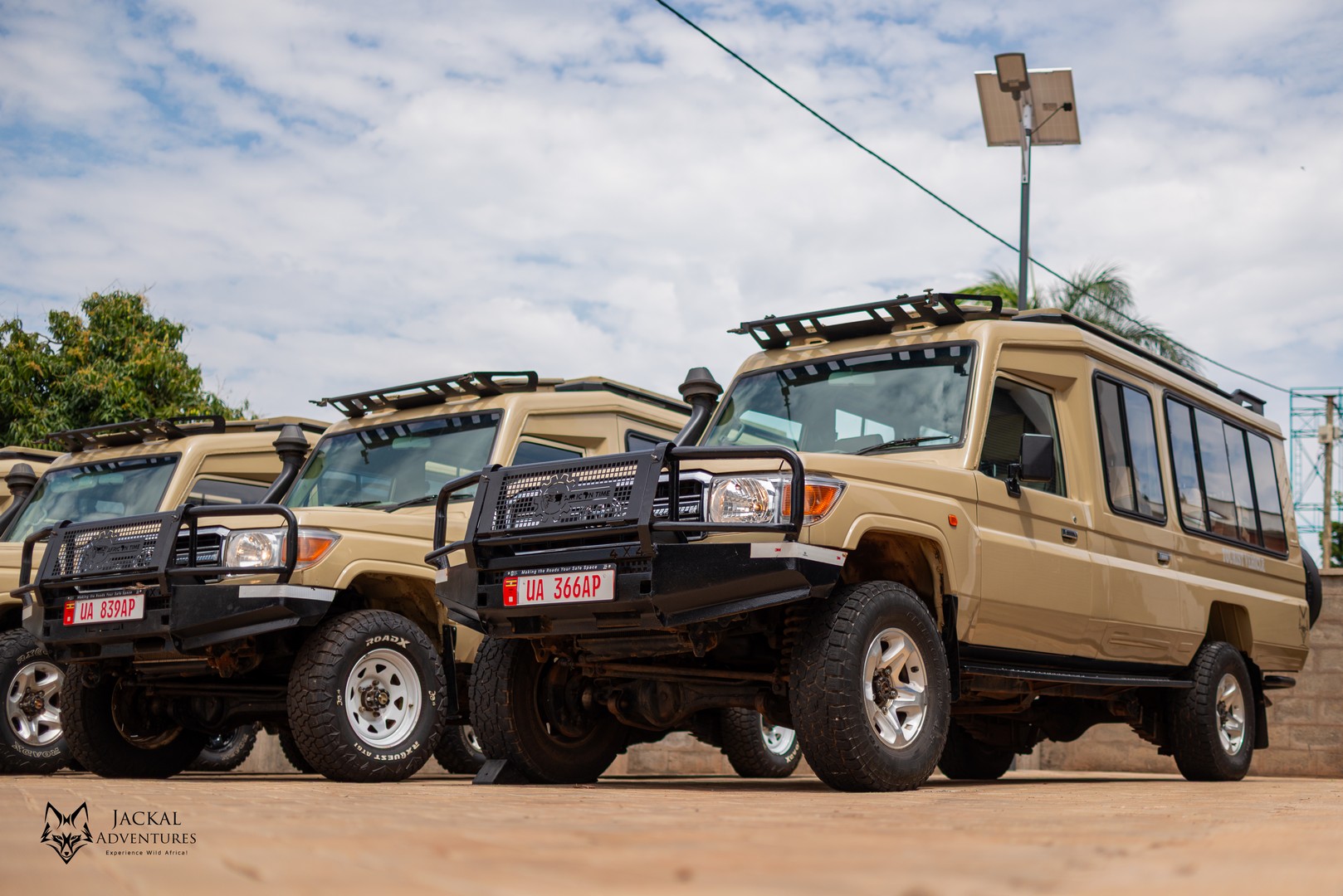
Traveling to Conflict-Affected Areas
Exceptional Insights for 2026 Risk Management
Successful travel in 2026 depends on “Information Symmetry.” This means you must have access to the same data as the professionals. We provide our guests with access to a private security app. This app gives you real-time status updates on your specific route. Knowing that your path is “Clear” in real-time reduces anxiety and builds trust.
Cultural sensitivity also acts as a form of “Social Security.” When traveling to Conflict-Affected Areas, showing respect for local customs can de-escalate potential tensions. We brief our guests on appropriate dress and photography etiquette before every outing. A traveler who is seen as a respectful guest is always safer than one seen as an intrusive outsider.
Finally, remember that tourism is a vital economic engine for these regions. Governments have a massive incentive to protect international visitors. In 2026, the security of the tourism sector is often higher than that of the general population. When you travel with an established operator, you are entering a “protected bubble” designed specifically for your well-being.
What to Pack for a Secure Safari
-
Digital copies of all IDs are stored in an encrypted cloud
-
Spare “dummy” wallet with small cash amounts
-
Portable solar charger for emergency device power
-
Detailed physical maps of the safari regions
-
Personal medical kit with broad-spectrum antibiotics
-
Neutral-colored, non-military style clothing
-
Durable, waterproof document bag
-
High-quality binoculars for long-range observation
Safari Inclusions and Exclusions
Inclusions
-
Senior lead guide with risk-mitigation training
-
Private 4×4 vehicle
- Armed ranger escorts for all forest treks
-
Full-board accommodation in vetted luxury lodges
-
24/7 real-time security monitoring and alerts
-
All park entrance and conservation fees
-
Private airport “Meet and Greet” services
Exclusions
-
International airfare and departure taxes
-
Mandatory “High-Risk” travel insurance premiums
-
Personal entry visa fees ($50 – $100 USD)
-
Gratuities for security personnel and guides
-
Alcoholic beverages and laundry services
-
Personal souvenirs and luxury purchases
-
Off-itinerary urban explorations
-
Late-night city transfers (post-6:00 PM)
Conclusion
The complexities of traveling to Conflict-Affected Areas require a partner you can trust. At Jackal Adventures, we believe that safety is the foundation of every great memory. We don’t avoid the world; we navigate it with precision and care. Our local roots and professional training allow us to provide a level of security that is unmatched in East Africa.
We treat your family’s safety as our own. Our 2026 protocols represent the cutting edge of travel security, combining human intuition with modern technology. We handle the “hard” logistics of risk assessment so you can focus on the “soft” moments of a sunset over the savannah. Trust us to be your eyes and ears in the wild.
Ready to explore the edges of the map with total peace of mind? Contact Jackal Adventures today for a confidential safety briefing and a personalized itinerary. We are ready to lead you through the “Pearl of Africa” with the care and expertise you deserve. Experience the extraordinary while we manage the risks.
