

Why Birding is 2026’s Fastest-Growing Safari Niche
For decades, the “Big Five” dominated the African safari landscape. Travelers flocked to the savannahs of East Africa to catch a glimpse of lions, leopards, and elephants. However, 2026 marks a significant shift in traveler behavior. A new generation of explorers seeks depth over drama, focusing on rare, prehistoric, and elusive species that tell a story of evolution. At the center of this movement is a bizarre and captivating bird that looks like a relic from the Cretaceous period: the Shoebill Stork. As enthusiasts look for deeper connections with nature, the 2026 shoebill birding trend has officially become the fastest-growing niche in the East African tourism industry.
But why is birding suddenly stealing the spotlight from traditional game drives? The answer lies in the quest for “Quiet Luxury” and “Slow Travel.” Tracking a Shoebill requires patience, silence, and immersion into the region’s most pristine wetlands. It offers a meditative pace that a high-speed chase after a predator simply cannot provide. Here is everything you need to know about why this prehistoric bird defines the modern safari.
2026 shoebill birding trend
The Prehistoric Appeal: Meeting the “King Whalehead”
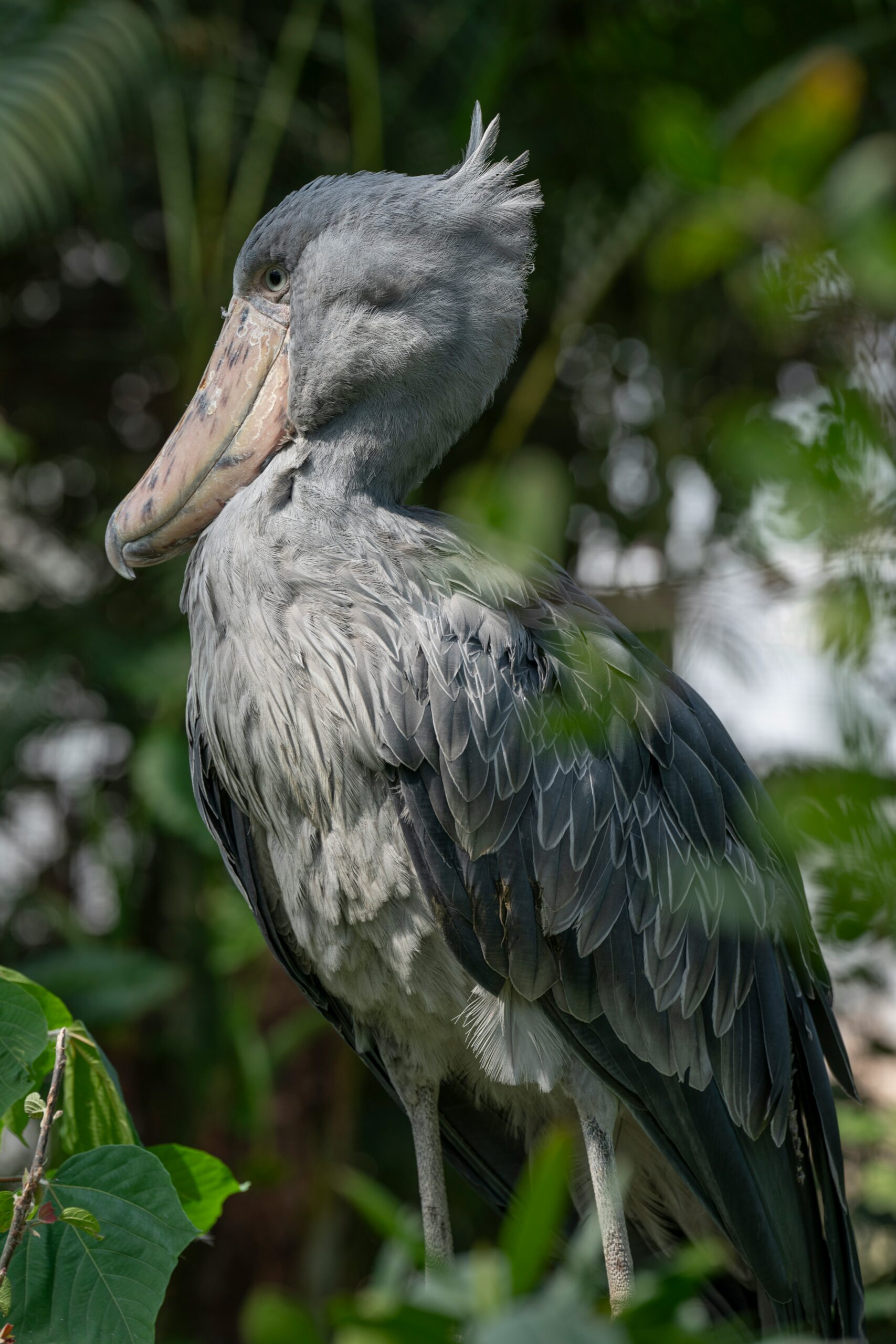
The Shoebill (Balaeniceps rex) is not your average bird. Standing nearly five feet tall with a wingspan of eight feet, it commands a presence that feels almost supernatural. Its most striking feature, a massive, bulbous beak shaped like a wooden clog, gives it a prehistoric look that earns it the nickname “King Whalehead.”
In 2026, travelers are increasingly fascinated by “living fossils,” and the Shoebill is the ultimate example. It moves with a calculated, statue-like stillness, often standing motionless for hours as it stalks lungfish in the papyrus swamps. When it finally strikes, it does so with terrifying speed and power. This “freeze and seize” hunting tactic makes for incredible photography. For those following the 2026 shoebill birding trend, the goal is often to capture that split-second explosion of movement against the serene backdrop of a tropical wetland.
Why Birding is Trending in 2026
Birding was once considered a niche hobby for specialists. Today, it has been rebranded as an elite, meditative wildlife experience. Several factors contribute to its rapid growth this year:
-
Exclusivity and Peace: While popular national parks can feel crowded, East African wetlands like Mabamba or the shores of Lake Victoria remain tranquil. Birding tours usually involve small groups in traditional canoes, ensuring a private experience.
-
High-Definition Photography: Modern camera technology allows amateur photographers to capture professional-grade shots. The Shoebill’s tendency to stand perfectly still makes it the perfect subject for a high-detail portrait.
-
Environmental Mindfulness: Travelers in 2026 prioritize conservation. Birding inherently supports the protection of fragile wetland ecosystems, which are critical for the planet’s health.
-
The “Lifer” Culture: The rise of digital birding apps has turned wildlife viewing into a global game of “collecting” rare species. Ticking a Shoebill off a “life list” provides a sense of achievement that few other safari sightings can match. Because of this, the 2026 shoebill birding trend continues to gain momentum among younger, tech-savvy travelers.
Top East African Shoebill Destinations
To experience the best of this niche, head to the freshwater swamps of the East African Rift. These locations offer the most reliable sightings on the continent:
1. Mabamba Bay Wetland, Uganda
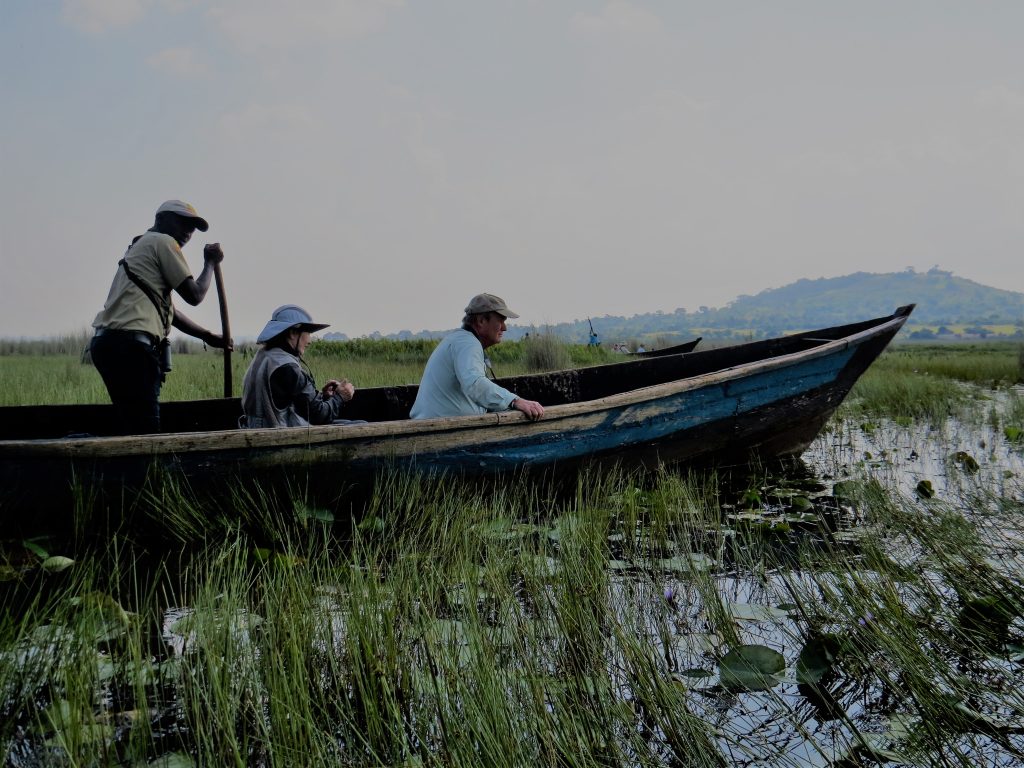
Located near Entebbe, Mabamba is the “Shoebill Capital of the World.” This Ramsar-listed wetland boasts a nearly 90% success rate for sightings. You navigate narrow papyrus channels in a motorized wooden canoe at dawn. Local experts track these birds daily to ensure you find them. The best time to visit is between 7:00 AM and 10:00 AM when the birds are most active.
2026 shoebill birding trend
2. Murchison Falls (Nile Delta), Uganda
Murchison Falls easily combines a “Big Five” safari with elite birding. Take a boat cruise to the Nile Delta, where the river enters Lake Albert. This is one of the few places to photograph a Shoebill and a pride of lions on the same day. The delta boat trip takes roughly four to five hours and offers incredible views of the Albert Nile.
3. Akagera National Park, Rwanda
Rwanda offers much more than just mountain gorillas. In the east, Akagera’s vast swamp networks provide a rare sanctuary for the Shoebill. Tracking here involves boat trips on Lake Ihema among hippos and crocodiles. Akagera is the best choice for travelers wanting a diverse, water-based safari experience in a highly secure environment.
4. Ziwa Rhino Sanctuary, Uganda
Ziwa Rhino Sanctuary offers a unique “double” adventure. You can track Southern White Rhinos on foot before taking a canoe to find the Shoebill. This location provides a quiet, intimate atmosphere perfect for dedicated photographers. Since this is a private sanctuary, vehicle and boat traffic remain very low.
What to Expect on a Shoebill Safari
A Shoebill excursion is a lesson on patience and observation. Most tours begin at sunrise when the light is soft, and the birds are most active. You will likely sit in a narrow canoe, gliding silently through water lilies and tall reeds.
Expect long periods of silence. Your guide will use their ears as much as their eyes, listening for the distinctive “bill-clapping” sound that Shoebills use to communicate. When you finally spot one, the boat will slow to a crawl to avoid disturbing the bird. Because they are solitary and territorial, you will usually see one bird at a time, standing like a guardian of the swamp. This level of focus and stillness is what makes the 2026 shoebill birding trend so restorative for the mind.
Best Time to Visit for Shoebill Tracking
Timing is everything when navigating East African wetlands. While Shoebills are resident year-round, your experience depends heavily on water levels and seasonal weather patterns.
-
The Dry Seasons (June to August & December to February): This is the gold standard for tracking. Lower water levels concentrate lungfish in smaller pools, drawing Shoebills into the open. Navigation is easier, and you are less likely to get caught in a tropical downpour.
-
The Emerald Season (March to May & October to November): While the rains make trails muddier, the landscape is incredibly vibrant. The lighting during this period is a photographer’s dream. However, high water levels allow Shoebills to retreat deeper into inaccessible papyrus, making them harder to spot.
-
The Dawn Window: Regardless of the month, dawn is the essential time for sightings. Shoebills are most active in the early morning before the heat of the day causes them to seek shade or soar on thermals.
Logistics and Preparation
-
Permit Availability: Unlike gorilla trekking, shoebill tracking does not currently require a complex permit system, but boat availability is limited. Book at least 4 weeks in advance to secure a private expert guide.
-
Travel Comfort: Expect to spend 3 to 5 hours on the water. We recommend bringing high-quality sun protection and waterproof bags for your camera gear.
Join the Niche with Jackal Adventures
The rise of birding as a premier safari niche reflects a broader change in how we view the natural world. We no longer want to see animals; we want to understand them and protect their homes. The Shoebill Stork, with its ancient lineage and enigmatic presence, serves as the perfect ambassador for this new era of travel.
At Jackal Wild Adventure, we have been at the forefront of this niche since its inception. We don’t just take you to a swamp; we curate an educational and emotional journey into the heart of the East African wild. Our specialized birding guides are among the best in the region, ensuring your adventure is both successful and ethical. Whether you are a seasoned birder or a curious traveler looking for something different, we invite you to join us in the papyrus. Discover why the quietest corners of East Africa are making the loudest noise this year.
