

Ultimate Serengeti River Crossing Guide
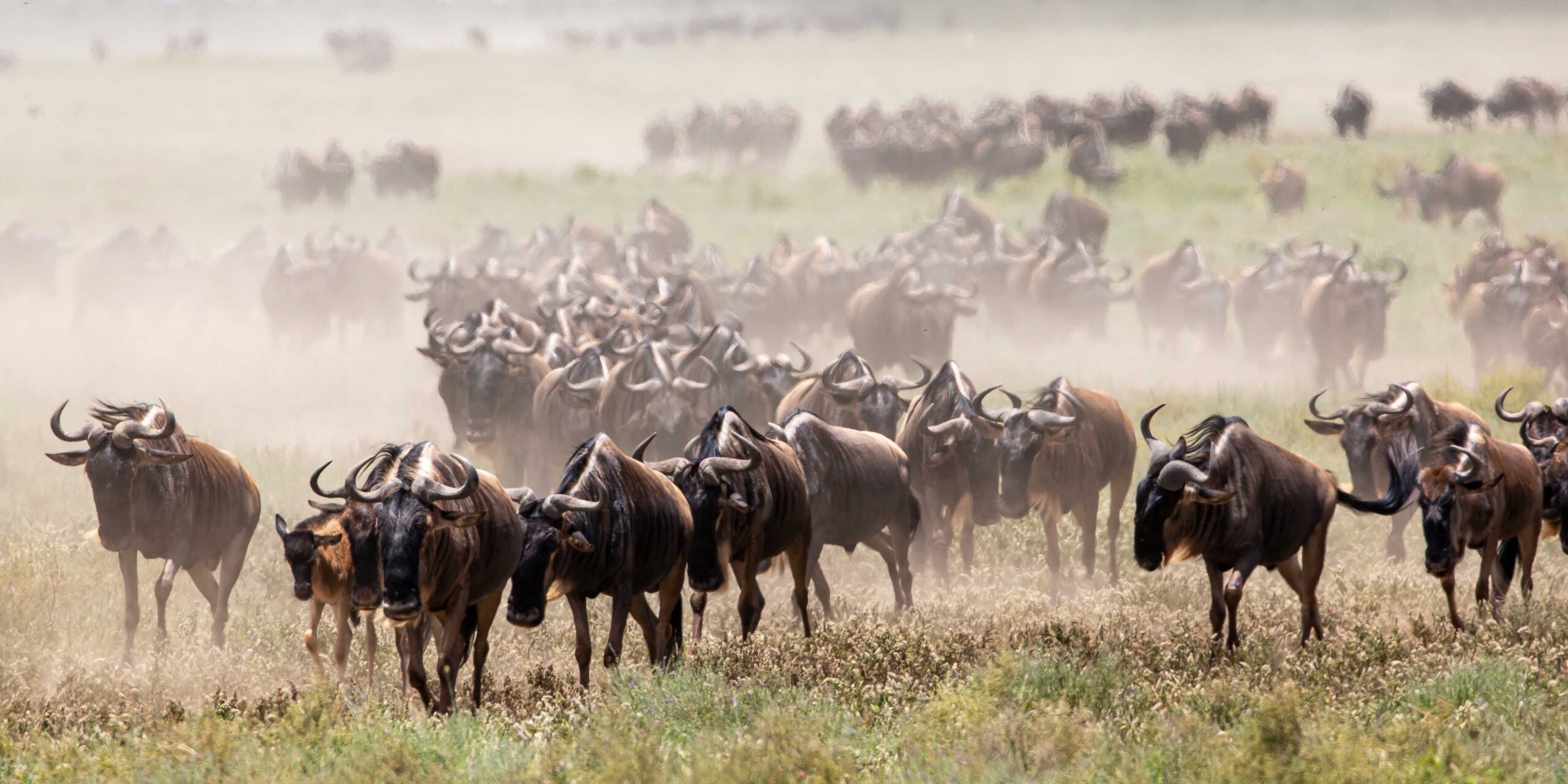
The Great Migration remains the most powerful wildlife spectacle on the planet, but early indicators suggest the 2026 cycle will surpass all previous years in sheer intensity. As over 1.5 million wildebeest, 300,000 zebras, and a massive supporting cast of gazelles prepare for their annual clockwise trek, travelers are already securing front-row seats for this “World Cup of Wildlife.” This year, a unique combination of shifting rainfall patterns and a surge in predator populations makes the 2026 Great Migration a once-in-a-lifetime priority.
2026 Great Migration
The Science Behind the Drama: Why 2026 is Different
Rainfall is the heartbeat of the Serengeti-Mara ecosystem. Experts predict a classic but intense weather cycle for 2026, meaning the “Long Rains” in April and May will likely create exceptionally lush southern plains. When these plains begin to dry in June, the massive pressure of the 2026 Great Migration herds will trigger an explosive northward movement toward the permanent water sources of the Mara River.
Unlike previous years, where herds might stagger their arrival, the 2026 forecast suggests “Mega-Herds” will consolidate earlier. Consequently, travelers should expect more concentrated, higher-volume river crossings. When thousands of animals gather on the banks, the tension becomes a tangible energy that pulses through the air.
The 2026 Migration Calendar: Where to Be and When
To witness the 2026 Great Migration successfully, timing is everything. While the herds stay in constant motion, specific months offer the iconic scenes travelers crave. Use this month-by-month breakdown to plan your ultimate safari.
January – March: The Calving Season (Ndutu, Southern Serengeti)
In the southern plains, the cycle begins with a massive burst of life. Over 8,000 wildebeest calves arrive daily during this window. This abundance of vulnerable prey triggers incredible predator action. Lions, cheetahs, and hyenas remain exceptionally active here. Consequently, travelers enjoy raw, unfiltered sightings of the circle of life against a backdrop of lush green grass.
April – June: The Great Trek North (Central & Western Serengeti)
As the calves gain strength, the columns of wildebeest stretch for miles across the horizon. The herds eventually face their first major obstacle at the Grumeti River. Although less famous than the Mara, the Grumeti crossings in 2026 offer an intimate, less crowded experience. Photographers especially appreciate this period for its dramatic lighting and clear, wide-angle shots of the advancing columns.
July – September: The Mara River Crossings (Northern Serengeti & Masai Mara)
This remains the “Gold Standard” of safari experiences. Huge herds congregate on the steep, dusty banks of the Mara River. They often hesitate for hours until a single “brave” individual finally leaps. This act triggers a frantic, chaotic rush into crocodile-infested waters. For 2026, experts predict the peak of this life-and-death drama will occur between August 10th and September 20th.
October – December: The Return South (Masai Mara to Serengeti)
The arrival of short rains in the south lures the massive herds back toward Tanzania. October 2026 stands out as a hidden gem for savvy travelers. The grass stays short during this month, which keeps visibility at its absolute peak for spotting leopards and cheetahs. Furthermore, the growing “anti-tourism” trend means you will encounter fewer vehicles on the plains.
By November, the migration reaches the central Serengeti. This period offers a unique “Dual-Scene” opportunity. You can witness the tail-end of the southward movement while enjoying the vibrant, fresh landscapes of the blooming savannah. It provides the perfect balance of high-action wildlife viewing and serene, wide-open spaces before the cycle begins again in Ndutu.
Expert Tips for 2026
Many travelers ask if the migration is guaranteed. While the animals move 365 days a year, the river crossings are unpredictable. Therefore, we recommend a minimum stay of four nights in the northern region to maximize your statistical chances of seeing a major crossing.
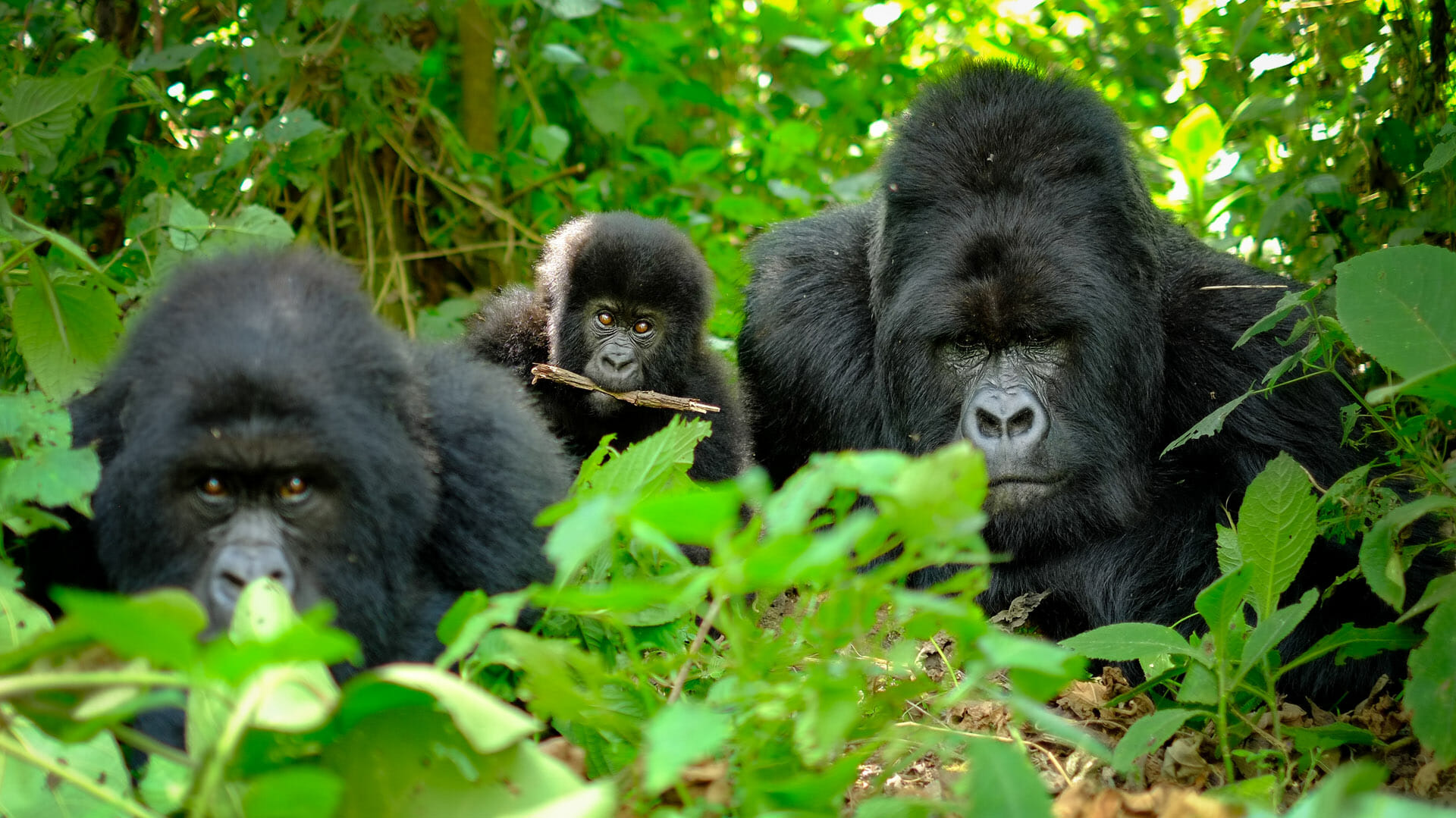
Furthermore, the “Kigali-Uganda-Serengeti” circuit is emerging as the premier 2026 route. Smart travelers are landing in Rwanda, trekking with gorillas, and then flying directly into the Serengeti’s Kogatende or Masai Mara’s Serena airstrips. This strategy bypasses long road transfers and places you directly in the heart of the 2026 Great Migration action.
2026 Great Migration
Conservation and the Ethical Safari
In 2026, park authorities implemented stricter “Respect Zones” to protect the migrating herds. Vehicles must maintain a 50-meter distance from key gathering points. This regulation prevents drivers from spooking the animals during sensitive river crossings. By choosing a responsible operator, you ensure your presence supports the ecosystem rather than disrupting it.
Furthermore, these ethical guidelines actually enhance your viewing experience. When animals feel calm, they display more natural behaviors, allowing for better photography and deeper observation. Travelers now play a direct role in conservation by adhering to these boundaries. Your commitment to low-impact tourism helps preserve the Great Migration for future generations while supporting local ranger teams who monitor the herds daily.
Conclusion
The 2026 Great Migration is not merely a vacation; it is a profound encounter with the rawest forces of nature. From the thundering hooves in the Serengeti to the silent tension of a riverbank at dawn, this journey changes how you see the world. At Jackal Wild Adventure, we specialize in these high-stakes moments. Our expert guides use real-time herd tracking to ensure you are always in the right place at the right time. Whether you seek the luxury of a riverside lodge or the rugged authenticity of a mobile camp, we craft the perfect expedition to match the drama of the wild.
