

Africa’s Best Birding Value: Why Uganda is the Superior Choice
February 18, 2026
The Plastic-Free Safari: A Guide to Luxury Travel with Zero Waste
February 19, 2026
Tracking Chimpanzees in the Mahale Mountains
Tracking chimpanzees in the Mahale Mountains remains one of the most exclusive and profound wildlife encounters on the planet as we move into 2026. While most travelers flock to the Serengeti for the Great Migration, those in search of “Tanzania’s secret primates” head west. Nestled on the sun-drenched shores of Lake Tanganyika, Mahale Mountains National Park offers a primal connection to our closest living relatives. Here, the absence of roads and the sheer verticality of the landscape create a sanctuary where time feels suspended. For the adventurous soul, this is not just a safari; it is an expedition into the heart of an untouched Eden.
The Geography of Isolation
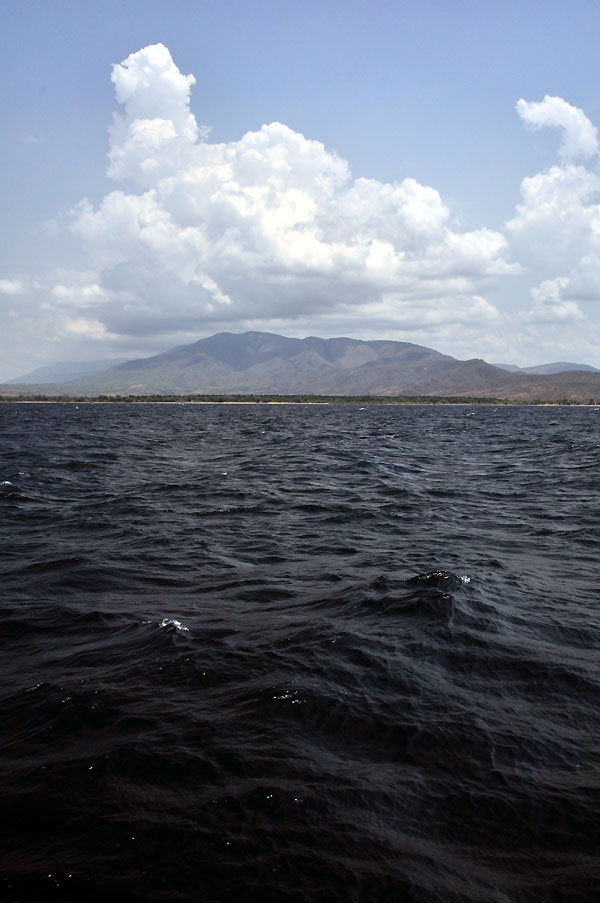
Why is tracking chimpanzees in the Mahale Mountains considered so “secret”? The park’s geography acts as a natural fortress. Reaching Mahale requires a commitment that deters mass tourism. Most visitors arrive via a light aircraft that skims over the mountain peaks before landing on a remote lakeside airstrip. From there, a traditional wooden dhow whisks you across the crystal-clear, turquoise waters of Lake Tanganyika.
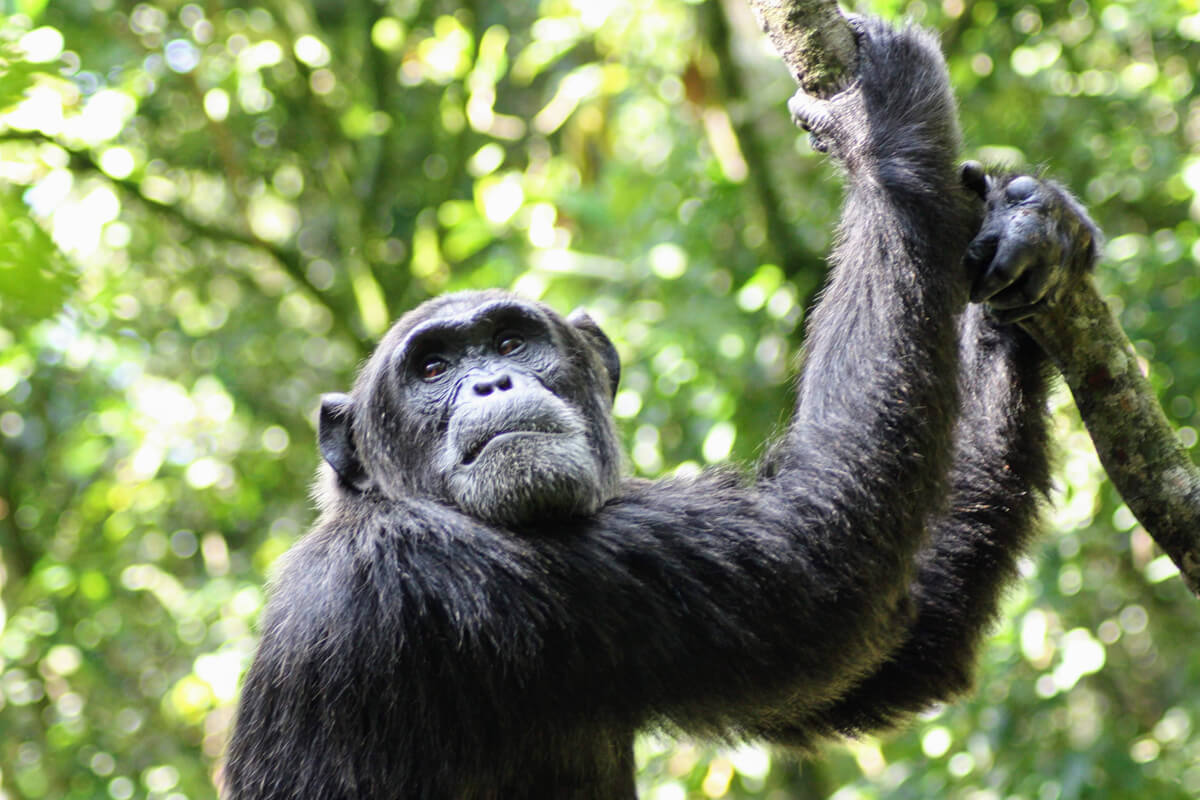
The mountains themselves rise dramatically from the white sandy beaches to nearly 2,500 meters. This vertical world hosts a mosaic of ecosystems, from lowland rainforests and alpine bamboo to montane grasslands. This diversity supports approximately 1,000 eastern chimpanzees, including the world-famous “M-Group” (Mimikire community), which researchers have studied since the 1960s.
The Trekking Experience: What to Expect in 2026
Unlike the flat savannahs of the east, tracking chimpanzees in the Mahale Mountains is a physical endeavor. You don’t sit in a 4×4 vehicle; you enter the forest on foot. The experience follows strict conservation protocols to ensure the safety of both primates and humans.
-
Small Groups: To minimize stress on the chimps, groups consist of no more than six visitors.
-
The Search: Expert trackers head out at dawn to locate the “M-Group.” You follow behind, navigating steep trails, tangles of vines, and clear forest streams.
-
The Encounter: Once you find the community, you spend exactly one hour in their presence. In 2026, visitors must wear surgical masks to prevent the transmission of human respiratory illnesses.
-
The Interaction: Because the M-Group is highly habituated, they often ignore human presence. You might watch an alpha male asserting his dominance, mothers grooming their infants, or juveniles wrestling in the canopy.
Mahale Mountains vs. Gombe Stream
| Feature | Mahale Mountains | Gombe Stream |
| Accessibility | Remote (Flight + Boat) | Moderate (Boat from Kigoma) |
| Chimp Population | ~1,000 (Largest in TZ) | ~100 |
| Terrain | Steep, high-altitude peaks | Rugged, narrow valleys |
| Atmosphere | Ultra-exclusive, “Private Beach” | Historic, Scientific (Jane Goodall) |
| Activity Level | High (Strenuous hiking) | Moderate (Shorter walks) |
The “Beach and Bush” Paradox
One of the most extraordinary aspects of tracking chimpanzees in the Mahale Mountains is the post-trek recovery. Mahale is perhaps the only place on Earth where you can spend your morning in a humid tropical rainforest and your afternoon on a Mediterranean-style beach.
Lake Tanganyika is the world’s second-deepest freshwater lake and contains 17% of the planet’s surface freshwater. Its waters are so clear that you can see hundreds of colorful cichlid fish swimming below you without a mask. After a strenuous climb through the forest, there is no greater luxury than diving into the cool, “gin-clear” lake or kayaking along the shoreline as the sun sets behind the mountains of the Congo in the distance.
Biodiversity Beyond the Chimpanzees
While the chimps are the stars, the “secret primates” of Mahale include eight other species. During your treks, keep your binoculars ready for:
-
Red Colobus Monkeys: Their striking rust-colored coats stand out against the green canopy.
-
Angola Pied Colobus: These “flying” monkeys with long white capes are a frequent sight.
-
Yellow Baboons: Often found foraging near the forest edges.
-
Red-tailed Monkeys: Recognizable by their bright facial markings and long, copper tails.
The park also hosts leopards, giant forest squirrels, and over 350 bird species, including the iconic African Fish Eagle and the elusive Pel’s Fishing Owl.
Best Time to Track Tanzania’s Secret Primates
For the most successful experience tracking chimpanzees in the Mahale Mountains, timing is everything.
-
The Dry Season (June – October): This is the “Golden Age” for trekking. As the forest dries out, the chimpanzees move down from the higher slopes to the lower levels to forage for fruit. Treks are shorter, and the paths are firmer.
-
The Wet Season (November – May): The forest is at its most vibrant and green, but the chimps often head into the higher, more inaccessible peaks. This season is better suited for birdwatchers and those who enjoy the drama of tropical thunderstorms over the lake.
Essential Packing List for 2026
-
Sturdy, Broken-in Hiking Boots: The terrain is unforgiving on new shoes.
-
Long-sleeved Breathable Clothing: Protect yourself from stinging nettles and insects.
-
Garden Gloves: Helpful for grabbing onto branches and vines during steep climbs.
-
Waterproof Daypack: To protect your camera gear from the humidity and occasional mist.
-
High-Quality Binoculars: Essential for spotting chimps and birds in the high canopy.
Conclusion
At Jackal Adventures, we believe the Mahale Mountains represent the final frontier of African travel. We specialize in connecting the dots for travelers who want to experience the “Primate Grand Slam,” combining the gorillas of Uganda with the secret chimpanzees of Tanzania. We understand the complex logistics of charter flights and lake transfers required for this remote region.
Our 2026 itineraries prioritize the most sustainable and exclusive eco-lodges, such as Greystoke Mahale and Mbali Mbali Mahale Lodge, ensuring your visit directly funds the conservation of the Mahale chimpanzee research projects. When you book with Jackal Adventures, you aren’t just a tourist; you are a patron of one of the world’s most vital wilderness areas. Let us take you beyond the savannah and into the hidden mountains of the West. Your encounter with the “M-Group” is waiting; let’s make it happen.




1 Comment
[…] short answer is a resounding yes. You can see chimpanzees year-round, in Rwanda’s Nyungwe Forest National Park. Unlike some migratory species that vanish […]