

Layering Essentials for Sub-Zero Safari Nights
Imagine gazing at a sky ablaze with stars, the roar of a distant lion echoing across the frosty plains, and feeling utterly comfortable. This dream scenario only becomes a reality when you prepare correctly for those unexpectedly cold sub-zero safari nights. While daytime temperatures in African parks often hover in the pleasant twenties, elevations above 1,500 meters (around 5,000 feet) or winter months (June-August) can bring nighttime temperatures plummeting below freezing. This guide helps you conquer the cold with smart layering, ensuring warmth and enjoyment throughout your adventure.
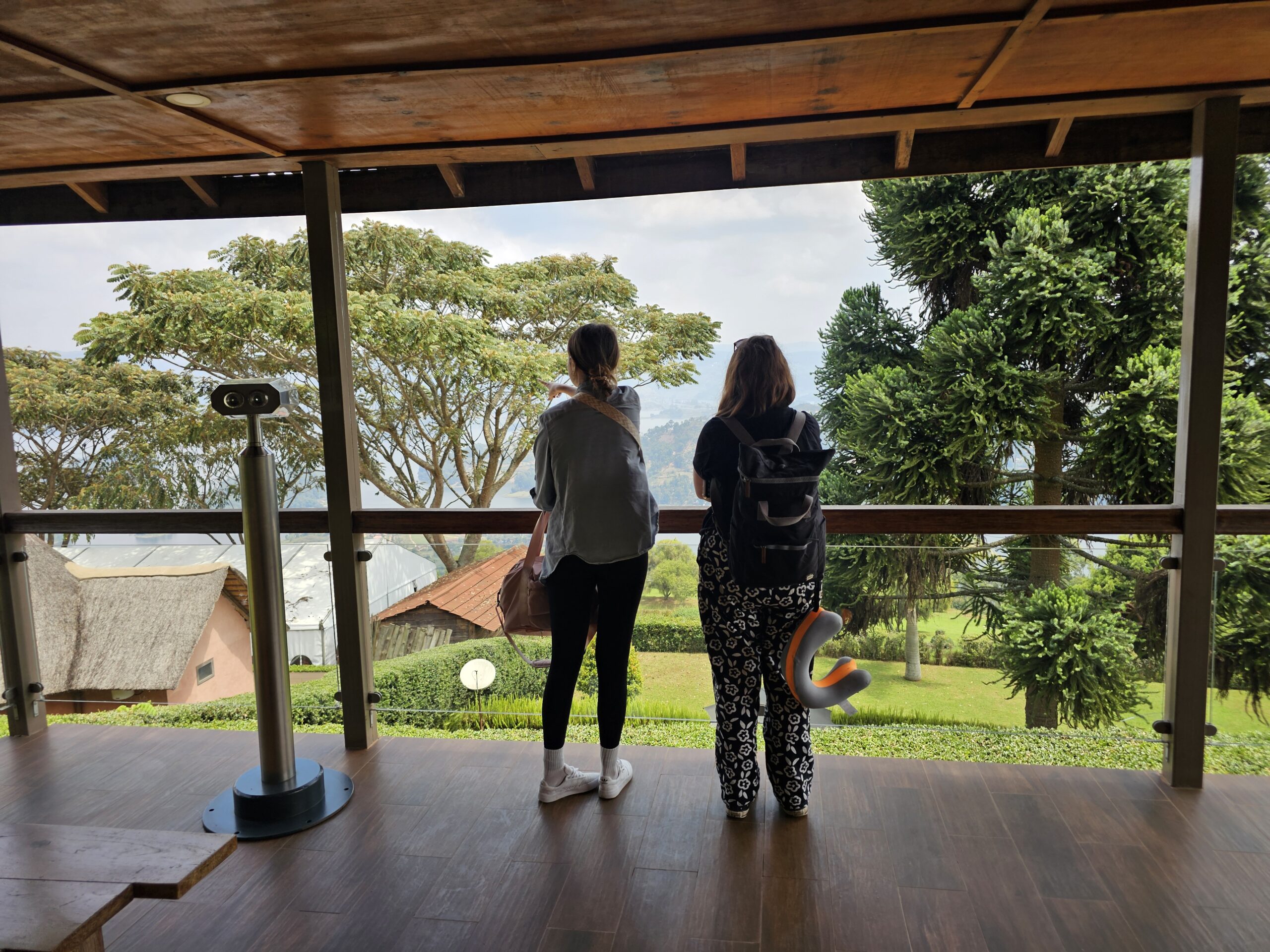
Sub-Zero Safari Nights
The Science of Layering: Your Best Defense Against the Cold
Effective layering remains the cornerstone of cold-weather packing. Instead of relying on one bulky item, you build warmth and flexibility by wearing multiple thinner layers. This strategy traps insulating air between each layer, providing superior warmth. Furthermore, you can add or remove layers as conditions change, regulating your body temperature perfectly.
Here’s how to construct your personal warmth system for those sub-zero safari nights:
1. The Base Layer: Wicking Away Moisture
Your base layer sits directly against your skin. Its primary job is to wick moisture (sweat) away from your body, keeping you dry. Wet skin loses heat much faster than dry skin, making a good base layer crucial.
-
Materials: Opt for merino wool or synthetic fabrics (like polyester). Merino wool excels at warmth, breathability, and odor resistance. Synthetics offer quick-drying properties and durability.
-
Avoid Cotton: It absorbs sweat and dries slowly, leaving you cold and damp.
-
Essentials: Long-sleeved top and long johns (bottoms).
2. The Mid Layer: Trapping Warmth
Your mid-layer provides the bulk of your insulation. It traps air warmed by your body, preventing heat loss.
-
Materials: Fleece (synthetic) or down/synthetic puffy jackets. Fleece is versatile, breathable, and performs well even if slightly damp. Down offers a superior warmth-to-weight ratio but loses insulating power when wet. Synthetic fill jackets provide a good balance.
-
Weight: Consider a mid-weight fleece or a packable down jacket.
-
Essentials: A good quality fleece jacket or vest, or a lightweight down jacket.
3. The Outer Layer: Protecting from Elements
The outer layer acts as your shield against wind, rain, and snow. While unlikely to encounter snow on most safaris, wind chill remains a significant factor on cold sub-zero safari nights.
-
Materials: A waterproof and windproof jacket. Look for options with Gore-Tex or similar breathable, weather-resistant membranes.
-
Features: A hood is highly recommended for extra warmth and protection. Ensure it accommodates other layers comfortably.
-
Essentials: A waterproof, windproof shell jacket.
Beyond the Core: Head, Hands, and Feet
Your extremities lose heat rapidly. Protecting your head, hands, and feet significantly impacts your overall comfort during sub-zero safari nights.
-
Head: A warm wool or fleece beanie (hat) is non-negotiable. You lose a surprising amount of heat through your head. A scarf or neck gaiter also helps keep your neck and face warm during early morning game drives.
-
Hands: Opt for warm gloves, ideally fleece or insulated. Fingerless gloves can be useful for photography, but ensure you have warmer mittens or full gloves for extreme cold.
-
Feet: Thermal socks (merino wool or synthetic) are a must. Bring several pairs. Combine these with comfortable, insulated, and waterproof boots. Avoid canvas shoes as they offer no warmth.
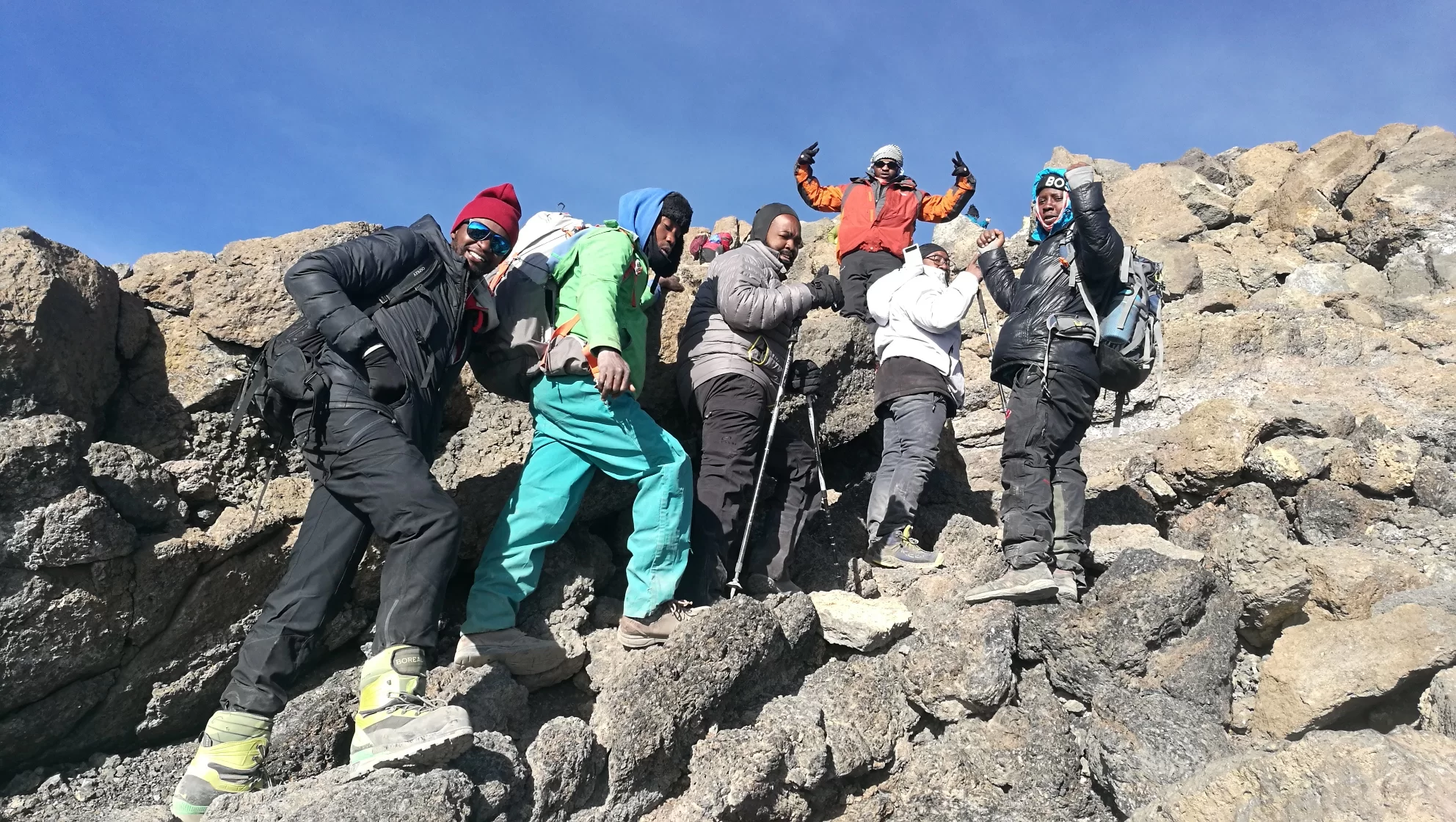
Sub-Zero Safari Nights
Essential Packing List for Sub-Zero Safari Nights
| Category | Item | Material Recommendation | Why It’s Essential |
| Base Layer | Long-sleeved top | Merino wool/Synthetic | Wicks moisture, keeps you dry |
| Long johns | Merino wool/Synthetic | Bottom warmth, vital | |
| Mid Layer | Fleece Jacket/Vest | Polyester Fleece | Primary insulation, breathable |
| Lightweight Puffy Jacket | Down/Synthetic Fill | Excellent warmth-to-weight | |
| Outer Layer | Waterproof/Windproof Shell | Gore-Tex/Similar | Blocks wind, rain, and cold |
| Extremities | Warm Beanie/Hat | Wool/Fleece | Prevents heat loss from the head |
| Neck Gaiter/Scarf | Fleece/Wool | Protects neck and face | |
| Warm Gloves/Mittens | Fleece/Insulated | Keeps hands warm | |
| Thermal Socks (2-3 pairs) | Merino wool/Synthetic | Essential for foot warmth | |
| Insulated, Waterproof Boots | Leather/Synthetic | Keeps feet dry and warm | |
| Extras | Hand Warmers | Chemical packets | Instant warmth on demand |
| Warm Pajamas | Flannel/Fleece | Comfort in camp/lodge | |
| Hot Water Bottle | Rubber | In-bed warmth, highly recommended |
Expert Tips for Ultimate Warmth
-
Layer Up Early: Do not wait until you feel cold. Add layers before the sun fully sets and temperatures drop.
-
Test Your Gear: Wear your layers at home beforehand to ensure they fit comfortably and allow for movement.
-
Protect Your Sleeping Bag: Even if your lodge provides bedding, a good quality sleeping bag (rated to 0°C or below) can add significant warmth, especially in tented camps. Consider a sleeping bag liner for extra insulation.
-
Stay Hydrated & Fueled: Your body generates heat more efficiently when properly hydrated and fueled. Drink water and enjoy those hearty safari meals.
-
Pack Smart: Use compression sacks for bulky items like down jackets to save space in your luggage.
Conclusion
Conquering the cold of sub-zero safari nights becomes an achievable feat with the right planning and essential layering. You now possess the knowledge to pack effectively, ensuring that crisp air and stunning starry skies enhance your safari experience, rather than detract from it. From the chill of the Ngorongoro Crater to the high plains of the Serengeti in winter, you will remain warm, comfortable, and ready for every breathtaking moment.
Jackal Adventures specializes in crafting tailor-made safari experiences, including detailed packing advice specific to your itinerary and season. We ensure you embark on your journey fully prepared for all conditions, leaving you free to immerse yourself in the magic of Africa. Let us guide you in preparing for an adventure where every dawn breaks in warmth and wonder.
