No Engines Allowed: Exploring Lake Mburo via Silent Kayak
February 19, 2026
Gorilla Permit Waitlist Secrets
February 19, 2026
The Best 1 Day Birding Escape from Kampala
Kampala is a vibrant, bustling city, but sometimes the noise of urban life calls for a natural antidote. Just an hour’s drive to the east lies a sanctuary of ancient trees and shimmering sunbirds. For those with limited time, a Mabira Forest excursion offers the most accessible and rewarding wilderness experience near the capital. This lush rainforest spans over 300 square kilometers, providing a critical habitat for a staggering array of avian life. Whether you are a seasoned twitcher or a casual nature lover, the forest canopy promises a symphony of sounds and colors.
Escaping the city early in the morning is essential to beat the traffic and catch the birds at their most active. As you leave the paved highways behind and enter the cooling shade of the forest, the temperature drops and the air turns sweet. Mabira Forest acts as a vital green lung for the region, housing species that struggle to survive in more fragmented landscapes. Walking beneath the towering Mahoganies, you feel a world away from the taxis and markets of Kampala. It is here that the magic of African birding truly comes alive.
Why Mabira is a Birding Hotspot
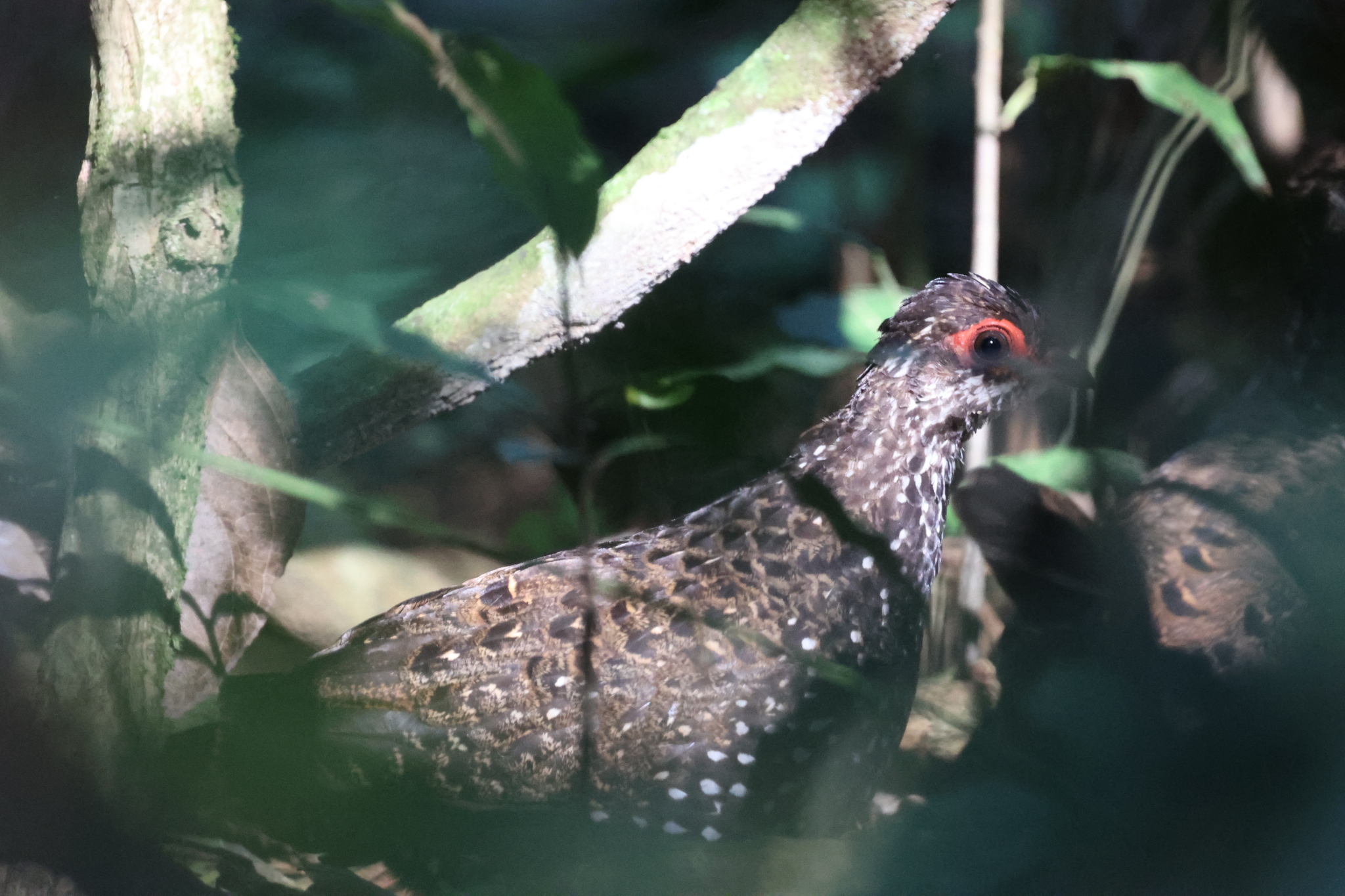
The forest is home to over 300 bird species, including several West African forest specialists that reach their eastern limit here. Because the forest features a mix of primary growth and secondary thickets, it supports a high diversity of niches. From the forest floor to the high canopy, every layer of the ecosystem hosts different specialists. A trip to Mabira Forest allows you to see rare species like the Nahan’s Partridge or the stunning Great Blue Turaco within a single afternoon.
Guided walks are the best way to navigate the dense trail system. Local guides possess an uncanny ability to identify birds by their calls alone. They lead you through the tangled vines to find the “hot” trees where fruiting activity attracts hundreds of birds. You might spend an hour at a single Fig tree, watching a rotating cast of hornbills, barbets, and greenbuls. The proximity of the forest to the main Jinja road makes it the most efficient birding stop for travelers on a tight schedule.
Mabira Forest
Essential Sightings at Mabira
To make the most of your day, you should focus on the forest’s “specialties.” The following table highlights some of the most sought-after birds you might encounter during your trek.
| Bird Name | Habitat Layer | Difficulty in Spotting | Unique Feature |
| Nahan’s Partridge | Forest Floor | High | Endangered; ground-dwelling |
| Great Blue Turaco | Canopy | Low | Massive size and vibrant blue/yellow |
| Black-casqued Hornbill | Canopy | Moderate | Incredible “casque” on the beak |
| African Dwarf Kingfisher | Near Streams | Moderate | Tiny, orange-and-blue jewel |
| Forest Wood-hoopoe | Mid-level | Moderate | Distinctive curved bill and social behavior |
| Purple-throated Cuckoo-shrike | Canopy | High | Striking contrast of purple and black |
The Rhythm of a Day Escape
Your birding adventure typically begins at the Eco-Tourism Center. From here, several well-maintained trails branch out into the heart of the woods. The morning hours belong to the sunbirds and weavers. You will likely see the Superb Sunbird darting between blossoms, its iridescent feathers catching the dappled light. Additionally, the forest is famous for its “mixed-species foraging flocks.” In these groups, dozens of different species travel together to flush out insects, creating a whirlwind of activity that tests your identification skills.
By midday, when the sun is highest, many birds retreat to the deeper shade. However, this is a perfect time to look for raptors circling above the clearings. You might spot a Crowned Eagle, the most powerful forest eagle in Africa, soaring over the canopy in search of monkeys. A picnic lunch at a forest clearing provides a moment of reflection. You listen to the hum of cicadas and the distant “whoop” of Red-tailed Monkeys, realizing that Mabira Forest offers a level of serenity that feels impossible to find so close to a major city.
Photography and Gear Tips
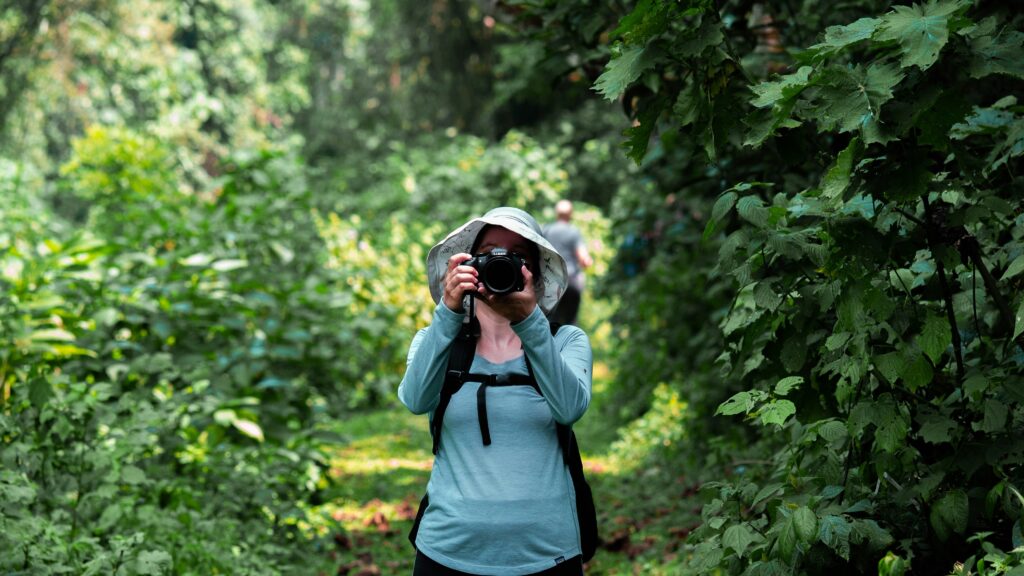
Photographing in a rainforest presents unique challenges. The light is often low, and the birds stay high in the branches. Therefore, bring a fast lens and a pair of high-quality binoculars with a wide field of view. Our guides at Jackal Adventures help you find the best angles and wait patiently for that perfect shot. Furthermore, wear neutral-colored clothing. Bright colors can startle the more reclusive species, causing them to fly off before you can even raise your camera.
Beyond the birds, keep your eyes open for the unique flora. The forest contains trees that are hundreds of years old, draped with rare orchids and ferns. The butterflies here are equally impressive, with giant swallowtails fluttering through the undergrowth like pieces of stained glass. This multi-layered beauty ensures that even if a rare bird remains elusive, the journey through the forest remains a visual feast.
Sustainable Tourism in the Forest
Visiting this site contributes directly to its conservation. Mabira has faced numerous threats from industrial encroachment and illegal logging over the decades. However, eco-tourism provides a financial incentive for the government and local communities to protect this precious resource. When you book a day trip, you support the rangers who patrol the woods and the guides who call this forest home. Your presence proves that a living forest is worth far more than the timber it contains.
Jackal Adventures prides itself on ethical wildlife viewing. We ensure our groups are small to minimize noise and impact. We follow the “Leave No Trace” philosophy, taking out everything we bring in. By choosing a responsible operator, you help ensure that the forest remains a sanctuary for the birds and a retreat for humans for centuries to come.
The Return to Kampala
As evening approaches, the forest enters its final burst of activity. The nocturnal birds, such as the African Wood Owl, begin to stir. You walk back toward the park entrance, your memory card full of photos and your lungs full of fresh air. The drive back to Kampala feels shorter, perhaps because your mind is still wandering among the treetops. You return to the city energized, carrying the peace of the forest with you.
Conclusion
At Jackal Adventures, we specialize in transforming a simple day trip into a profound connection with nature. We eliminate the stress of logistics so you can focus entirely on the canopy. Our expert guides reveal the hidden secrets of the forest that most travelers miss. We provide the transport, the knowledge, and the passion required for a world-class birding escape. Choose Jackal Adventures to rediscover the wild heart of Uganda just outside the city gates. Book your Mabira escape today and let the forest speak to you.