

Smoother Tracks to the Giants
For years, the journey to the northern sector of Bwindi Impenetrable National Park, Buhoma, was as famous for its African massage as it was for its mountain gorillas. The final stretch through the Kanungu district was a legendary test of suspension and spirit, often turning a day of travel into a grueling ten-hour marathon. Travelers would arrive at their lodges covered in the fine red dust of the Albertine Rift, exhausted before their adventure even began.
But as we settle into 2026, the landscape for road-based safaris has fundamentally shifted. Thanks to the completion of major infrastructure projects by the Uganda National Roads Authority (UNRA), specifically the Rukungiri-Kihihi-Kanungu tarmac project, the drive to Buhoma is no longer a hurdle to be cleared, but a seamless part of the adventure. At Jackal Adventures, we are seeing a resurgence in guests choosing the road over the sky, specifically because the Kanungu Corridor is now one of the most efficient tourism routes in the country.
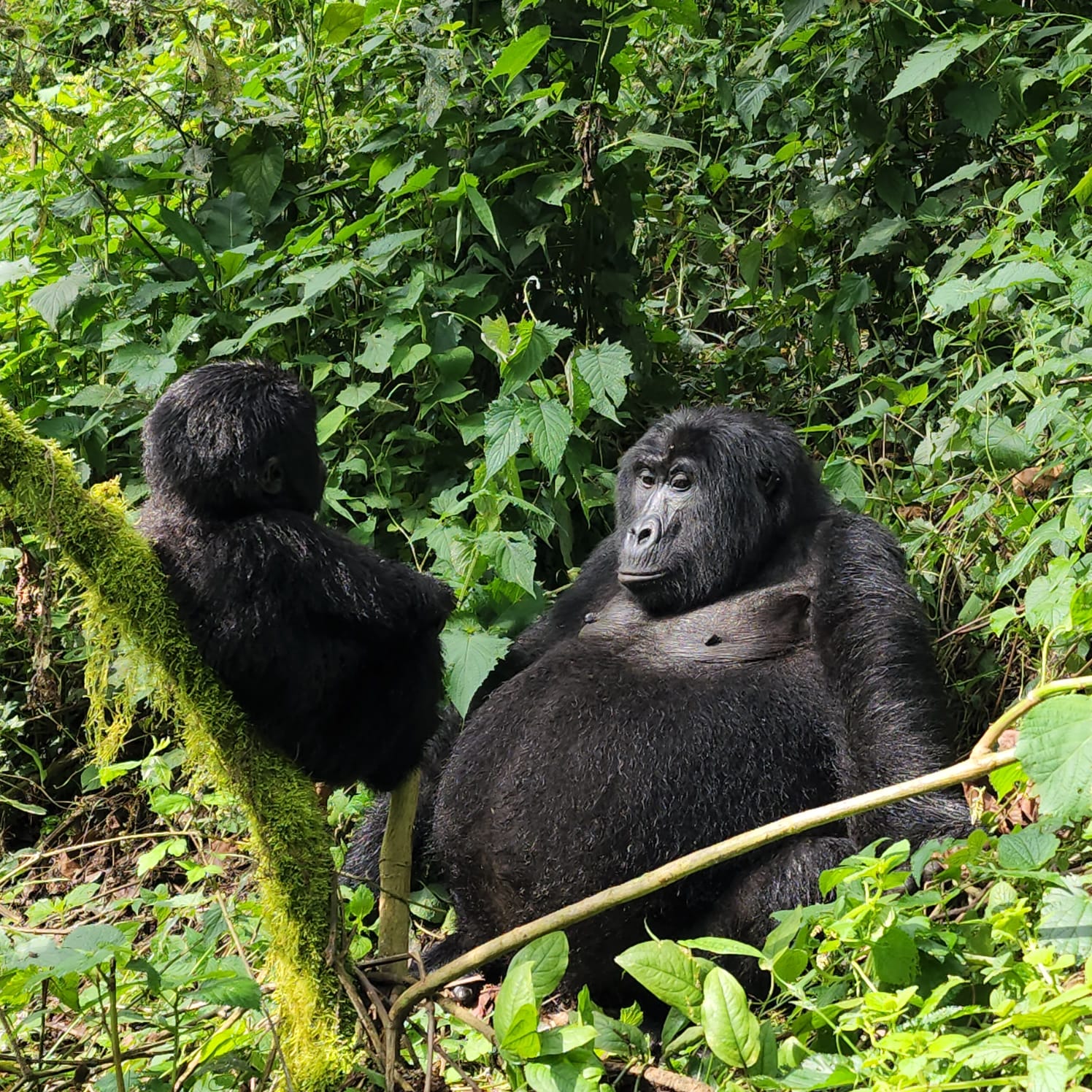
How 2026 Road Updates Have Transformed the Buhoma Drive
The Game-Changer
The centerpiece of this transformation is the 78.5-kilometer Rukungiri-Kihihi-Ishasha/Kanungu road. In previous years, this was a dusty, often slippery murram track that could take three to four hours to navigate, especially during the rainy season when the clay-rich soil turned into a treacherous slide.
In 2026, this project will be fully commissioned and operational. What used to be a three-hour struggle between Rukungiri and Kanungu has been slashed to just 1.5 hours. For travelers, this means the total journey from Kampala to Buhoma has dropped from a stressful nine-plus hours to a comfortable seven to eight hours. The shortcut through Rukungiri and Kihihi is now the fastest and smoothest way to reach the gorillas.
Why These Updates Matter for Your 2026 Safari
1. Reliability in All Seasons
Previously, a heavy downpour in the Kanungu hills could delay a safari vehicle for hours, or even lead to missed trekking briefings. The new bituminous standards mean the road is all-weather. Whether you travel in the peak of the dry season or the height of the November rains, the transit time remains predictable. This reliability allows us to guarantee arrival times at lodges, ensuring you don’t miss that first evening sundowner.
2. Better Access from Queen Elizabeth National Park
The Buhoma sector is the natural next step for travelers coming from the Ishasha sector of Queen Elizabeth National Park, home to the world-famous tree-climbing lions. The newly paved connections mean you can move from a lion-tracking game drive in the morning to your Buhoma lodge by lunchtime without feeling like you’ve been through a blender. The transition between the savanna and the rainforest has never been more comfortable.
3. Economic and Cultural Vitality
Smooth roads don’t just help tourists; they help the community. At Jackal Adventures, we’ve noticed that the transit experience is now more vibrant. Local markets in Kanungu are easier to access, and the stopover experience has improved, with better-equipped rest stations and craft centers popping up along the paved route. A smoother road means your eggs and local fruits reach you fresher, and the local Batwa communities can move their crafts to the lodges with ease.
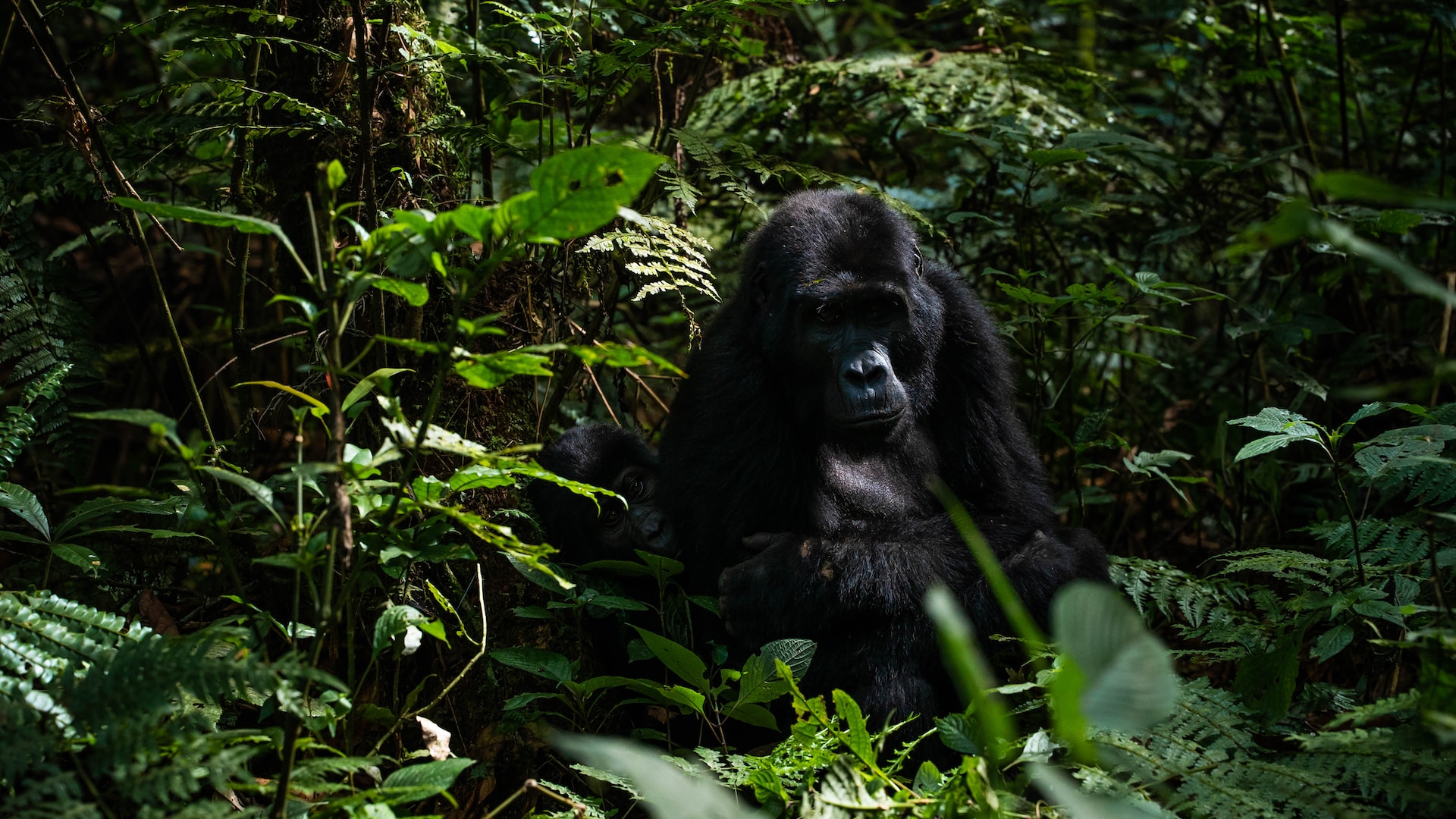
How 2026 Road Updates Have Transformed the Buhoma Drive
The Buhoma Road Revolution
| Feature | The Old Way (Pre-2023) | The 2026 Reality | Time/Effort Saved |
| Rukungiri to Kanungu | 3 – 4 Hours (Murram) | 1.5 Hours (Paved) | 50% Time Reduction |
| Total Drive (Kampala) | 9 – 11 Hours | 7.5 – 8.5 Hours | 2+ Hours Saved |
| Vehicle Wear | High (Suspension/Tires) | Low (Smooth Tarmac) | Lower Safari Costs |
| Rainy Season Risk | High (Slippery/Muddy) | Zero (All-weather road) | Reliable Scheduling |
| Scenic Viewing | Difficult due to dust | Clear views of the Rift | Enhanced Experience |
The Last Mile
While the major arterial roads are now paved, it is important to note that the final 15–20 kilometer approach into the forest itself remains a well-maintained murram road. This is intentional. Maintaining a gravel approach helps preserve the wild aesthetic of the park boundary and acts as a natural speed deterrent to protect wildlife crossing the corridors.
However, because the preceding 80 kilometers are now paved, the last mile is no longer a chore. Your Jackal Adventures 4×4 will still be necessary for the steep, winding entrance to the park, but you will arrive at that point fresh rather than fatigued.
Choosing Your Route in 2026
Even with the new roads, the best route depends on your overall itinerary. Here is how we plan the 2026 drives at Jackal Adventures:
- The Express Route: Kampala – Mbarara – Ntungamo – Rukungiri – Kihihi – Buhoma. This is the fastest route and utilizes the maximum amount of new tarmac. It’s perfect for those who want to get to the forest as quickly as possible.
- The Scenic Circuit: Entebbe – Fort Portal – Queen Elizabeth NP – Ishasha – Kihihi – Buhoma. This is for the traveler who wants to see the Mountains of the Moon and the savanna before hitting the forest. The infrastructure updates in Kanungu make this multi-park transition smoother than ever.
- The Backdoor Shortcut: Kigali (Rwanda) – Cyanika Border – Kisoro – Kanungu – Buhoma. While this involves a border crossing, the improved roads between Kisoro and Kanungu have made the backdoor into Buhoma a very viable 2026 option for those flying into Rwanda.
Impact on Safari Logistics and Cost
For Jackal Adventures, these road updates mean we can offer more flexible departure times. In the past, we had to insist on a 6:00 AM departure from Kampala to ensure an arrival before dark. In 2026, a 7:30 AM departure is perfectly fine, allowing you a more relaxed breakfast at your hotel.
Furthermore, the reduced travel time means less fuel consumption and less wear and tear on our vehicles, savings that we pass on to our guests through better-maintained equipment and more inclusive packages. The road is no longer something to survive; it is something to enjoy.
Final Thoughts
Infrastructure is often the unsung hero of a great safari. While the headlines are usually about baby gorillas or lion prides, it is the black ribbon of tarmac through Kanungu that makes those encounters accessible. In 2026, the journey to Buhoma is finally as beautiful as the destination itself. You can roll down the windows, breathe in the fresh mountain air, and watch the terraced hills of the Kigezi highlands slide by without the roar of a bumpy road drowning out the sounds of the birds.
