

Gorilla Habituation Experience
Have you ever felt that sixty minutes just wasn’t enough to witness the majesty of a mountain gorilla? While standard trekking offers a life-changing glimpse into the lives of these primates, a deeper, more intimate adventure awaits those who want to go beyond the basics. If you are researching the differences between these two encounters, you are likely asking: What exactly is the gorilla habituation experience?
In the heart of Uganda’s Bwindi Impenetrable Forest, travelers have a rare opportunity to move from being simple observers to active participants in conservation. This guide breaks down everything you need to know about the 4-hour versus 1-hour encounter, helping you choose the adventure that fits your soul.
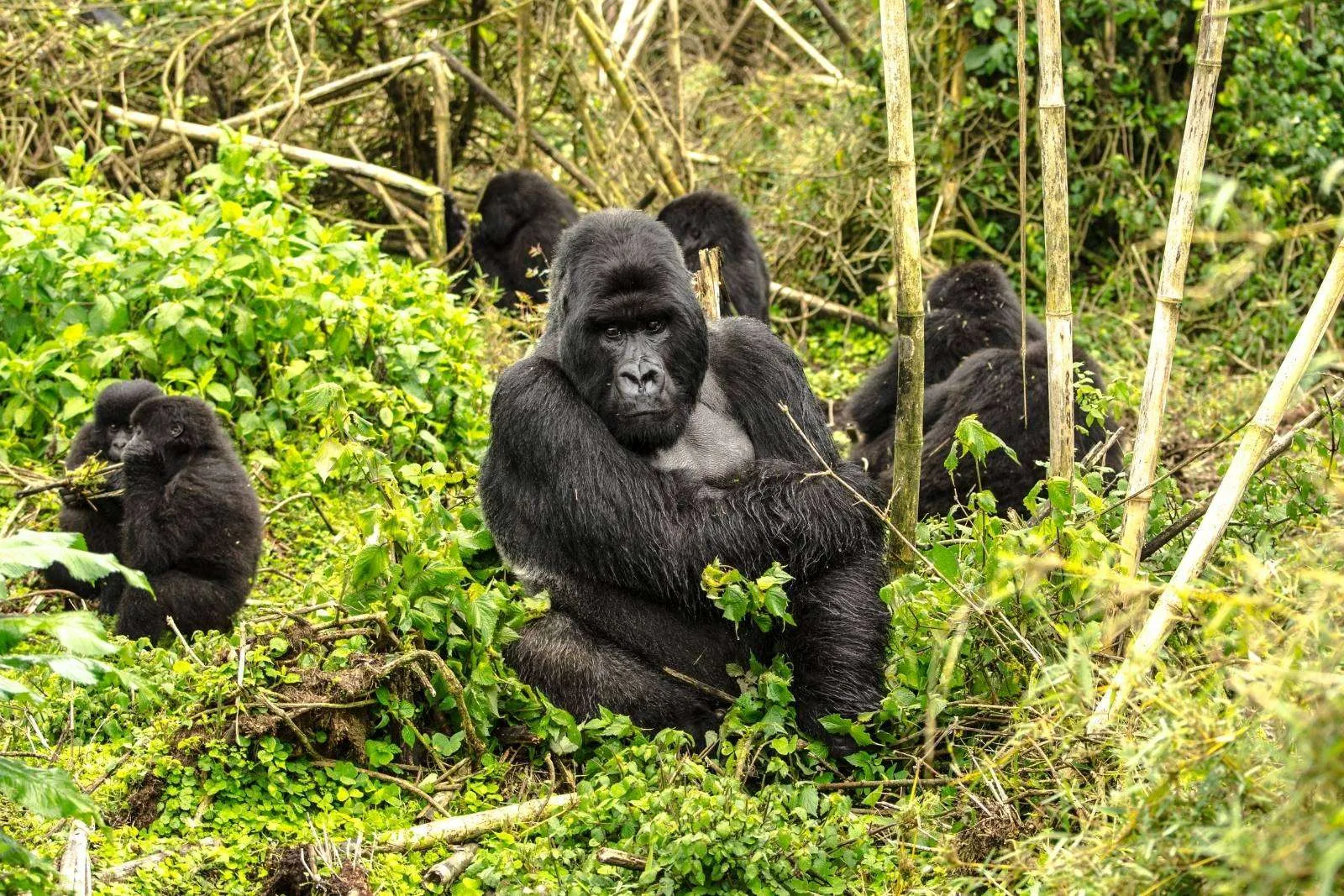
Gorilla habituation experience explained
What is the Gorilla Habituation Experience?
Unlike standard trekking, which visits families already accustomed to humans, the habituation experience involves visiting “semi-habituated” groups. Habituation is the gentle, multi-year process where researchers and rangers train wild gorillas to tolerate human presence without fear or aggression.
When you book the gorilla habituation experience explained by experts, you aren’t just a tourist; you are a vital part of the scientific process. You accompany primatologists and trackers into the dense foliage of the Rushaga or Nkuringo sectors. Your presence helps the gorillas learn that humans are neutral, non-threatening neighbors. Unlike the standard trek, you start your day earlier, usually by 7:30 AM, to catch the gorillas as they emerge from their night nests.
4 Hours vs. 1 Hour: The Key Differences
The most obvious distinction lies in the clock, but the depth of the encounter and the physical demands vary significantly as well.
1. The Time Factor and Daily Routine
In a standard trek, the “clock starts” the moment you find the gorillas. You have exactly one hour to take photos and observe. In contrast, the habituation permit grants you four full hours in the presence of the family. Consequently, this extended time allows you to see the gorillas transition from their morning foraging to their midday nap and social grooming sessions. You may even assist researchers in identifying individual markings or collecting behavioral data.
2. Group Size and Exclusivity
Standard trekking allows up to eight tourists per gorilla family. However, habituation is much more exclusive, limiting the group to only four tourists. This smaller group size creates a quieter, more intimate atmosphere, perfect for serious photographers and wildlife enthusiasts who want unobstructed views.
3. Behavioral Authenticity
Habituated gorillas often ignore tourists entirely. Semi-habituated gorillas, however, might be more curious, more mobile, or even slightly more vocal. You get to witness the “raw” side of gorilla life. Because these groups are less predictable, you might find yourself “blazing a trail” through thicker bush as you follow them, making the experience feel like a true expedition.
2026 Quick Comparison Table
| Feature | Standard Gorilla Trekking | Gorilla Habituation Experience |
| Time with Gorillas | 1 Hour | 4 Hours |
| Group Size | Max 8 people | Max 4 people |
| Location | Uganda, Rwanda, DRC | Uganda Only (Rushaga/Nkuringo) |
| Gorilla Status | Fully habituated (relaxed) | Semi-habituated (learning) |
| Permit Cost (2026) | $800 USD | $1,500 USD |
| Physical Difficulty | Moderate (2–6 hours total) | Strenuous (4–8+ hours total) |
| Best For | First-timers, budget-conscious | Photographers, researchers, enthusiasts |
Answering Top Traveler Questions
Where can I do this?
Currently, the habituation experience only occurs in the southern sectors of Bwindi Impenetrable National Park in Uganda (Rushaga and Nkuringo). Rwanda and the DRC do not offer this specific 4-hour encounter.
Is it harder than regular trekking?
Yes. Since semi-habituated gorillas move more frequently and haven’t yet settled into “tourist-friendly” areas, you should expect longer hikes through denser vegetation. Therefore, a higher level of fitness is recommended for the habituation experience compared to standard trekking.
Is the extra cost worth it?
At $1,500 per permit, the habituation experience costs nearly double a standard trek. However, when you consider the gorilla habituation experience explained in terms of “value per minute,” it is a bargain. You receive 400% more time with the gorillas for less than 200% of the price. Furthermore, you also gain exclusive access to the world’s leading primatologists.
What to Pack for Your Habituation Safari
Because you spend more time in the forest, your gear must be top-tier. Use this list to prepare:
-
Waterproof Hiking Boots: Sturdy boots with ankle support are vital for muddy, steep terrain.
-
Gardening Gloves: Protect your hands from thorns and stinging nettles while climbing.
-
Long-Sleeved Clothing: Neutral colors (khaki, green, or tan) help you blend in and protect against insects.
-
Surgical Face Masks: These remain mandatory in 2026 to protect the gorillas from human respiratory diseases.
-
Heavy-Duty Rain Poncho: Bwindi is a rainforest; it will likely rain during your 4-hour stay.
-
Lunch and 3 Liters of Water: You will be in the forest for most of the day; hydration is key.
-
Extra Camera Batteries/Memory Cards: You will take hundreds of photos over four hours. Don’t run out of space!
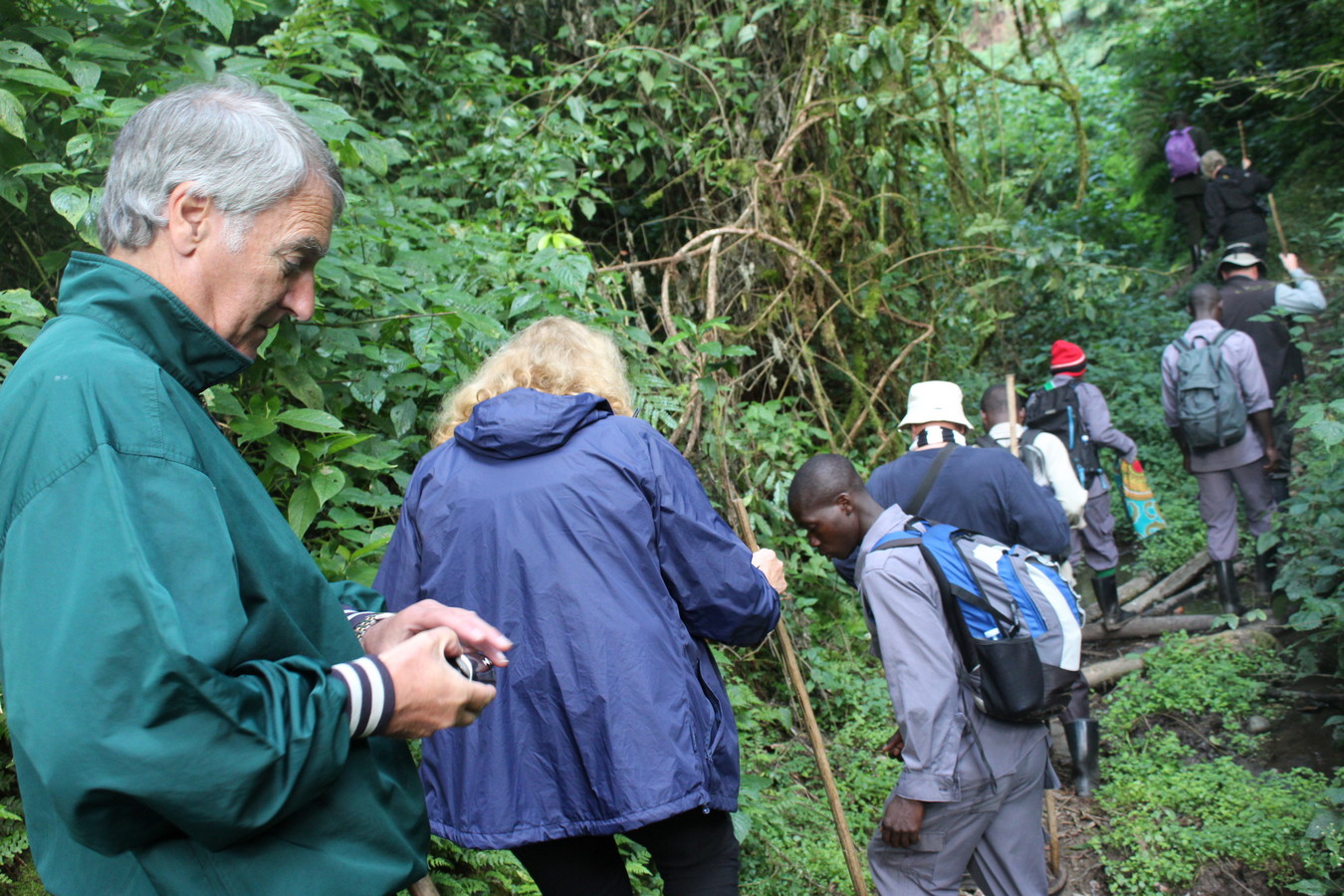
Gorilla habituation experience explained
Final Thoughts from Jackal Adventures
Choosing between the 1-hour and 4-hour encounter depends on your physical fitness and your passion for primates. If you want a “highlight reel” of the gorillas, standard trekking is magnificent. However, if you want to truly inhabit their world and understand the gorilla habituation experience explained through the eyes of a researcher, the 4-hour journey is unrivaled.
At Jackal Adventures, we specialize in these deep-dive encounters. We understand that a safari is more than just a checkmark on a bucket list; it is a connection to the wild. Our team handles the complex permit bookings and matches you with the best lodges, such as those in the Rushaga sector, to ensure your journey into the Impenetrable Forest is seamless, safe, and soulful.
