

Navigating East Africa in 2026
Tips for Smooth Border Crossings are essential if you are planning a multi-country expedition through the “Pearl of Africa,” the vast Serengeti, and the vibrant Mara. Crossing land borders in this region can feel like a daunting hurdle, but it doesn’t have to be. In 2026, the East African Community (EAC) will have moved toward more digital, integrated systems to facilitate movement. However, navigating the physical reality of a busy outpost still requires a mix of preparation and “bush smarts.
Whether you are hopping from Uganda to Kenya or traversing the famous Namanga crossing into Tanzania, success lies in the details. This guide provides the most up-to-date tips for smooth border crossings to ensure your 2026 safari remains focused on the wildlife, not the paperwork.
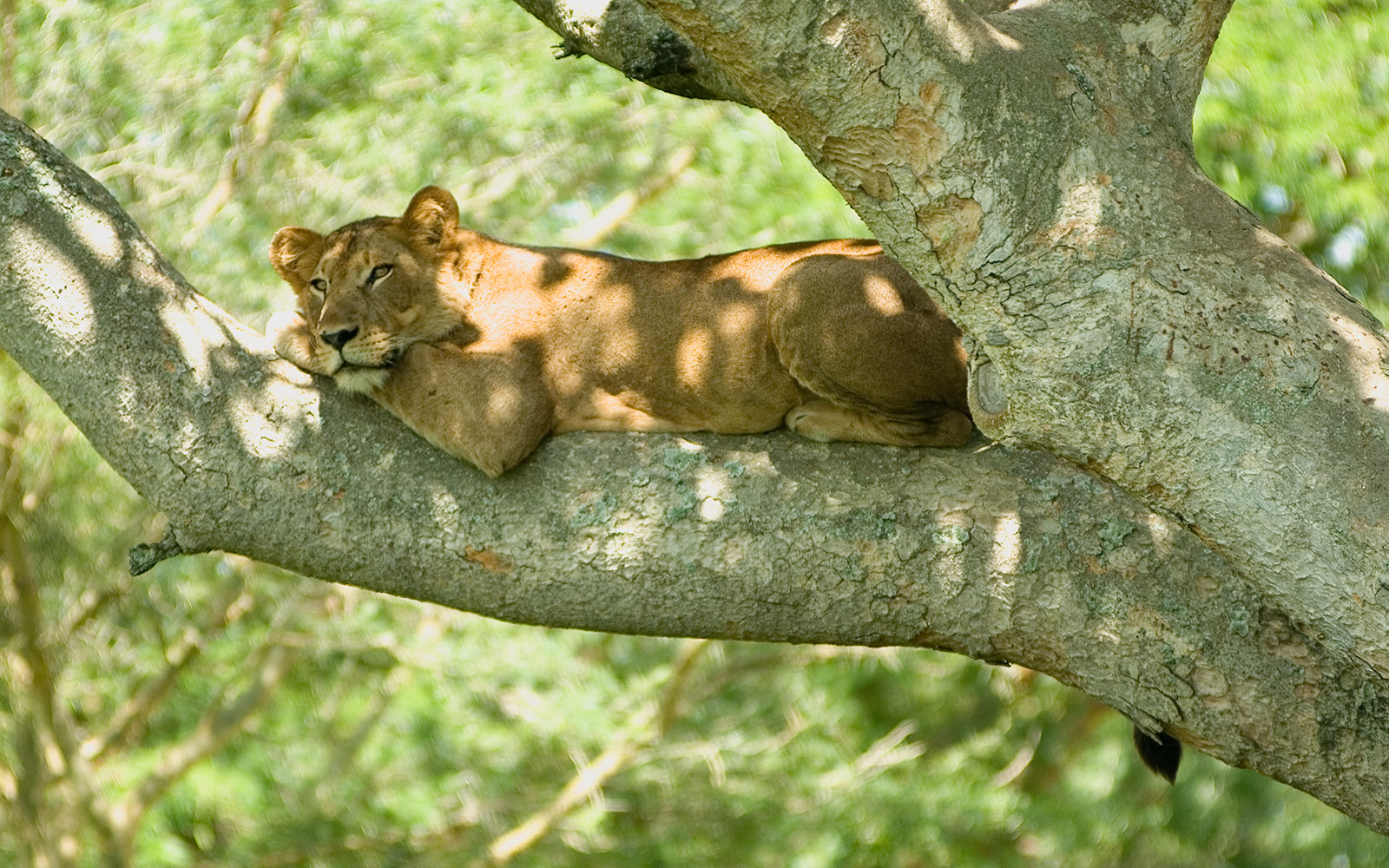
tips for smooth border crossings.
1. Master the Multi-Country Visa (EATV)
The single most effective way to ensure a seamless journey is the East Africa Tourist Visa (EATV). This $100 USD joint permit allows 90 days of multiple-entry travel between Uganda, Kenya, and Rwanda.
-
The Golden Rule: You must apply for the EATV through the country that serves as your first point of entry. If you land in Entebbe, apply via the Uganda Immigration portal.
-
The Benefit: Once you have the sticker in your passport, moving between these three nations is as simple as a quick exit/entry stamp. You bypass the need to pay for individual visas at each gate, which is one of our top tips for smooth border crossings.
2. Navigate Kenya’s 2026 Digital Shift
By March 2026, Kenya will have fully transitioned to its Electronic Travel Authorization (eTA) system. While Kenya famously moved toward a “visa-free” regime for many African and Caribbean nationals in late 2025, most international travelers still require a pre-approved eTA.
-
Timeline: Do not wait until you reach the border. Apply at least 72 hours before your crossing.
-
Land Borders: Rangers at Busia, Malaba, and Namanga will ask for your printed eTA confirmation. Even though the system is digital, a physical paper copy prevents delays if the local network is slow or the power is out.
3. The “Yellow Card” is Your Golden Ticket
In 2026, the Yellow Fever Vaccination Certificate remains a mandatory requirement for almost all East African border crossings. Health officials check this before you even reach the immigration desk.
-
Validation: Ensure your vaccination took place at least 10 days before your first crossing.
-
Life-Long Validity: If your card is old, don’t worry, the WHO now recognizes yellow fever vaccinations as valid for life, and East African authorities follow this rule. Keep it tucked inside your passport at all times.
2026 Border Crossing Cheat Sheet
| Border Post | Connecting Countries | Typical Wait Time | Best Time to Cross |
| Busia / Malaba | Uganda ↔ Kenya | 2–4 Hours | 6:00 AM – 8:00 AM |
| Namanga | Kenya ↔ Tanzania | 1–2 Hours | Mid-morning (post-bus rush) |
| Cyanika | Uganda ↔ Rwanda | 1 Hour | Anytime (Scenic route) |
| Mutukula | Uganda ↔ Tanzania | 2 Hours | Early afternoon |
Pro-Logistics: Transitioning Like a Local
To truly master the art of the overland safari, follow these tips for smooth border crossings that most guidebooks miss:
-
The “No-Fixer” Policy: As you approach the gate, you will likely encounter “fixers” offering to speed up your paperwork for a fee. Politely decline. These are unofficial agents. Modern EAC borders have clear signage and “One-Stop Border Post” (OSBP) layouts where both countries’ officials sit in the same building. Working directly with uniformed officers is safer and often faster.
-
Currency Strategy: While major posts like Namanga have ATMs, many rural crossings do not. Carry small denominations of US Dollars (printed after 2013) for any unexpected fees. Having local currency (UGX, KES, or TZS) is also helpful for paying for a quick roadside snack or a “helper” tip if you use a porter for heavy bags.
-
The 10-Meter Buffer: Much like gorilla trekking, maintain a respectful distance from the officials’ desks. Keep your phone away; photography at border crossings is strictly prohibited and can lead to your device being confiscated.
-
Clean Your Vehicle: If you are on a self-drive safari, ensure your car is clean. Customs officers are more likely to perform a detailed (and time-consuming) search of a cluttered, muddy vehicle than one that looks organized and well-maintained.
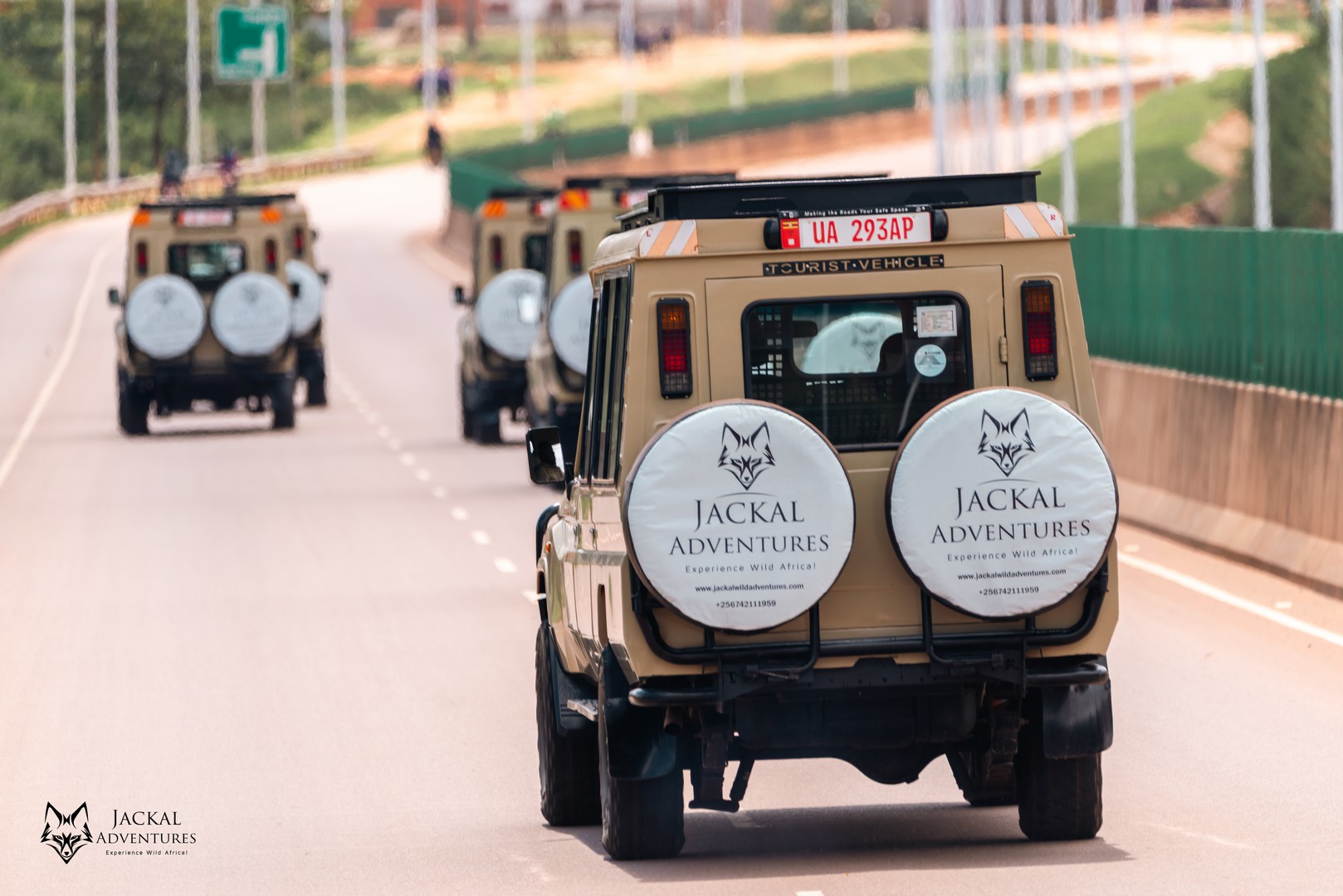
tips for smooth border crossings.
Pack for the Border (2026 Edition)
Border crossings involve waiting, often in the sun. Pack a small “Border Kit” in your daypack:
-
Document Folder: (Original passport, printed e-Visas/eTAs, and Yellow Fever card.)
-
Black Pen: (Crucial for filling out arrival cards, never wait for the one shared pen at the desk!)
-
High-SPF Sunscreen & Hat: (You may have to walk between the two immigration buildings.)
-
Portable Power Bank: (Ensure your phone is charged if you need to show digital confirmations.)
-
Hand Sanitizer & Mask: (Mandatory in most government buildings in 2026.)
-
Patience: (The most important “item” in your bag!)
Final Thoughts from Jackal Adventures
Crossing a border in East Africa is more than a legal requirement; it is a rite of passage. It marks the transition from one unique ecosystem to another. At Jackal Adventures, we prioritize these transitions in our itineraries. We provide our guests with pre-filled documentation and ensure our drivers are well-versed in the latest tips for smooth border crossings for the specific month of travel.
In 2026, the region is more connected than ever, but the human element remains. A smile, a “Jambo,” and organized paperwork go a long way. We handle the logistical heavy lifting so you can enjoy the thrill of watching the landscape change as you move across the map.
