

2026 Impact Guide
In 2026, the global traveler’s map has shifted. We no longer measure the success of a safari solely by the “Big Five” we spot through a lens. Instead, we measure it by the “Big Connection,” the depth of our interaction with the people who call these wild landscapes home. Community-Led Tourism in East Africa has evolved from a niche alternative into the gold standard of travel. It ensures that every dollar spent acts as a seed for local prosperity.
Whether you harvest highland coffee in Uganda or walk through a Rwandan village with a reformed poacher, your presence acts as a catalyst for change. This guide explores how your 2026 journey provides the essential building blocks for a sustainable future in the “Land of a Thousand Hills” and the “Pearl of Africa.”
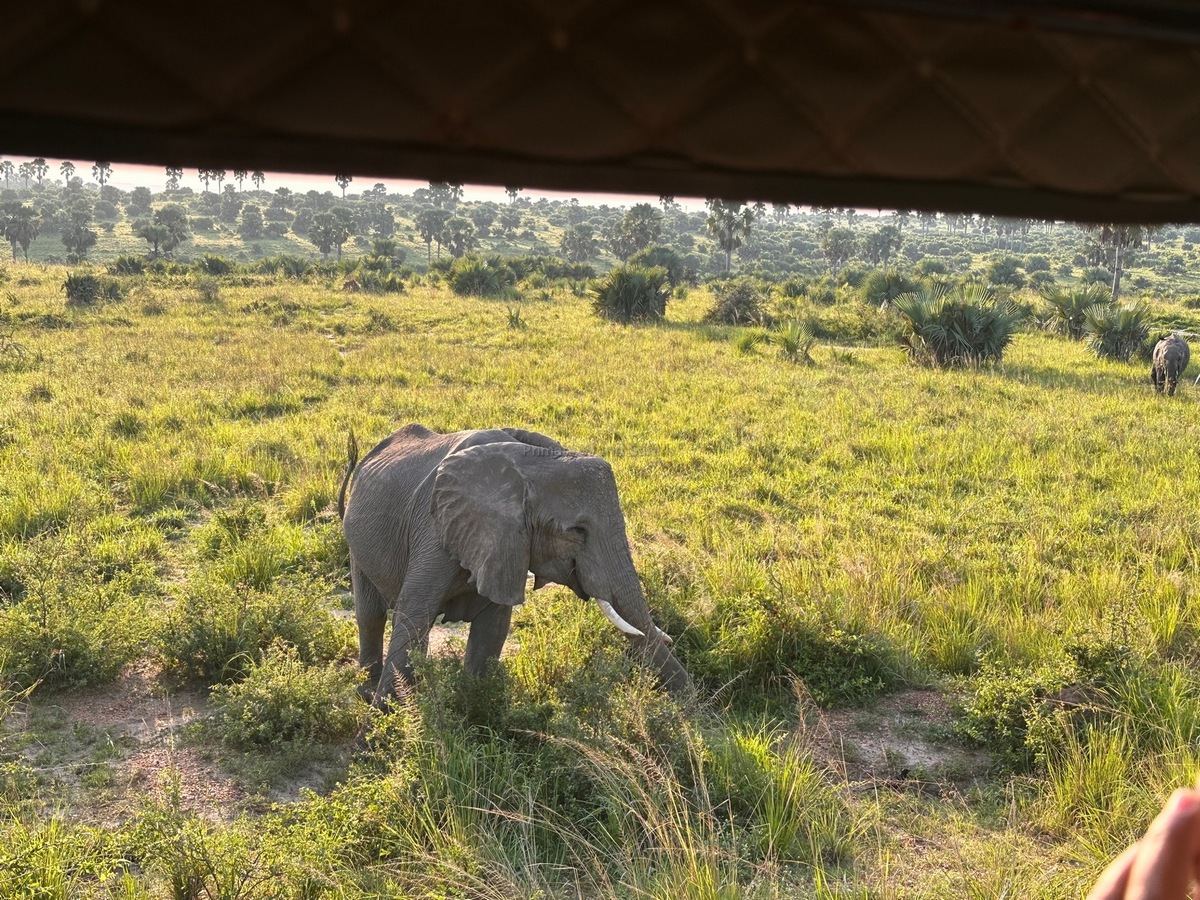
The 20% Revolution: Structural Change in 2026
For decades, the tourism industry struggled with “leakage,” where a vast majority of profits remained with international corporations. In 2026, transparency and direct-impact models have flipped the script. Rwanda and Uganda have pioneered revenue-sharing systems that now serve as benchmarks for the world.
In Uganda, the Uganda Wildlife Authority (UWA) ensures that 20% of all park gate fees go directly to frontline communities. These are the villages that border national parks like Bwindi Impenetrable and Queen Elizabeth. In 2026, this model has expanded, allowing local committees to decide exactly how to spend these funds. This is the heart of Community-Led Tourism in East Africa: it grants financial autonomy to those who protect the wilderness.
2026 Impact Breakdown: Where Your Money Goes
| Sector | Funding Source | Real-World 2026 Outcome |
| Education | Revenue Sharing / Permits | Construction of 15+ new primary schools in 2026 alone |
| Healthcare | Tourism Community Funds | Solar-powered maternity wards and mobile clinics |
| Livelihoods | Local Supply Chains | 30% increase in household income for participating artisans |
| Conservation | Guide & Porter Fees | 85% reduction in poaching incidents in community zones |
| Infrastructure | Government Tourism Grants | Clean water boreholes and improved village access roads |
Beyond the Binoculars: Authentic Cultural Immersion
The modern traveler in 2026 avoids the “human zoo” experience of the past. Today’s cultural tours focus on dignity and mutual exchange. This shift has empowered communities to curate their own stories through immersive experiences that highlight their heritage.
The Batwa Cultural Trail (Uganda & Rwanda)
Once the “Keepers of the Forest,” the Batwa suffered displacement when national parks were gazetted. Through Community-Led Tourism in East Africa, they have reclaimed their narrative. In 2026, Batwa-led trails are not just demonstrations; they are educational journeys. You learn about ancient medicinal plants and traditional fire-making. More importantly, the fees go directly to Batwa organizations to purchase land and provide scholarships for their children.
The Red Rocks Initiative (Rwanda)
Located near Volcanoes National Park, Red Rocks serves as a hub for sustainable development. Here, you participate in “Imigongo” art classes, where you create traditional paintings using cow dung. Every class supports a women’s cooperative. This model proves that Community-Led Tourism in East Africa can preserve cultural identity while providing a modern income.
The “Crop-to-Cup” Movement: Agri-Tourism
Agriculture remains the heartbeat of East African life. In 2026, travelers increasingly care about the origin of their food and drink. Agricultural tourism allows visitors to step onto a farm and understand the labor behind the luxury.
In the foothills of the Rwenzori Mountains, coffee tours have become a staple. You walk through the plantations, pick ripe cherries, and roast them over an open fire. This direct interaction bypasses the middleman. By the time you drink that cup of coffee, you have contributed to a farmer’s ability to buy better equipment or improve their home. This tangible link explains why Community-Led Tourism in East Africa effectively reduces rural poverty.
Turning Poachers into Protectors
The greatest conservation success story of 2026 remains the transformation of human-wildlife conflict into collaboration. Historically, communities saw wildlife as a threat to their crops and lives. Today, they see wildlife as an asset.
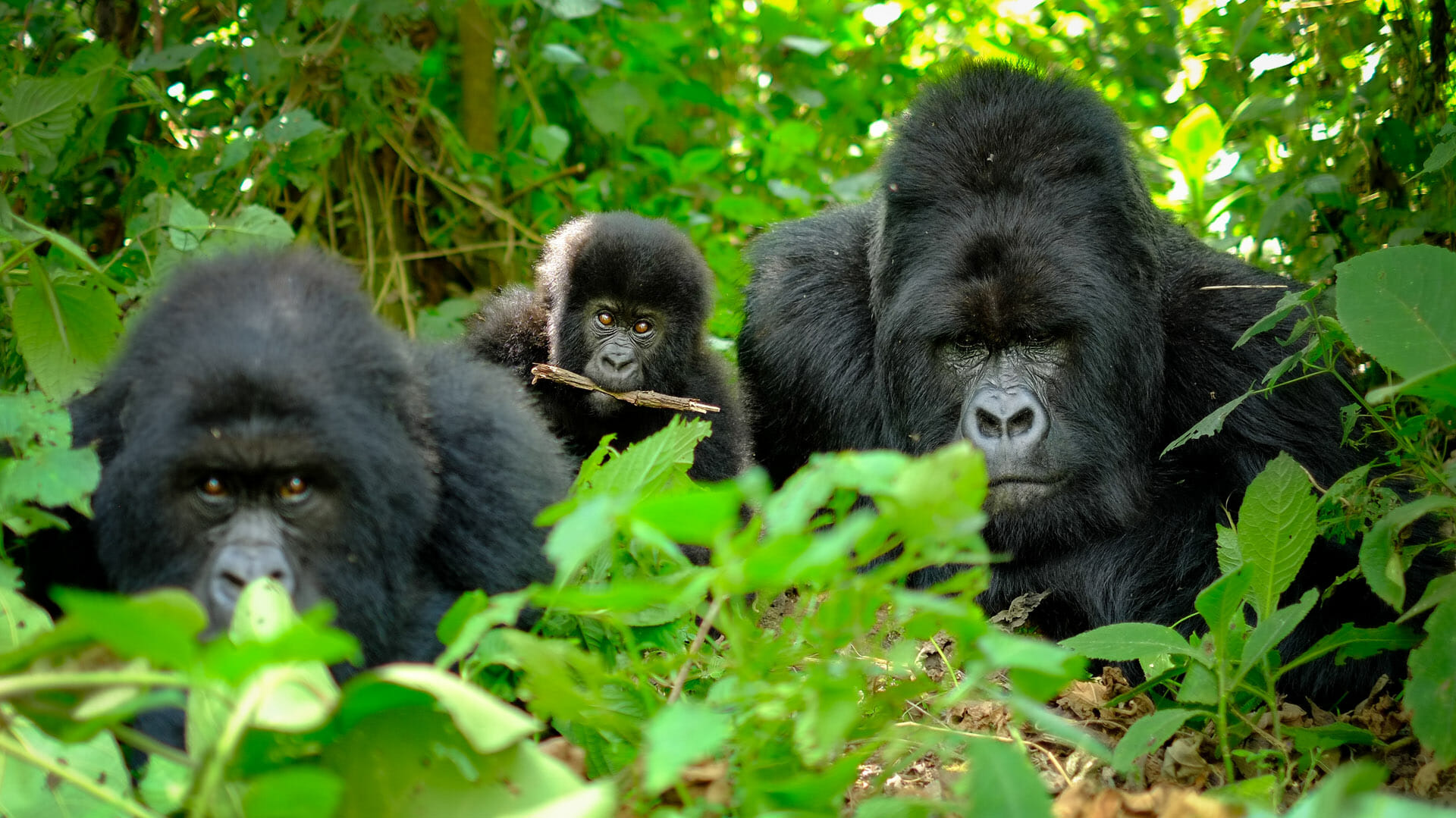
In Rwanda, the Gorilla Guardians Village employs former poachers as cultural performers and guides. They now earn a stable, dignified living by sharing their culture rather than hunting for survival. When you visit, your entry fee validates this choice. You participate in a system that makes a living mountain gorilla worth more to a local family than a dead one. This shift in perception has allowed the mountain gorilla population to surge past 1,000 individuals this year.
Traveling Responsibly: 3 Tips for 2026
To ensure your visit has the maximum positive impact, keep these principles in mind:
-
Hire Local Guides: Always choose guides from the local community. Their knowledge is superior, and the income stays in the village.
-
Spend on the Ground: Eat at local restaurants and buy crafts directly from the makers. This stimulates the local “multiplier effect.”
-
Respect Social Norms: Ask before taking photos and dress modestly when visiting villages. Respect remains the currency of sustainable tourism.
Conclusion
At Jackal Adventures, we believe that a safari carries a significant responsibility. Our 2026 itineraries prioritize the principles of Community-Led Tourism in East Africa. We don’t just show you the gorillas and lions; we introduce you to the rangers, the farmers, and the artists who make this region vibrant.
By choosing Jackal Adventures, you select a partner dedicated to ethical travel. We prioritize lodges that use solar power, source food locally, and employ at least 80% of their staff from the surrounding area. We handle the logistics of your cross-border journey between Rwanda and Uganda with precision, ensuring your impact stays positive at every stop. Let us help you create a legacy of hope and opportunity through your 2026 visit.
