

A 2026 Guide to Identifying African Rainforest Birds by Sound
The African rainforest holds secrets far beyond what the eye can see. Within its emerald depths, a symphony of sounds unfolds, often revealing more about hidden inhabitants than fleeting glimpses ever could. For many birdwatchers, birding by ear in the African rainforest offers the ultimate challenge and reward. You learn to identify species not by their plumage, but by the haunting whistles, resonant hoots, and complex musical phrases that echo through the dense canopy.
This immersive approach transcends traditional visual birding. It demands patience, keen hearing, and a deep appreciation for the unseen world. As a truly enriching experience, birding by ear in the African rainforest connects you directly to the pulse of the jungle. It transforms a simple forest walk into an auditory treasure hunt, revealing endemic and elusive species that often stay hidden from view.

birding by ear in the African rainforest
Why Auditory Birding is Essential in the Rainforest
Unlike open savannas, where birds perch in plain sight, rainforests present significant visual obstacles. The dense foliage, low light, and rapid movements of many species make visual identification incredibly difficult.
| Feature | Visual Birding (Rainforest) | Birding by Ear (Rainforest) |
| Visibility | Extremely limited; silhouettes only. | Unaffected by foliage; calls carry far. |
| Species ID | Relies on fleeting, difficult glimpses. | Pinpoints species accurately from sound. |
| Target Species | Larger, bold, or slow-moving birds. | Elusive, canopy, or ground-dwellers. |
| Engagement | Primarily visual; can be frustrating. | Full sensory immersion; highly rewarding. |
Mastering the Symphony: Key Rainforest Calls
To truly excel at birding by ear in the African rainforest, you must familiarize yourself with the distinct categories of calls and the common species associated with them.
1. Resonant Hoots and Drums: The Ground Dwellers
Many of the rainforest’s most unique calls come from ground-dwelling or understory birds. These species use low-frequency sounds that travel effectively through thick trunks and damp air.
-
Great Blue Turaco: Their deep, resonant “kok-kok-kok” calls often start slowly and accelerate. You will hear them long before you see their magnificent blue and red plumage.
-
Green-breasted Pitta: This incredibly shy bird possesses an unmistakable, explosive “whee-chew” call. It often gives away its presence even when it remains entirely hidden in the leaf litter.
-
African Green Broadbill: Found in high-altitude forests like Bwindi, their distinctive frog-like “croak” resonates widely through the mist.
2. Whistles and Trills: The Canopy Dwellers
Higher in the canopy, smaller, more agile birds produce intricate whistles and trills to cut through the wind and rustling leaves.
-
Grey Parrot: Famous for their mimicry, their natural calls include sharp, piercing whistles and squawks that signal the flock’s movement.
-
Yellow-spotted Barbet: Listen for their repetitive “too-roo, too-roo” call, often performed in perfectly timed duets.
-
African Emerald Cuckoo: Its mournful, descending “coo-coo-coo” call is a quintessential sound of the African forest.
Tools and Techniques for 2026 Birders
Modern technology significantly aids birding by ear in the African rainforest. High-quality directional microphones and analysis software have changed the game for enthusiasts.
Pro Tip: When you hear an unknown sound, avoid “pishing” (making small squeaking noises) too loudly. This can stress the birds. Instead, record the sound and play it back quietly to encourage the bird to move closer for a visual.
-
Sound Recording Apps: Apps like Merlin Bird ID now analyze recorded calls in real-time. They suggest possible species based on the audio frequency and your GPS location.
-
Parabolic Microphones: Professional birders use these to capture faint calls from a distance. These tools amplify sounds you might otherwise miss in the ambient forest noise.
-
Experienced Guides: The most invaluable tool remains a local bird guide. They have spent lifetimes learning these calls and can pinpoint locations with astonishing accuracy.
The Best Rainforests for Auditory Birding
East Africa offers several prime locations for this unique experience. These ancient forests provide the perfect acoustic chambers for vocal species. To begin with, Bwindi Impenetrable National Park in Uganda stands out as a premier destination. Home to 23 Albertine Rift endemics, its dense canopy makes auditory birding crucial for success. For instance, you often hear the African Broadbill doing its mechanical wing-snap display before you ever see it. Furthermore, the steep ridges help sound travel across valleys, allowing you to track moving flocks from a distance.
Moving on to Kibale National Park, this Ugandan gem boasts an incredible diversity of birds, even though it is primarily famous for chimpanzees. The rare Green-breasted Pitta remains a “ghost” until its explosive whistle reveals its position on the forest floor. In addition, you can listen for the loud, rhythmic wing-beats of Great Blue Turacos as they glide between fruiting trees.
Similarly, Nyungwe Forest National Park in Rwanda offers a spectacular setting. As one of Africa’s oldest montane rainforests, it features over 300 bird species and challenging auditory puzzles. Specifically, the Rwenzori Turaco dominates the higher altitudes with its harsh, unmistakable cackle. Moreover, dense bamboo thickets here house the elusive Red-collared Babbler, a species you must identify by ear to find.
Finally, Semuliki National Park in Uganda provides a unique experience because it sits at the edge of the vast Congo Basin forest. It offers Central African species like the Crowned Eagle, whose piercing aerial screams define the jungle’s power. Consequently, the lowland topography creates a still environment where even the smallest chirps from a Chocolate-backed Kingfisher become crystal clear.
Ultimately, mastering birding by ear in the African rainforest in these specific locations transforms your safari into a deep, multi-sensory connection with nature.
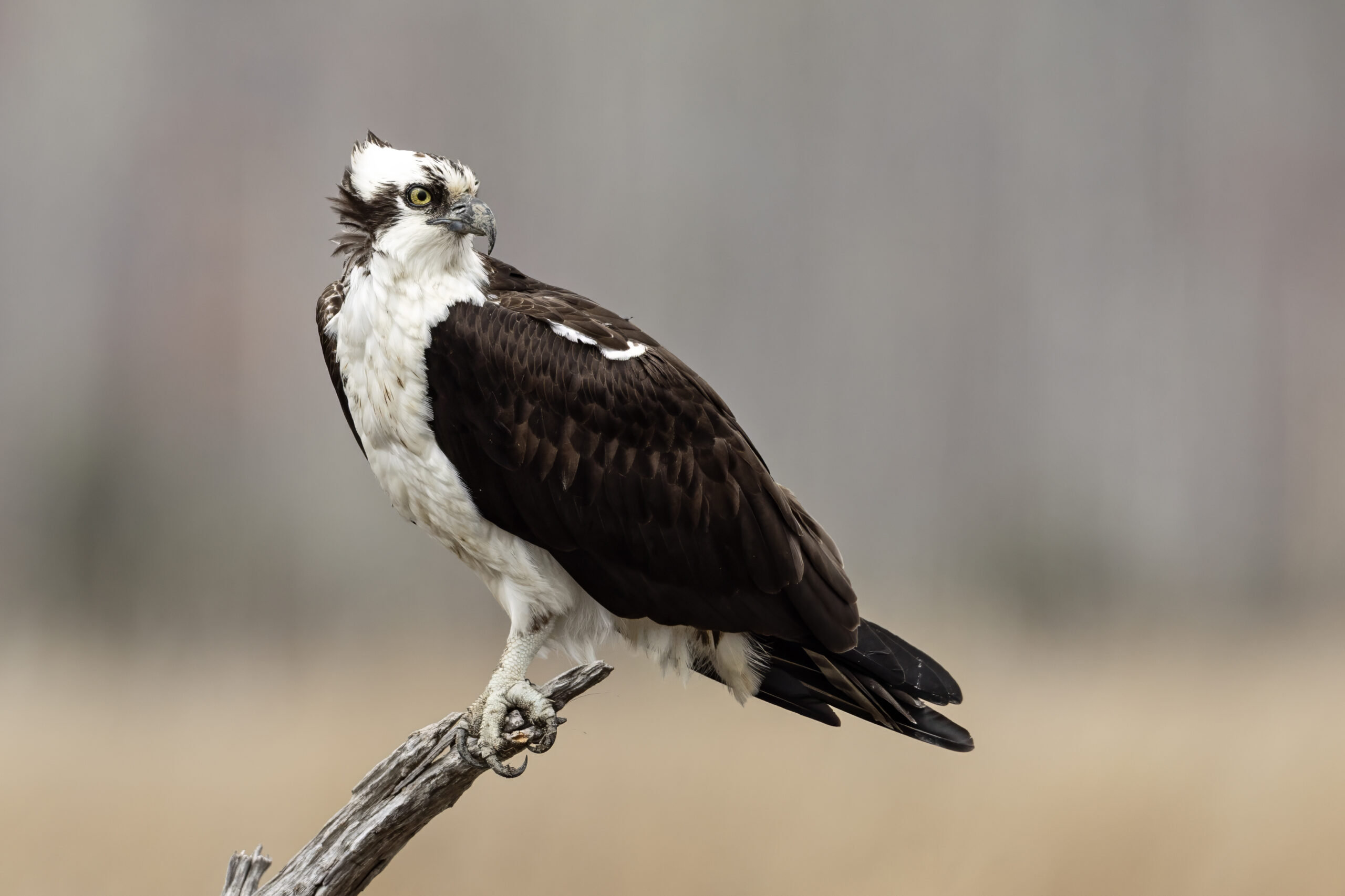
birding by ear in the African rainforest
Conclusion
At Jackal Adventures, we curate journeys that go beyond the visual. We understand that some of Africa’s most profound experiences unfold through sound. Our expert birding guides specialize in birding by ear in the African rainforest, transforming your trip into an intimate exploration of the jungle’s hidden avian wonders.
We match you with guides whose local knowledge of calls and behaviors remains unparalleled. Whether you are a seasoned birder or a curious beginner, we ensure you leave with a deeper appreciation for the intricate soundscapes of East Africa. Let us open your ears to the vibrant, haunting melodies that define the true spirit of the African rainforest.
