

Beat the 2026 Heat in Uganda’s High-Altitude Wilderness
As global temperatures rise, travelers increasingly seek “cool-cations” trips specifically designed to escape the sweltering summer heat of the Northern Hemisphere. While many think of Africa as a land of scorching sun and dusty savannas, the “Mountains of the Moon” offer a refreshing, high-altitude sanctuary. Choosing the Rwenzori Mountains for a cool-cation provides a unique blend of glacial landscapes, alpine flora, and crisp equatorial air that defies every tropical stereotype.
Located along the border of Uganda and the Democratic Republic of Congo, this UNESCO World Heritage site contains the third-highest peak in Africa, Mount Stanley. Unlike the dry heat of the Serengeti or the humid coast of Mombasa, the Rwenzoris offer a mist-shrouded world where glaciers sit directly on the equator. If you want to trade your air conditioner for the natural chill of a mountain breeze, this is your ultimate 2026 destination.
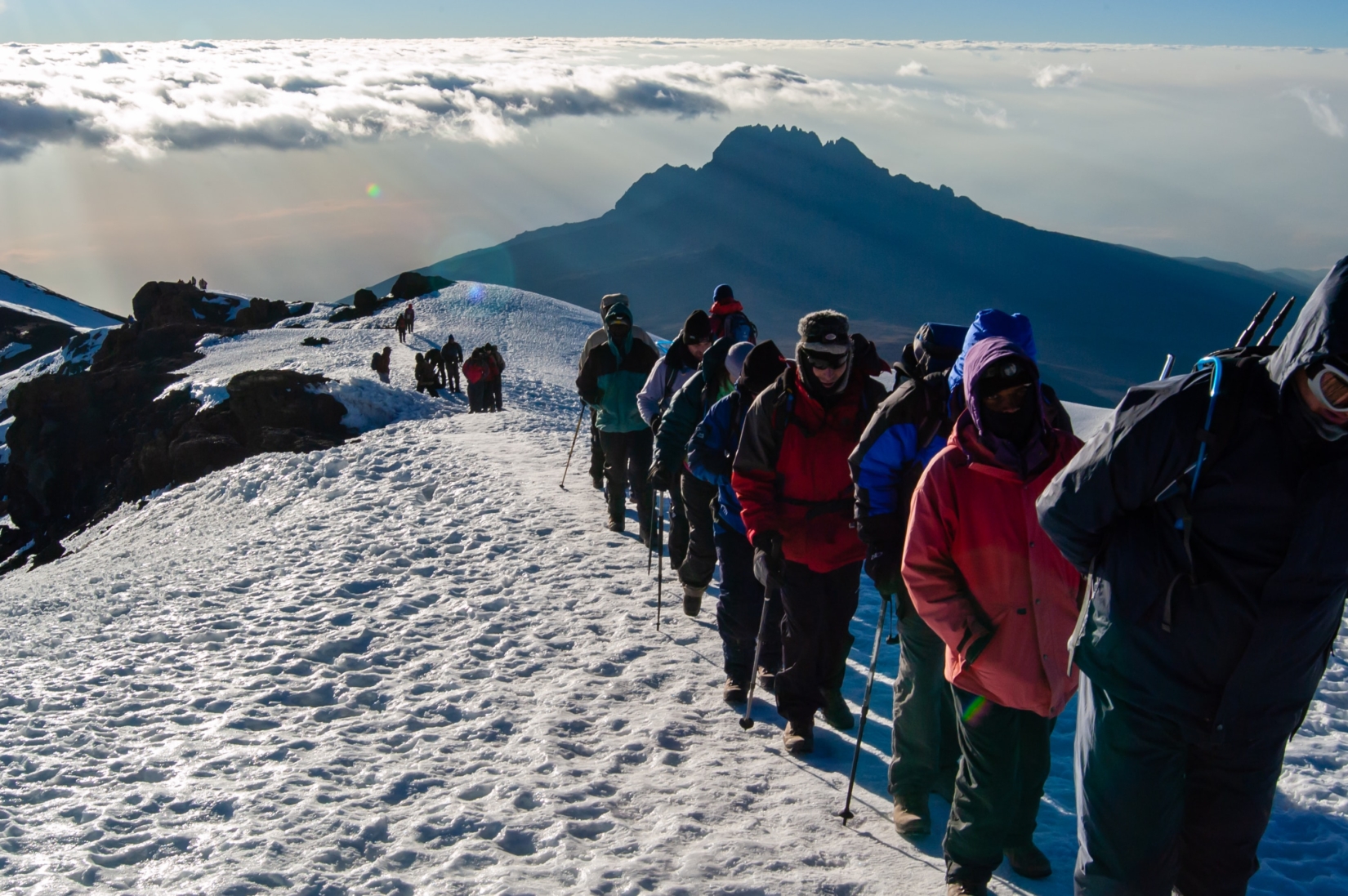
Rwenzori Mountains for a cool-cation
Why Choose the Rwenzoris Over Other African Peaks?
Many hikers default to Mount Kilimanjaro or Mount Kenya, but the Rwenzoris offer a distinct environment for those prioritizing a “cool-cation” experience. The humidity and unique cloud forests create a lush, temperate climate found nowhere else on the continent.
| Feature | Mount Kilimanjaro | Rwenzori Mountains |
| Primary Climate | High Desert/Alpine | Tropical Alpine/Cloud Forest |
| Crowd Levels | High (Busy trails) | Low (Exclusive and quiet) |
| Vegetation | Sparse at high altitudes | Giant Lobelias and Groundsel |
| Water Features | Very few permanent rivers | Endless waterfalls and lakes |
| Cool-cation Factor | Dry and dusty | Misty, lush, and naturally chilled |
The Magic of the Afro-Alpine Climate
What exactly makes the Rwenzori Mountains a cool-cation so effective? The answer lies in the vertical zonation of the range. As you ascend, the temperature drops significantly, transitioning through five distinct vegetation zones.
By the time you reach the Heather Zone (above 3,000 meters), the air stays consistently cool, rarely rising above 15°C. For a traveler escaping a 40°C heatwave in Europe or North America, this mountain air feels like a physical relief. You swap summer shirts for moisture-wicking layers and warm fleece. The frequent afternoon mists wrap the forest in a cool blanket, muting the sounds of the world and creating a sense of absolute prehistoric peace.
Giant Flora and Glacial Lakes
The landscape looks like something out of a fantasy novel. Giant heathers draped in “old man’s beard” (lichen) thrive in the cool dampness. You encounter Giant Lobelias that grow up to several meters tall, a biological adaptation to the high-altitude chill. These “botanical big game” species, including the prehistoric-looking Giant Groundsels, use thick, succulent leaves to insulate against nightly frosts.
Between the jagged peaks lie over 20 glacial lakes, such as Lake Kitandara and Lake Bujuku. Situated at 3,962 meters, Lake Bujuku sits at the apex of a glacier-carved valley. Mount Stanley, Mount Baker, and Mount Speke stand guard around its dark, mirror-like waters. These bodies of water act as natural heat sinks, keeping the surrounding valleys refreshing and vibrant.
The lakes provide a sanctuary for rare birds like the Rwenzori Turaco and the Malachite Sunbird. Because the water stays ice-cold year-round, you won’t find fish or frogs here. Instead, you enjoy a pristine silence, broken only by the sound of waterfalls cascading from the melting glaciers above. This eerie, untouched beauty makes the Rwenzori Mountains a cool-cation experience unlike any other on Earth.
Essential Planning for Your Summer Trek
Preparing for the Rwenzori Mountains for a cool-cation requires different gear than a standard safari. Since the environment stays damp and cool, you must prioritize staying dry.
-
Layering is Key: Start with a base layer that wicks sweat, add a mid-layer for warmth, and finish with a high-quality waterproof shell.
-
Footwear Matters: The Rwenzoris feature the famous “Bigo Bogs.” Even in the dry season, the ground remains soft. Many experienced trekkers prefer high-quality rubber boots for the lower sections before switching to traditional hiking boots.
-
The Best Time to Go: June, July, and August represent the “dry” season in Uganda. While the mountains create their own weather, these months offer the clearest views and the most stable temperatures for hiking.
-
Fitness Levels: You don’t need elite athleticism to enjoy the Rwenzoris. While the trek to Margherita Peak remains grueling, many travelers enjoy lower-altitude “forest walks” that provide the same cooling benefits without the technical climbing.
A Sustainable Escape in 2026
The Rwenzori ecosystem remains fragile. Glaciers have retreated significantly over the last century, making 2026 a vital time to witness this disappearing ice. Choosing the Rwenzori Mountains for a cool-cation also supports local Bakonjo communities. These mountain people serve as the primary guides and porters, sharing their deep ancestral knowledge of the “Rain Maker” mountains. Their stories add a rich cultural layer to your physical journey.
Imagine ending your day in a mountain hut, wrapped in a blanket with a hot cup of Ugandan coffee, while the mist rolls across the valley. There is no buzzing of insects, no hum of traffic, only the sound of rushing meltwater and the wind in the giant heathers. This is the essence of a “cool-cation.”
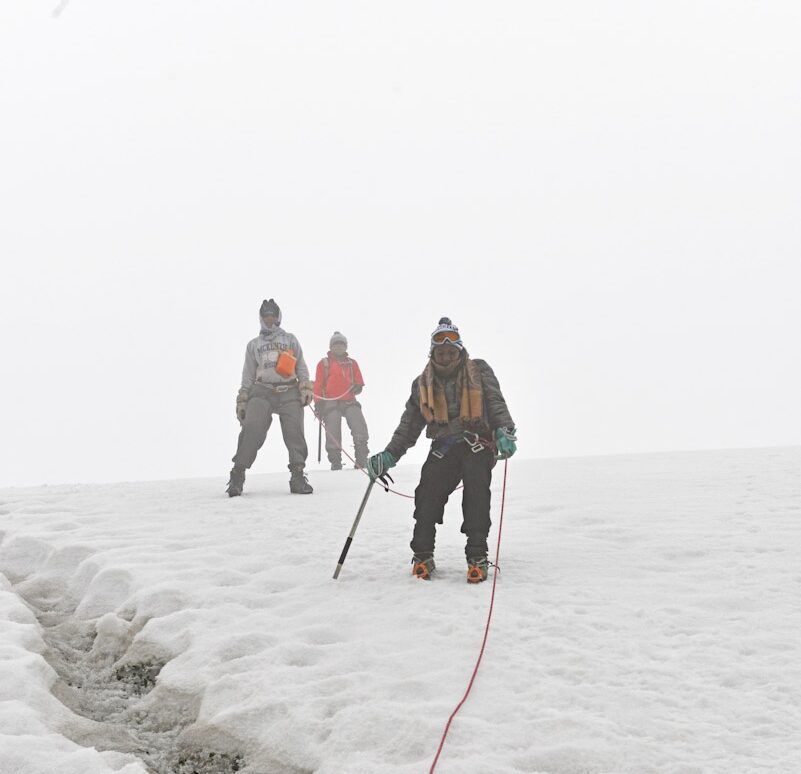
Rwenzori Mountains for a cool-cation
Conclusion
At Jackal Adventures, we specialize in taking travelers off the beaten path and into the heart of Africa’s most pristine wilderness. We believe that the Rwenzoris represent the continent’s best-kept secret for summer travel. Our team handles every detail of your mountain expedition, from securing the necessary trekking permits to providing high-quality equipment and expert local guides.
Whether you want to summit the snow-capped Margherita Peak or prefer a leisurely five-day trek through the lower alpine valleys, we customize the journey to your pace. We ensure that your trek remains safe, sustainable, and deeply restorative. Let us help you leave the heatwaves behind and discover the glacial heart of the Equator.
