Night Game Drives in Kenya: The Top 5 Safari Lodges
February 10, 2026
Ethical Tourism: 5 Ways Your Safari Empowers Local Communities
February 10, 2026
Which Primate Experience is for You?
For anyone dreaming of an intimate encounter with our closest living relatives, East Africa offers unparalleled opportunities. However, when you plan your safari, you will inevitably face a major decision: Chimpanzee Habituation vs Trekking? While both paths promise unforgettable moments, they offer distinct experiences. Consequently, understanding the differences in duration, interaction, and location is vital to ensure your primate adventure perfectly matches your expectations.
Chimpanzee
Diving Into Chimpanzee Trekking
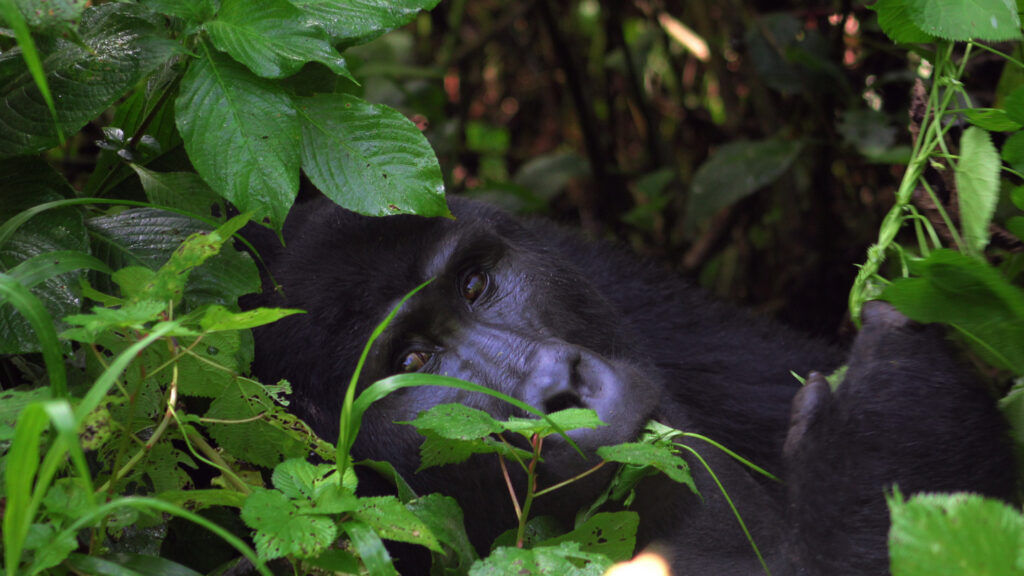
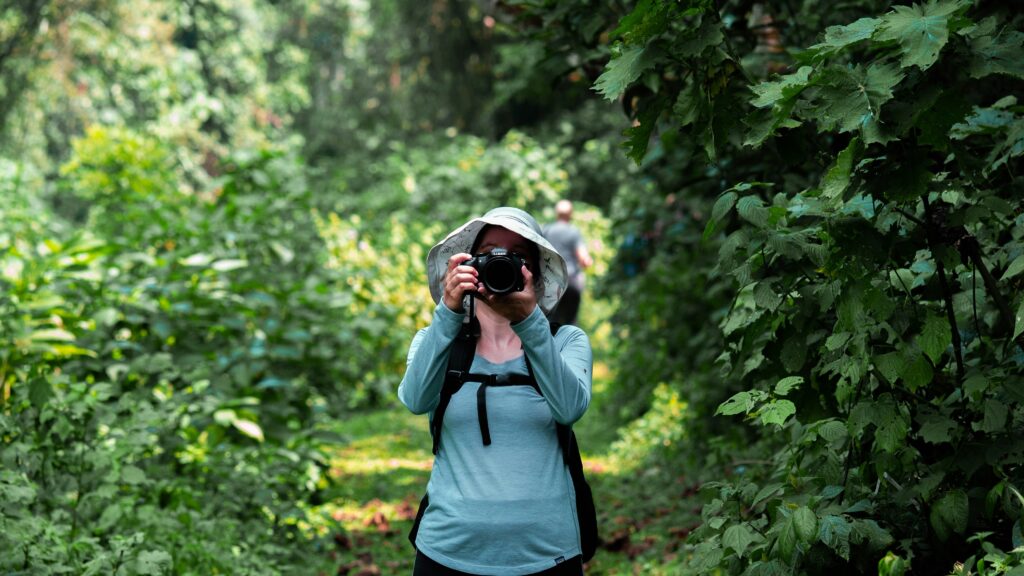
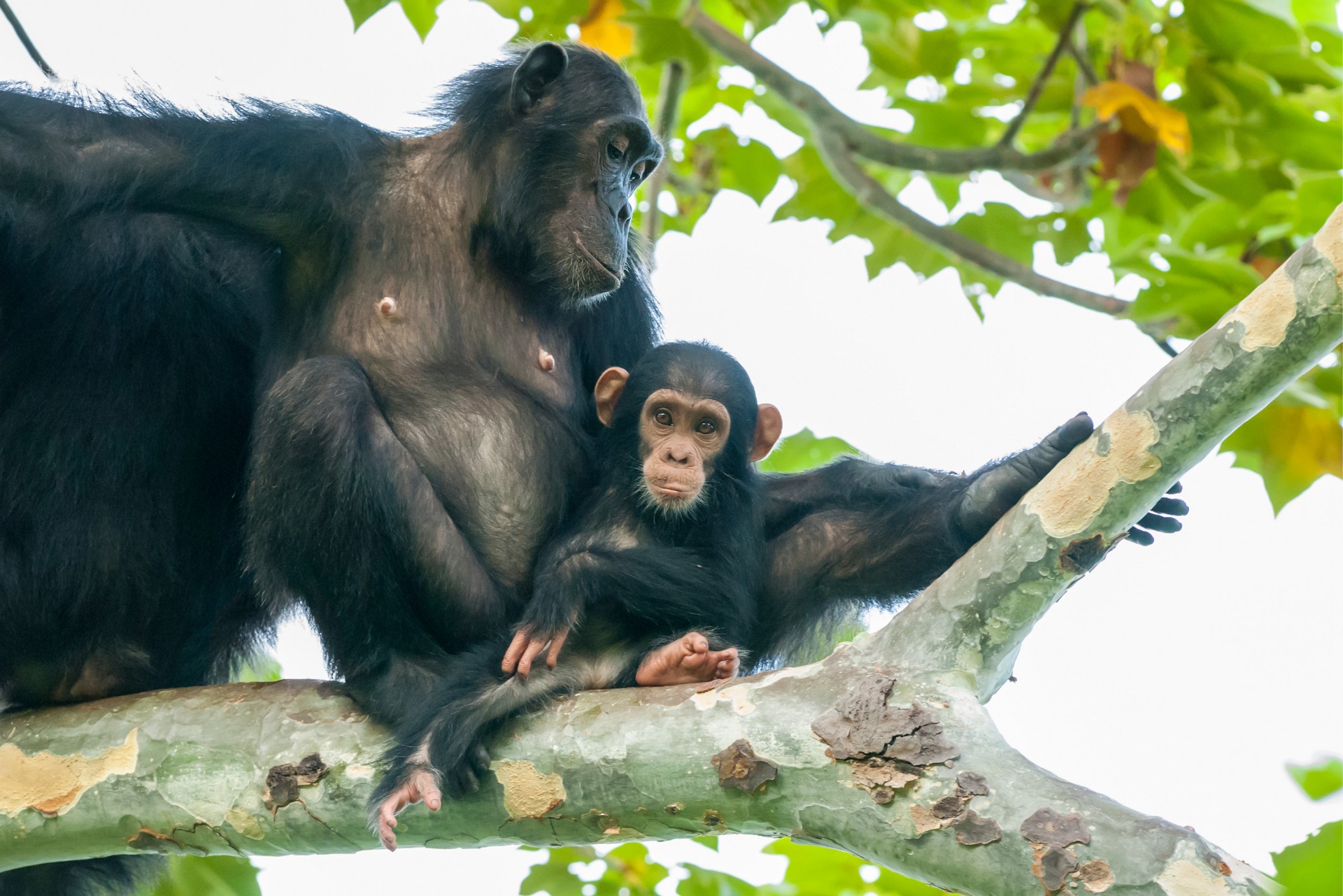
Chimpanzee trekking is the most popular and accessible primate experience. During this excursion, you hike into the forest with expert scouts to find a community that researchers have already habituated to human presence.
-
Duration: Typically, a permit grants you exactly one hour of direct observation once you locate the group.
-
Purpose: The primary goal is to observe daily routines such as feeding and grooming without disturbing the animals.
-
Physicality: While some treks last only 30 minutes, others require hours of hiking. Therefore, travelers should possess a moderate level of fitness.
-
Group Dynamics: You will trek in small groups, usually capped at eight people. This ensures a quiet environment for the chimps.
-
Acoustic Experience: The forest is loud. You will likely hear the chimps’ “pant-hooting” long before you see them. This vocalization helps them communicate across the canopy.
-
Permit Availability: Most parks offer two sessions per day: morning and afternoon. Morning treks are popular as chimps are most active then.
The Depth of Chimpanzee Habituation
In contrast, chimpanzee habituation offers a far more immersive and prolonged journey. Instead of a quick visit, you join researchers as they work to acclimatize wild chimpanzees to humans. Because of this, the Chimpanzee Habituation vs Trekking debate often comes down to how much time you want to spend in the thick of the jungle.
-
Duration: Habituation permits usually allow four to six hours, or even a full day, with the primates.
-
Purpose: You play a passive role in the habituation process. Your presence helps the chimps grow comfortable with human observers.
-
Interaction: Since you spend more time on the ground, you gain deeper insight into individual personalities and social hierarchies.
-
Behavioral Insight: You witness the transition from rest to travel. You see them forage, hunt, and build nests for the evening.
-
Communication Mastery: During these long hours, you learn to distinguish between different vocalizations. You will hear aggressive “waa-barks” during disputes and soft “food grunts” when they find a fruiting tree.
-
Learning the Language: Researchers will explain the subtle body language of the troop. You might see a subordinate chimp “panting” to show respect to an alpha or watch the complex hand-clasping during grooming sessions.
-
Intimate Observation: Because the group is smaller, often just four visitors, the experience feels personal and quiet. This allows for better communication with your guide about the chimps’ history.
Comparison at a Glance
To help you decide between Chimpanzee Habituation vs Trekking, we have summarized the key logistics below:
| Feature | Chimpanzee Trekking | Chimpanzee Habituation |
| Observation Time | 1 Hour | 4–6 Hours (Full Day) |
| Physical Intensity | Moderate | High / Demanding |
| Group Size | Up to 8 people | Often limited to 4 people |
| Focus | Photography & Observation | Research & Deep Immersion |
| Permit Cost | Standard Pricing | Premium Pricing |
How to Choose Your Path
Ultimately, your choice depends on your personal goals and your desired level of engagement. If you have a busy itinerary, trekking provides a fantastic, time-efficient thrill. Furthermore, trekking often costs less, making it ideal for budget-conscious explorers who still want a world-class wildlife encounter.
On the other hand, you should choose habituation if you crave a raw, unscripted look at forest life. Because you stay with the group for hours, you witness rare behaviors that a one-hour visitor would likely miss. Nevertheless, remember that habituation requires more stamina, as you must keep pace with the chimps as they move through dense undergrowth.
Beyond physical fitness, consider these additional factors:
-
Photography Opportunities: Trekking offers a quick “greatest hits” of photos. However, habituation gives you the luxury of time. You can wait for the perfect light or a specific interaction, like a mother nursing her infant or a hunt beginning.
-
The Learning Curve: During habituation, you aren’t just a tourist; you are a student of the forest. You learn to identify individual chimps by their ear notches, grey hairs, or facial scars.
-
Seasonal Impact: During the rainy season, the Chimpanzee Habituation vs Trekking decision becomes even more critical. Rain makes the trails slippery. Habituation in the rain is a test of true grit, whereas a one-hour trek is much more manageable in wet conditions.
-
Conservation Impact: Habituation permits are more expensive because they directly fund the years-long process of protecting and studying a single troop. Your visit directly supports the salaries of the researchers who keep these animals safe from poachers
Essential Preparation
Regardless of your choice, you must prepare for the jungle environment. First, pack sturdy waterproof boots to navigate muddy slopes. Second, wear long sleeves and long trousers to protect against stinging nettles and thorny vines. Most importantly, book your permits months in advance, as spots for Chimpanzee Habituation vs Trekking sell out rapidly during the peak dry seasons.
To ensure a smooth trip, consider these additional tips:
-
Tuck Your Trousers: Always tuck your pants into your socks. This simple trick prevents safari ants from climbing up your legs while you stand in the forest.
-
Bring Gardening Gloves: You will often need to grab branches or vines for balance. Durable gloves protect your hands from blisters and stinging insects.
-
Stay Hydrated: The forest is humid and hot. Carry at least two liters of water and energy-rich snacks, especially for the longer habituation experience.
-
Respect Health Rules: Chimps share 98% of our DNA and are highly susceptible to human illnesses. If you have a cold or the flu, you may be barred from the trek to protect the troop.
-
Waterproof Your Gear: Use dry bags for your camera and phone. Sudden tropical downpours are common even during the “dry” season.
-
Hiring a Porter: Consider hiring a local porter at the park gates. They carry your heavy bags and provide a steady hand on steep trails, which allows you to focus entirely on the primates.
Conclusion
In the end, choosing between Chimpanzee Habituation vs Trekking is about deciding how deep you want to go into the wild. Both experiences offer a profound connection to nature and a rare glimpse into the lives of our primate cousins.
At Jackal Adventures, we specialize in crafting these life-changing encounters. We handle the complex permit process and provide expert guides who know every inch of the forest. Whether you prefer the fast-paced excitement of a trek or the deep immersion of habituation, we ensure your safari is seamless and spectacular. Let Jackal Adventures lead you into the heart of the jungle. Your ultimate primate adventure is just a heartbeat away.