Chimpanzee Habituation vs. Trekking: Which Primate Experience is for You?
February 10, 2026
Last Minute Gorilla Trekking Permits
February 10, 2026
5 Ways Your Safari Empowers Local Communities
When you dream of an African safari, images of vast savannas, majestic wildlife, and breathtaking sunsets likely fill your mind. But what if your adventure could extend beyond personal awe, creating a ripple effect of positive change for the people who call these incredible landscapes home? This is the core promise of ethical safari tourism: travel that intentionally benefits local communities, ensuring a sustainable future for both people and wildlife.
Choosing an ethical safari operator means you are making a conscious decision to contribute directly to the well-being and development of the regions you visit. Your travel becomes a powerful tool for empowerment, transforming lives and fostering genuine progress. Let’s explore five significant ways your safari directly funds and uplifts local communities.
1. Creating Sustainable Local Employment Opportunities
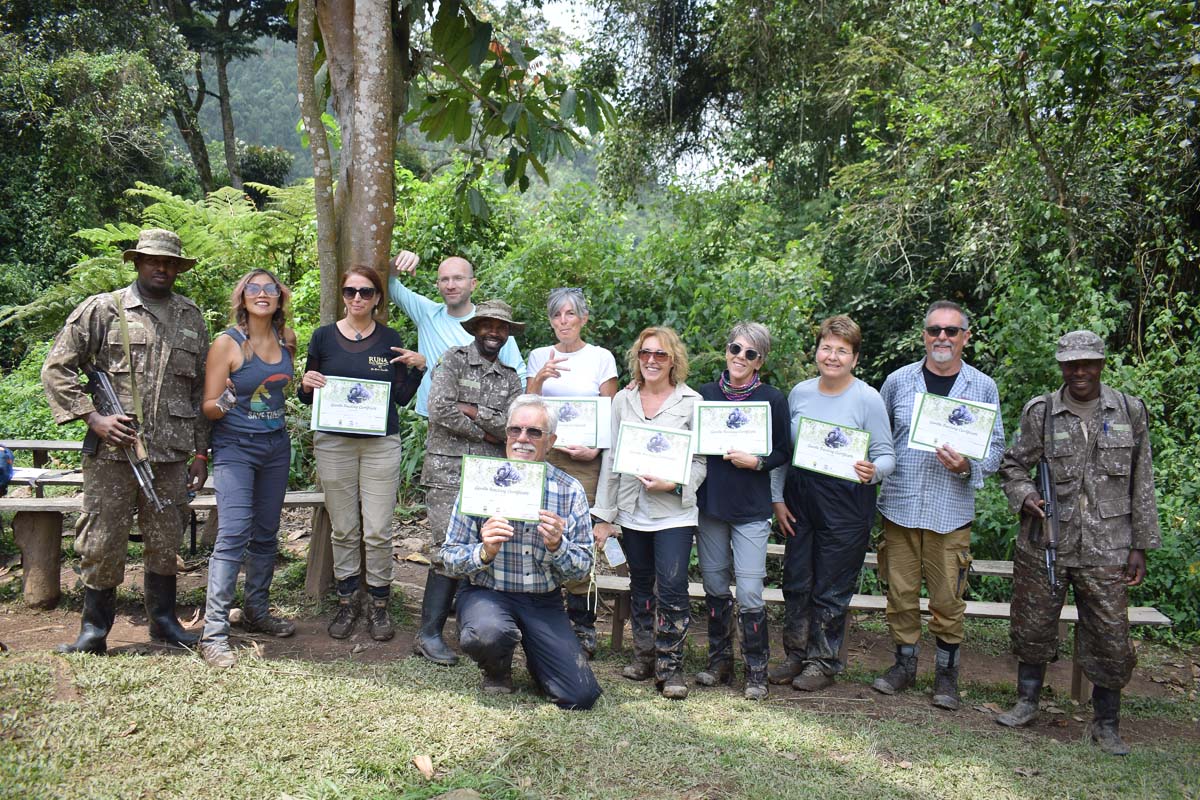
One of the most immediate and impactful ways your safari empowers local communities is through direct employment. Ethical safari operators prioritize hiring from local villages and towns, offering a wide range of jobs from safari guides and trackers to lodge staff, chefs, housekeepers, and administrative personnel. These positions provide stable incomes, allowing individuals to support their families, invest in education, and improve their living standards.
Think about the highly skilled safari guide leading your game drive. They possess generations of knowledge about the bush, tracking animals, and understanding ecosystems. An ethical operator recognizes and rewards this expertise, often investing in further training and development for their local team. This commitment to local employment not only injects money into the local economy but also builds capacity, creates professional pathways, and fosters a sense of ownership and pride within the community for the tourism industry. Your decision for ethical safari tourism directly creates these vital roles.
2. Funding Education and Skill Development Programs
Beyond direct employment, ethical tourism channels resources into educational initiatives crucial for community advancement. Many safari lodges and tour operators partner with local schools, contributing funds for infrastructure, learning materials, and teacher salaries. Your booking can help build new classrooms, provide scholarships for students, or establish vocational training centers that equip young people with marketable skills in hospitality, conservation, and other trades.
Imagine a child in a remote village attending school, powered by funds from your safari. This investment in education breaks cycles of poverty, opening doors to future opportunities that were once unimaginable. It’s not just about textbooks; it’s about empowering the next generation to become leaders, entrepreneurs, and conservationists within their own communities.
3. Supporting Local Businesses and Artisans
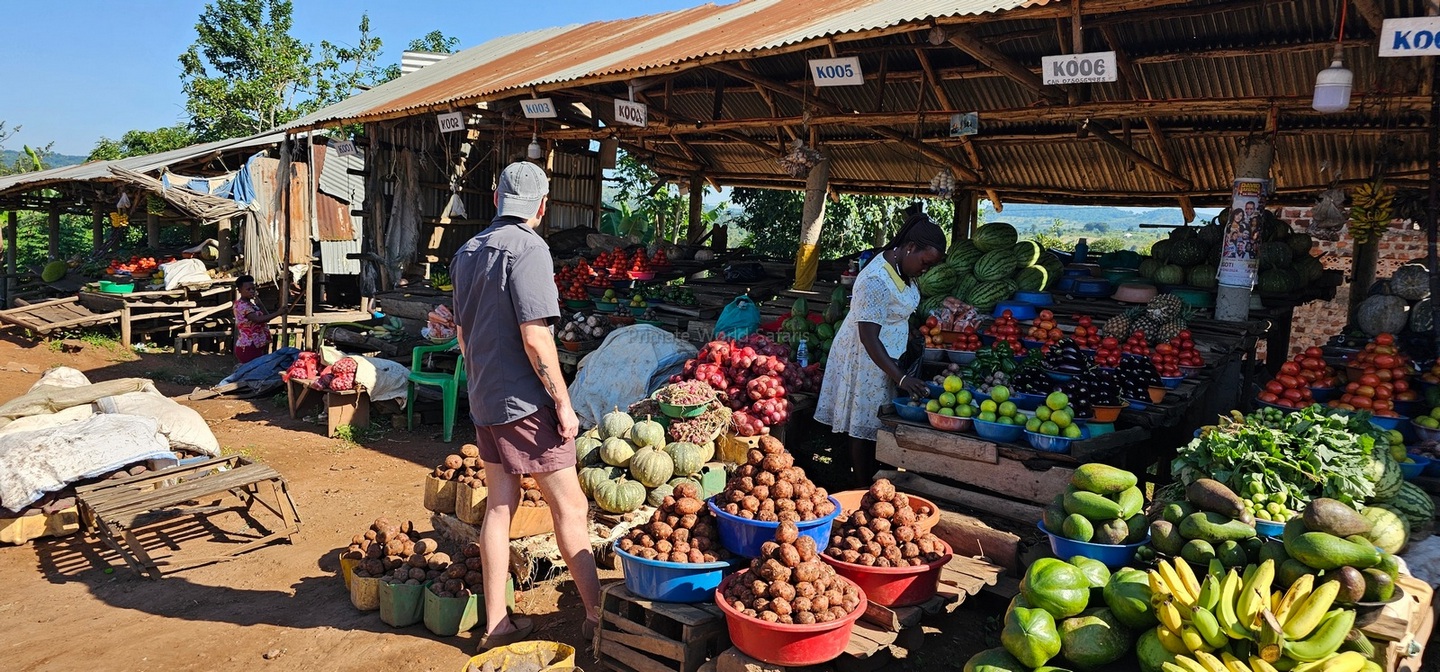
An ethical safari tourism experience extends its economic impact by actively engaging with and supporting local businesses. This means purchasing goods and services from local suppliers, rather than relying solely on imported items. Lodges might source fresh produce from nearby farms, buy handcrafted furniture from local carpenters, or procure amenities from community-owned enterprises.
Furthermore, ethical operators often encourage guests to visit local markets and artisan workshops, providing a direct market for craftspeople. When you buy a hand-carved souvenir or a unique piece of jewelry, your money goes directly to the artist, supporting their craft and cultural heritage. This fosters entrepreneurship, stimulates the local economy, and ensures that the financial benefits of tourism are distributed broadly throughout the community.
4. Investing in Critical Infrastructure and Services
Tourism can act as a catalyst for developing essential community infrastructure that benefits everyone, not just visitors. Through partnerships with local governments and NGOs, ethical safari companies contribute to projects like improving roads, establishing clean water points, installing solar power, or building community health clinics. These are foundational elements for a better quality of life and long-term development.
Consider the challenge of accessing clean drinking water in arid regions. An ethical safari tourism initiative might fund the drilling of a new borewell, significantly improving public health and reducing the daily burden on women and children who often spend hours fetching water. These investments create lasting legacies, far beyond the duration of your trip.
5. Promoting Wildlife Conservation and Land Stewardship
While not always immediately obvious, the link between conservation and community empowerment is profound. Ethical safaris often operate in areas adjacent to or within national parks and conservancies. By creating economic value from wildlife and pristine landscapes, these operators provide a direct incentive for communities to protect their natural heritage. When communities benefit financially from tourism, they become active partners in conservation efforts.
This can involve anti-poaching initiatives, habitat restoration projects, or community-led conservancies where residents manage and benefit from wildlife resources. Your safari dollars contribute to ranger patrols, conservation education programs for local children, and initiatives that mitigate human-wildlife conflict. This symbiotic relationship ensures that future generations can enjoy both thriving ecosystems and prosperous communities.
Table: Impactful Contributions of Ethical Safari Tourism
| Contribution Area | How Your Safari Helps | Direct Community Benefit |
| Local Employment | Hiring guides, lodge staff, support teams | Stable incomes, skill development, and reduced unemployment |
| Education & Skills | Funding schools, scholarships, and vocational training | Improved literacy, future opportunities, and empowered youth |
| Local Procurement | Purchasing goods from local artisans, farmers, and businesses | Stimulates local economy, supports entrepreneurs, preserves culture |
| Infrastructure Development | Investing in water, roads, clinics, and solar power | Better public health, improved access to services, and quality of life |
| Conservation Partnerships | Funding anti-poaching, habitat restoration, and conservancies | Protected wildlife, sustainable land use, and reduced conflict |
Your Adventure with Jackal Adventures Makes a Difference
Choosing an ethical safari tourism experience with operators like Jackal Adventures means your journey becomes more than just a vacation; it transforms into a powerful act of support and solidarity. Jackal Adventures commits to responsible travel, meticulously partnering with lodges and projects that champion local empowerment and environmental stewardship.
When you embark on a safari with Jackal Adventures, you directly contribute to the creation of jobs, the education of children, the growth of local businesses, the development of essential infrastructure, and the vital protection of Africa’s incredible wildlife. Your adventure leaves a positive footprint, fostering a future where communities thrive alongside the magnificent ecosystems they inhabit. Experience the unparalleled beauty of Africa, knowing that your presence truly makes a world of difference.