

A Guide for Eco-Conscious Travelers
For decades, the luxury travel industry prioritized opulence over the environment. However, a new paradigm has emerged in the heart of East Africa. Rwanda has quietly redefined what it means to travel in style by proving that high-end hospitality and radical conservation can coexist. Today, sustainable luxury Rwanda stands as the global gold standard for travelers who refuse to compromise their values for comfort.
From the volcanic peaks of the north to the sprawling savannahs of the east, Rwanda attracts a new generation of “high-value, low-impact” tourists. These travelers seek more than just Egyptian cotton sheets; they want to know that their presence actively regenerates the landscapes they visit. By integrating community empowerment with world-class design, Rwanda has become a blueprint for the future of global tourism.
Sustainable Luxury Rwanda
The High-Value, Low-Impact Model
Rwanda does not aim for mass tourism. Instead, the government intentionally targets a niche market of travelers who are willing to pay a premium to protect the planet. This strategy protects fragile ecosystems from the degradation of over-tourism while generating massive revenue for conservation.
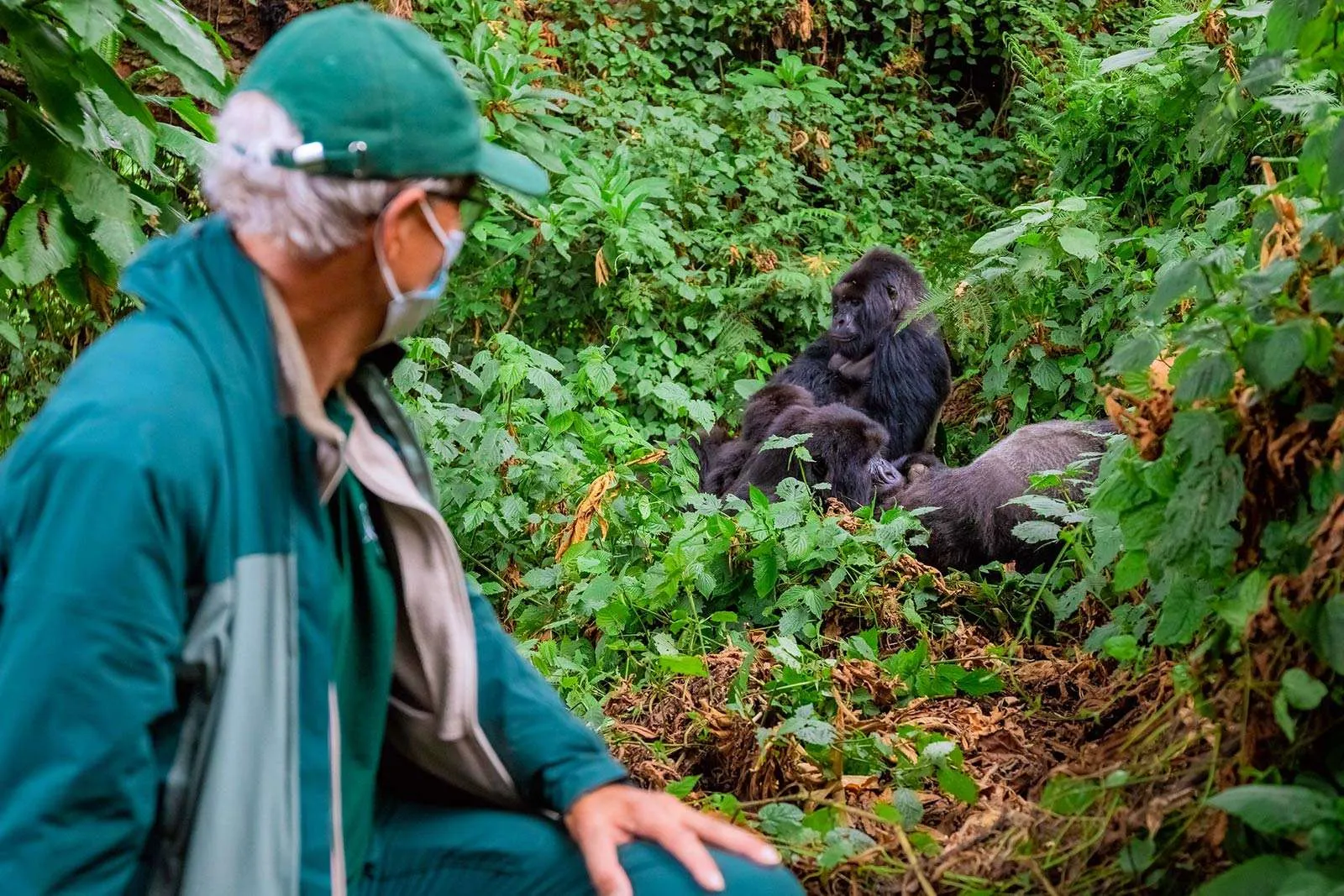
The $1,500 price tag for a single gorilla trekking permit serves a specific purpose. This fee funds the rangers who protect the primates, the doctors who treat them, and the schools that educate the surrounding communities. This “high-value” approach ensures that every visitor becomes a direct financier of Rwanda’s natural heritage. When you choose sustainable luxury in Rwanda, your vacation becomes a powerful tool for environmental restoration.
Architectural Marvels That Breathe With the Land
In Rwanda, luxury lodges do not dominate the landscape; they dissolve into it. Global brands like One&Only, Singita, and Wilderness Safaris have built properties that set new benchmarks for eco-conscious design.
At One&Only Nyungwe House, the villas sit on the edge of an ancient rainforest, elevated on stilts to minimize the footprint on the forest floor. Singita Kwitonda Lodge utilized local volcanic stone and hand-fired bricks, employing hundreds of local artisans during construction. These lodges utilize solar power, sophisticated water recycling systems, and plastic-free operations. They prove that you can enjoy a private plunge pool and a world-class spa treatment while remaining completely off the grid.
Community Empowerment: The Heart of the Experience
True sustainability requires more than just solar panels; it requires human connection. Rwanda understands that local communities are the ultimate guardians of biodiversity. Therefore, the sustainable luxury Rwanda model ensures that the people living near national parks see tangible benefits from tourism.
The government redistributes 10% of all tourism revenue directly into community projects. This funding builds roads, health clinics, and clean water systems. Furthermore, luxury lodges prioritize local employment and sourcing. When you dine at a five-night lodge, the organic vegetables on your plate likely come from a farm less than five miles away. This circular economy turns former poachers into conservationists and subsistence farmers into hospitality leaders.
Biodiversity Restoration as a Luxury Amenity
Travelers often associate luxury with exclusivity. In Rwanda, that exclusivity translates to private encounters with some of the rarest creatures on Earth. Conservation success stories are the ultimate luxury “amenity” here.
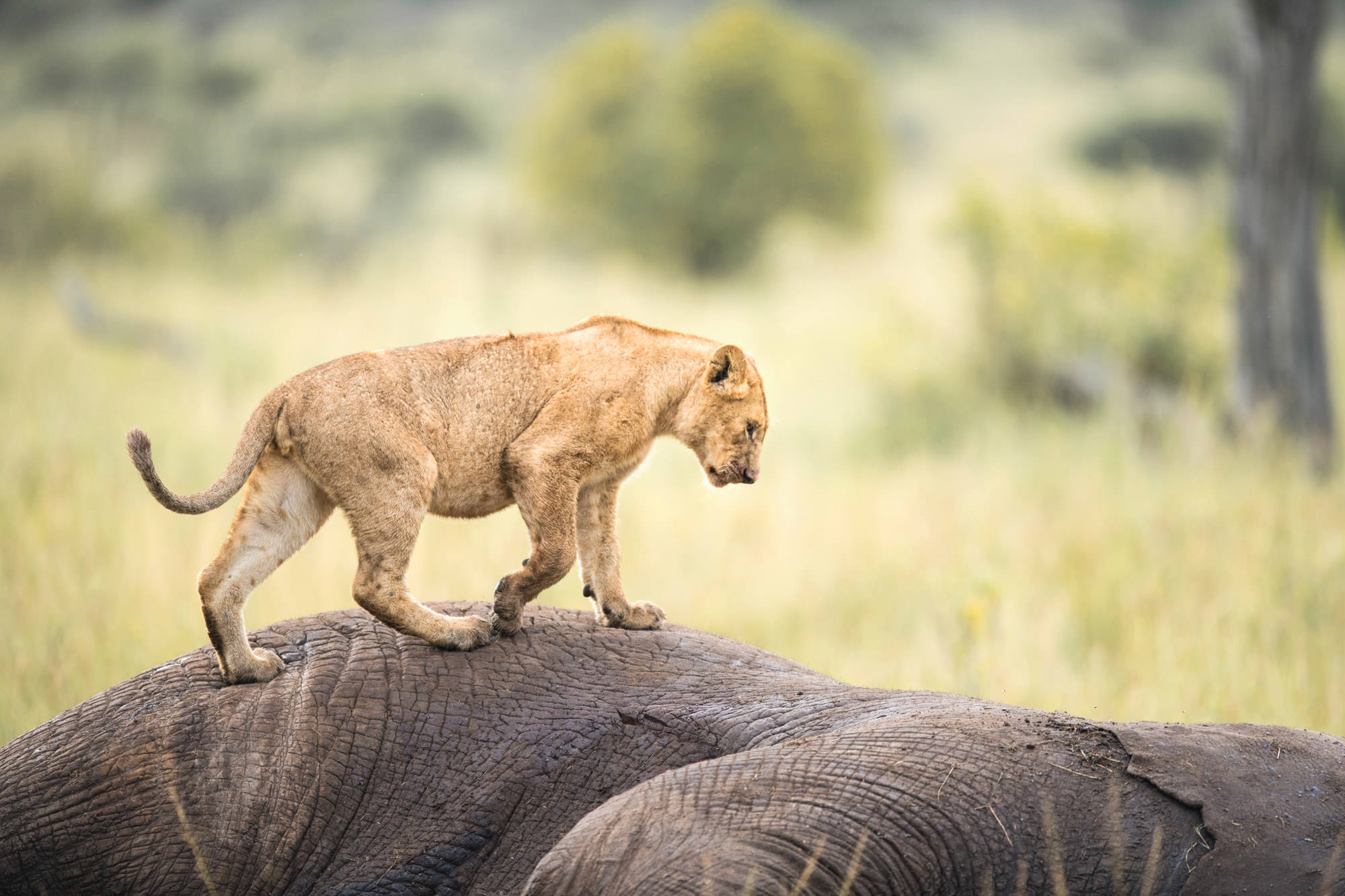
In Akagera National Park, the partnership between the Rwanda Development Board and African Parks has restored a decimated landscape into a thriving “Big Five” destination. By reintroducing lions and black rhinos, Rwanda has created a sanctuary where luxury tented camps offer guests a front-row seat to one of the greatest ecological comebacks in history. This is the essence of sustainable luxury in Rwanda: witnessing the rebirth of a wild world from the comfort of a beautifully designed space.
Sustainable Luxury Rwanda
Comparing the Pillars of Rwandan Eco-Luxury
While traditional high-end travel often prioritizes excess, sustainable luxury in Rwanda focuses on purpose and preservation. The following comparison highlights how Rwanda has flipped the script on the hospitality industry, transforming the guest experience into a direct investment in the planet’s future.
| Feature | Traditional Luxury | Sustainable Luxury (Rwanda) |
| Development | Maximizing room count | Minimizing environmental footprint |
| Sourcing | Imported gourmet goods | Hyper-local “farm-to-table” sourcing |
| Conservation | Passive donations | Direct funding via permit & bed fees |
| Community | Gated, isolated resorts | Integrated community profit-sharing |
| Design | Imported aesthetics | Vernacular architecture & local crafts |
Tips for the Eco-Conscious Traveler
Navigating the world of sustainable luxury in Rwanda requires a mindful approach to how you pack and interact with the environment. Follow these practical tips to ensure your journey supports the nation’s conservation goals while maintaining a high standard of travel.
-
Choose Certified Lodges: Look for high-end properties with recognized sustainability certifications or those that openly publish their annual impact reports. These documents prove the lodge actively invests in carbon reduction and local wildlife protection.
-
Pack Mindfully: Rwanda strictly banned non-biodegradable plastic bags in 2008 to protect its fertile soil and urban drainage. Bring high-quality reusable water bottles and biodegradable toiletries to further reduce your personal environmental footprint.
-
Engage with Culture: Spend a day at a community-led cultural village or visit a local tea cooperative in the hills. This ensures your travel spending reaches diverse sectors of the community and supports traditional Rwandan craftsmanship.
-
Offset Your Flight: While Rwanda handles your ground impact, you should consider carbon-offsetting your international flight to keep your journey truly green. Many airlines offer direct programs that fund reforestation projects specifically within the East African region.
-
Support Local Conservationists: Consider donating to reputable organizations like the Dian Fossey Gorilla Fund or the Akagera Management Company. These groups work tirelessly on the ground to monitor endangered species and prevent illegal poaching activities.
-
Respect Wildlife Boundaries: Always maintain the mandatory distance from primates and other animals during your guided treks and savannah drives. This prevents the transmission of human diseases and reduces the stress placed on these wild populations
Conclusion
Rwanda proves that we do not have to choose between indulgence and integrity. The nation’s commitment to sustainable luxury in Rwanda creates a ripple effect that restores forests, protects endangered species, and uplifts entire villages. As a traveler, you leave with more than just photos; you leave with the knowledge that your journey contributed to a global success story. This is the new gold standard. If you are ready to experience a world where your presence heals the land, let Jackal Adventures guide you into the heart of Rwanda’s green revolution.
