Gorilla Permit Waitlist Secrets
February 19, 2026
The Power of Silent Gorilla Treks
February 20, 2026
Eagles and Vultures of Murchison Falls
Murchison Falls National Park stands as a crown jewel of Uganda’s wilderness, where the mighty Nile forces itself through a narrow rocky cleft. While the thunderous waterfall captures the heart of every visitor, the sky above holds a different kind of power. For birders, this park serves as a premier destination for spotting raptors of the Nile. These birds of prey dominate the thermals rising from the Albertine Rift, creating a spectacular display of aerial mastery. Identifying these hunters requires a sharp eye and an understanding of the diverse habitats found within the park boundaries.
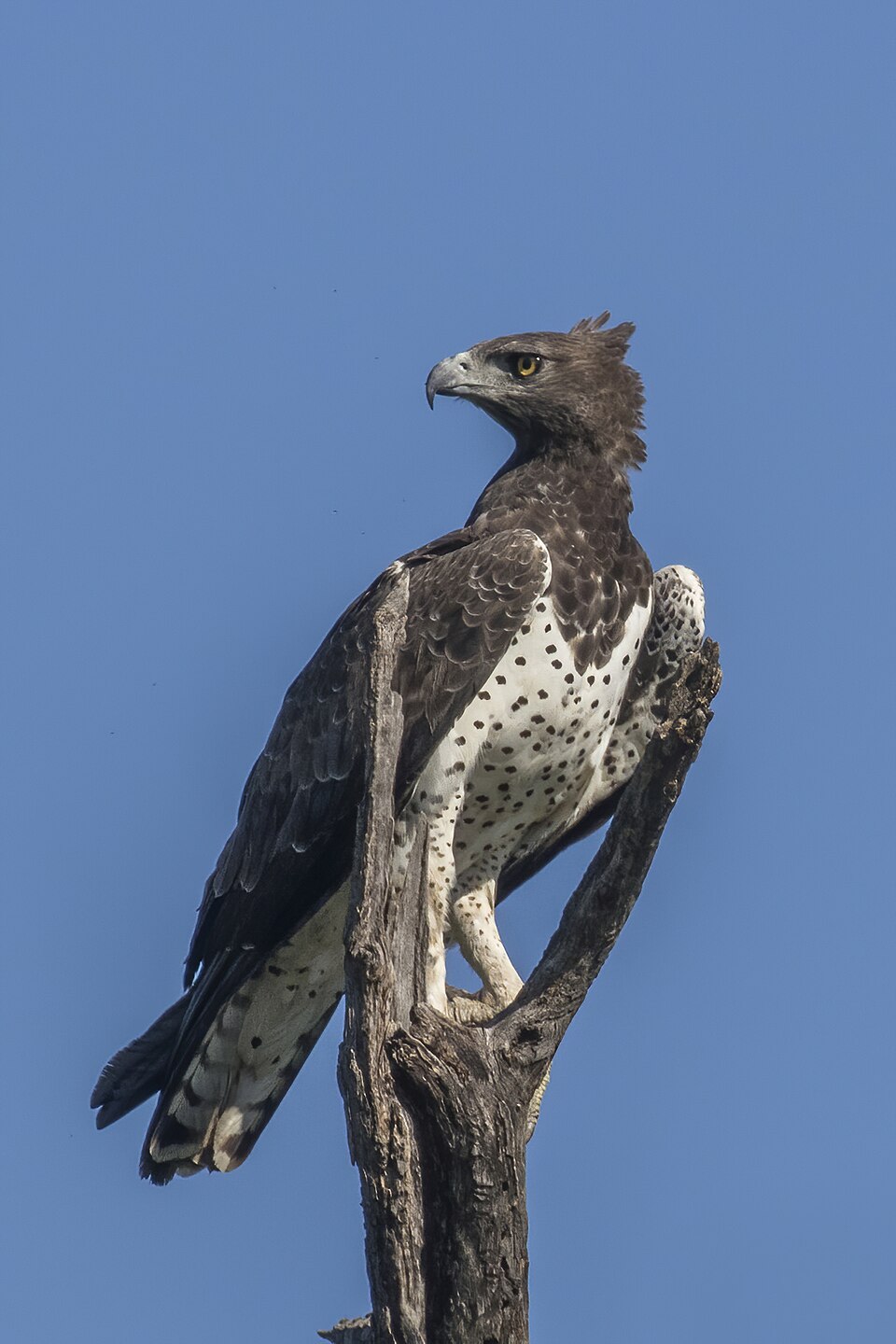
The sheer variety of ecosystems from Borassus palm forests to open savannah and riverine woodlands, supports a high density of predatory birds. Furthermore, the abundance of prey species like Oribi, Uganda Kob, and Nile perch ensures that the food chain remains robust. Whether you are cruising the river or traversing the northern tracks, raptors of the Nile provide a constant thrill. Seeing a Martial Eagle perched on a high branch or a White-backed Vulture spiraling over a lion kill connects you to the raw cycle of life in the African bush.
Raptors of the Nile
The Lords of the Sky: Identifying Key Eagles
Eagles are the undisputed kings of the Nile’s airspace. In Murchison Falls, the most iconic species is undoubtedly the African Fish Eagle. Its haunting, evocative call defines the soundscape of the river. However, the park also hosts much larger and more elusive eagles that require patience to find. The Martial Eagle, Africa’s largest eagle, often hunts in the more open areas of the northern bank. Its white underparts with dark spots and its sheer size make it unmistakable once you spot it through binoculars.
Another fascinating species is the Bateleur. This eagle features a unique, short-tailed silhouette and a rocking flight pattern that mimics a tightrope walker. Consequently, its name comes from the French word for “street performer.” If you look closer at the riverine forests, you might also find the African Harrier-Hawk. This bird possesses incredibly flexible legs, allowing it to reach deep into tree cavities for prey. Every one of these raptors of the Nile has adapted perfectly to its specific niche.
The Cleanup Crew: Vultures of Murchison Falls
Vultures often receive an unfair reputation, yet they perform a vital service for the ecosystem. They act as nature’s most efficient cleanup crew, preventing the spread of disease by consuming carcasses. In Murchison Falls, you can often witness “vulture restaurants” where multiple species congregate at a single site. This social feeding behavior allows for excellent identification opportunities.
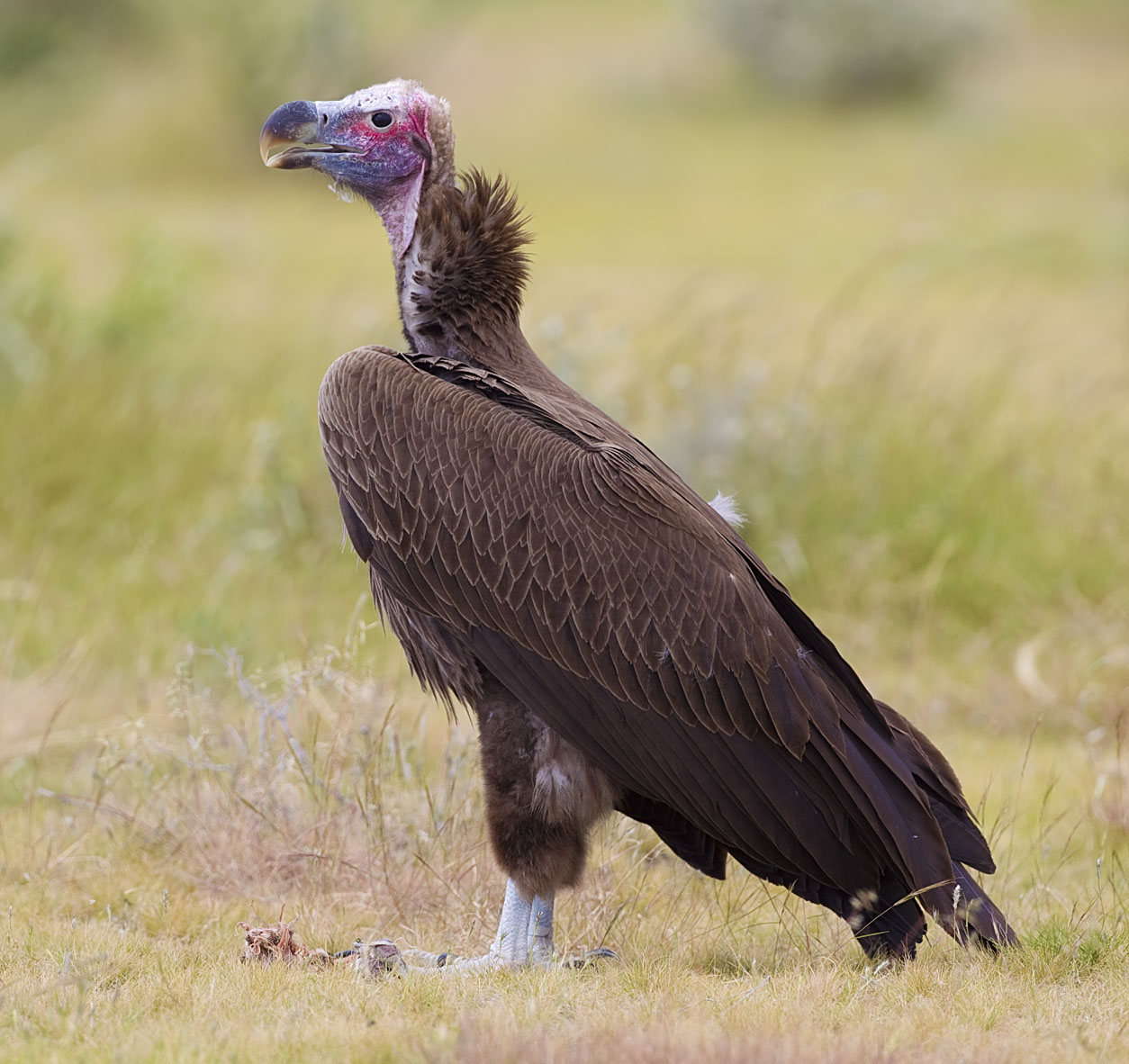
You will notice a distinct hierarchy at these gatherings. For example, the massive Lappet-faced Vulture usually dominates the scene, using its powerful beak to tear through tough hide. Meanwhile, the smaller Hooded Vulture waits on the periphery for scraps. Observing these interactions provides a deep insight into the complex social structures of these birds. The presence of healthy vulture populations indicates a thriving environment where the raptors of the Nile can coexist and flourish.
Quick Identification Guide
To help you distinguish between these magnificent birds during your safari, refer to the table below. This guide covers the most common species you will encounter on a Jackal Adventures expedition.
| Raptor Species | Wingspan | Key ID Feature | Preferred Habitat |
| African Fish Eagle | ~2.0 Meters | White head and chest, chestnut body | River banks & Lakeshore |
| Martial Eagle | ~2.6 Meters | Dark brown upperparts, spotted white belly | Open savannah |
| Bateleur | ~1.8 Meters | Red face and legs, almost no tail | Wooded grasslands |
| Lappet-faced Vulture | ~2.8 Meters | Massive size, pink fleshy skin on the head | Dry savannah |
| Palm-nut Vulture | ~1.5 Meters | Black and white plumage, red eye patch | Near Borassus palms |
| Brown Snake Eagle | ~1.6 Meters | Deep brown color, large yellow eyes | Woodland edges |
The Dynamics of Riverine Birding
When you embark on a boat safari toward the base of the falls, you enter a specialized birding theater. The river serves as a linear oasis for many raptors of the Nile. You will frequently see the Osprey, a palearctic migrant, hovering over the water before plunging feet-first to snatch a fish. Unlike the resident Fish Eagle, the Osprey is more slender and possesses a distinct dark eye stripe.
Furthermore, the vertical cliffs near the falls provide nesting sites for some of the park’s more reclusive residents. The Rock Pratincole, though not a raptor, often shares these spaces, but the real prize is spotting a Verreaux’s Eagle-Owl roosting in a shady rock crevice during the day. This massive owl is a top predator in its own right. It preys on monkeys and birds, filling the nocturnal raptor niche while the eagles rest.
The Savannah Giants and Thermal Hunters
Transitioning from the river to the northern savannah tracks changes the species composition significantly. Here, the heat from the sun creates powerful thermals that spiral upward. Raptors use these “elevators” to gain thousands of feet in altitude with zero effort. From your Jackal Adventures safari vehicle, you can look straight up into the “kettles” of soaring birds.
You might see the Tawny Eagle, a versatile predator that often scavenges from other birds. It is a master of kleptoparasitism, frequently harassing smaller eagles until they drop their catch. Additionally, the Wahlberg’s Eagle is a common sight during the summer months. Despite being smaller than the Martial Eagle, its “square” tail silhouette in flight makes it a favorite for birders to identify. These interactions represent the high-stakes drama of the African sky.
Photography and Ethics on Safari
Capturing the perfect shot of a raptor requires more than just a long lens. It requires an understanding of bird behavior and a commitment to ethics. At Jackal Adventures, we train our guides to position vehicles without flushing the birds. If a vulture is feeding or an eagle is protecting its nest, we maintain a distance that allows the bird to feel secure.
For the best results, use a fast shutter speed (at least 1/2000 of a second) to freeze the motion of wings. The morning light in Murchison Falls is particularly soft and golden, which highlights the intricate feather patterns of the vultures. Indeed, a photograph of a Rüppell’s Vulture soaring against the backdrop of the Blue Mountains is a trophy any photographer would cherish.
Conservation and the Future of the Nile
The health of these raptor populations tells us everything we need to know about the environment. If the vultures are thriving, it means the predator-prey balance on the ground is healthy. However, these birds face modern threats. Encroachment, power lines, and illegal poisoning remain significant concerns. Murchison Falls National Park acts as a vital fortress for these species.
By participating in a birding safari, you provide the economic justification for the park’s continued protection. Your tourism dollars fund the rangers who prevent poaching and the researchers who track migration patterns. Every time we identify a bird together, we reinforce the value of a wild, intact Nile ecosystem.
Why Choose Jackal Adventures?
Birding is a game of details. While a standard tour guide might point out an “eagle,” a Jackal Adventures specialist will tell you the age, sex, and migratory history of that specific bird. We outfit our vehicles with beanbags for camera stability and provide high-end field guides for your reference. We understand that your time in the bush is precious. We strive to make every minute count by finding the rare and the beautiful.
Conclusion
At Jackal Adventures, we bring the sky within your reach. Our specialist guides identify every silhouette and explain the fascinating biology of the vultures and eagles. We provide the high-end optics and the custom-outfitted vehicles you need for the perfect sighting. We don’t just lead safaris; we create deep connections between our guests and the African wilderness. Choose Jackal Adventures to witness the majestic raptors of the Nile in their natural glory. Book your birding adventure today and experience the Nile from a new perspective.