

Why Hiring a Porter is the Most Effective Form of 2026 Direct Impact Conservation
In the lush, vertical landscapes of Bwindi Impenetrable National Park and Mgahinga Gorilla National Park, conservation involves much more than wildlife biology or anti-poaching patrols. It centers on the delicate economic ecosystem existing between local communities and endangered mountain gorillas. At Jackal Adventures, we believe the most powerful tool for conservation in 2026 is not found in a laboratory or a boardroom. Instead, it rests in the hands of a local porter helping a traveler navigate a slippery ridge.
Hiring a porter often appears as a luxury or a physical aid for the trekker. While it certainly makes the eight-hour hike through dense vines manageable, its true value lies in social responsibility. When you hire a porter, you participate in a direct-impact conservation model that protects the forest by empowering the individuals who live nearby.
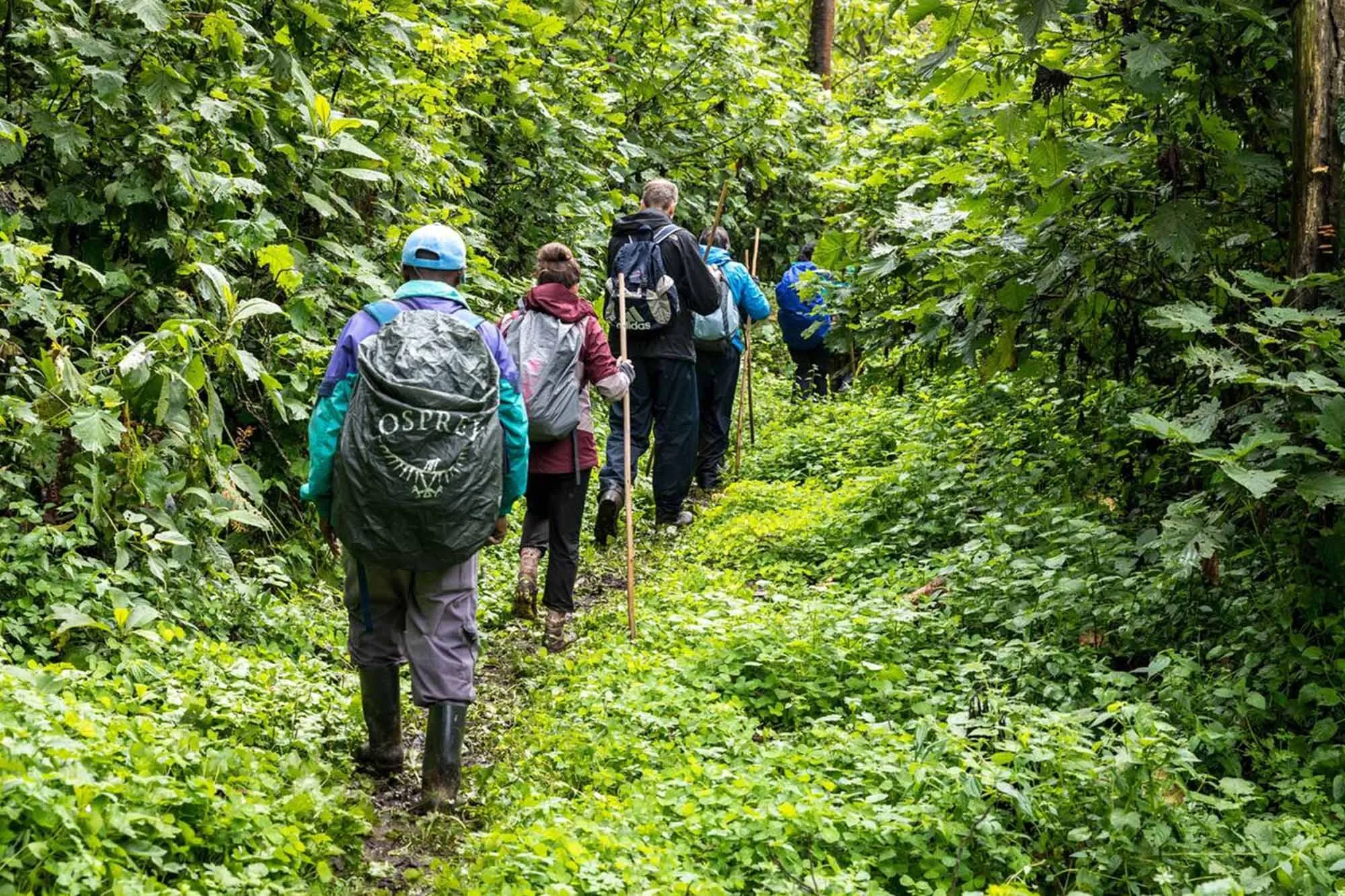
Porter Social Responsibility
The Economic Shield
The communities surrounding the gorilla parks primarily rely on agriculture. Historically, when crops fail or poverty peaks, the forest becomes a resource for survival. This desperation leads to illegal wood harvesting, the setting of snares for small game, and encroachment on gorilla territory.
By hiring a porter, you provide a high-value alternative to forest exploitation. A single day of portering earns a resident more than a week of subsistence farming. At Jackal Adventures, we emphasize that this income turns the community into the fiercest guardians of the park. When the forest provides a stable, dignified income through tourism, the local population gains a massive incentive to protect every tree and every gorilla. This economic shield prevents the necessity of poaching before it even begins.
Direct Impact vs Indirect Aid
Many travelers wonder why they should pay an extra fee for a porter when they already paid for an expensive permit. The answer lies in the velocity of the money. While permit fees fund the Uganda Wildlife Authority and large-scale infrastructure, those funds often take months to trickle down into the village economy through government programs.
Porter fees represent a direct transaction. The cash goes straight from the traveler to the porter at the end of the day. This immediate liquidity allows for the payment of urgent school fees, the purchase of livestock, and the funding of small village businesses. In 2026, direct-impact tourism stands as the gold standard for ethical travel because it bypasses bureaucracy and places resources exactly where the community needs them most.
The Anatomy of the Porter-Trekker Relationship
| Benefit Category | Impact on the Trekker | Impact on the Community | Impact on Conservation |
| Physical Support | Reduced fatigue and injury risk on 45-degree slopes. | Dignified labor with immediate, direct payment. | Reduces the need for forest-clearing for easier trails. |
| Cultural Exchange | First-hand stories about life in the Kigezi highlands. | Exposure to global perspectives and networking. | Humanizes the conservation effort for local youth. |
| Economic Flow | Hands-on participation in ethical travel models. | Capital for school fees and medical expenses. | Prevents poaching by providing sustainable income. |
| Safety & Security | Extra set of eyes and hands in the thick jungle. | Professional training and skills development. | Porters act as informal monitors for illegal activity. |
Why Jackal Adventures Prioritizes Porter Integration
At Jackal Adventures, we do not view porters as an optional add-on. We view them as essential partners in our mission. We work closely with the local Porter Associations to ensure that opportunities remain distributed fairly among all individuals in the community, regardless of gender. Our commitment to corporate social responsibility includes:
- Fair Rotation Systems: We support the official rotation system so that as many families as possible benefit from the tourism revenue.
- Equipment Advocacy: We encourage our guests to donate used hiking gear, boots, and rain jackets to the porter pool, ensuring people can work comfortably in the harsh rainforest climate.
- The Dignity Protocol: We treat every porter as a professional member of the Jackal Adventures field team. This respect translates into a better experience for the guest and a stronger sense of pride for the local worker.
Inclusive Employment
In 2026, we have seen a significant rise in people of all genders joining the portering ranks in the Bwindi and Mgahinga regions. This shift represents a game-changer for conservation. Statistics show that when local individuals earn a fair wage, they invest a vast majority of their earnings back into their families, specifically into nutrition, healthcare, and education.
When a porter earns a wage, the entire village moves forward. Children stay in school longer, and the pressure to hunt for bushmeat or harvest charcoal decreases. Supporting an inclusive workforce remains one of the most effective ways to break the generational cycle of poverty that often threatens the boundaries of the national parks.
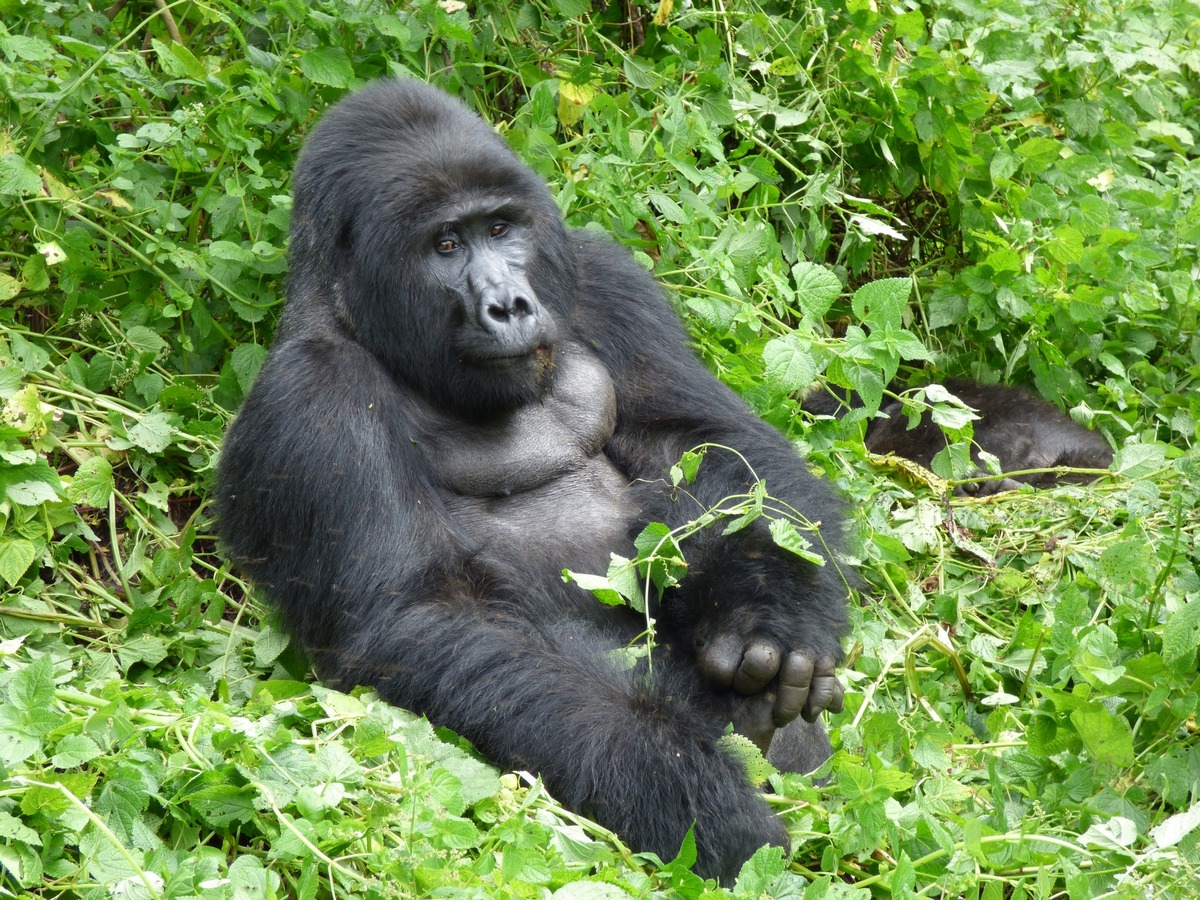
Porter Social Responsibility
The Psychological Shift
Many of the older porters and rangers in the park were once involved in illegal activities within the forest decades ago. The transition from poacher to protector relies entirely on the economic stability provided by porters and trackers. When a former poacher sees that a live gorilla generates thousands of dollars in long-term community tourism revenue, the incentive to hunt disappears.
This psychological shift forms the backbone of modern conservation. We cannot expect people to protect wildlife at the expense of their own children’s hunger. By hiring a porter, you provide the feast that makes the snare unnecessary. You transform the forest from a place of forbidden resources into a shared treasure that sustains the entire region.
The Ripple Effect on Local Education
The impact of your porter fee extends far beyond a single day. In 2026, many of the young rangers and conservationists working in the park are the children of former porters. The income generated by travelers decades ago paid for the university degrees of the current park leadership.
When you hire a porter, you contribute to this long-term legacy. You ensure that the next generation of Ugandans has the educational foundation to lead the conservation movement. This is why we categorize portering as direct-impact conservation; it funds the human intellect required to keep the gorillas safe for another century.
Final Thoughts
When you prepare for your trek, you might think you are fit enough to carry your own backpack. You probably are. However, in Bwindi, carrying your own bag represents a missed opportunity for conservation. For the price of a few meals back home, you change the trajectory of a family’s month and reinforce the value of an endangered species’ habitat.
At Jackal Adventures, we ask our guests to view the porter fee not as a service charge, but as a conservation contribution. It is the most direct, transparent, and effective way to ensure that the mountain gorillas and the people who live alongside them thrive for another generation.
