Uganda or Rwanda for gorilla trekking in 2026?
February 10, 2026
Safety in East Africa: A 2026 update for Solo female travelers
February 11, 2026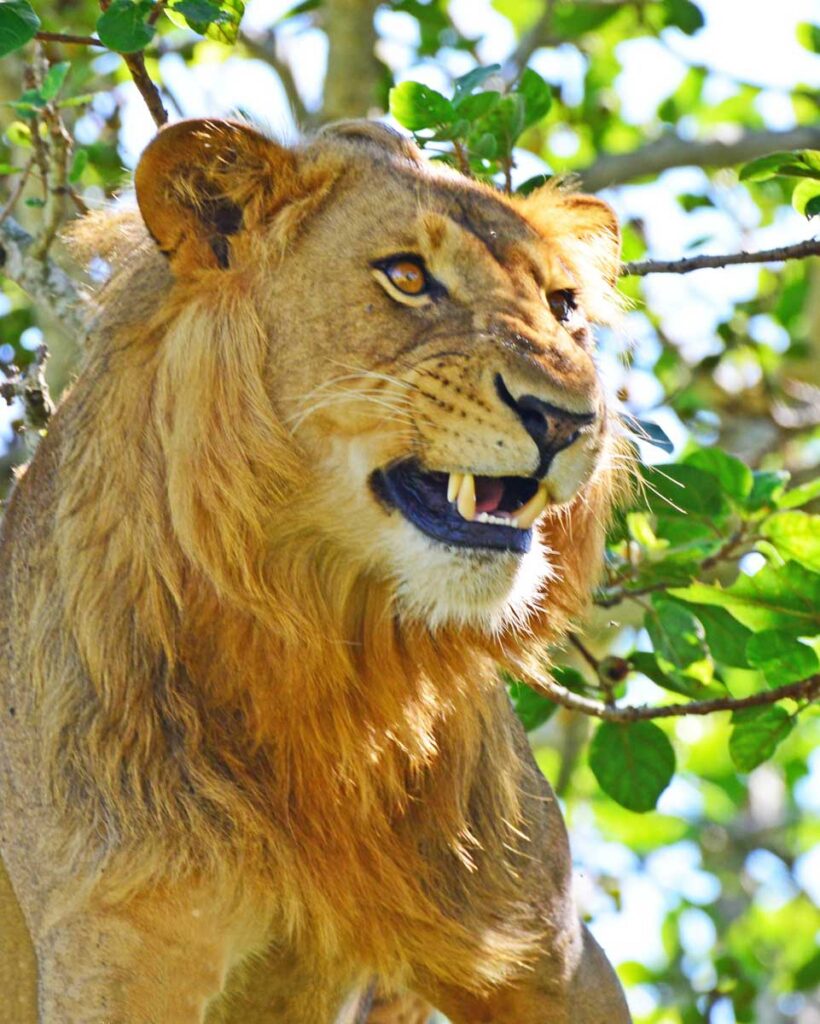
Lion Collaring in Queen Elizabeth National Park
Imagine waking up to the distant, guttural roar of a lion echoing across the Queen Elizabeth National Park. Today, you aren’t just a spectator behind a camera lens. You are a field researcher. Your mission? To help save the “Kings of the Savanna” through the high stakes process of satellite collaring. This isn’t your standard game drive. It is a rare, hands on opportunity to go behind the scenes of African conservation, working alongside veterinarians and rangers to protect Uganda’s most iconic predators.
The Dawn Briefing: Coffee and Conservation
The adventure begins in the pre dawn chill. As the mist clings to the craters of QENP, you meet your team: elite wildlife vets and wardens. The atmosphere is a unique blend of adrenaline and professional focus. Why collar a lion? It isn’t for show. In a landscape where human settlements border wildlife corridors, knowing where a lion is at any given moment is the difference between life and death. These collars provide data that helps mitigate human-wildlife conflict and tracks the health of the pride.
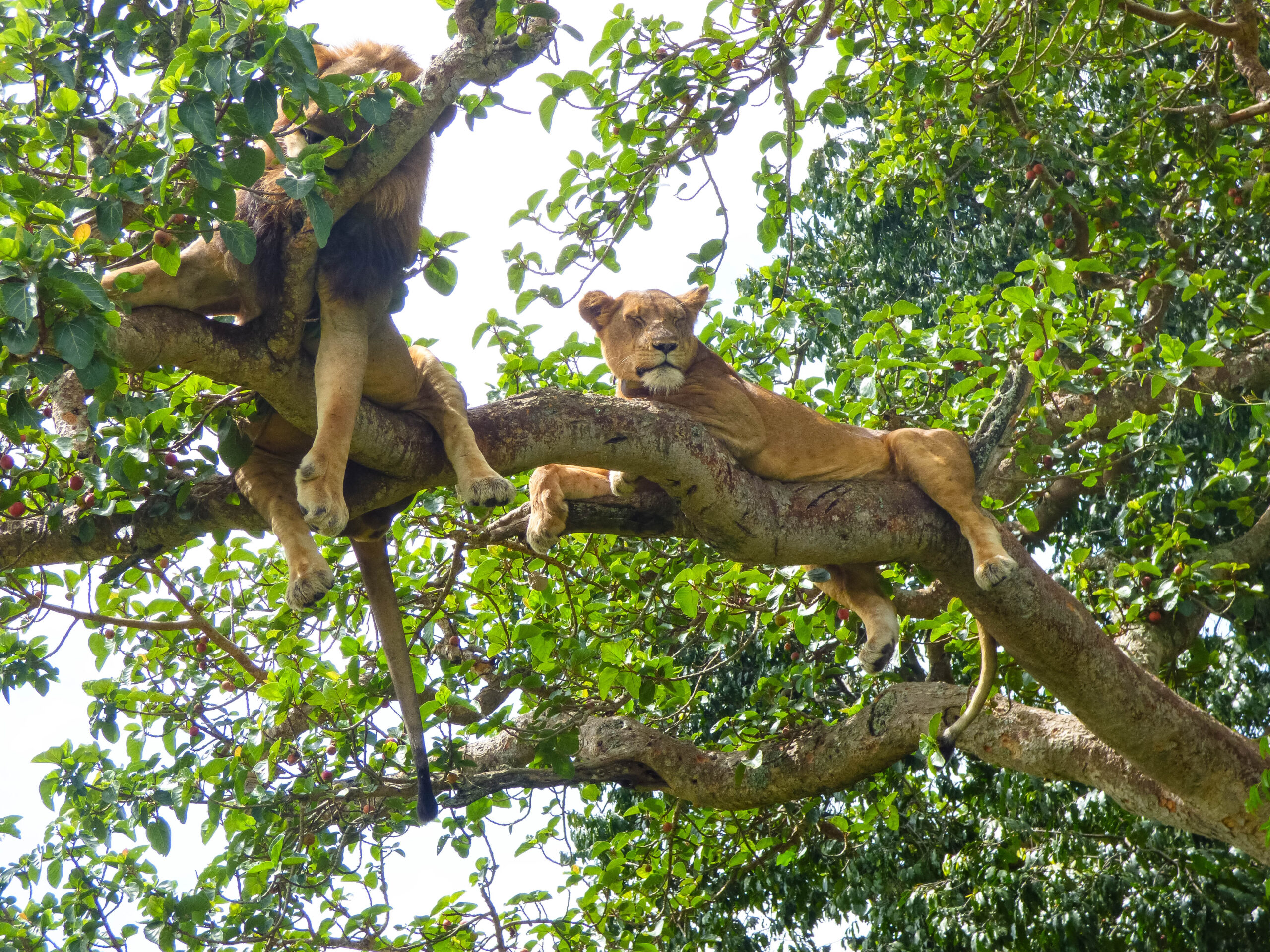
Queen Elizabeth National Park
The Search: Tracking the Pride
The “hunt” begins not with a weapon, but with a telemetry receiver. You’ll ride in specialized 4x4s, scanning the horizon for the flick of a tail or the glint of an eye. The rangers use a mix of traditional tracking reading paw prints (spoor) in the dust and modern technology to locate the target pride. The tension in the vehicle is palpable. When the target lion is finally spotted, the team moves with surgical silence. You watch, breath held, as the vet prepares the dart. With a soft phut, the dart finds its mark.
Hands-On Science
Once the lion is safely sedated, the “work” begins. This is the moment you’ve dreamed of. Under strict supervision, you’ll step out of the vehicle and onto the savanna floor. As a researcher for the day, you might assist with: Monitoring the lion’s breathing and temperature, Measuring paws, teeth, and body length, Helping the vet take blood samples for genetic mapping, Watching the GPS collar being secured snug but comfortable.
The Researcher’s Toolkit
| Task | Scientific Purpose | Impact on Conservation |
| GPS Tracking | Mapping movement corridors | Prevents lions from wandering into livestock areas. |
| Biopsy/Blood Work | Disease screening | Identifies risks like Feline Immunodeficiency Virus (FIV). |
| Morphometrics | Tracking physical growth | Assesses the nutritional health of the ecosystem. |
| Territory Mapping | Defining home ranges | Helps the Uganda Wildlife Authority (UWA) plan park boundaries. |
Why Book This Experience?
This isn’t just about a “cool photo.” By participating, your conservation fees directly fund the equipment and medical supplies needed to keep these research programs running. You are literally fueling the survival of the species. Ready to swap your tourist hat for a researcher’s cap? Jackal Adventures specializes in these deep-dive conservation experiences. We don’t just show you the animals; we connect you to the people and the science keeping them alive. From logistics in Queen Elizabeth National Park to securing your spot on a research team, we handle the details so you can focus on the data.