

Choosing Impact Over Luxury
A fundamental shift is modernizing the African safari. For decades, the industry defined the ultimate wilderness experience through opulent lodges, fine dining in the bush, and exclusive, high-threat luxury. This “white-glove” model catered primarily to older, affluent travelers. Today, however, a new demographic is rewriting the rules. Millennials and Generation Z (Gen-Z) are arriving in East Africa in significant numbers, and they possess an entirely different set of priorities. This next generation of global adventurers is consciously choosing impact over luxury, fundamentally altering the landscape of conservation and community engagement in the process.
This shift is not a rejection of comfort, but rather a redefining of value. For these travelers, true luxury isn’t a high thread-count sheet; it’s the opportunity to participate in a sustainable initiative that leaves a positive, measurable trace. They are moving away from traditional “check-box” tourism and toward immersive, responsible travel experiences. To understand this profound transformation, one must explore the core values, logistical preferences, and ultimate goals driving this next generation.
Redefining Value: The “Impact” Core
For Millennials and Gen-Z, a successful safari is measured not just by the quality of wildlife sightings, but by the tangible benefit their visit provides to the ecosystem and local communities. They integrate their values into their travel spending. When choosing a safari operator, they scrutinize sustainability credentials, ethical practices, and community partnerships before considering the amenities of the lodge. They seek authenticity above all else and reject experience that feels sanitized or purely performative.
This manifests as a deep-seated desire for “Regenerative Travel.” These travelers want to leave a destination better than they found it. Instead of merely minimizing their negative impact, they seek operators like Jackal Wild Adventure that directly funnel tourism revenue into reforestation projects, anti-poaching units, or local education funds. They are willing to pay a premium, but only if they can see the direct result of that premium in action. This conscious choosing impacts over a luxury approach, making them powerful catalysts for positive change within the tourism sector.
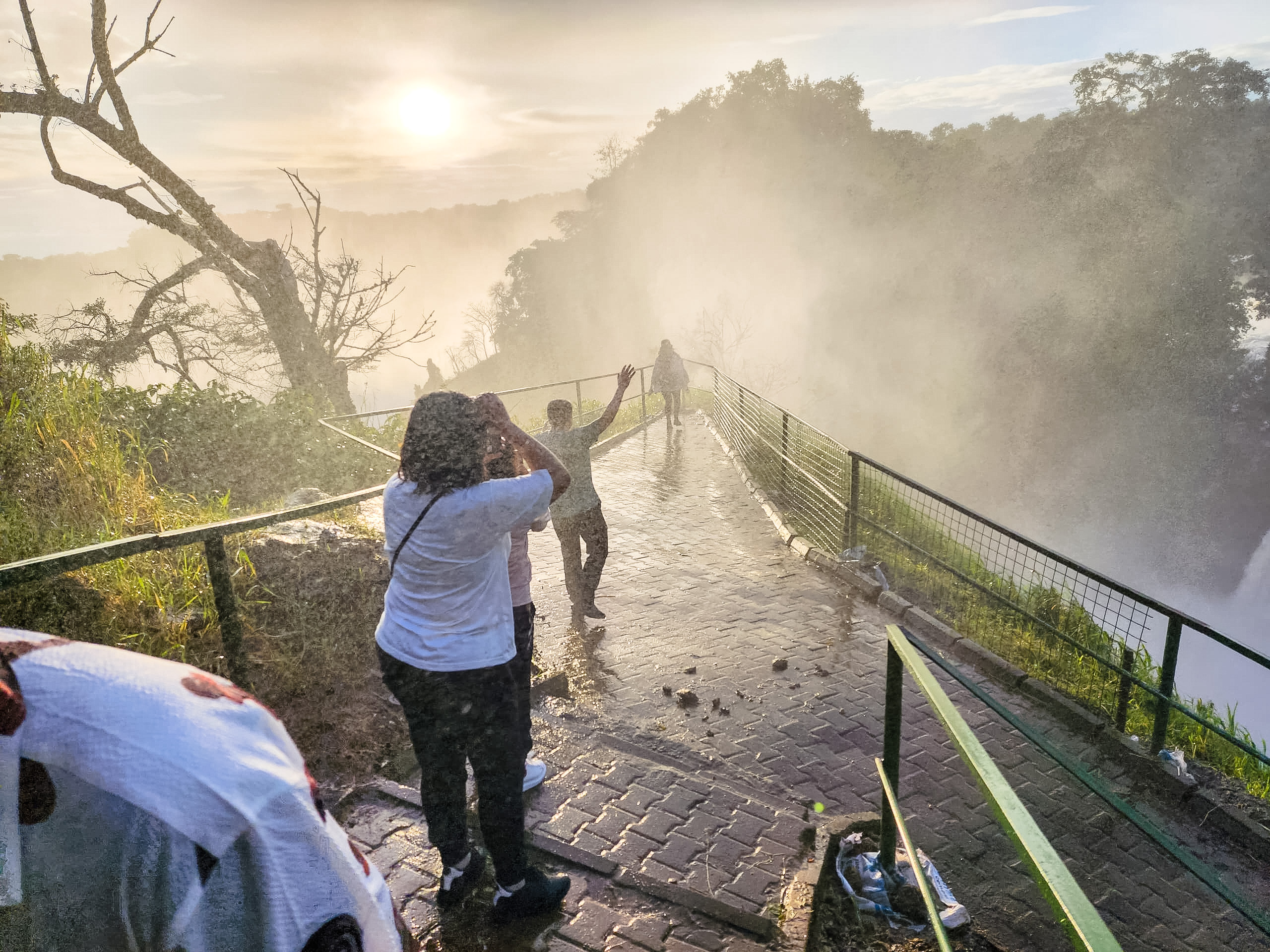
choosing impact over luxury
From Spectator to Participant: Immersive Conservation
The next generation of travelers is rejecting the role of passive spectator. They are not content to simply watch the “Big Five” from the safety of a Land Cruiser. They crave hands-on involvement and a deeper understanding of the complex challenges facing African wildlife. The modern “impact safari” therefore offers active participation. This might include joining a local ranger team on a de-snaring patrol, assisting with a tree-planting initiative, or participating in a data-collection drive for a local wildlife research project.
This desire for immersion extends to their chosen accommodation. Millennials and Gen-Z are increasingly preferring mobile camping expeditions or eco-lodges that boast robust off-grid systems. They see value in a “Silent Safari,” utilizing electric 4×4 vehicles that minimize both noise and air pollution, leading to more intimate wildlife encounters. By prioritizing sustainability and active engagement, they are consistently choosing impact over luxury, trading material excess for experiential depth.
Community is Conservation: Beyond the Wildlife
Perhaps the most significant difference between generations is the emphasis placed on community engagement. Millennials and Gen-Z deeply understand that wildlife conservation cannot succeed in isolation. Effective, long-term conservation requires the active participation and support of the communities living alongside these ecosystems. Consequently, they seek operators that demonstrate a genuine commitment to local empowerment.
This means moving beyond traditional “cultural village” visits, which can sometimes feel exploitative. Instead, impact-focused safaris facilitate meaningful, reciprocal interactions. Travelers might spend a day learning traditional crafts, participating in a farm-to-table cooking experience, or supporting a community-owned enterprise. By ensuring their tourism dollars support local livelihoods, educational opportunities, and healthcare initiatives, these younger travelers ensure that conservation has a solid foundation in human well-being. This profound commitment to holistic community development is another clear example of choosing impact over luxury.
Technology and Authenticity: The Connected Safari
Technology plays a unique role for this “always-on” generation. While they value the “Digital Detox” that the African wild provides, they also utilize technology to share their impact-driven journeys. They leverage their social media platforms to raise awareness about conservation issues and highlight the ethical operators they support. This “influencer effect” creates a virtuous cycle, inspiring their peers to seek similar values-aligned travel experiences.
They demand authenticity in everything, including their digital interactions. They spot greenwashing from a mile away. To capture this market, operators must provide transparent, data-driven reporting on their sustainability efforts. Millennials and Gen-Z are more likely to support an operator that is honest about its challenges and outlines a clear improvement plan, rather than one that presents a perfect, but ultimately superficial, “eco” image. In this space, authenticity is the new luxury.
The Logistics of Impact: Practical Tips for the Young Adventurer
For those ready to embrace the “Impact Safari” model, several practical tips ensure a meaningful and responsible journey:
-
Rigorous Operator Research: Don’t just look at the pictures of the lodge. Dig deep into an operator’s sustainability report, community partnerships, and conservation initiatives. Look for third-party certifications and verified reviews.
-
Focus on Specific Causes: Instead of a general safari, consider a trip focused on a specific interest, such as primate conservation in Uganda or anti-poaching efforts in Kenya. This guarantees a deeper dive into a cause you care about.
-
Opt for Longer, Deeper Stays: Instead of rushing between multiple parks, choose fewer locations and stay longer. This minimizes your carbon footprint and allows for deeper immersion with the local community and ecosystem.
-
Engage with Local Culture Ethically: Seek operators that facilitate genuine, mutually beneficial cultural exchanges. Avoid experiences that feel transactional or disrespectful.
-
Use Your Platform for Good: Share your journey responsibly. Highlight the conservation challenges, the success stories, and the ethical practices of the operators you supported.
Conclusion
The era of passive, purely consumption-based luxury tourism is evolving. As Millennials and Gen-Z become the dominant force in global travel, the safari industry is experiencing a necessary and positive transformation. By consciously choosing impact over luxury, this next generation is demanding more from their travel experiences and from the operators they support.
At Jackal Wild Adventure, we don’t just recognize this shift; we celebrate it. We understand that your desire for authenticity, conservation impact, and community engagement is the true heart of a modern African adventure. Our safaris are designed to be immersive, responsible, and regenerative. We pair you with expert local guides who offer deep ecological and cultural insights, connect you with grassroots conservation projects, and ensure that your visit directly empowers the communities you meet. Join us, and discover why placing impact at the center of your safari is not just the most ethical choice, but also the most unforgettable.
