

Uganda Safari in March: Why It’s the Secret Season for Savvy Travelers
February 5, 2026
Is Kidepo Valley National Park Worth the Flight?
February 5, 2026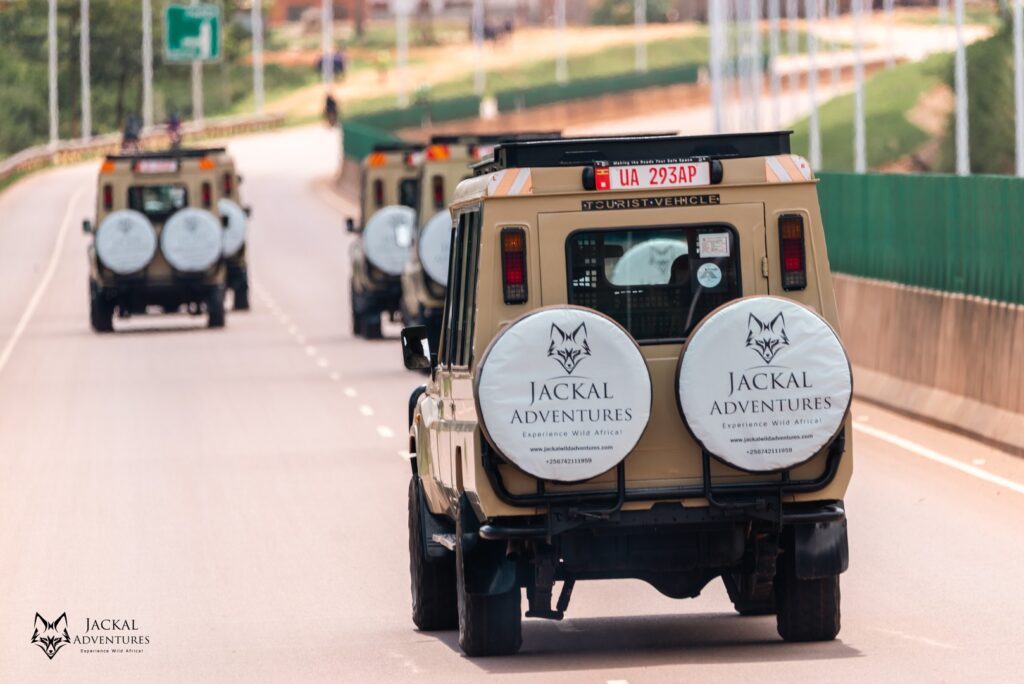
Land Cruiser vs Van Off-Road
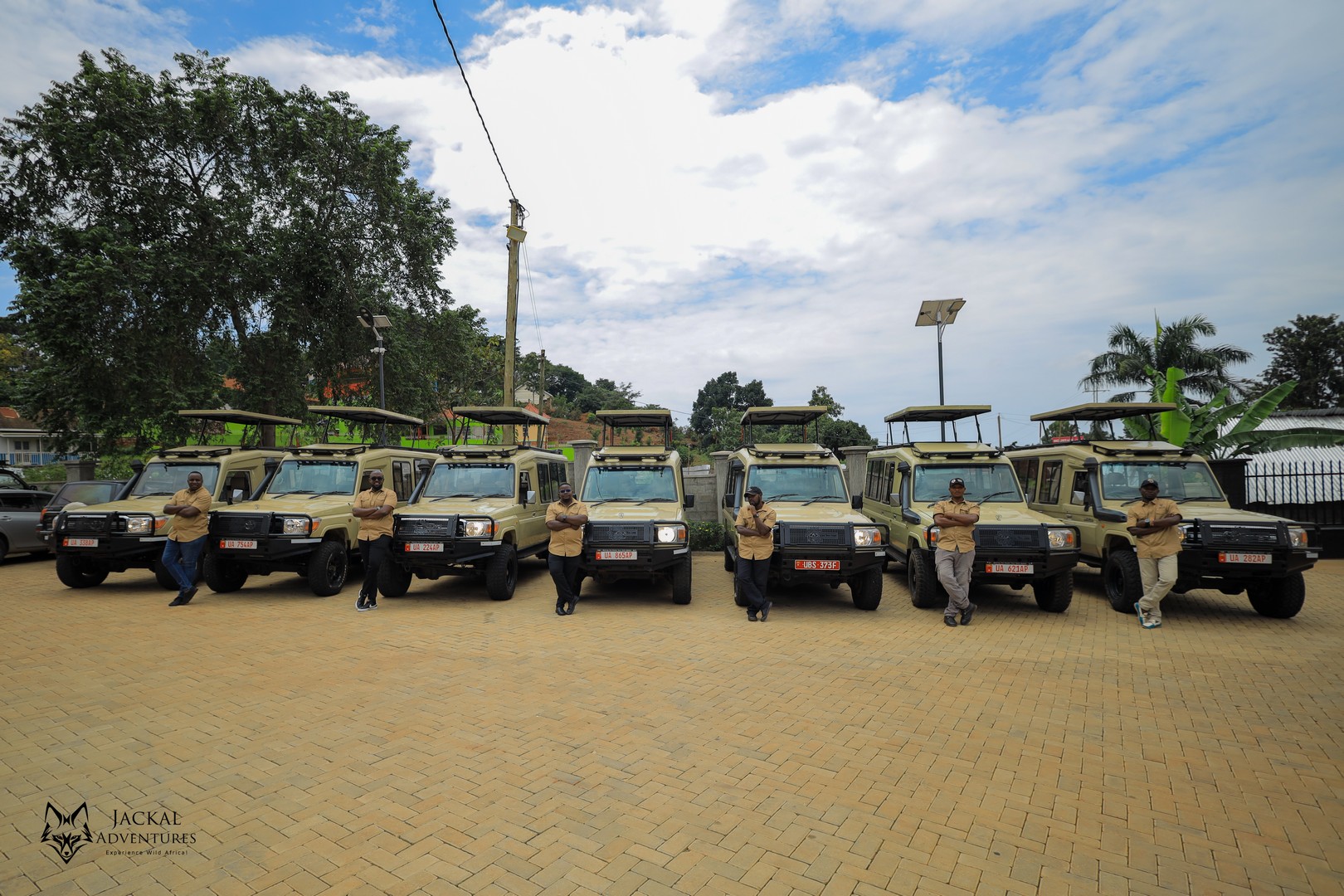
When planning logistics for remote operations, whether for humanitarian aid, mineral exploration, or high-end adventure tourism, the vehicle choice often boils down to a classic Land Cruiser vs van off-road debate: the high-capacity van versus the rugged 4×4 Land Cruiser. To the untrained eye, a van seems like the logical winner. It offers more internal volume, easier passenger entry, and better fuel economy on highways. However, once the asphalt ends, the “logic” of the van quickly dissolves into mechanical failure and safety risks. Here is why the 4×4 Land Cruiser remains the undisputed king of the off-road, and why the distinction matters more than you think.
1. Engineering for Abuse: The Chassis Factor
The fundamental difference starts with the “bones” of the vehicle. Modern vans use unibody construction, with the frame and body as a single integrated unit. While lightweight and efficient for city driving, unibody frames lack the torsional rigidity needed for rough terrain. On uneven trails, a van’s body will actually flex, which eventually leads to misaligned doors, cracked windshields, and structural fatigue.
The Land Cruiser uses a heavy-duty ladder frame (Body-on-Frame). It bolts the engine and drivetrain to a rigid steel chassis, and a cabin sits on top. This design allows the vehicle to absorb the massive twisting forces of deep ruts and rocky inclines without compromising the integrity of the passenger compartment.
2. Traction vs. Momentum: True 4WD
Many modern vans offer All-Wheel Drive (AWD) as an upgrade. However, AWD is designed for rain and light snow on paved roads; it is not a substitute for a true 4WD system with Low-Range gearing.
A Land Cruiser’s transfer case allows the driver to engage “low-range,” which multiplies torque at low speeds. This is essential for crawling through thick mud, climbing steep scree slopes, or safely descending slippery hills using engine braking rather than overheating the friction brakes. Furthermore, Land Cruisers often feature locking differentials, which force all wheels to turn at the same speed. In a van, if one wheel loses grip in the mud, it simply spins uselessly; in a Land Cruiser, the other three wheels will pull you through.
3. The Geometry of Survival
Off-roading is a game of angles. A vehicle’s ground clearance determines whether it can pass over a rock, while its approach and departure angles determine if it can enter or exit a steep ravine without ripping off its bumpers.
Vans have long wheelbases and significant “overhangs” (the distance from the wheels to the ends of the vehicle). This makes them prone to high-centering, as they act like a seesaw on a hump or slam their front and rear ends into the ground, while Land Cruisers feature short overhangs and high ground clearance to clear topographical obstacles that would strand a van
4. Why It Matters: The Cost of Failure
The choice between these vehicles isn’t just about performance; it’s about Risk Management. In the Land Cruiser vs van off-road comparison, the “cost of failure” in remote environments is exponentially higher.
-
Safety of Life: If a van breaks down in a remote desert or a high-altitude mountain pass, the occupants are immediately at risk. A Land Cruiser’s legendary reliability (specifically the 70 Series) is built on decades of over-engineering components like cooling systems and air intakes to handle extreme heat and dust.
-
Mission Continuity: For an NGO delivering vaccines or a mining team conducting surveys, a stuck vehicle isn’t just an inconvenience; it’s a halted mission. The Land Cruiser ensures that the destination is reached regardless of weather or road degradation.
-
The Global Support Network: In the furthest reaches of the globe, parts for a sophisticated European van are nonexistent. However, the Toyota Land Cruiser is the “universal language” of mechanics. From the Andes to the Outback, you can find a mechanic who knows how to fix one and a shop that stocks the parts.
5. Long-Term Economic Value
While a Land Cruiser has a higher initial purchase price, its Total Cost of Ownership (TCO) in rugged environments is lower. A van used for heavy off-road work will require constant suspension overhauls, tire replacements, and body repairs. It will depreciate rapidly as the harsh conditions take their toll. Conversely, Land Cruisers hold their resale value better than almost any other vehicle on Earth because they are built to last 25 years, not five.
Conclusion
At Jackal Adventures, we don’t leave success to chance. We utilize the Land Cruiser’s legendary engineering to guarantee mission continuity in the world’s most demanding environments. When you venture beyond the map, you need more than a vehicle; you need an insurance policy. You need the undisputed king of the off-road.










1 Comment
[…] safari. Traditional 4×4 safari vehicles rely on diesel. While these vehicles are necessary for rugged terrain, how you use them matters. Strategic routing saves fuel and time. At Jackal Adventures, we design […]